

Hear from Our Customers
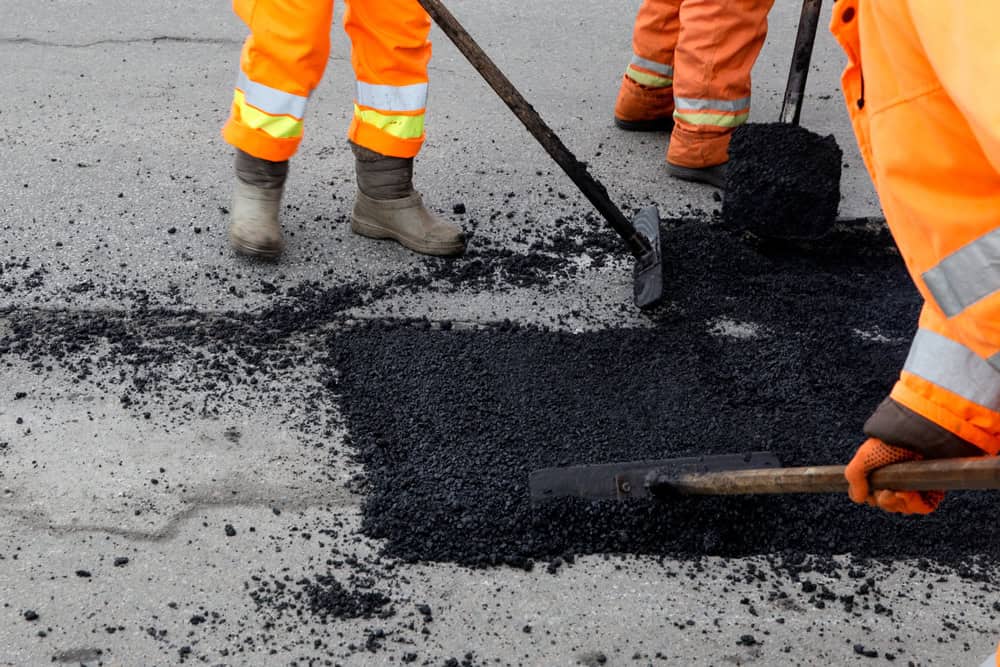
Your driveway or parking lot stops being a headache when it’s installed correctly the first time. You get surfaces that drain properly instead of pooling water that turns into ice hazards every winter. No more dodging potholes that damage vehicles or create liability issues for your business.
Professional paving means your asphalt handles New Jersey’s brutal freeze-thaw cycles without cracking apart after the first hard winter. The pavement maintains its appearance season after season while actually enhancing your property value.
When the installation is done right, you’re looking at 15-20 years of reliable service instead of constant repairs. That’s the difference between a smart investment and throwing money away on temporary fixes.
Platinum Paving has been handling asphalt and concrete projects throughout Martins and Somerset County for years. We understand how New Jersey’s freeze-thaw cycles destroy poorly installed pavement, and we know the local soil conditions that affect every paving job in this area.
We’re licensed, insured, and equipped to handle everything from residential driveways to commercial parking lots. You’re working with contractors who live and work in this community, which means we have every reason to do the job right the first time.
Our local presence means we’re familiar with municipal requirements and can navigate permitting processes efficiently. We see our completed projects regularly around town, so our reputation depends on the quality of every job we complete.
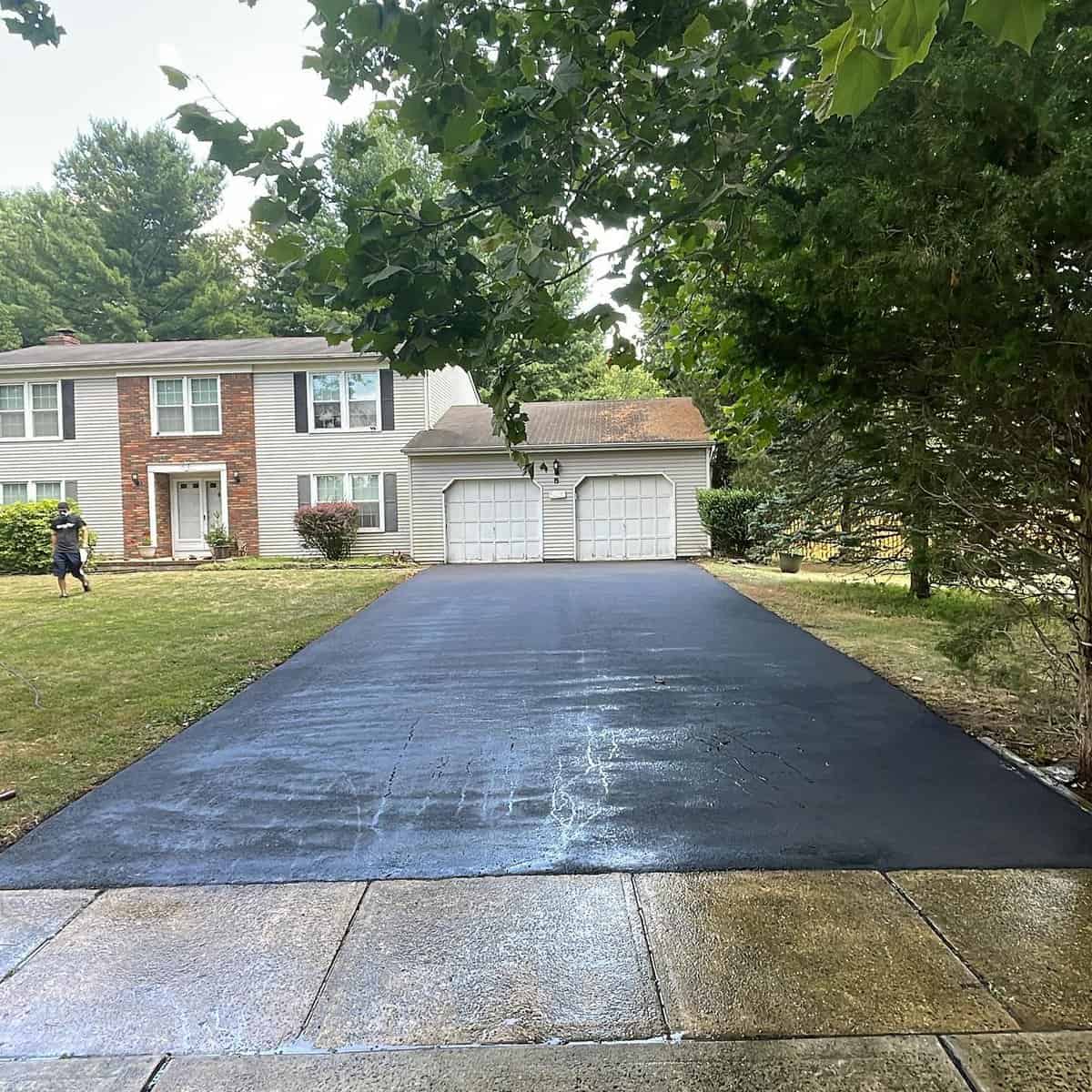
We start with a site evaluation to assess your current surface, drainage patterns, and specific needs. You get a detailed written estimate that breaks down materials, labor, and timeline so there are no surprises later.
Next comes proper base preparation – this is where most paving projects succeed or fail. We excavate to the right depth, grade for proper drainage, and install a solid stone base that won’t shift or settle. New Jersey’s clay soil and freeze-thaw cycles will destroy any pavement that doesn’t have adequate drainage and a stable foundation.
Then we install your new asphalt or concrete using quality materials designed for Northeast climate conditions. We use proven installation techniques including proper compaction and finishing. The asphalt mix matters too – we use grades specifically designed for our temperature ranges. Finally, we clean up completely and walk through the finished project with you.

Ready to get started?
Every driveway and parking lot installation includes proper excavation, professional base preparation, and quality material installation. We handle permits when needed and coordinate with utility companies for any marking requirements.
You choose between asphalt and concrete based on your budget, aesthetic preferences, and maintenance expectations. Asphalt costs less upfront and handles freeze-thaw cycles better, making it popular in New Jersey. Concrete lasts longer and offers more design options, but costs more initially.
We also address drainage issues during installation because poor drainage destroys pavement faster than anything else. We slope your surfaces properly and add drainage solutions where needed to protect your investment. All work includes complete cleanup and disposal of old materials – your property looks better than when we started, not like an abandoned construction zone.

A properly installed asphalt driveway or parking lot typically lasts 15-20 years in New Jersey with regular maintenance. However, our region’s freeze-thaw cycles and heavy winter salt usage can reduce this lifespan by 20-30% without proper care.
The key factors are proper installation and maintenance. Quality base preparation, correct asphalt thickness, and proper compaction during installation determine longevity more than anything else. Regular sealcoating every 3-5 years and prompt crack repairs help achieve maximum lifespan.
New Jersey’s freeze-thaw cycles are particularly hard on asphalt, which is why using materials rated for northern climates matters. When water seeps into cracks and freezes, it expands and pushes the pavement outward, then contracts when it thaws. This constant stress destroys poorly installed surfaces quickly.
Asphalt costs less upfront and handles New Jersey’s freeze-thaw cycles better, making it the popular choice here. It’s more flexible and can absorb the expansion and contraction that comes with our weather. Asphalt is also easier to repair if damage occurs and can be resurfaced to extend its life.
Concrete lasts longer overall and offers more design options, but costs more initially. It can crack from freeze-thaw cycles if not installed properly on our clay soils. Concrete typically lasts 25-30 years compared to asphalt’s 15-20 years, but requires different maintenance approaches.
For most Martins properties, asphalt makes more sense unless you specifically want the appearance of concrete. Both materials work well when installed correctly, but your choice usually comes down to budget, appearance preferences, and how much ongoing maintenance you want to handle.
In New Jersey, paving contractors should carry proper licensing and insurance for your protection. Ask to see current insurance certificates and licensing documentation before signing any contract. A legitimate contractor will readily provide this information and won’t pressure you to sign immediately.
Be wary of door-to-door solicitors or contractors who demand full payment upfront. Check references from recent local projects and verify the company has a permanent business address. The New Jersey Division of Consumer Affairs maintains contractor licensing information that you can verify online.
Look for contractors who live and work in your community. We stand behind our work because we’ll see you around town next week. Local contractors understand municipal requirements, soil conditions, and weather patterns that affect paving jobs in this specific area.
The ideal time for asphalt installation in New Jersey is late spring through early fall when temperatures consistently stay above 50°F. Asphalt needs proper temperatures for compaction and curing, so we typically don’t install during the coldest winter months.
Concrete can be installed in cooler weather with proper techniques and additives, but extremely cold temperatures create challenges. The best approach is planning your project for spring or summer installation, which gives the new pavement time to cure before winter weather hits.
Don’t wait until you desperately need the work done. Planning ahead allows you to schedule during optimal weather conditions and avoid the rush of contractors trying to complete projects before winter. Early planning also gives you time to properly research contractors and get multiple estimates.
Potholes typically start with small cracks that allow water to penetrate the pavement surface. When that water freezes during New Jersey winters, it expands and pushes the asphalt apart. Over repeated freeze-thaw cycles, these cracks widen and the pavement begins breaking apart under traffic loads.
Poor drainage accelerates this process. When water pools on the surface or doesn’t drain away properly, it increases the chances of penetration and freeze damage. Heavy traffic on weakened pavement then causes chunks to break away, creating the pothole.
Prevention involves proper initial installation with adequate base preparation and drainage, plus regular maintenance. Sealcoating every 3-5 years helps prevent water penetration, and addressing small cracks quickly before they spread saves expensive repairs later. The key is catching problems early before they become major issues.
Driveway paving costs depend on size, material choice, site conditions, and preparation work needed. Asphalt typically runs $3-7 per square foot installed, while concrete ranges from $6-12 per square foot. A standard two-car driveway might cost $2,500-6,000 depending on these factors.
Factors that affect pricing include excavation requirements, drainage needs, base thickness, and any special site access challenges. Extensive excavation, drainage work, or difficult access can increase costs. We provide detailed written estimates that break down all costs so you understand exactly what you’re paying for.
The investment typically pays for itself through increased property value and eliminating ongoing repair costs from a deteriorating driveway. Quality installation costs more upfront but saves money long-term by avoiding constant repairs and premature replacement.