Paving Contractor in Lynn Woodoaks, NJ

Quality Paving That Actually Lasts

Professional asphalt paving with transparent pricing and proven results you can count on.

A freshly paved parking lot with no cars parked, several caution cones, small signs on poles, and a person walking across the lot. Residential buildings and trees are visible in the background.

Hear from Our Customers

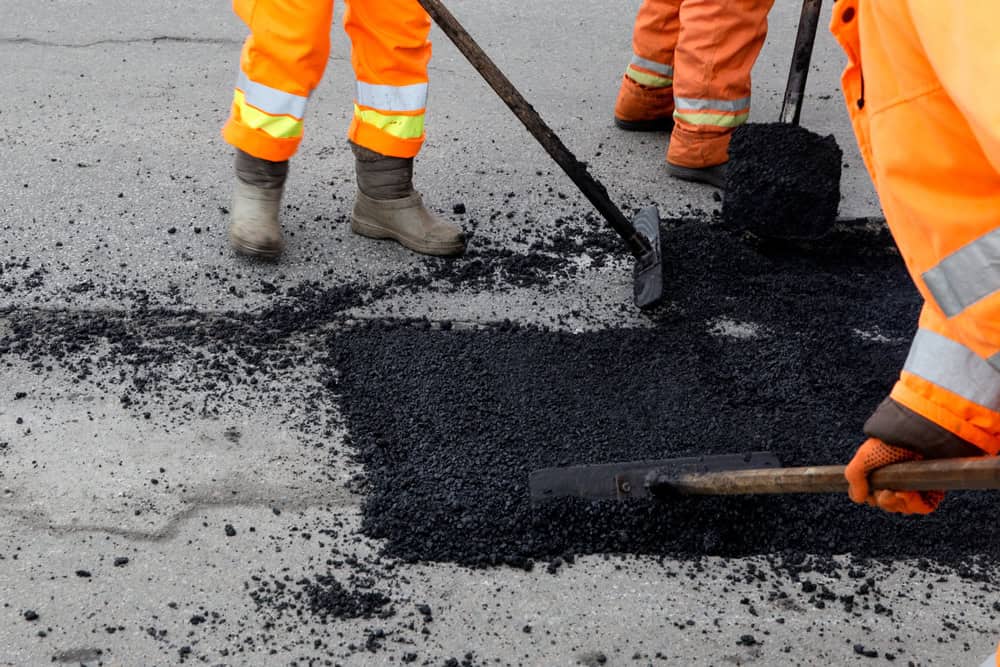
Workers in orange reflective clothing use shovels to spread asphalt while repairing a road. The image focuses on their legs and tools as they patch a section of damaged pavement.

Licensed Asphalt Paving Contractor

Pavement Built to Handle Real Life

Your driveway or parking lot takes a beating every single day. Cars, trucks, weather, time – it all adds up. When the job’s done right from the start, you’re not dealing with cracks next spring or calling someone else to fix what should have lasted.

Proper paving means proper drainage, the right materials, and installation that accounts for how you actually use the space. No shortcuts that cost you later. No surprises when the bill comes.

You get pavement that looks professional, handles traffic without issues, and gives you one less thing to worry about. That’s what quality work delivers.

Local Paving Company Lynn Woodoaks

We Know This Area's Challenges

Platinum Paving has been handling paving projects throughout Lynn Woodoaks and the surrounding New Jersey area. We understand local soil conditions, drainage requirements, and how New Jersey weather affects asphalt installation and longevity.

Every project gets the same approach: licensed professionals, quality materials, and installation methods that account for real-world conditions. We’ve seen what works and what doesn’t in this climate.

When you work with a local contractor, you get someone who has to stand behind their work in the community. That accountability matters when you’re making this kind of investment.
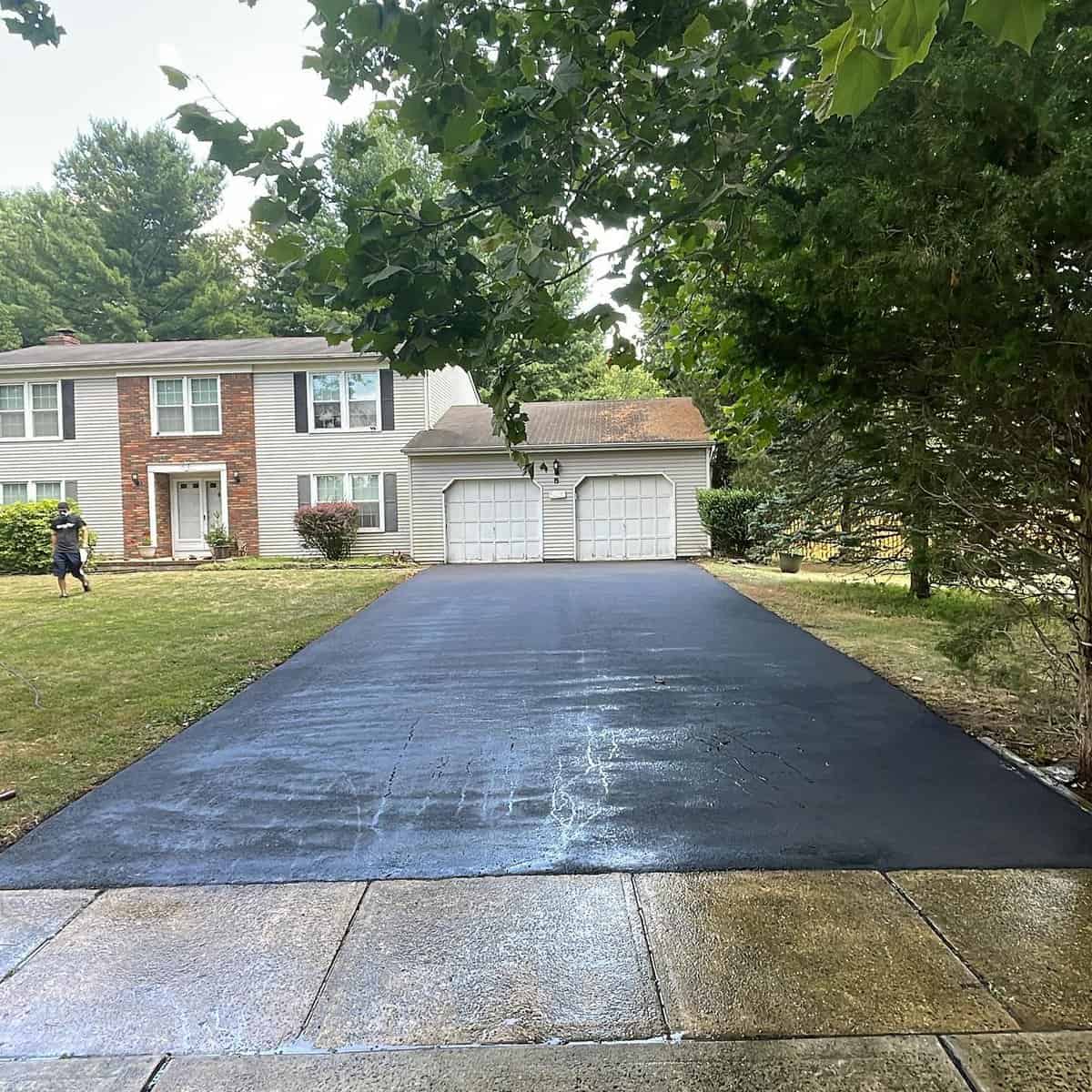
A freshly sealed black asphalt driveway leads to a two-car garage attached to a two-story house with brick and siding. Trees and grass surround the driveway, and part of a wet sidewalk is visible in the foreground.

Professional Paving Process

Here's How Your Project Actually Works

First, we assess your specific site conditions – drainage, soil stability, traffic patterns, and any existing issues that need addressing. This isn’t a cookie-cutter estimate. Every property has different requirements.

Next comes proper preparation. This means excavation to the right depth, addressing any drainage concerns, and creating a stable base that won’t shift or settle. The preparation work determines how long your pavement lasts.

Installation uses quality asphalt materials applied at the correct temperature and thickness for your specific use. Proper compaction and finishing ensure a smooth, durable surface. We handle timing around weather conditions because that directly affects the final result.

A large house with beige siding and stone accents has a newly paved black asphalt driveway. An orange road roller compactor is parked on the driveway, surrounded by trees and fallen leaves.

Ready to get started?

Explore More Services

About Platinum Paving

Get a Free Consultation

Residential Commercial Paving Services

Complete Paving Services You Need

Our residential driveway paving handles everything from small single-car driveways to larger multi-vehicle areas. This includes proper grading for drainage, connecting to existing surfaces, and ensuring the finished driveway complements your property.

Our commercial paving covers parking lots, access roads, and loading areas that need to handle heavier traffic and different usage patterns. These projects require coordination with business operations to minimize disruption while ensuring proper installation.

Both residential and commercial work includes addressing drainage issues, creating proper transitions to existing pavement or structures, and using materials appropriate for the expected traffic load. The goal is pavement that performs well for years without requiring frequent repairs or maintenance.

A small orange Kubota loader unloads debris into a blue dump truck parked on a residential street, while a worker stands on top of the truck near trees and power lines.
Most residential driveways take 1-2 days to complete, depending on size and site conditions. Day one typically involves excavation, grading, and base preparation. Day two covers asphalt installation and finishing. Larger driveways or those requiring significant drainage work may take an additional day. Weather conditions can affect timing since asphalt installation requires specific temperature ranges for proper results. We’ll give you a realistic timeline during the estimate and keep you updated if conditions require any adjustments.
Residential driveways typically use 2-3 inches of asphalt over a properly prepared base, which handles regular car traffic without issues. Commercial parking lots usually require 3-4 inches of asphalt because they handle heavier vehicles, more frequent traffic, and sometimes delivery trucks. The base preparation also differs – commercial applications often need deeper excavation and more robust base materials. Using the right thickness for your specific situation prevents premature cracking and extends the pavement’s lifespan significantly.
You can typically drive on new asphalt within 24-48 hours, but this depends on weather conditions and asphalt temperature. Hot weather requires longer curing time, while cooler temperatures allow earlier use. We recommend avoiding heavy vehicles or sharp turns for the first week to prevent marking the surface. Parking in the same spots repeatedly should also be avoided initially. We’ll give you specific guidance based on the conditions during your installation and what type of traffic the pavement needs to handle.
Most cracking comes from inadequate base preparation, poor drainage, or using insufficient asphalt thickness for the traffic load. Water getting under the pavement causes the most damage – it weakens the base and creates freeze-thaw cycles that crack the surface. Prevention starts with proper excavation depth, quality base materials, and grading that directs water away from the pavement. Using the right asphalt thickness for your specific use and ensuring proper compaction during installation also prevents premature failure.
Yes, proper drainage is essential for long-lasting pavement. We assess drainage during the initial site evaluation and address issues as part of the project. This might involve adjusting grades to direct water away from the pavement, installing drainage systems where needed, or modifying connections to existing drainage. Poor drainage is one of the main reasons pavement fails prematurely, so we don’t skip this step. The goal is ensuring water moves away from your pavement rather than pooling or flowing underneath where it can cause damage.
Start with proper licensing and insurance – this protects you if something goes wrong. Look for contractors who provide detailed estimates explaining the work, materials, and timeline rather than just a total price. Ask about their process for base preparation and drainage since this affects how long your pavement lasts. Check references from recent projects and verify they’re local with an established presence in the area. Avoid contractors who show up at your door offering leftover materials or pressure you to sign immediately. Quality contractors are busy enough that they don’t need high-pressure sales tactics.