

Hear from Our Customers
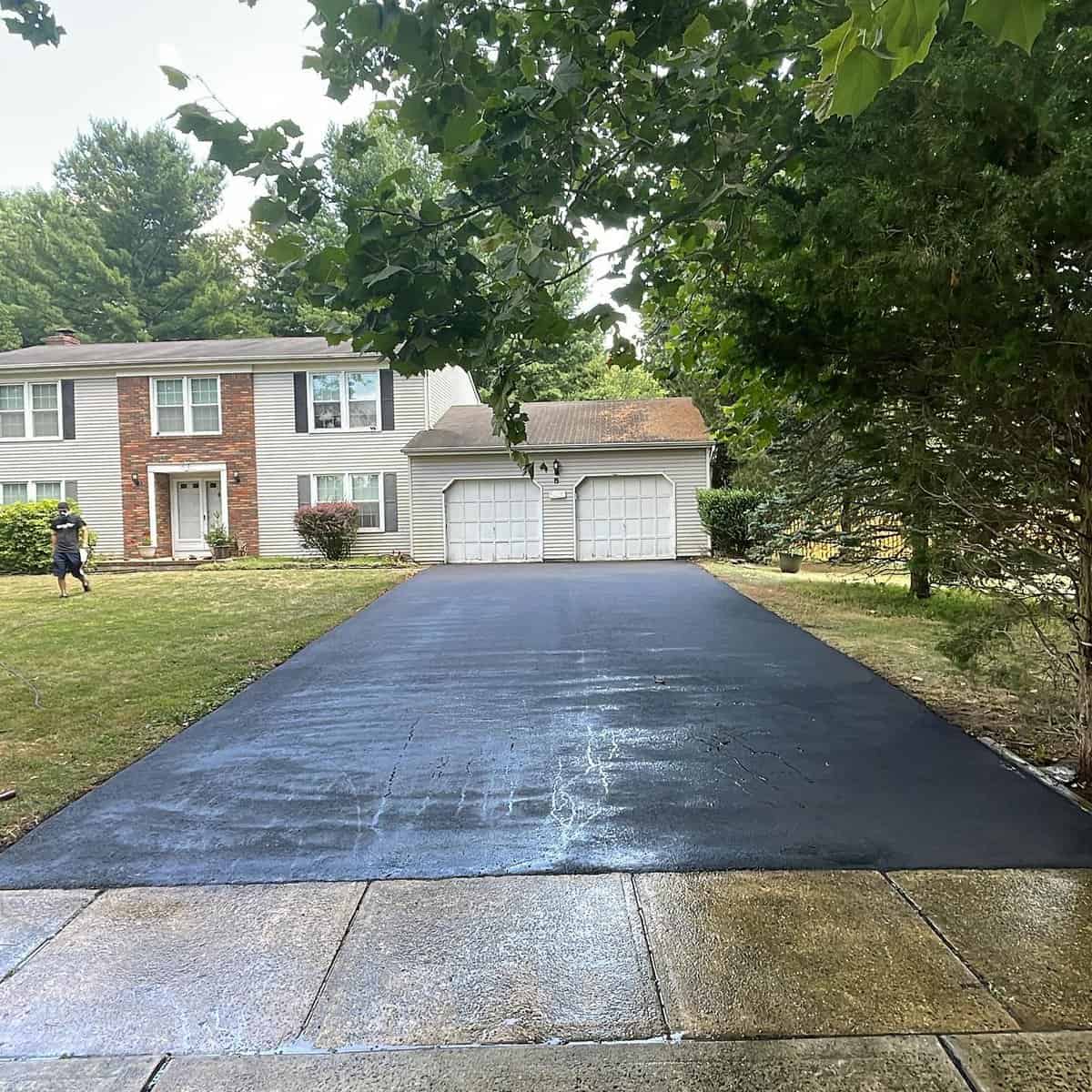
When your asphalt is installed right, you stop worrying about spring pothole surprises or water pooling near your garage. Your driveway becomes the smooth, professional entrance your property deserves—one that handles heavy traffic, harsh winters, and summer heat without breaking down.
No more scheduling around contractor callbacks or explaining to visitors why they need to dodge that growing crack by the mailbox. Just a solid surface that quietly does its job for decades, adding value to your property while requiring minimal maintenance.
You get peace of mind knowing your investment was protected from day one with proper base preparation, quality materials, and the kind of compaction that prevents premature failure.
We’ve spent over 20 years perfecting asphalt installation in communities like Huntsville, where properties sit between rural landscapes and suburban development. We’re a third-generation, family-owned company that understands how Hunterdon County’s unique position—serving commuters to both New York City and Philadelphia—creates specific demands for durable paving.
We’ve seen what happens when contractors cut corners in this climate. The freeze-thaw cycles are unforgiving, and drainage issues that seem minor in October become major headaches by March.
That’s why we focus on the details that matter: proper base preparation, quality asphalt mixes designed for New Jersey temperature swings, and compaction techniques that create the density needed to resist water infiltration and traffic stress.
Every project starts with honest assessment—we examine your existing base, drainage patterns, and any distress in the current surface. No guessing, no generic solutions.
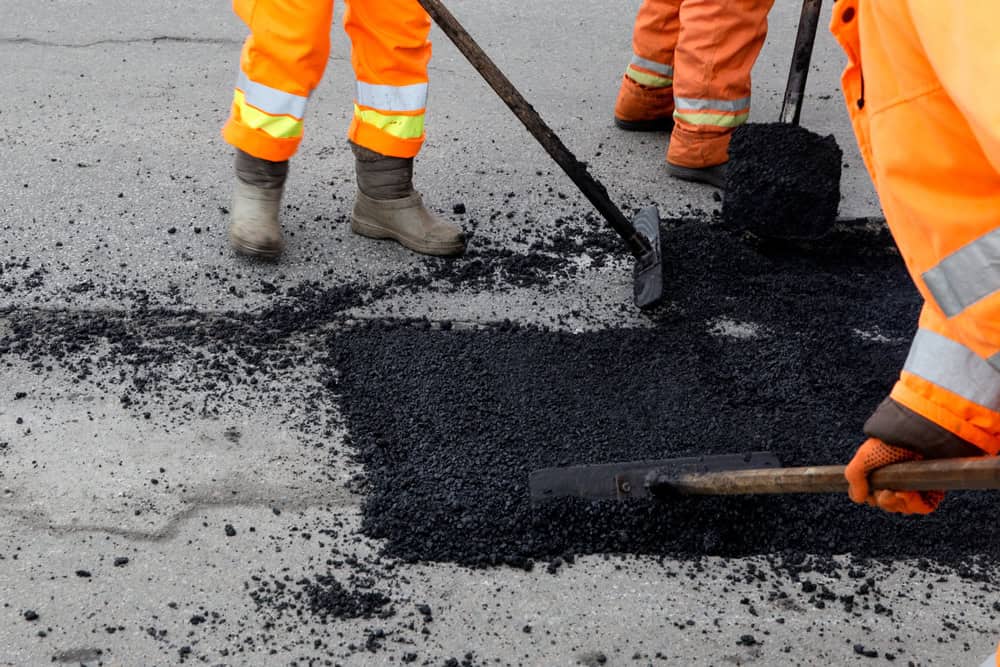
Next comes proper site preparation. We excavate any faulty material, construct a properly graded and compacted aggregate base, then apply heated asphalt using paving machines to meet engineered thickness requirements. The critical step most contractors rush is compaction—we use heavy vibratory and static steel-wheeled rollers to achieve the target density that prevents future problems.
Throughout the process, we explain the “why” behind each decision. You understand exactly what’s happening and why it matters for your specific situation. When we’re finished, you have a surface designed to handle your local conditions for 20+ years, not just look good for the next few months.

Ready to get started?
Whether you need a residential driveway, commercial parking lot, or private road, we handle projects throughout Huntsville and surrounding Hunterdon County areas. Our services include new asphalt installation, resurfacing existing pavement, crack sealing, sealcoating, and drainage solutions.
For Huntsville’s mix of rural properties and newer developments, we often work with challenging grades and drainage situations. Properties here frequently need custom solutions—whether it’s managing water runoff from hillside driveways or creating parking areas that can handle both daily commuter traffic and weekend recreational vehicles.
We also understand local permit requirements and work with township officials when needed. Our experience with Hunterdon County regulations and drainage standards means your project moves forward smoothly, without delays or compliance issues that can derail timelines and budgets.

With proper installation and maintenance, asphalt driveways in New Jersey typically last 20-25 years. The key factors are quality base preparation, proper compaction during installation, and regular sealcoating every 2-3 years.
New Jersey’s freeze-thaw cycles are particularly hard on asphalt, so the initial installation quality makes a huge difference. Contractors who skip proper base work or rush the compaction process create pavement that fails within 5-10 years instead of lasting decades. We focus on achieving the target density that resists water infiltration—the main cause of premature cracking and deterioration in our climate.
An overlay involves applying new asphalt over existing pavement, while complete replacement means removing the old surface and starting fresh. The right choice depends on your current pavement’s condition and underlying base stability.
Overlays work well when the existing asphalt is structurally sound but showing surface wear. However, if you have significant cracking, drainage issues, or base failure, an overlay just postpones bigger problems. We evaluate factors like crack patterns, drainage performance, and traffic loads to recommend the most cost-effective long-term solution. Sometimes spending more upfront for complete replacement saves money over the pavement’s lifetime.
Proper drainage is critical for asphalt longevity, especially in areas like Huntsville where properties often have challenging topography. We start every project by analyzing existing drainage patterns and identifying potential water problems.
Our approach includes proper grading to direct water away from structures, installing drainage systems where needed, and ensuring the pavement surface has appropriate slope for runoff. We also address subsurface drainage when necessary—standing water under asphalt causes base failure and premature cracking. Many contractors ignore drainage until problems appear, but we build it into the initial design because fixing drainage issues after paving is expensive and disruptive.
Most residential driveways take 1-2 days to complete, depending on size and complexity. Commercial projects vary based on square footage and site conditions. We provide detailed timelines during the estimate process so you can plan accordingly.
The process involves site preparation, base work if needed, asphalt application, and compaction. You’ll need to keep vehicles off the new surface for 24-48 hours while it cures. We coordinate with you on timing to minimize disruption—particularly important for commercial properties that need to maintain customer access. Weather can affect scheduling since asphalt needs to be installed under proper temperature conditions for optimal results.
Look for contractors with established local presence, proper licensing and insurance, and references from recent projects. Be wary of door-to-door solicitors or unusually low bids that seem too good to be true.
Reliable contractors provide detailed written estimates explaining the scope of work, materials, and timeline. They should be willing to discuss their process, show examples of recent work, and provide references. Check their reputation through online reviews and local business associations. Most importantly, they should explain what they’re doing and why—contractors who can’t articulate their approach often lack the expertise for quality results.
New asphalt should be sealcoated about one year after installation, then every 2-3 years thereafter. This protects against UV damage, water infiltration, and chemical spills while maintaining the surface’s appearance and extending its lifespan.
Between sealcoating, watch for small cracks and have them filled promptly—minor issues become major problems if ignored. Keep the surface clean and address oil stains quickly. Avoid heavy loads or sharp turns on hot summer days when asphalt is more pliable. With this basic maintenance schedule, your asphalt investment provides decades of reliable service while maintaining your property’s curb appeal and value.