
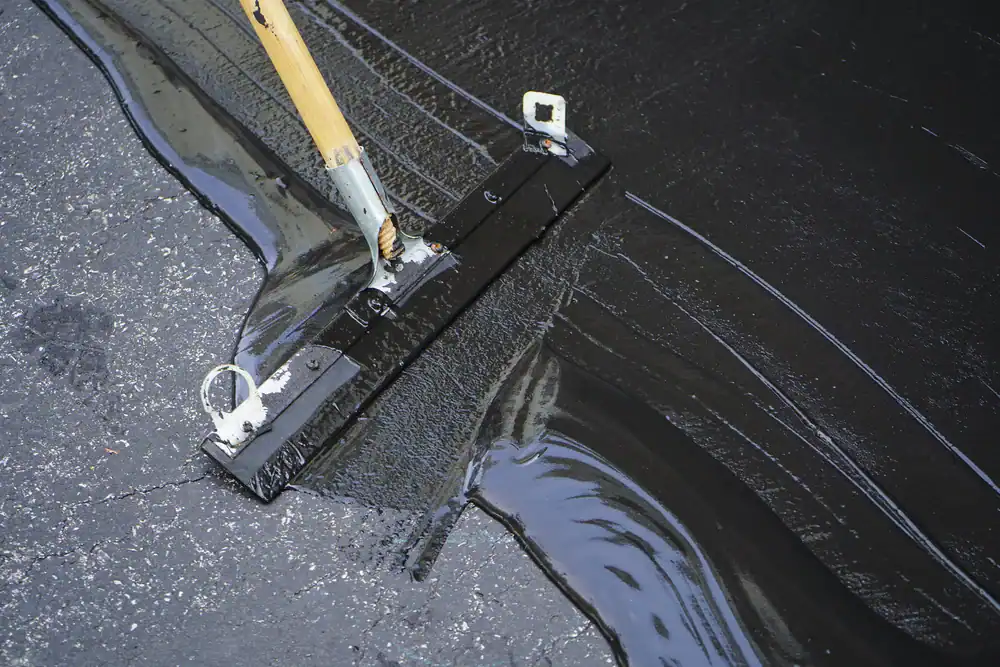
Hear from Our Customers
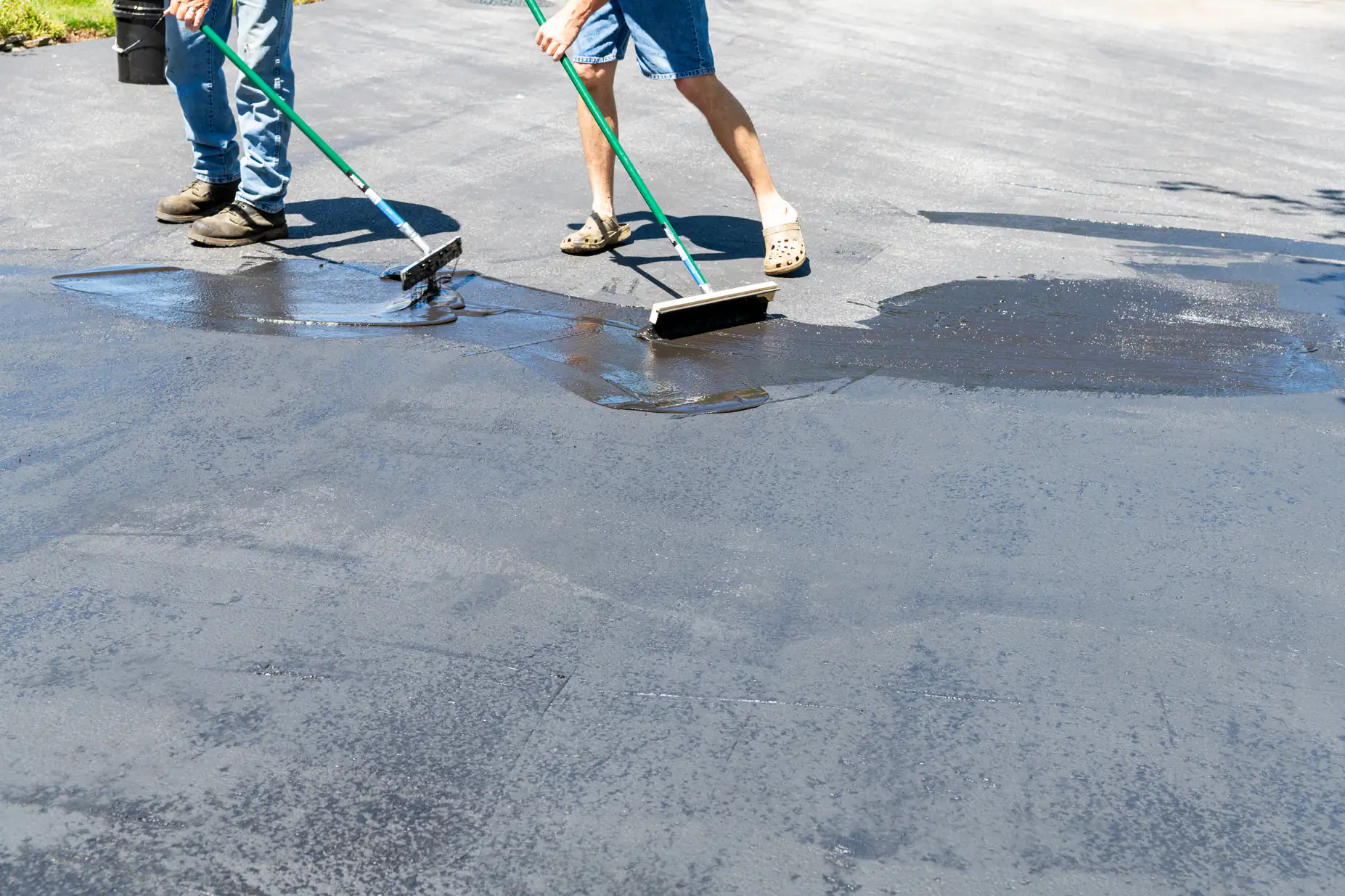
You’re looking at your driveway right now and seeing the cracks. Maybe some fading. Maybe a few spots where water pools after it rains.
What you’re really seeing is next spring’s repair bill forming in real time. Every freeze-thaw cycle this winter will turn those small cracks into bigger ones. Road salt will eat through the surface. Water will seep in, freeze, expand, and break apart what’s left.
A proper two-coat sealcoating application creates a waterproof barrier that keeps all of that from happening. It’s not about making your driveway look nice—though it does that too. It’s about stopping $1,500 worth of damage before it starts, for a fraction of the cost.
Most Whippany driveways run between $250 and $450 to seal, depending on size. Compare that to $6 to $8 per square foot for repaving, and you’re looking at 2,000% more value. The math isn’t close.
We’re a third-generation, family-owned contractor based in Morris County. We’ve been working in Whippany and the surrounding areas since before sealcoating became something people Googled.
That means we know exactly what your driveway is up against. We know the freeze-thaw cycles hit 40 to 50 times per winter here. We know the road salt trucks come through heavy on Route 10 and South Jefferson Road. We know your asphalt takes a beating that driveways in warmer climates never see.
We also know the shortcuts other contractors take—and we don’t take them. No diluted materials. No single-coat applications that fail in a year. No disappearing after the job when something goes wrong. Just straightforward work, clear pricing, and a callback within 24 to 48 hours when you request a quote.
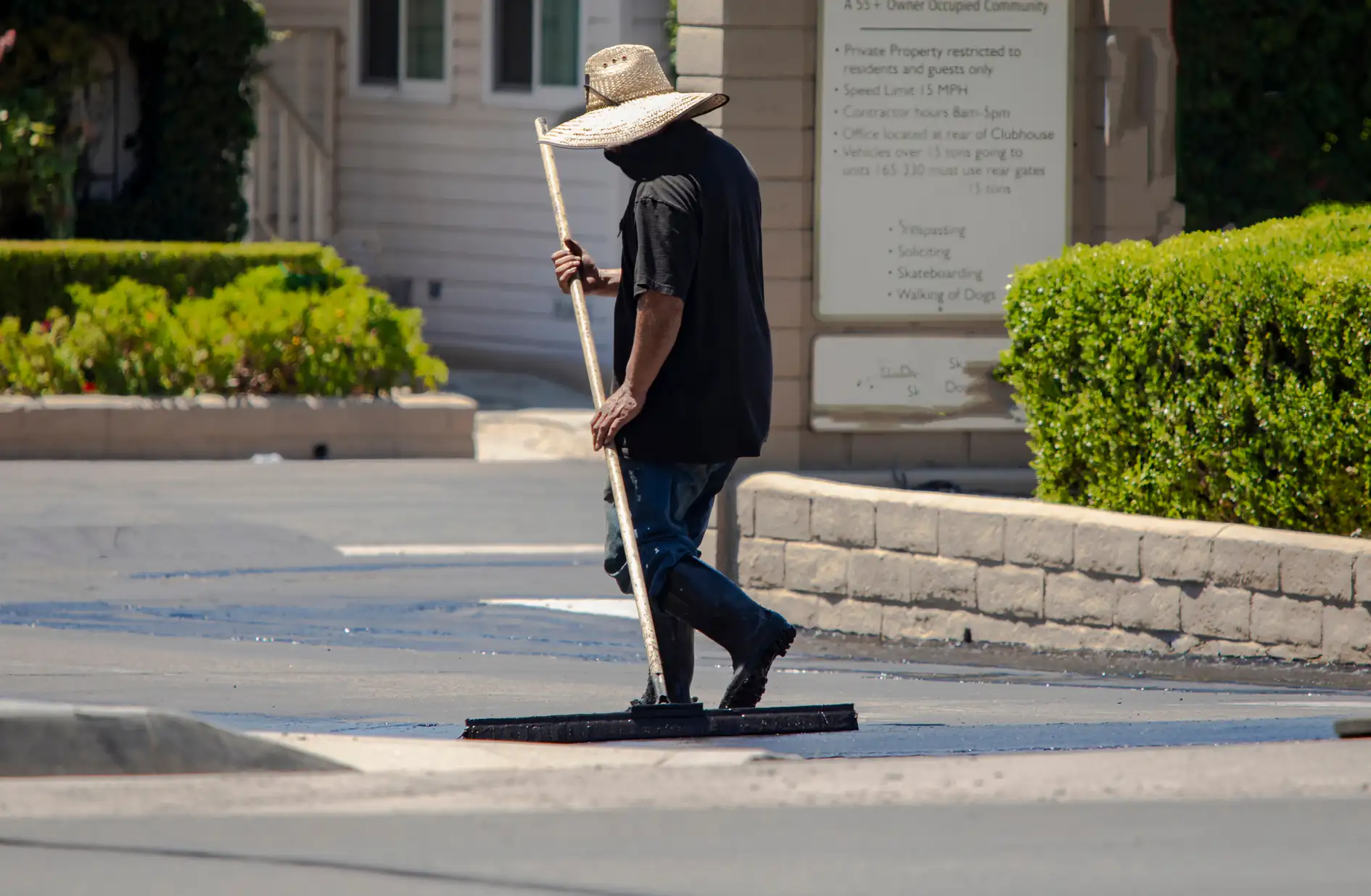
First, we clean the surface. That means removing dirt, debris, oil stains, and anything else that would prevent the sealer from bonding properly. Most failures happen because this step gets skipped or rushed.
Next, we fill any cracks. Small cracks turn into big ones fast, especially here in New Jersey. We use hot rubberized crack filler that stays flexible through temperature swings, so it moves with your asphalt instead of breaking apart.
Then we apply two coats of high-grade coal tar or asphalt emulsion sealer. Two coats matter in this climate. A single coat might last a year or two. Two coats give you three to four years of protection on a residential driveway. We let the first coat dry completely before applying the second—usually 24 hours, depending on weather.
After application, your driveway needs 24 to 48 hours to cure before you can drive on it. We schedule around your life, not ours. If you need your driveway accessible on a specific day, we plan accordingly.
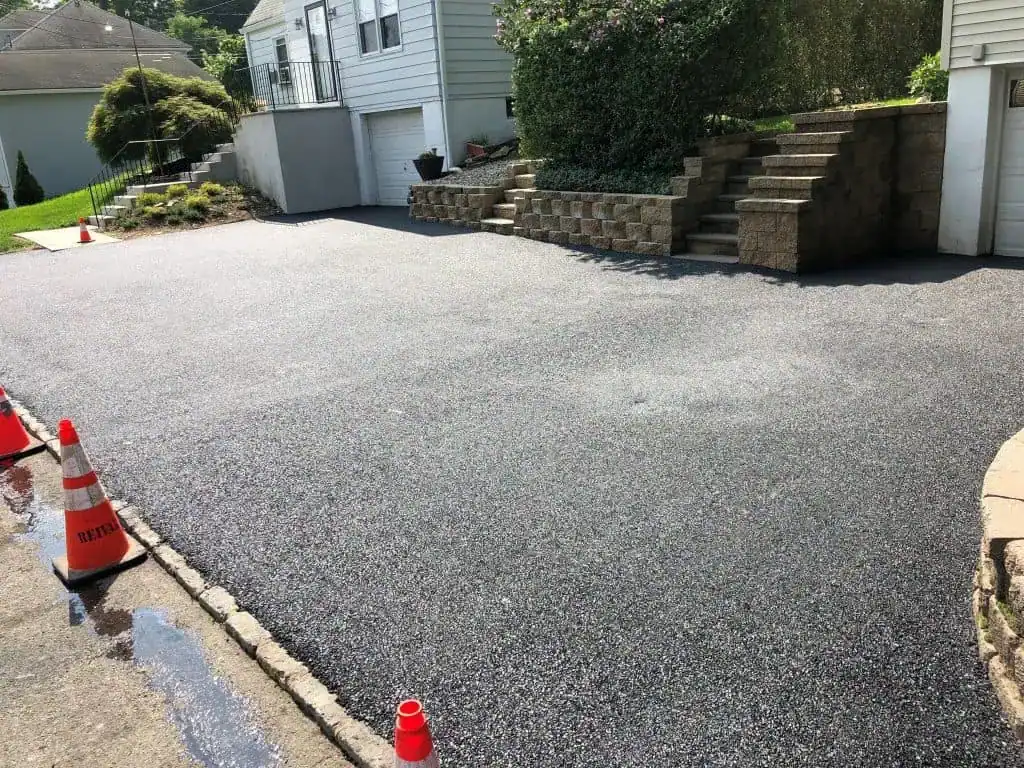
The result is a smooth, dark, sealed surface that sheds water, resists salt, and holds up through winter.
Ready to get started?
Sealcoating in Whippany typically runs $0.15 to $0.40 per square foot. For a standard two-car driveway—around 600 to 800 square feet—you’re looking at $250 to $450. Larger driveways or those needing significant crack repair will cost more, but we give you an upfront number before we start.
That price includes surface cleaning, crack filling, two coats of sealer, and proper curing time. No surprise charges for “extra prep work” or “additional materials.” If something needs to be done, it’s in the quote.
Fall is the best time to seal in Whippany. Temperatures are moderate, conditions are dry, and the sealer has time to cure properly before winter hits. Spring works too, but you’re competing with everyone else who waited until they saw damage. You’ll pay more and wait longer.
Sealed driveways last significantly longer than unsealed ones. An unsealed driveway might give you 15 years. A properly maintained, sealed driveway can push past 30. You’re not just protecting your asphalt—you’re protecting the investment you made when you installed it.

A proper two-coat application lasts three to four years on a residential driveway in New Jersey. That timeline assumes normal use—cars coming and going, regular weather exposure, the usual wear.
Commercial properties see heavier traffic, so sealcoating typically lasts two to three years there. Single-coat applications, which some contractors push to save time, usually fail within one to two years. They crack, peel, or wear through faster because they don’t have the thickness to hold up.
New Jersey’s climate is brutal on asphalt. You’re dealing with 40 to 50 freeze-thaw cycles every winter, road salt, heavy rain, and summer heat that regularly tops 90 degrees. Sealcoating creates a barrier against all of that, but it’s not permanent. Plan on resealing every three to four years if you want continuous protection.
Coal tar sealer is more durable and offers better protection against gas, oil, and salt. It’s been the standard for decades because it holds up longer and resists chemical damage better than asphalt emulsion.
Asphalt emulsion is less toxic and more environmentally friendly. Some New Jersey municipalities have started restricting or banning coal tar sealer due to environmental concerns, so availability varies by location.
Both work, but coal tar generally lasts longer in harsh climates like ours. If your driveway sees oil drips from vehicles or heavy salt exposure, coal tar is usually the better choice. If environmental impact is a priority or local regulations limit coal tar use, asphalt emulsion is a solid alternative. We’ll recommend what makes sense for your specific situation and location.
You can seal your own driveway if you have the time, equipment, and willingness to do it right. The process isn’t complicated, but it’s labor-intensive and easy to mess up.
DIY sealcoating usually fails because of poor surface prep. If you don’t clean the driveway thoroughly or fill cracks properly, the sealer won’t bond. You’ll end up with peeling, flaking, or premature wear. Most homeowners also apply only one coat because two coats mean two days of work. That single coat won’t last as long.
Professional application costs more upfront but saves you time and gets better results. We have commercial-grade equipment, high-quality materials, and experience knowing how thick to apply sealer, how long to let it dry, and what weather conditions work best. If your driveway is large, has significant cracking, or you just don’t want to spend a weekend doing manual labor, hiring us makes sense.
Fall is the best time to seal a driveway in Whippany. Temperatures are moderate—usually between 50 and 80 degrees—and conditions are dry. Sealer needs at least 24 hours to cure, and fall weather gives you the best chance of uninterrupted curing time.
Spring is the second-best option, but that’s when everyone else is calling. You saw the damage winter caused, and so did your neighbors. Contractors book up fast, prices edge higher, and you’re waiting longer to get on the schedule.
Avoid sealing in summer heat above 90 degrees. The sealer dries too fast, which can cause cracking or uneven application. Winter is obviously out—sealer won’t cure properly in cold temperatures, and you’ll just waste money.
If you’re planning to seal, call in late August or early September. You’ll get better availability, better pricing, and your driveway will be protected before the first freeze hits.
Driveway sealcoating in Whippany typically costs between $250 and $450 for a standard residential driveway. Larger driveways, significant crack repair, or oil stain treatment will increase the price.
Pricing breaks down to about $0.15 to $0.40 per square foot, depending on the condition of your asphalt and how much prep work is needed. A 600-square-foot driveway might run $250. An 800-square-foot driveway with multiple cracks could hit $400 or more.
New Jersey pricing runs about 15% to 20% higher than the national average because of labor costs and climate demands. You need better materials and more thorough application here than you would in a milder climate. Contractors who quote significantly below that range are either cutting corners or using diluted materials. You’ll pay less upfront, but you’ll be resealing again in a year—or paying for repairs. Get a written quote that includes surface prep, crack filling, and two coats of sealer. Anything less isn’t worth your money.
Yes. A properly sealed driveway can last 25 to 30-plus years. An unsealed driveway typically lasts about 15 years before it needs replacement.
Sealcoating works by creating a waterproof barrier that prevents water from seeping into the asphalt. Water is the main cause of driveway failure. It gets into cracks, freezes, expands, and breaks apart the surface. Over time, that process destroys the structural integrity of your driveway.
Sealcoating also protects against UV damage, which causes asphalt to fade and become brittle, and against oil and gas spills, which break down the binder that holds asphalt together. Road salt accelerates all of this damage, and New Jersey driveways get hit hard with salt every winter.
Sealing every three to four years keeps that protective barrier intact. It’s not a one-time fix—it’s ongoing maintenance. But the cost of sealcoating every few years is a fraction of what you’d pay to repave. You’re looking at $300 to $400 every three years versus $5,000 to $10,000 to replace the entire driveway. The math is straightforward.