
Hear from Our Customers
You stop watching small cracks turn into $1,500 repair jobs. Water doesn’t seep into your base layer and freeze, which means you’re not dealing with heaving sections or pothole patches every spring.
A properly sealed driveway in Watsessing handles what New Jersey throws at it. Road salt doesn’t eat through the surface. UV rays don’t fade and dry out your asphalt. Rain runs off instead of soaking in.
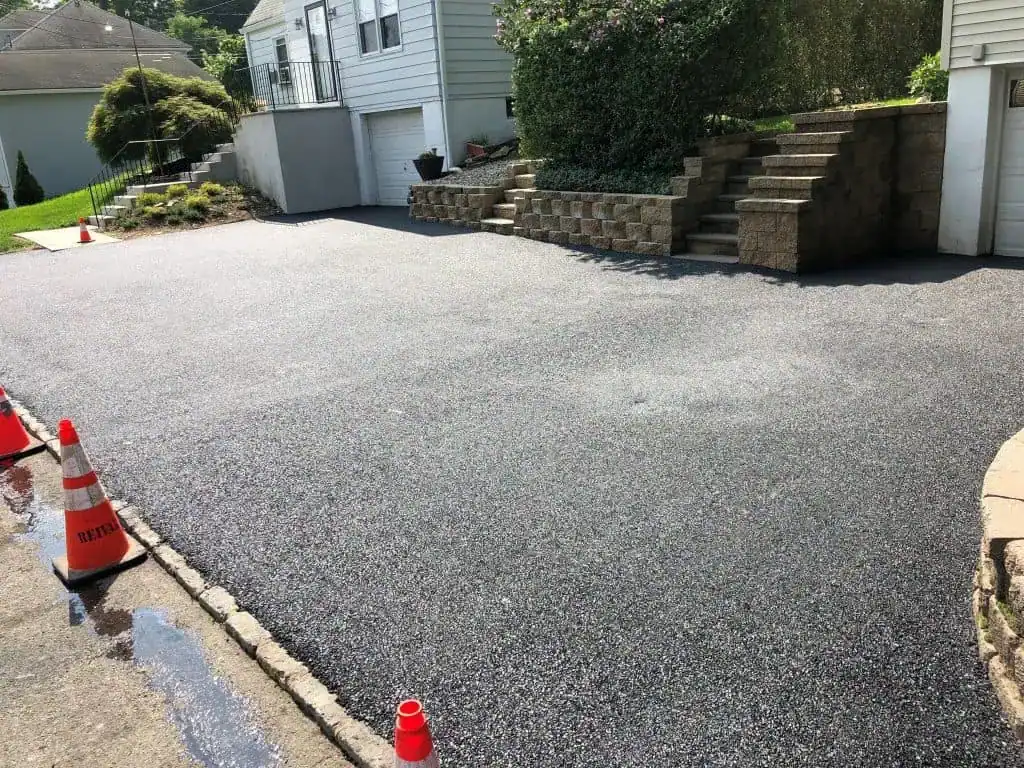
The difference shows up in two ways. First, your driveway looks like you just had it installed—that deep black finish that makes your property stand out on the block. Second, you’re adding 3-5 years to its lifespan without spending thousands on replacement. Most homeowners in Morris and Essex County spend $300-500 on sealcoating and avoid a $5,000+ repaving bill down the road.
We’ve worked in Watsessing and throughout Morris County for over 20 years. We know what winter does to driveways in this area because we’ve repaired the damage when homeowners skip fall sealcoating.
We’re a family-owned operation based in Morris County. That means when you call, you’re talking to someone who understands local climate conditions, not a call center three states away. We use high-grade materials designed for New Jersey’s freeze-thaw cycles, and we apply them when temperatures are right for proper curing.
You’ll find us working in neighborhoods throughout Watsessing, East Orange, Newark, and surrounding areas. We’re BBB accredited, and we guarantee callbacks within 24-48 hours when you request a quote online.
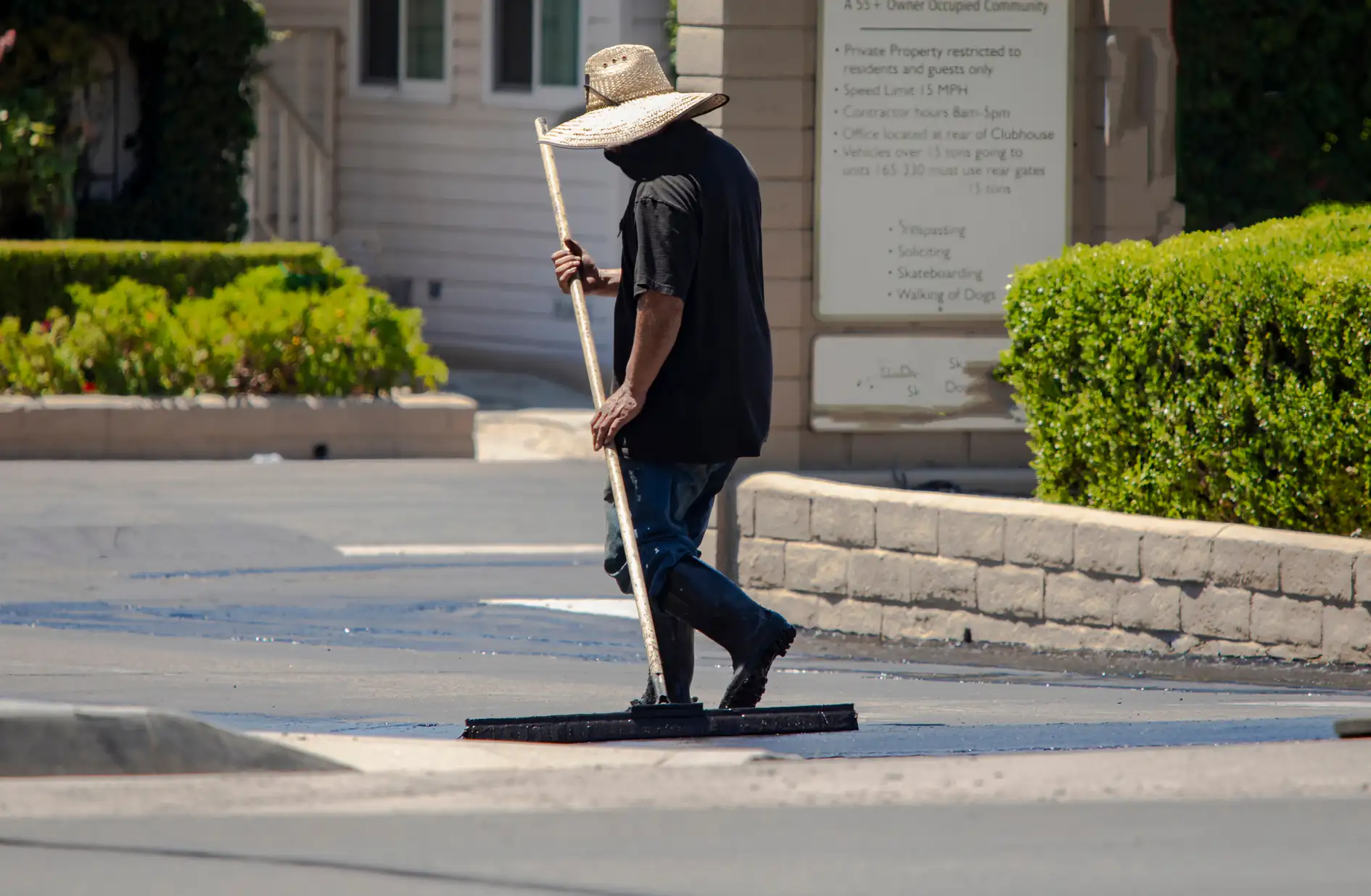
We start by cleaning your driveway completely. Any dirt, debris, or vegetation gets removed because sealant won’t bond to a contaminated surface. If you have cracks wider than a quarter-inch, we fill them with hot rubberized crack filler first—this step matters because sealer alone won’t fix structural issues.
Next, we apply a commercial-grade asphalt sealer in two thin coats. We’re not using the bargain-bin stuff from a big box store. The material we use contains higher concentrations of asphalt and additives that protect against UV damage, water penetration, and chemical wear from road salt.
Temperature and timing matter here. We only seal when conditions allow proper curing—typically when it’s between 50-85 degrees and no rain is forecast for 24-48 hours. Fall is ideal in Watsessing because you get moderate temps and your driveway has all winter to cure fully before summer heat.
You’ll need to stay off the driveway for 24-48 hours depending on weather. After that, you’ve got a protected surface that should last 2-3 years before needing another application.
Ready to get started?
Every sealcoating job includes surface cleaning, crack filling for cracks up to a certain width, edging along garage doors and walkways, and two coats of commercial-grade sealer. We’re not cutting corners with single-coat applications that wear off in a year.
In Watsessing specifically, we see a lot of driveways that back up to tree lines or have drainage issues from the area’s terrain. If your driveway has standing water problems or significant base damage, we’ll tell you before we seal it. Sealcoating fixes surface protection—it doesn’t repair foundation problems. You need to know that upfront.
Cost typically runs $0.15-$0.40 per square foot in this area, which puts most residential driveways between $300-500. That’s higher than national averages because labor costs more in North Jersey and our climate demands better materials. But compare that to $3,000-7,000 for driveway replacement, and the math makes sense.
We serve Morris, Sussex, and Somerset County with the same approach: show up when we say we will, use materials that actually work in this climate, and give you clear pricing before we start. No surprise charges when the job’s done.

Most residential driveways in Watsessing run between $300-500 for professional sealcoating. You’re looking at $0.15-$0.40 per square foot depending on your driveway’s size and condition.
That price includes surface prep, crack filling for smaller cracks, and two coats of commercial-grade sealer. If you have major cracks or base damage, you’ll need repairs first, which costs extra. A standard two-car driveway is usually around 600 square feet, so you’re in the $240-400 range before any repair work.
New Jersey prices run about 15-20% higher than national averages. That’s because labor costs more here and our freeze-thaw climate requires better materials. Cheap sealer breaks down fast when you’re dealing with road salt and temperature swings from 10 degrees in January to 95 in July.
Fall is your best window—specifically late August through October. You need temperatures between 50-85 degrees and no rain for at least 24 hours after application. Fall gives you both, plus your driveway has all winter to cure fully.
Spring works too, but you’re racing against summer heat and you miss the chance to protect your driveway before winter damage happens. A lot of homeowners wait until spring, see the cracks from winter, and then realize they’re paying for repairs instead of prevention.
Sealing in summer is risky in Watsessing because high heat can cause premature drying and poor adhesion. You also can’t use your driveway for 24-48 hours, which is harder to manage when kids are home and you’re running in and out all day. Fall timing means your driveway is protected before the first freeze and you’re not dealing with summer scheduling headaches.
A properly applied sealcoat lasts 2-3 years in New Jersey’s climate. That’s shorter than warmer states because our freeze-thaw cycles and road salt are harder on asphalt.
You’ll know it’s time to reseal when the surface starts looking gray instead of black, or when water stops beading up and starts soaking in. If you’re seeing those signs after just one year, either the sealer was low-quality or it wasn’t applied correctly.
Most driveways need sealing every 2-3 years to maintain protection. If you skip it, you’re not just losing the dark appearance—you’re letting water penetrate the surface, which leads to cracking and base damage. A $400 sealcoat every few years beats a $5,000 replacement after neglecting it for a decade. The math is pretty straightforward.
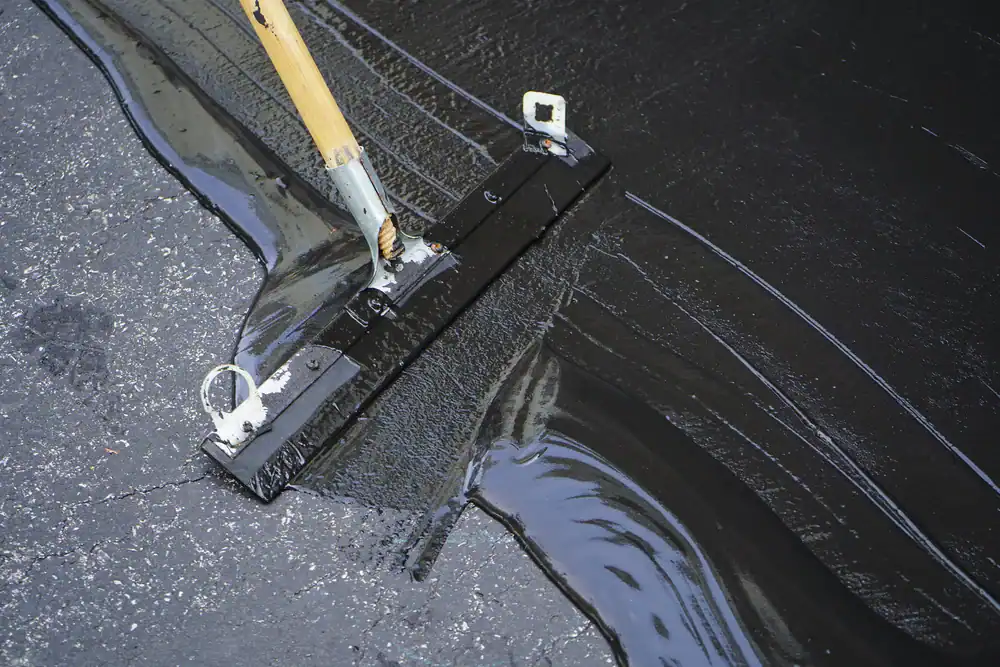
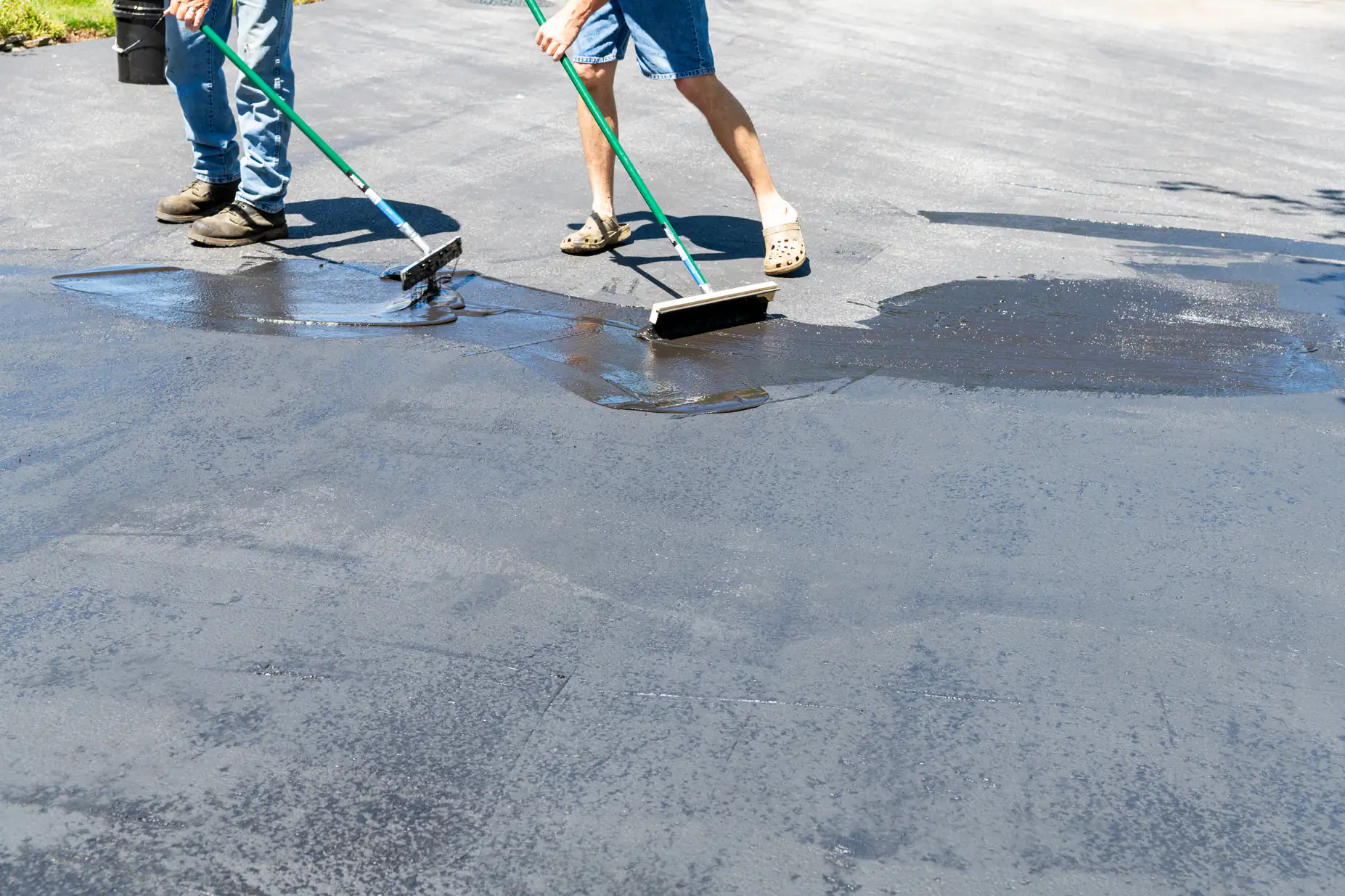
You can do it yourself, but most DIY jobs don’t last as long or protect as well. The sealers sold at home improvement stores have lower asphalt content and fewer protective additives than commercial-grade products. You’re also working with basic squeegees and brushes instead of professional spray equipment.
The bigger issue is surface prep. If you don’t clean thoroughly or fill cracks properly, the sealer won’t bond right. We see a lot of driveways in Watsessing where homeowners sealed over dirty surfaces or skipped crack filling—the sealer peels off in sheets within a year.
Professional application costs $300-500 for most driveways. DIY materials run $100-150 plus your time and equipment. You’re saving maybe $200-300, but if the job fails early, you’re resealing sooner and spending more over time. If your driveway is small and in good shape, DIY might work. If you’ve got cracks, drainage issues, or a larger area, hire someone who does this daily.
No. Sealcoating protects the surface—it doesn’t repair structural damage. If you have cracks, they need to be filled separately before sealing.
Small cracks (less than 1/4 inch) can be filled with rubberized crack filler as part of the sealcoating prep. Larger cracks need more extensive repair. If you seal over cracks without filling them first, water still gets in, freezes, and makes the cracks worse. You’ve just covered up the problem temporarily.
This is why we inspect your driveway before giving you a price. If your driveway has significant cracking or base failure, sealcoating won’t fix it. You need patching or possibly full replacement in those sections. Sealcoating works when your asphalt is structurally sound but needs surface protection. It’s preventive maintenance, not damage repair.
New Jersey’s climate is brutal on asphalt. You’re dealing with freeze-thaw cycles all winter, road salt from December through March, and summer temps that hit the 90s. That combination breaks down asphalt faster than moderate climates.
Water seeps into small cracks and pores in your driveway. When it freezes, it expands by 9%. That expansion creates pressure that widens existing cracks and forms new ones. Every freeze-thaw cycle makes it worse. By spring, you’re looking at damage that wasn’t there in November.
Watsessing sits in Morris and Essex County where winter road salt use is heavy. Salt accelerates asphalt deterioration by breaking down the binders that hold the aggregate together. Sealcoating creates a barrier that keeps both water and salt off the asphalt surface. Without it, you’re letting your driveway take the full hit every winter. That’s why driveways here last 15 years unsealed but can push past 25-30 years with regular sealcoating.