
Hear from Our Customers
Your driveway takes a beating every winter. Freeze-thaw cycles crack the surface, road salt eats away at the asphalt, and by spring you’re looking at damage that could’ve been prevented for a few hundred dollars.
Sealcoating creates a waterproof barrier that keeps moisture out of the pavement. When water can’t seep into cracks and expand during freezing temperatures, your driveway stays intact. That’s the difference between a $300 maintenance job in fall and a $1,500 repair bill in April.
A properly sealed driveway in Voorhees can last 20 to 30 years with consistent maintenance. Without it, you’re looking at 10 to 15 years before you need a full replacement. The math is simple: sealcoating every three to four years costs pennies compared to repaving your entire driveway.
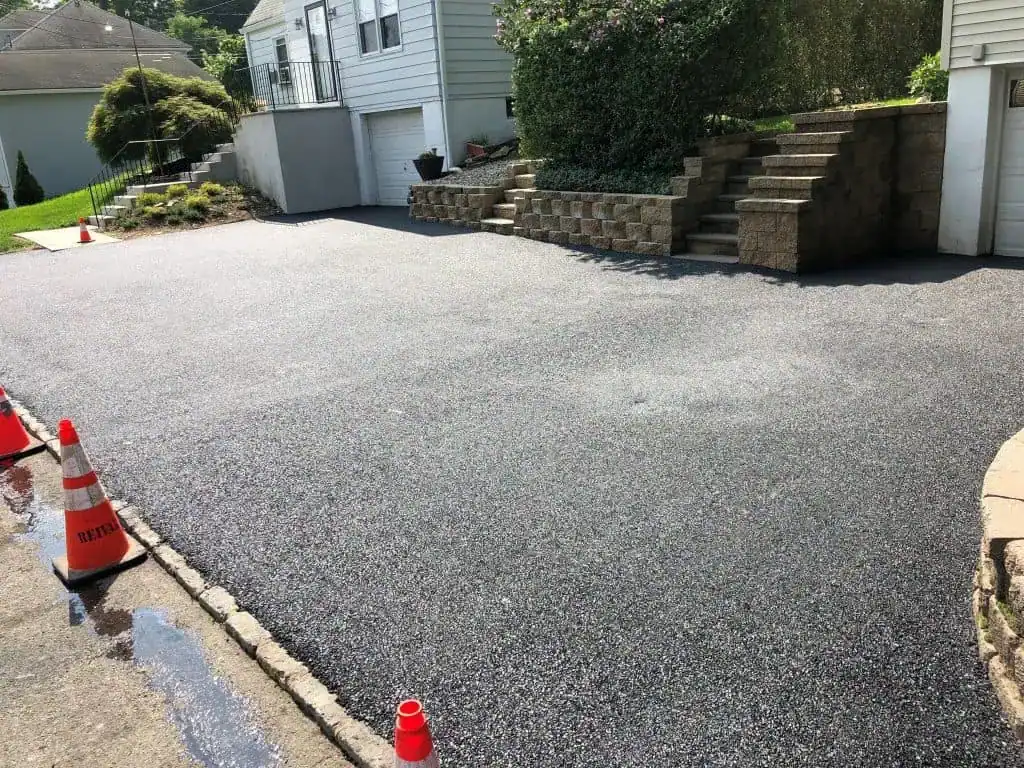
Plus, it looks better. Fresh sealcoating brings back that dark, clean appearance that makes your property look maintained and cared for.
We’ve spent over 20 years working on driveways across Morris, Sussex, and Somerset Counties. We know what New Jersey winters do to asphalt because we’ve seen it, fixed it, and prevented it hundreds of times.
We’re not the cheapest option in Voorhees, and that’s intentional. Contractors who undercut by 25% are usually cutting corners somewhere—watered-down materials, no insurance, or they’re not local and won’t be around when you need them. We use high-grade hot mix asphalt applied at the right temperature, and our sealcoating materials are professional-grade, not the stuff you find at a big box store.
You’ll get a callback within 24 to 48 hours when you request a quote. We show up when we say we will, we give you clear pricing upfront, and we don’t add surprise charges at the end.
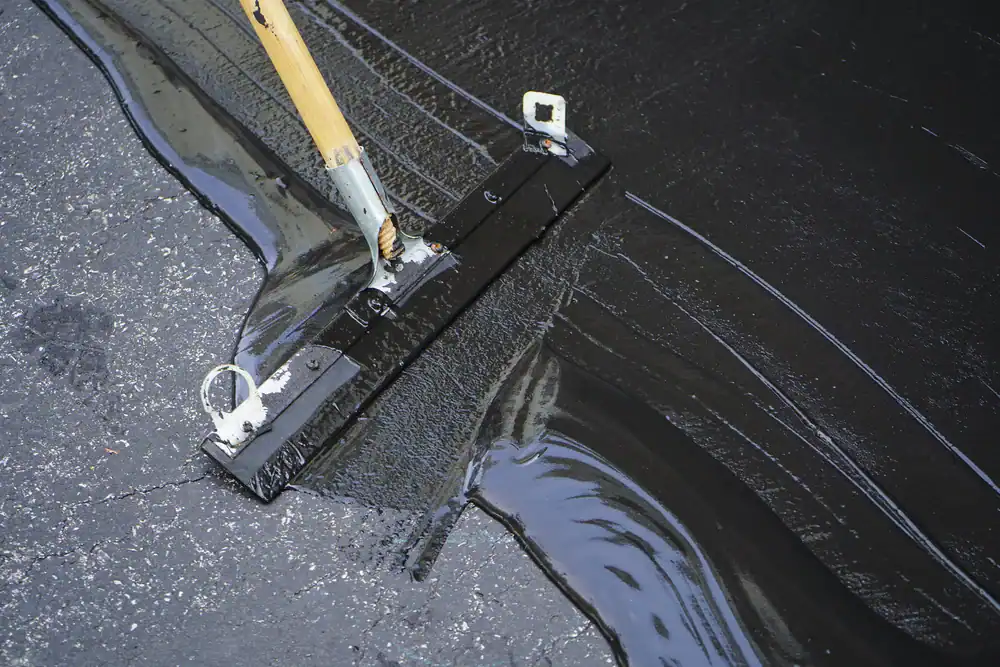
First, we clean the surface. Any dirt, debris, or vegetation gets removed because sealcoating won’t bond properly to a dirty driveway. We also fill any existing cracks—sealing over damage doesn’t fix it, it just hides it temporarily.
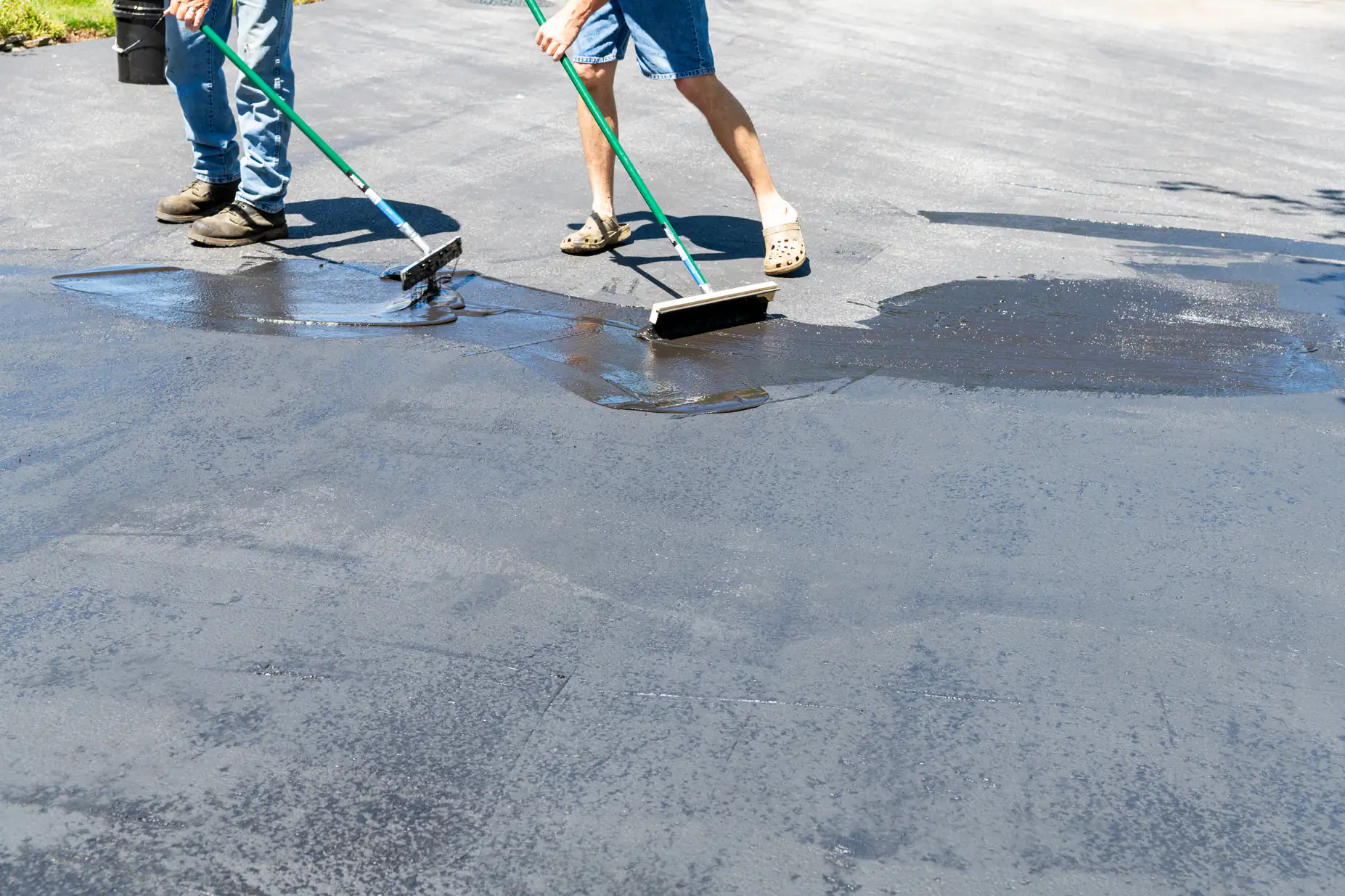
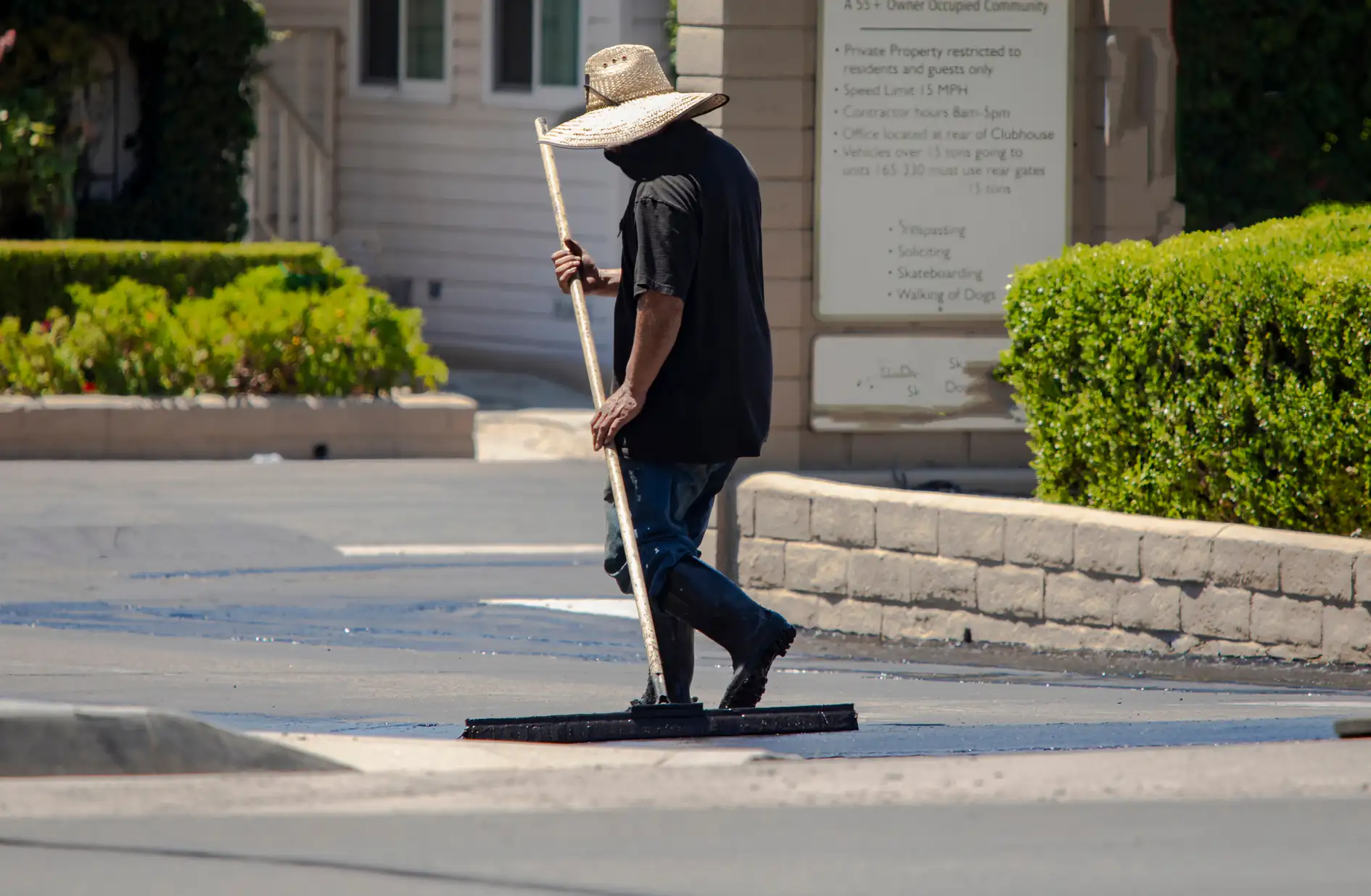
Next, we apply the sealcoat. Most residential driveways in Voorhees get two coats, which creates a thicker protective layer that lasts three to four years instead of one to two. The material needs to cure, which means you’ll stay off the driveway for 24 to 48 hours depending on temperature and humidity.
Timing matters. Fall is the best window for sealcoating in New Jersey. Temperatures are moderate, conditions are dry, and you’re getting your driveway protected right before winter arrives. Spring works too, but you’re playing catch-up at that point—any damage from the previous winter is already done.
The whole process takes a day for most driveways, and you’re back to normal use within two days. It’s straightforward, and when it’s done right, you won’t think about your driveway again until it’s time for the next application.
Ready to get started?
Sealcoating in Voorhees typically runs $0.15 to $0.40 per square foot. Most residential driveways cost between $150 and $500 depending on size and condition. New Jersey prices run about 15 to 20% higher than the national average because labor costs more here and our climate is harder on pavement.
That price includes surface cleaning, crack filling, two coats of professional-grade sealer, and proper curing time. If a contractor quotes significantly lower, ask what they’re skipping. Common shortcuts include one coat instead of two, no crack repair, or using diluted materials that won’t hold up.
You’re also paying for protection that saves you money long-term. A small crack you ignore this fall becomes a pothole by March. That $300 sealcoating job prevents a $1,500 repair project. Voorhees sees 40 to 50 freeze-thaw cycles every winter, and each one is an opportunity for water to get into your pavement and cause damage.
Sealed driveways are easier to maintain too. Snow removal is simpler, debris doesn’t settle into the surface, and you’re not constantly sweeping dirt out of cracks. The upfront cost pays for itself in reduced maintenance and extended lifespan.

Every three to four years is the standard recommendation for residential driveways in New Jersey. That timeline assumes you’re getting two coats of professional-grade sealer applied properly.
Some contractors will tell you to seal every year or two, but that’s overkill for most driveways and can actually cause problems. Too many layers of sealcoating can make the surface brittle and prone to cracking. You want protection, not buildup.
The three to four year window works because that’s how long quality sealcoating lasts under normal conditions in this climate. If your driveway gets heavy use or you’re seeing wear sooner, you might need to adjust that schedule. But for most Voorhees homeowners, sealing in fall every three to four years keeps the driveway in good shape without overdoing it.
Fall is your best option. September through early November gives you moderate temperatures, low humidity, and dry conditions—all of which help sealcoating cure properly.
You need temperatures above 50°F during application and for at least 24 hours after. You also need dry pavement and no rain in the forecast for a couple days. Fall weather in Voorhees usually cooperates. Spring can work too, but you’re dealing with more unpredictable conditions and you’ve already let your driveway go through winter unprotected.
Sealing in summer is possible but not ideal. High heat can cause the sealer to dry too fast, which affects how well it bonds to the asphalt. If you’re scheduling for summer, early morning applications work better than midday when temperatures peak above 90°F.
The goal is to get your driveway sealed before winter arrives so it enters the freeze-thaw season with full protection. That’s why fall scheduling makes the most sense for New Jersey homeowners.
You can do it yourself, but most homeowners end up spending more time and money than they save. We have the right equipment, materials, and experience to do the job efficiently.
DIY sealcoating usually means buying buckets of sealer from a hardware store and applying it with a squeegee or brush. The materials aren’t as durable as what we use, and application is harder than it looks. You need to clean the surface thoroughly, fill cracks properly, apply even coats, and avoid common mistakes like sealing over wet pavement or working in the wrong weather conditions.
We can seal a residential driveway in a few hours. DIY projects often take a full weekend, and if you mess up the application, you’re either living with poor results or paying someone to fix it. The cost difference isn’t as big as you’d think either—professional sealcoating for a typical driveway runs $300 to $500, and by the time you buy materials, tools, and spend your weekend on it, DIY doesn’t save much.
If your driveway has significant damage or drainage issues, hire us. Those problems need proper repair before sealcoating, and doing it wrong just wastes money.
No. Sealcoating protects the surface, but it doesn’t repair structural damage. Cracks need to be filled separately before sealcoating is applied.
This is a common misconception. Sealcoating creates a thin protective layer over the asphalt—it’s not thick enough to fill gaps or level out uneven areas. If you seal over cracks without filling them first, water still gets in and the damage continues underneath the sealer.
Proper crack filling uses a rubberized material that flexes with temperature changes and keeps moisture out. Once cracks are filled and cured, then we apply sealcoating over the entire surface. That combination gives you both repair and protection.
If your driveway has a lot of cracking or the cracks are wider than a quarter inch, you might need more than just filling and sealcoating. Deep or widespread damage often means there’s an issue with the base layer, and sealcoating won’t fix that. We’ll tell you when a driveway is beyond the point where sealcoating makes sense and needs more extensive repair or replacement.
You’ll need to stay off your driveway for 24 to 48 hours. The exact time depends on temperature, humidity, and how many coats were applied.
Warmer, drier conditions speed up curing. If it’s 70°F and low humidity, 24 hours is usually enough. Cooler or more humid weather pushes that closer to 48 hours. We’ll give you a specific timeline based on the forecast and conditions on the day of application.
Even after the surface feels dry, the sealer is still curing underneath. Avoid parking in the same spot for the first week, and don’t turn your steering wheel while the car is stationary—that can scuff the fresh sealcoating. Normal driving and foot traffic are fine after the initial curing period.
Rain is the biggest risk during curing. If it rains within the first 24 hours, it can wash away the sealer or cause streaking. That’s why we check the forecast carefully before scheduling. If unexpected rain is coming, we’ll reschedule rather than risk a bad application.
Fresh sealcoating can be slightly more slippery than unsealed asphalt when wet, but it’s not a safety hazard for normal use. The difference is minimal and goes away as the surface wears in over the first few months.
Some sealcoating products include additives that improve traction, especially for driveways on slopes or areas that get icy. If you’re concerned about slipperiness, mention it when you’re getting quotes. We can adjust the mix or application to address it.
The bigger slip risk is ice, not sealcoating. A sealed driveway actually helps with winter safety because the smooth surface is easier to clear of snow and ice. Unsealed driveways with cracks and rough patches trap moisture that freezes and creates uneven, slippery spots.
If your driveway feels unusually slick after sealcoating, it usually means too much sealer was applied or it wasn’t mixed properly. That’s rare with professional applications but common with DIY jobs where homeowners don’t follow product instructions carefully.