
Hear from Our Customers
Every winter in Somerville brings 55 to 75 freeze-thaw cycles. Water gets into the tiny cracks in your asphalt, freezes, and expands by 9%. Then it thaws and seeps deeper. This happens over and over, all season long.
By spring, those hairline cracks are wider. By next winter, they’re potholes. Within a few years, you’re not looking at a $300 sealcoating job anymore—you’re facing a full replacement that costs $3,000 to $10,000.
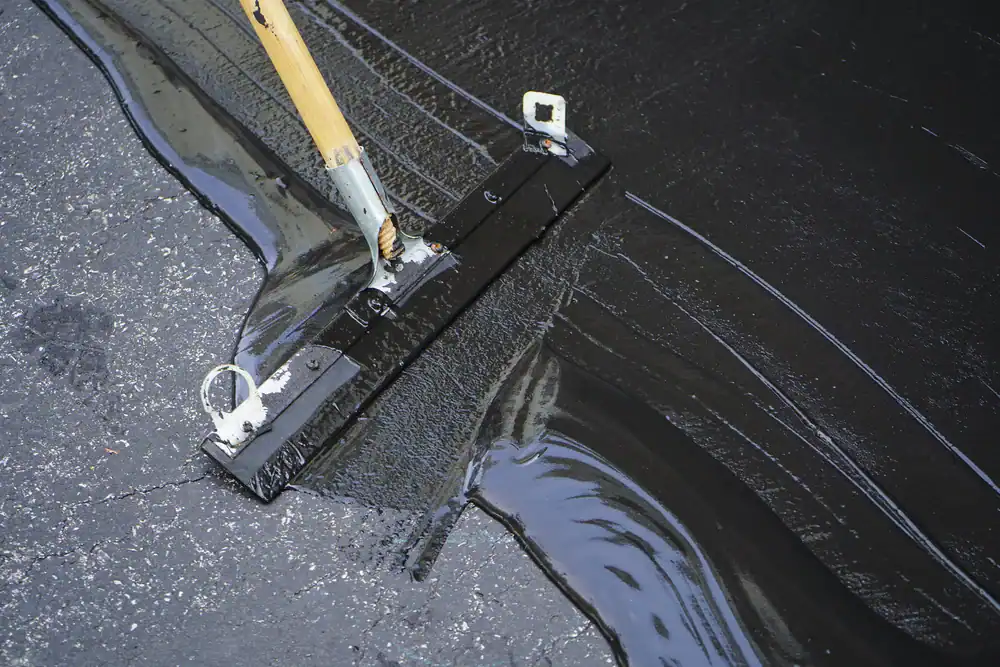
Sealcoating creates a protective barrier that keeps water out. It’s not just about making your driveway look black and fresh again, though it does that too. It’s about stopping the cycle before the damage gets expensive.
Most driveways in North Jersey last about 15 years without maintenance. With regular sealcoating every 2-3 years, you can push that to 25 years or more. That’s real money saved, and it’s why homeowners who understand asphalt don’t skip this step.
We work across Morris, Sussex, and Somerset Counties. We’re based here, we know the weather patterns here, and we’ve seen what happens to driveways that don’t get maintained.
When you call, you’ll get a callback within 24 to 48 hours. We’ll give you clear pricing upfront—no surprises, no upsells. We use high-grade materials applied at the right temperature, and we don’t cut corners to save 20 minutes.
Somerville homeowners deal with a specific set of challenges: older neighborhoods with mature trees, fluctuating temperatures, and high property values that demand curb appeal. We get it. Your driveway is one of the first things people see, and if it’s cracked and faded, it affects how your whole property looks.
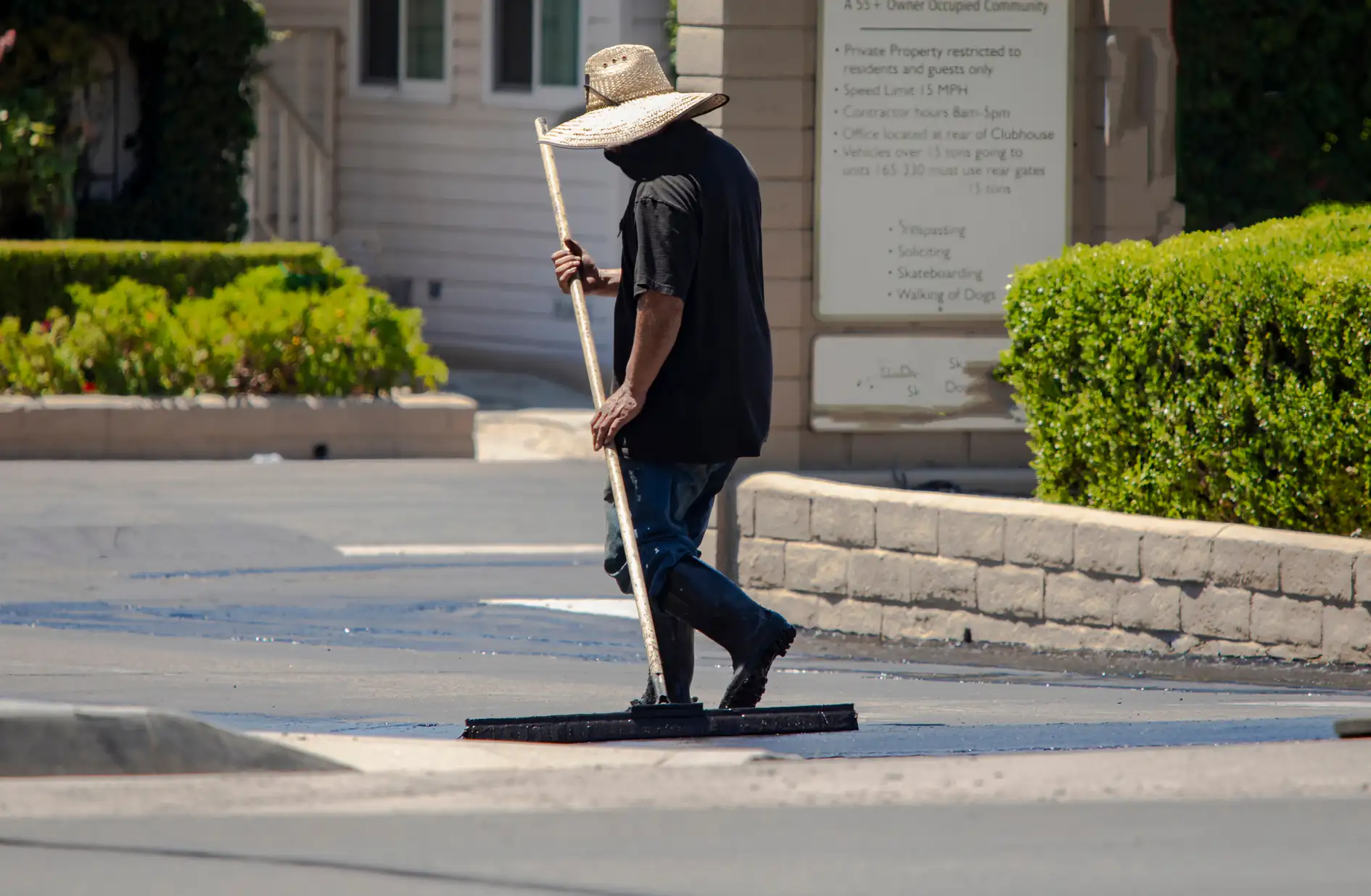
First, we clean the surface. That means power washing to remove dirt, oil, and debris. If the surface isn’t clean, the sealer won’t bond properly, and you’ll have peeling within a year.
Next, we fill the cracks. We use hot rubberized crack filler that stays flexible through temperature changes. This step is critical—if you seal over cracks without filling them, water still gets in.
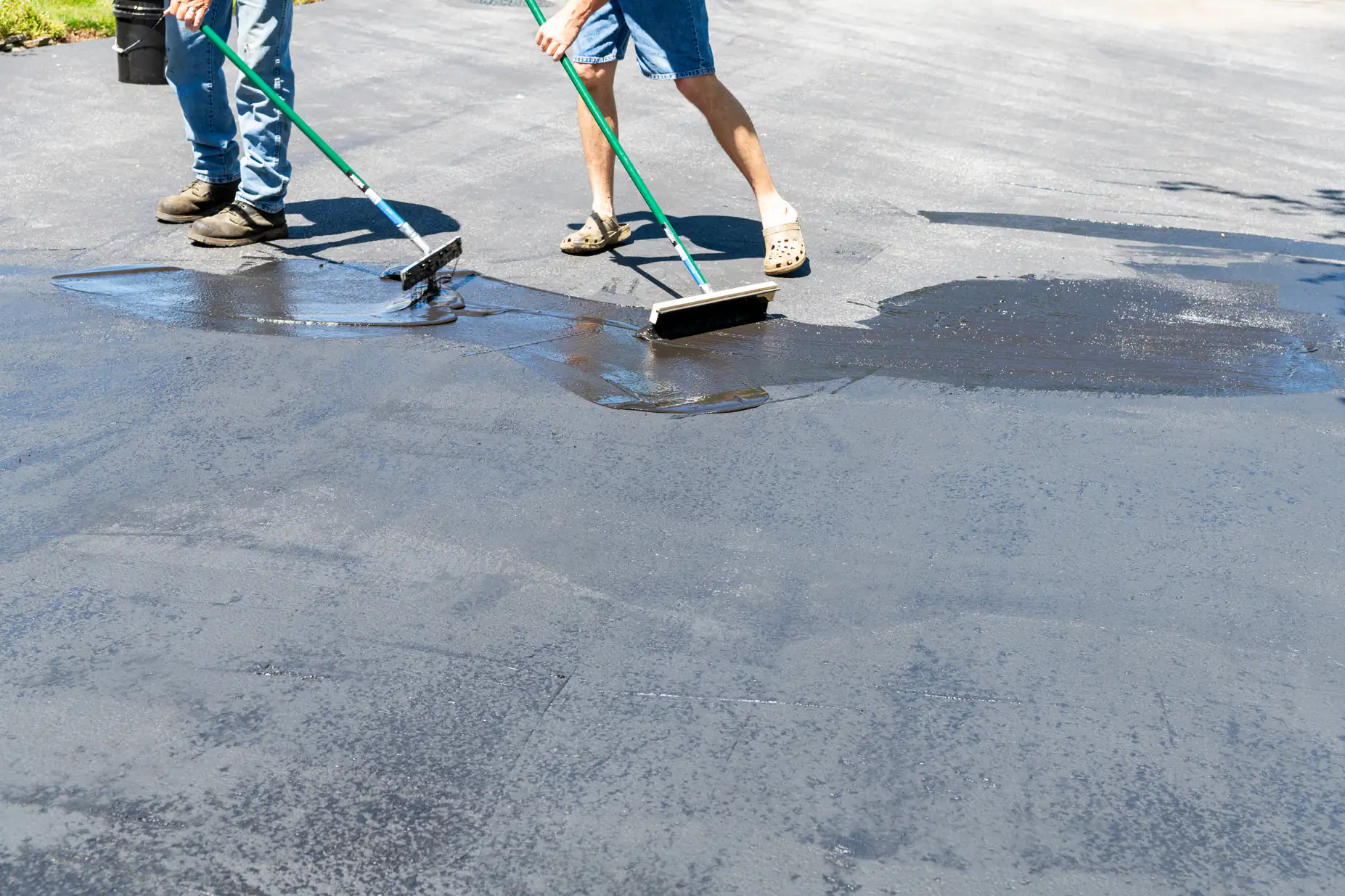
Then we apply two coats of premium coal tar or asphalt emulsion sealer. We add sand for traction and let each coat dry fully before applying the next. The whole process takes a day, sometimes two depending on weather and driveway size.
After that, you wait. We’ll tell you exactly how long before you can walk on it (usually 24 hours) and drive on it (48 to 72 hours). Rushing this part ruins the finish, so don’t.
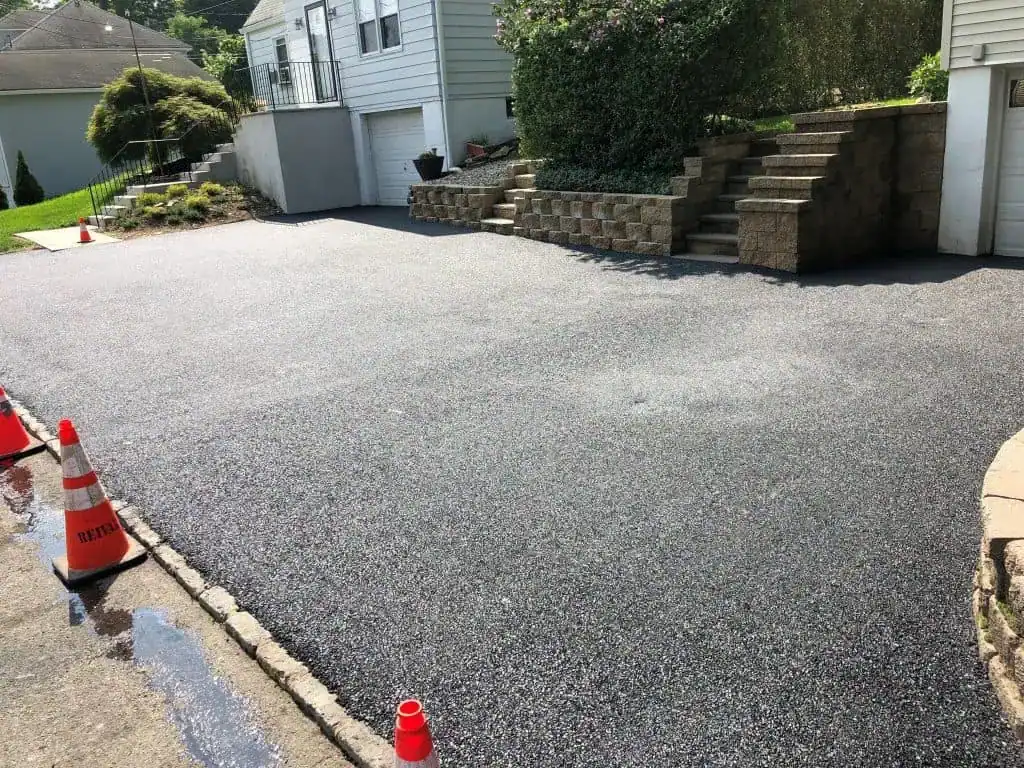
Once it’s cured, you’ve got a smooth, dark, water-resistant surface that’s protected for the next two to three years. That’s when you’ll want to do it again.
Ready to get started?
Most driveway sealcoating in Somerville runs between $200 and $500 for a standard two-car driveway—that’s roughly 400 to 600 square feet. The price includes cleaning, crack filling, and two coats of sealer with a sand additive for traction.
If your driveway is bigger, has significant damage, or needs extra prep work, the cost goes up. But even at the high end, you’re spending a fraction of what resurfacing costs (around $2,000) or replacement (up to $10,000).
Here’s what matters: the cost of sealcoating is around $0.15 to $0.40 per square foot. Compare that to $6 to $8 per square foot for removing and repaving, and you’ll see why this is one of the smartest maintenance moves you can make.
In Somerville specifically, we see a lot of driveways that are 15 to 30 years old. Many of them are original to the home. If yours hasn’t been sealed in the last few years—or ever—you’re already behind. The good news is that if the base is still solid, sealcoating can bring it back and buy you a lot more time before you need to think about replacement.

Every two to three years is the standard recommendation for most driveways in North Jersey. That timing assumes normal wear—two cars, regular use, no heavy trucks or equipment.
If your driveway gets more traffic, or if you’ve got a steep slope that channels water, you might want to do it closer to every two years. On the other hand, if it’s lightly used and you’ve been consistent with maintenance, stretching it to three years is fine.
The key is to look at the surface. If the color is fading to gray, if water isn’t beading up anymore, or if you’re starting to see small cracks, it’s time. Waiting too long means you’re back to paying for repairs instead of just maintenance.
No. New asphalt needs three to six months to cure before you seal it. This is one of the most common mistakes homeowners make, and it can actually damage the surface.
Fresh asphalt has oils in it that need to evaporate and harden. If you seal it too early, you trap those oils in, and the pavement stays soft. That leads to scuffing, tracking, and a finish that never fully hardens.
Your paving contractor should tell you this upfront. If they offer to seal it right away, that’s a red flag. Once your driveway has had a full summer to cure and settle, then you’re good to go.
Coal tar sealer is more durable and offers better protection against gas, oil, and UV damage. It’s been the industry standard for decades, especially in climates like ours where freeze-thaw cycles are brutal. It dries to a darker, harder finish.
Asphalt emulsion is a newer, more eco-friendly option. It’s water-based, has less odor, and is easier to apply. It doesn’t hold up quite as long as coal tar, but it’s still a solid choice, especially if you’re sensitive to the smell or have environmental concerns.
Both work. The decision usually comes down to your priorities—maximum durability or a gentler product. We can walk you through the pros and cons based on your specific driveway and how you use it.
Sealcoating protects the surface, but it doesn’t repair structural damage. If you’ve got cracks, we fill them before sealing. If you’ve got potholes, those need to be patched with hot asphalt first.
Think of sealcoating as a topcoat, not a fix. It keeps water out and prevents new damage, but it won’t make existing problems disappear. If your driveway has significant cracking or base failure, we’ll let you know during the estimate. Sometimes sealcoating isn’t enough, and you need a more involved repair.
That said, catching damage early and sealing regularly means you’re far less likely to end up with major issues. It’s all about staying ahead of it.
You can usually walk on it after 24 hours. Driving on it takes 48 to 72 hours, depending on temperature and humidity. Cooler or more humid conditions mean longer dry times.
We’ll give you a specific timeline based on the weather forecast when we do the work. The worst thing you can do is rush it. Driving on sealer that hasn’t fully cured leaves tire marks, scuffs the surface, and can peel up the coating.
Plan to park on the street for a couple of days. It’s a minor inconvenience, but it’s worth it to protect the finish and make sure the job lasts.
Not necessarily. As long as we have clear access to the driveway and any vehicles are moved, we can do the work while you’re at the office or out for the day.
We’ll walk the property with you beforehand to go over any concerns—sprinkler heads, landscaping, areas to avoid. Once we start, the process is pretty straightforward. We clean, fill, seal, and clean up after ourselves.
If you want to be there, that’s fine too. Some homeowners like to see the process and ask questions as we go. Either way works. We just need to make sure the driveway is clear and stays clear until it’s fully cured.