
Hear from Our Customers
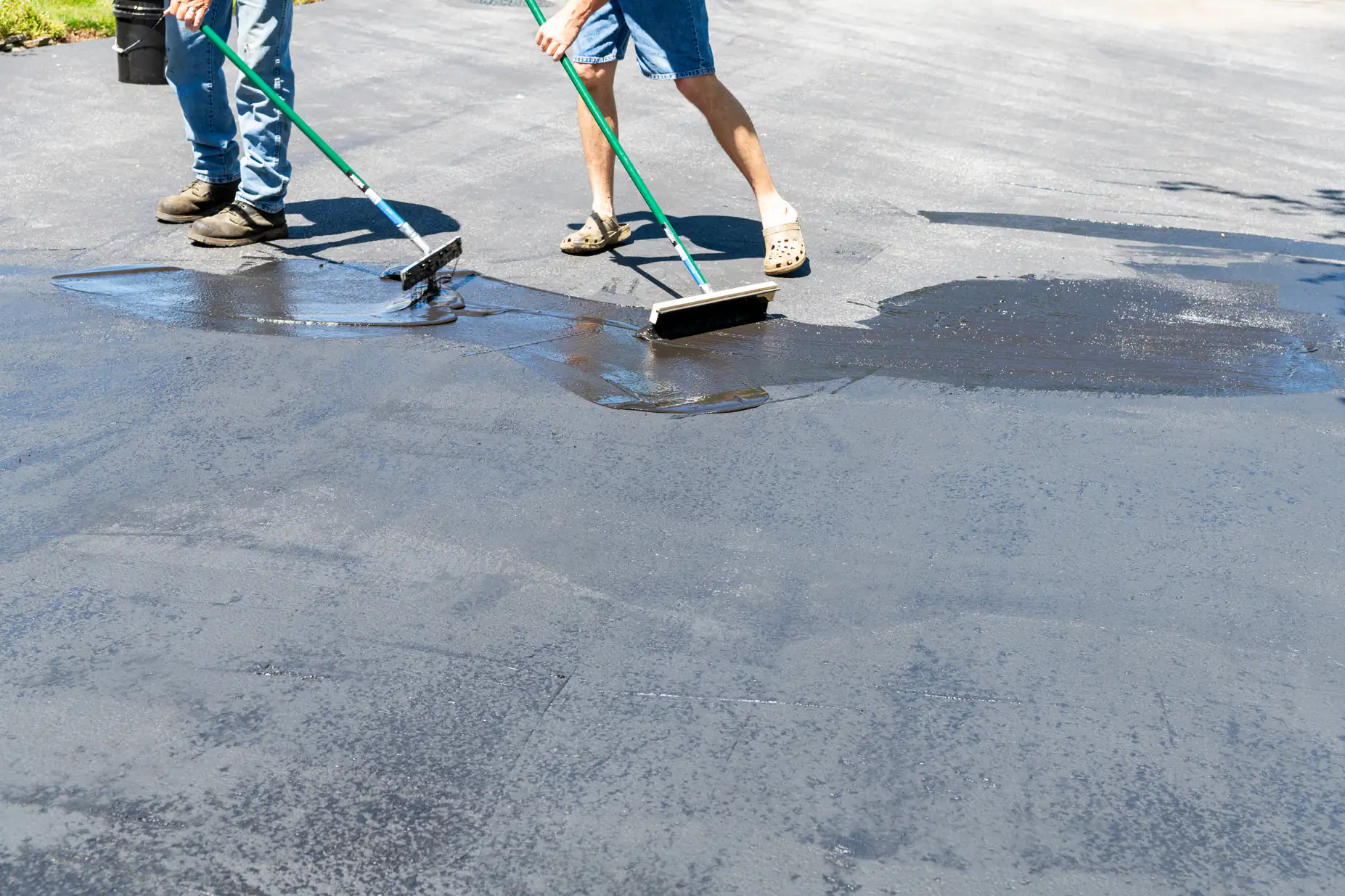
Here’s what happens without sealcoating: water seeps into tiny cracks during the day, freezes overnight, and expands. Ice takes up 9% more space than water—enough force to split rock, let alone asphalt. This happens 40 to 50 times every winter in Netcong, NJ and surrounding Morris County areas.
Each cycle turns hairline cracks into structural problems. By spring, you’re looking at potholes, crumbling edges, and repair bills between $2,000 and $5,000. Or worse—full replacement at $6 to $8 per square foot.
Driveway sealcoating creates a waterproof barrier that stops moisture before it penetrates. It blocks road salt, UV damage, and oil stains. A properly sealed driveway can last 25+ years instead of 15. That’s 10 extra years for a few hundred dollars every 3 to 4 years.
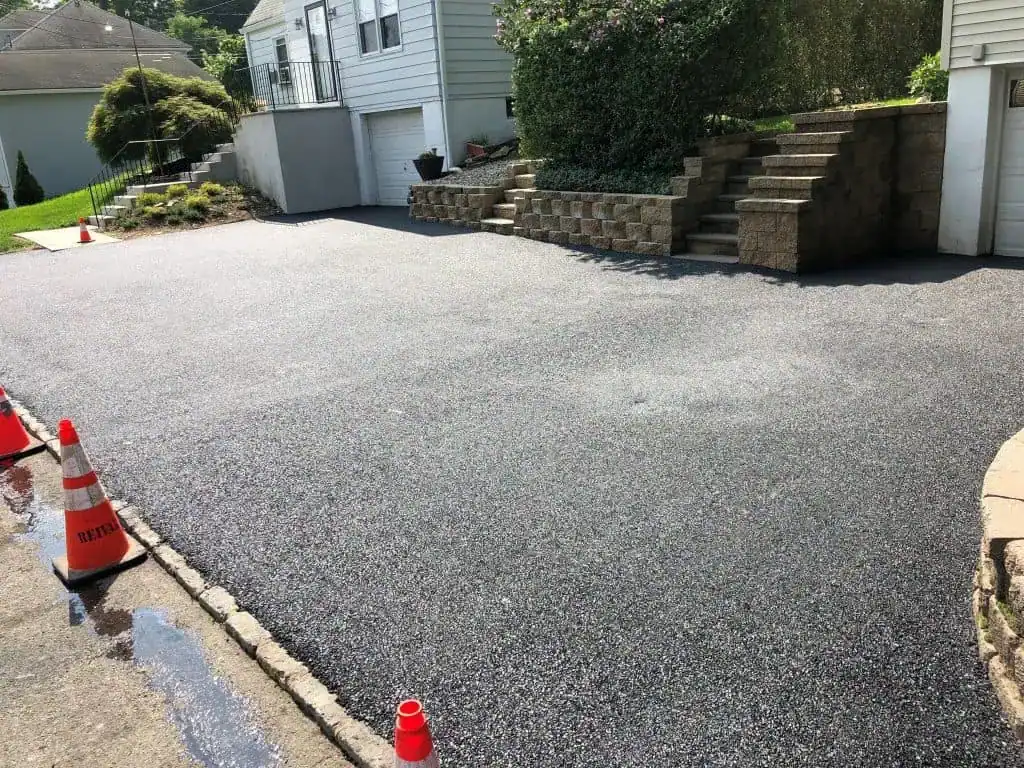
You also get the curb appeal back. Sealcoating transforms faded gray asphalt into a clean, matte black finish. It’s the first thing people see when they pull up to your home.
We’ve been working in Morris, Sussex, and Somerset Counties long enough to see what happens when homeowners skip maintenance. We’ve repaired driveways that could’ve been saved with timely sealcoating.
We’re based in Morris County, so we understand the local climate. The freeze-thaw cycles here are relentless. The road salt is corrosive. The summer heat is intense. Your driveway needs protection designed for these conditions, not a one-size-fits-all approach.
When you request a quote, you’ll hear back within 24 to 48 hours. No runaround. No surprise charges later. We show up when we say we will, use commercial-grade materials, and apply two coats because that’s what works in New Jersey.
First, we inspect your driveway for cracks, potholes, and drainage issues. Any crack wider than a quarter-inch gets filled with hot rubberized crack filler. This step matters—sealcoating won’t fix structural damage, it prevents it.
Next, we power wash the entire surface to remove dirt, oil, and debris. Sealant won’t bond to a dirty surface. We let it dry completely, usually 24 hours depending on weather.
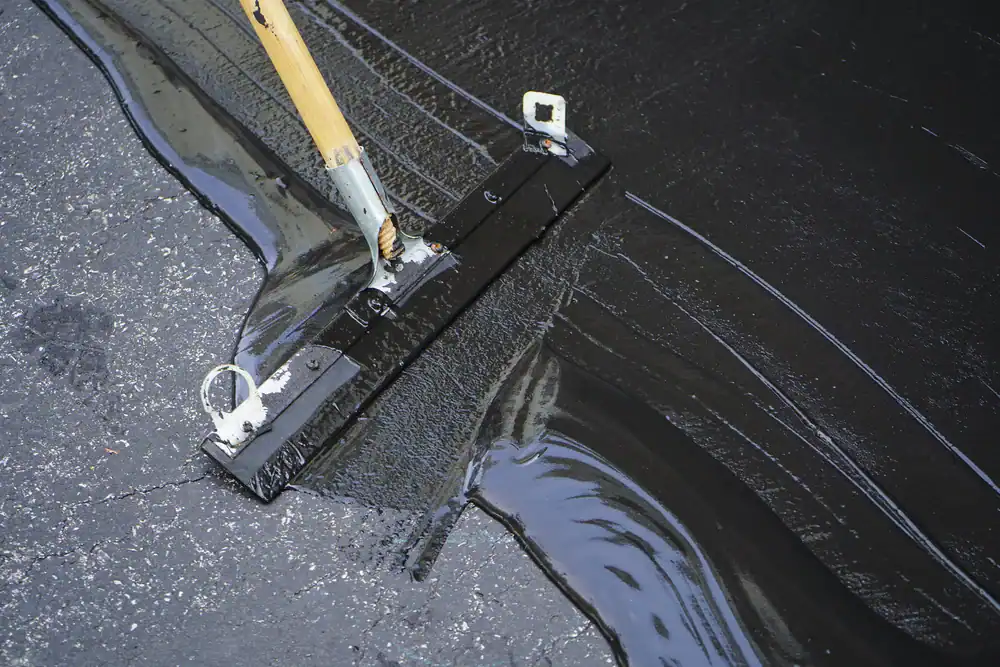
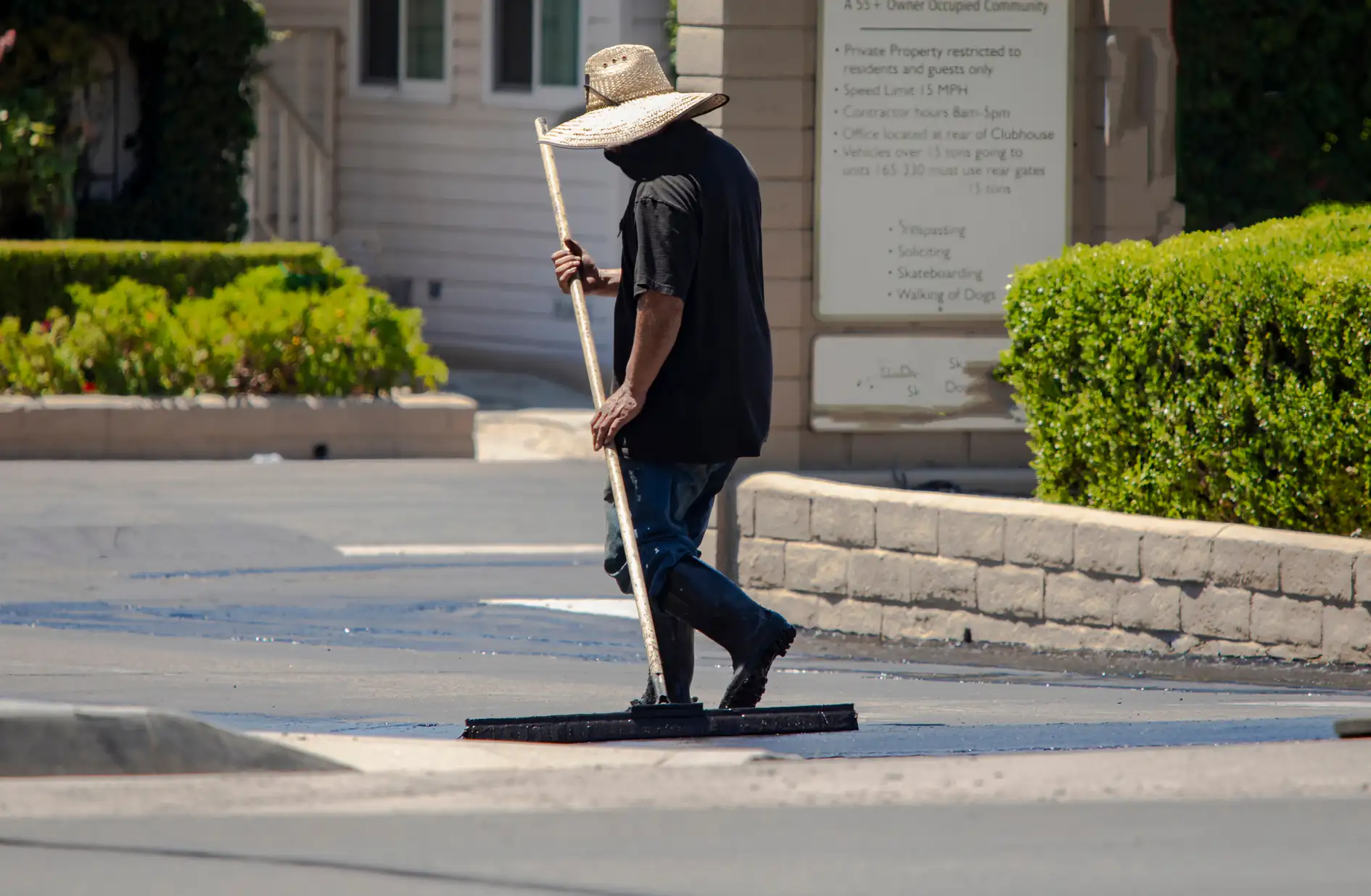
Then we apply the first coat of commercial-grade sealer using professional spray equipment. This isn’t the bucket-and-brush stuff from the hardware store. We’re using coal tar or asphalt emulsion sealer with sand additives for traction and durability.
After the first coat dries (usually 24 hours), we apply the second coat. Two coats are standard for New Jersey driveways because of our climate. Single-coat applications only last 1 to 2 years. Two coats last 3 to 4 years.
Finally, we let it cure for 48 hours before you drive on it. Temperature matters here—we only sealcoat when it’s between 50°F and 85°F with no rain in the forecast. That’s why late spring and early fall are the best windows.
Ready to get started?
Driveway sealcoating costs between $0.15 and $0.40 per square foot in New Jersey. A typical residential driveway runs $200 to $500 depending on size and condition. That’s about 15 to 20% higher than national averages because labor costs more here and our climate demands better materials.
Compare that to repairs. Fixing a cracked driveway costs $2,000 to $5,000. Repaving costs $6 to $8 per square foot. If your driveway is 500 square feet, that’s $3,000 to $4,000 for a full replacement.
You’re getting crack filling, power washing, two coats of commercial sealer with sand additives, and a 2-year warranty on workmanship. We’re not cutting corners with single coats or cheap materials. If someone quotes you 25% less, ask why. We all pay similar prices for materials, labor, and insurance. Lower prices usually mean shortcuts.
Timing matters too. Seal your driveway in the fall and it’s protected all winter. Wait until spring and you’re already dealing with damage instead of preventing it. The best time to seal is September or October when temperatures are stable and you’ve got months of protection ahead.

Every 3 to 4 years if you’re using a professional two-coat application. Some homeowners try to stretch it to 5 years, but that’s pushing it in Morris County.
Here’s why: our freeze-thaw cycles are brutal. Water is the enemy of asphalt, and sealcoating is your waterproof barrier. After 3 years, that barrier starts breaking down. By year 4, you’re losing protection.
If you’re doing it yourself with hardware store sealer, you’ll need to reseal every 1 to 2 years. Those products don’t have the same durability or thickness as commercial-grade sealers. You might save money upfront, but you’ll spend more time and money over the long run.
Late spring (May to June) or early fall (September to October). You need temperatures between 50°F and 85°F with no rain for at least 48 hours after application.
Fall is actually better than spring in New Jersey. Seal your driveway in September and it’s fully cured before winter hits. You get maximum protection during the freeze-thaw season. Spring applications work too, but you’re sealing after winter damage has already happened.
Avoid summer if it’s above 90°F. The sealer dries too fast and won’t bond properly. And obviously, don’t seal in winter. The sealer won’t cure in cold temperatures, and you’ll waste your money.
Concrete driveways need a different type of sealer than asphalt, but yes, sealing concrete is important too. Concrete is porous, so it absorbs water, salt, and chemicals just like asphalt does.
For concrete, we use a penetrating silane or siloxane sealer that soaks into the surface and creates a water-repellent barrier. It won’t give you that black finish like asphalt sealcoating does—it’s mostly invisible. But it protects against freeze-thaw damage, salt damage, and staining.
If you have a stamped or decorative concrete driveway, sealing is even more important. It protects the color and pattern from fading. We also fill cracks before we seal, because sealer poured over an open crack sinks in and the crack reopens the next winter.
Most residential driveways in Netcong, NJ cost between $200 and $500 to seal professionally. That includes crack filling, power washing, and two coats of commercial-grade sealer.
Price depends on size, condition, and access. A small 300-square-foot driveway might cost $150 to $200. A larger 800-square-foot driveway could run $400 to $500. If your driveway has a lot of cracks or needs significant prep work, expect to pay more.
DIY sealcoating costs $50 to $150 in materials, but you’re doing all the labor yourself and the results won’t last as long. You’ll also need to rent or buy equipment like a power washer and squeegee or sprayer. Most homeowners who try it once hire professionals the next time.
You need to stay off your driveway for 48 hours after the final coat. That’s the full cure time. Some sealers feel dry to the touch after 12 hours, but they’re not ready for vehicle traffic yet.
Driving on it too early leaves tire marks, ruins the finish, and reduces the sealer’s lifespan. If it’s hot and sunny, it might cure slightly faster. If it’s cool or humid, it might take longer.
Plan ahead. Schedule your sealcoating when you can park on the street or in a garage for two days. If rain is in the forecast within 48 hours of application, reschedule. Water will wash away uncured sealer and you’ll have to start over.
Because they’re cutting corners somewhere. Materials, labor, and insurance cost roughly the same for every contractor in Morris County. If someone is 25% cheaper, they’re either using inferior products, skipping prep work, or applying one coat instead of two.
Single-coat applications don’t last in New Jersey’s climate. Cheap sealers break down faster and offer less protection. Skipping crack filling means water still gets under the surface. No power washing means poor adhesion.
You’ll end up resealing sooner or dealing with damage that could’ve been prevented. The cheapest quote usually costs more in the long run. Look for contractors who explain what’s included, use commercial-grade materials, and guarantee their work.