
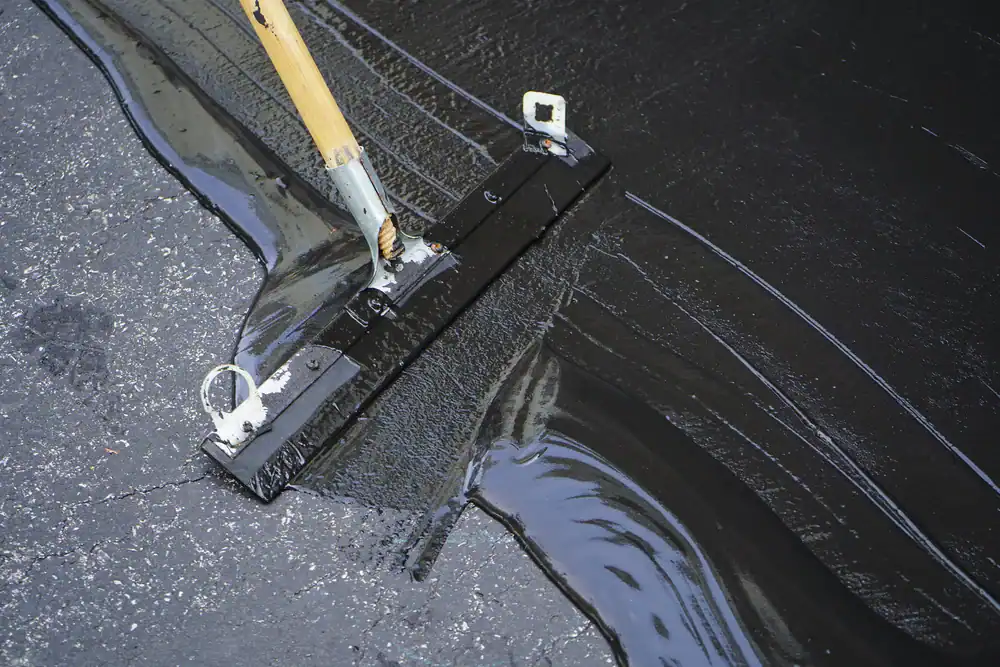
Hear from Our Customers
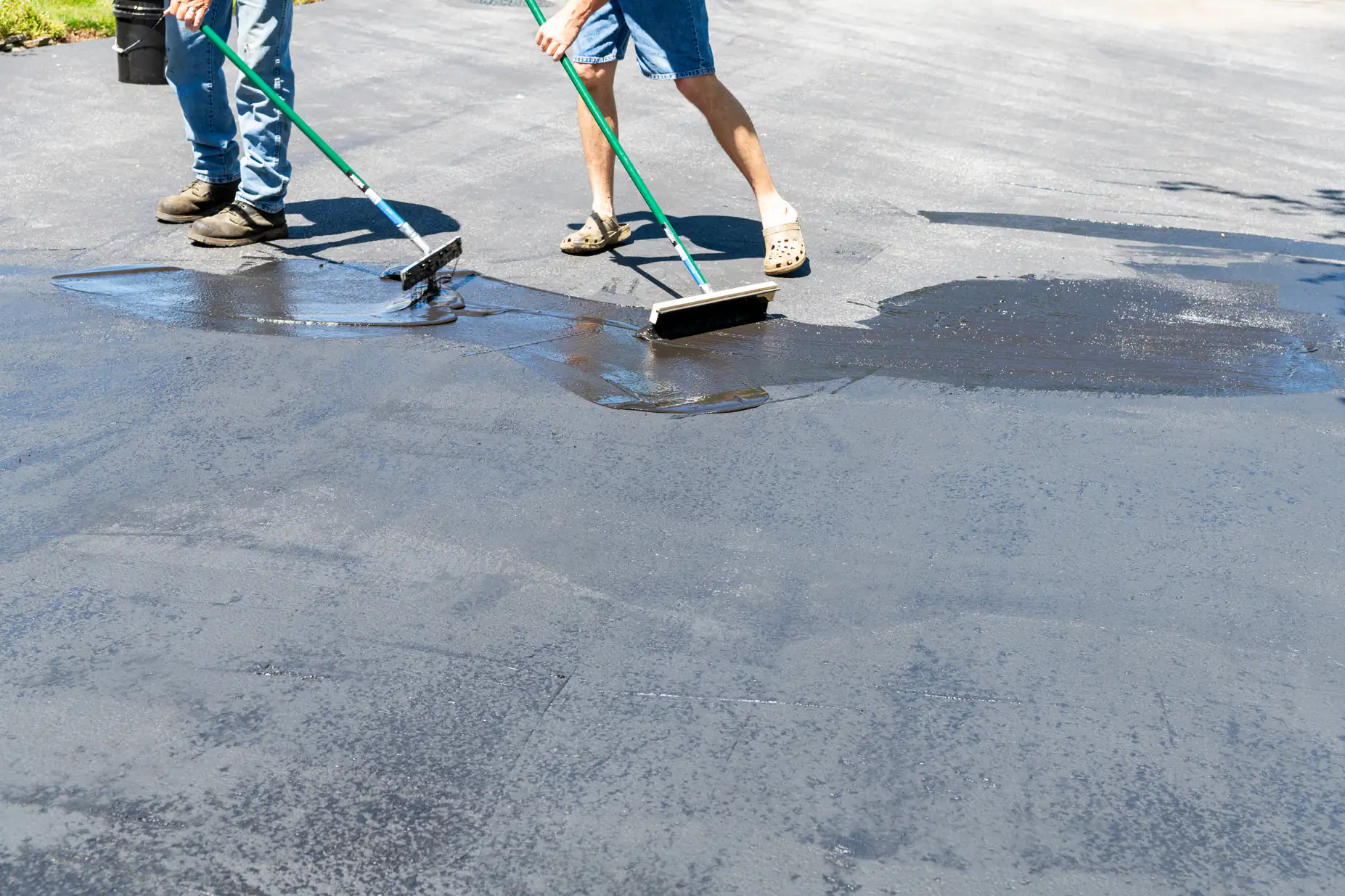
You’re looking at cracks that weren’t there last year. Maybe a few rough patches near the apron. Nothing catastrophic yet, but you know where this goes.
Water gets in. Temperatures drop. Ice expands those cracks by 9%. Then it thaws, and the cycle starts again. By spring, you’re dealing with potholes and base damage that costs thousands to fix properly.
Sealcoating stops that cycle before it starts. It creates a waterproof barrier that keeps moisture out, prevents freeze-thaw damage, and protects against oil stains and UV breakdown. Your driveway stays intact through winter instead of falling apart.
Most Middlebush driveways run between 400-600 square feet. Professional driveway sealing costs around $200-$300 for that size. Compare that to $4,000-$7,000 for replacement when the base fails. The math isn’t complicated.
You get 3-4 years of protection from a proper two-coat application. That’s multiple winter seasons where you’re not worrying about what’s happening under the snow.
We’ve worked in Somerset County long enough to know exactly what winter does to asphalt around here. We’re not guessing about climate conditions or using generic approaches that work in milder areas.
We’re a third-generation, family-owned operation based in Morris County. That means we’re still here when you need us, and we’re not cutting corners to hit quotas for some national franchise.
Our crews know Middlebush. We’ve sealed driveways on every street in this area, and we understand the specific challenges your property faces. Freeze-thaw cycles hit hard here. Road salt from Route 527 gets tracked onto driveways all winter. Your asphalt needs protection designed for these exact conditions.
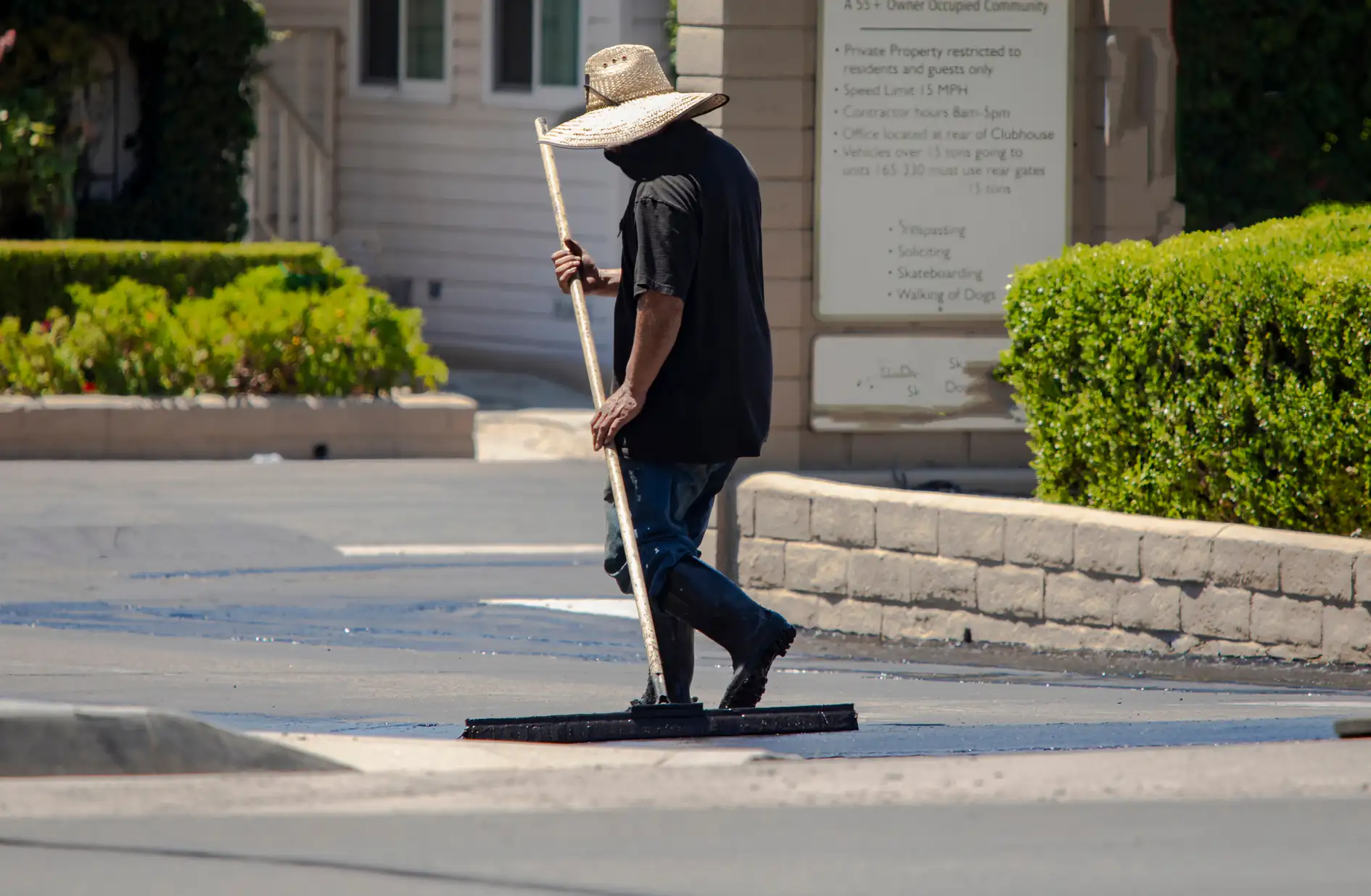
We start with power washing to remove dirt, oil, and debris. You can’t seal over contamination and expect it to bond properly. This step matters more than most homeowners realize.
Next comes crack filling. We include up to 50 linear feet of crack repair in every job because sealing over open cracks is pointless. We fill them with rubberized crack filler that flexes with temperature changes instead of cracking out the first time it freezes.
Then we apply two coats of commercial-grade sealer with a sand additive for traction. The first coat penetrates and bonds. The second coat provides the protective layer that does the actual work. Most driveway sealer companies only apply one coat to save time and material costs. That’s why their jobs only last 1-2 years instead of 3-4.
We let each coat cure properly before applying the next. Rush this process and you get a subpar result that fails early. The entire job takes about a day for most residential driveways, and you can drive on it 24-48 hours after we finish.
You’ll see the difference immediately. Fresh sealcoating makes asphalt look brand new. More importantly, you’ll feel the difference when you’re not dealing with spring damage that could have been prevented.
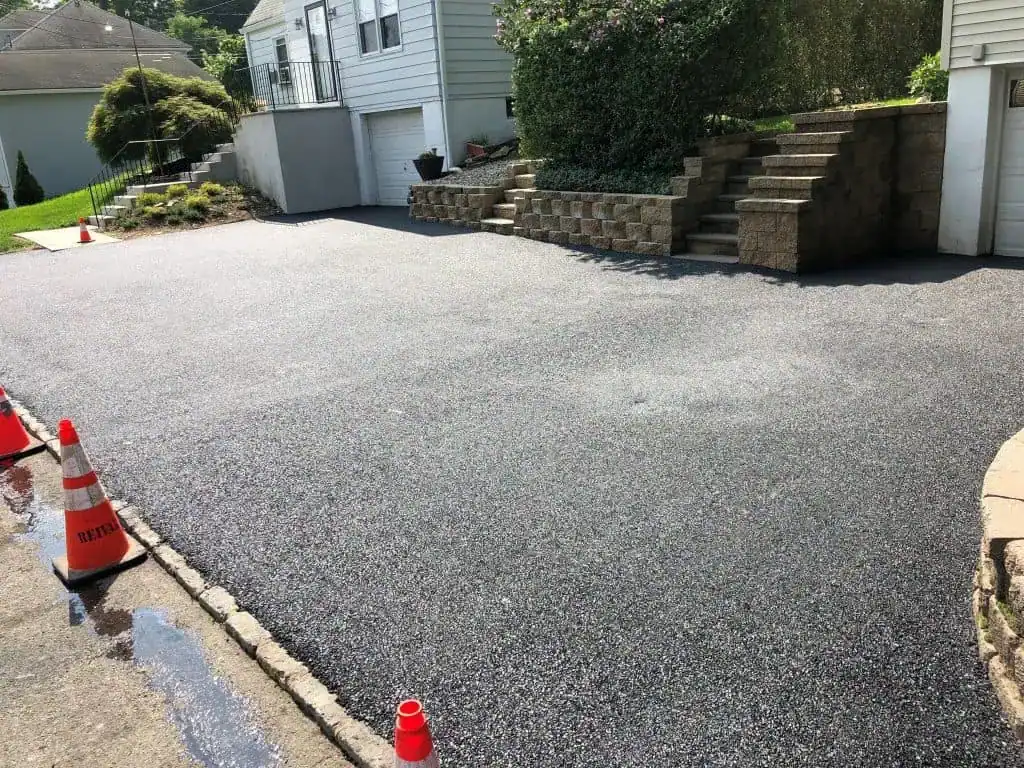
Ready to get started?
Every sealcoating job includes power washing, crack filling up to 50 linear feet, two coats of premium sealer with sand additive, and a 2-year warranty. That’s the complete package, not a base price that balloons once we show up.
The cost of asphalt sealing in Middlebush typically runs $0.15-$0.40 per square foot depending on condition and size. A standard 500 square foot driveway costs around $250-$300. Larger driveways or those needing extensive crack repair run higher, but you’ll know the exact price before we start.
Somerset County properties face specific challenges that affect longevity. You’re dealing with freeze-thaw cycles from November through March. Road salt exposure from county maintenance. UV damage during summer months. All of this breaks down asphalt faster than it would in milder climates.
That’s why we use commercial-grade sealers specifically formulated for New Jersey conditions. The material cost is higher, but it actually holds up through multiple seasons instead of failing after one winter.
You’re also getting local expertise that matters. We know when to schedule around weather. We understand soil conditions in this area and how they affect base stability. We’ve seen what works and what fails, and we only do what works.

A proper two-coat application lasts 3-4 years in this area. That’s realistic for New Jersey’s freeze-thaw cycles, not some optimistic estimate based on milder climates.
Single-coat jobs only last 1-2 years because they don’t provide enough protection. You’ll see wear patterns by the second winter, and you’re back to square one. That’s why we only do two-coat applications even though it costs us more in materials and time.
The lifespan also depends on traffic and maintenance. A driveway with two cars driving on it daily wears faster than one with light use. Keeping it clean and avoiding harsh chemicals helps extend protection. But even with heavy use, you should get three full winters before needing to reseal.
Fall is ideal. You want temperatures consistently above 50°F during application and curing, with no rain in the forecast for 24-48 hours. September and October usually offer the best conditions.
Sealing in fall means your driveway enters winter fully protected. The sealer has time to cure properly before the first freeze, and you’re not scrambling to get it done between spring rains. Spring sealing works too, but you’re often racing against unpredictable weather and dealing with damage that already happened over winter.
Avoid sealing in summer heat above 90°F. The sealer dries too fast and doesn’t bond properly. You also can’t seal new asphalt until it’s cured for at least 90 days. Fresh asphalt needs time to harden and release oils before sealcoating will adhere correctly.
Material quality and application method. Big box store sealers are watered-down versions of what we use. They’re designed for easy application by homeowners, not maximum protection.
Professional-grade sealers have higher solids content and better additives. We also use commercial equipment that applies material evenly at the right thickness. Brush or squeegee application by hand leaves thin spots and uneven coverage that fails early.
The bigger difference is preparation. Most DIY jobs skip proper cleaning and crack filling because it’s tedious work. You end up sealing over problems instead of fixing them first. That’s why DIY sealcoating often looks good initially but fails within a year. You’re not saving money if you have to redo it twice as often.
Professional sealcoating costs $200-$500 for most Middlebush driveways. Full replacement costs $4,000-$8,000 depending on size and base condition. Repairing significant damage falls somewhere in between, usually $1,500-$3,000 for patching and resurfacing.
The cost difference is dramatic, but here’s what matters more: timing. Sealcoating prevents damage when your driveway is still in good shape. Repairs happen after damage occurs, and you’re often fixing problems that could have been avoided.
Insurance rarely covers weather-related driveway damage, so you’re paying out of pocket either way. Spending a few hundred dollars every 3-4 years makes more financial sense than spending thousands on emergency repairs. It’s basic maintenance economics, not a sales pitch.
Yes, as long as the cracks aren’t structural. Surface cracks under half an inch wide can be filled and sealed effectively. Wider cracks or areas where the base is failing need repair before sealcoating will help.
We fill cracks with rubberized filler that flexes with temperature changes. Regular crack filler hardens and pops out during freeze-thaw cycles. Rubberized material moves with the asphalt and stays in place.
If you’re seeing alligator cracking (interconnected cracks that look like reptile skin) or significant settling, sealcoating won’t fix the underlying problem. Those issues indicate base failure that needs structural repair. We’ll tell you honestly if your driveway is past the point where sealing makes sense. There’s no point in your spending money on a temporary fix when you need actual repairs.
If your asphalt is more than 90 days old and hasn’t been sealed in the last 3-4 years, yes. Waiting until you see damage means you’re already behind.
Asphalt starts breaking down from UV exposure and oxidation as soon as it’s installed. You don’t see it immediately, but the surface is becoming brittle and porous. Once water penetrates, freeze-thaw damage accelerates fast.
Think of sealcoating like changing your oil. You don’t wait until the engine sounds bad. You do it on schedule because prevention is cheaper than repairs. Your driveway works the same way. Seal it while it’s still in good condition, and it stays that way much longer.