
Hear from Our Customers
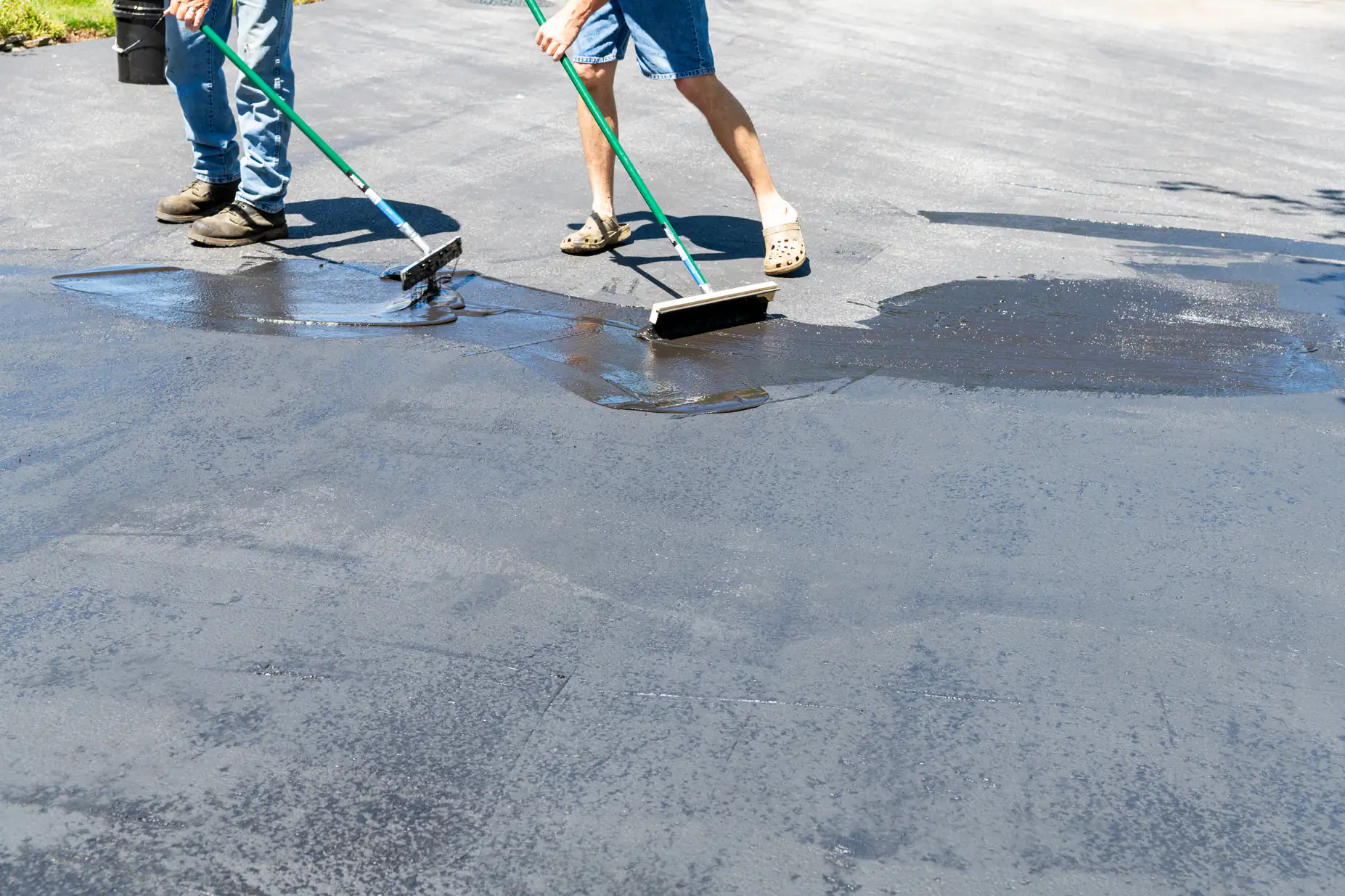
You get a protective barrier that blocks water, road salt, and UV damage before they turn into expensive problems. That’s the whole point.
When water seeps into tiny cracks and freezes, it expands by about 9%. That pressure widens cracks and creates new ones. Every freeze-thaw cycle makes it worse. Sealcoating stops that cycle before it starts.
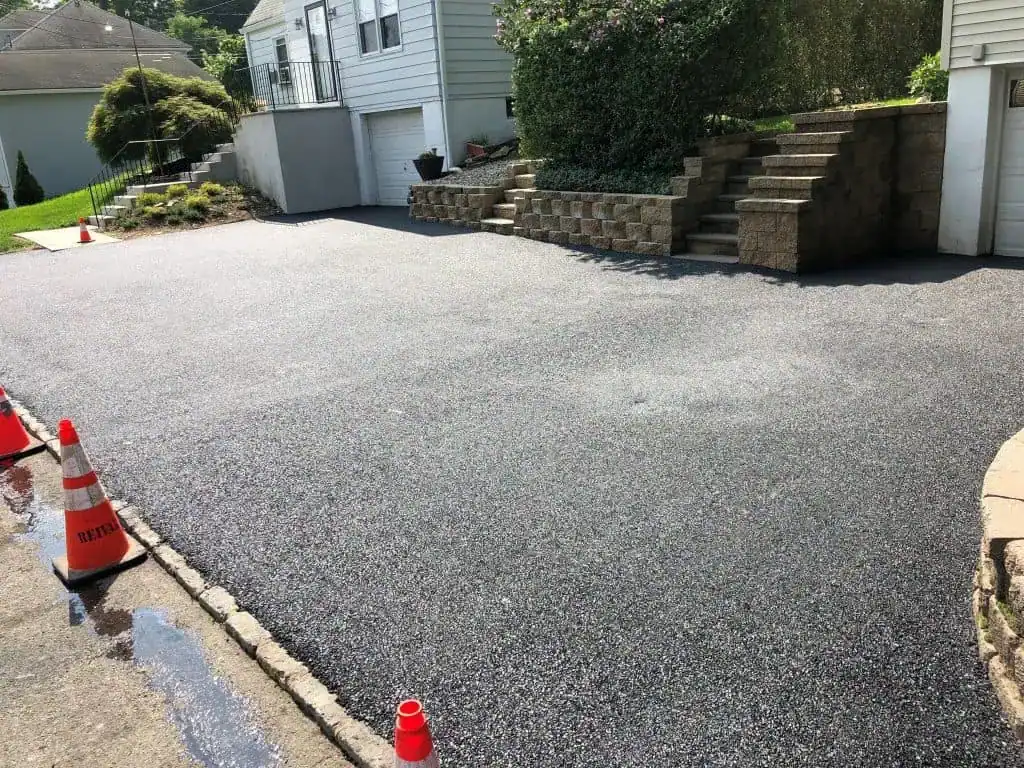
The cost difference is massive. A $300 sealcoating job today can prevent a $5,000 repaving job three years from now. You’re also getting a driveway that looks new again—sleek, matte black finish instead of faded grey—which matters if you care about how your property looks from the street.
Most Hillsborough driveways last 15 to 20 years when maintained properly. Skip the maintenance and you’re looking at major repairs or full replacement in half that time. The math isn’t complicated.
Platinum Paving is a third-generation, family-owned contractor serving Morris, Somerset, and Sussex Counties for over 20 years. We’re not new to this, and we’re not experimenting on your driveway.
We’re grounded in Morris County. We know what winter does to asphalt here. We know the freeze-thaw cycles, the road salt damage, the spring surprises that come from skipping fall maintenance. That local knowledge matters when you’re choosing who to trust with a job that affects your property value.
We’re BBB accredited, fully licensed and insured, and we offer a 5-year warranty on our work. We also guarantee a callback within 24 to 48 hours when you request a quote online. Clear pricing, no surprises, and we show up when we say we will.
First, we power wash the entire surface to remove dirt, debris, and anything that would prevent the sealer from bonding properly. Clean asphalt is critical—sealer won’t stick to a dirty surface.
Next, we fill cracks up to 50 linear feet. This step matters because sealing over unfilled cracks doesn’t fix them. Water will still get in. We’re addressing the damage before we protect against future damage.
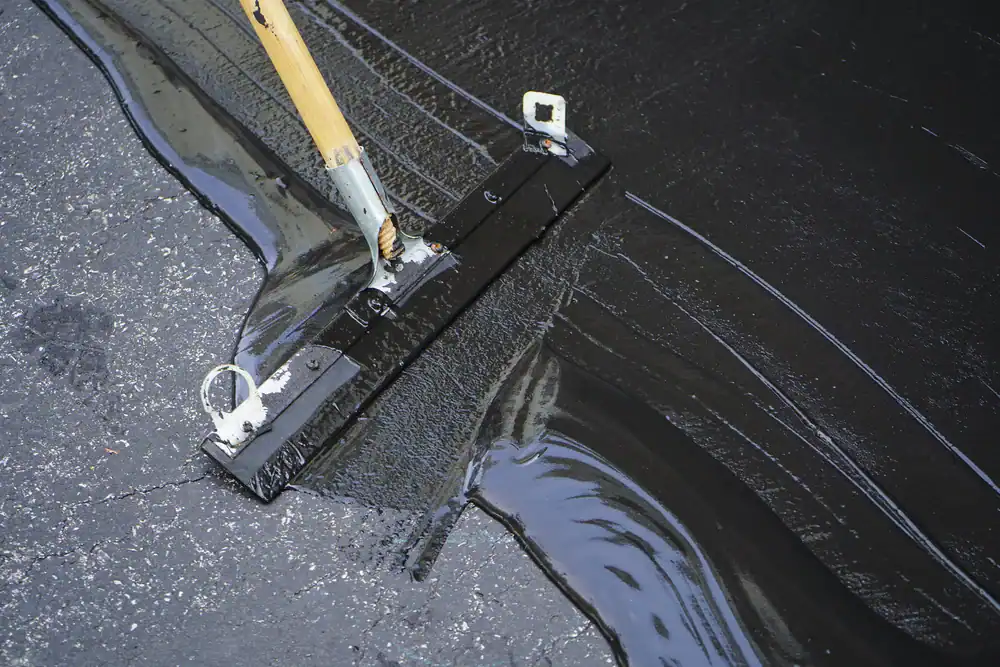
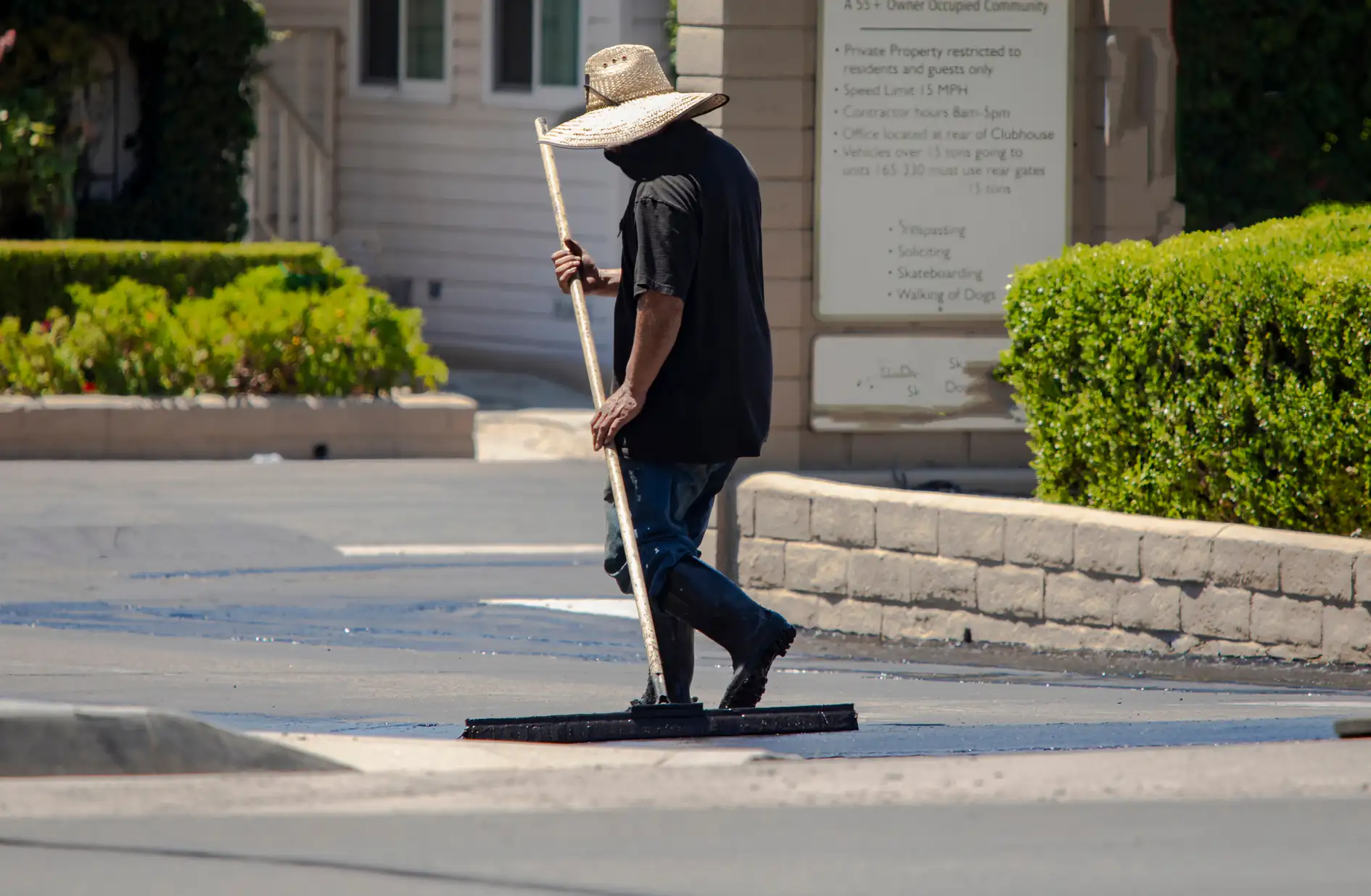
Then we apply two coats of professional-grade sealer. Not the stuff you buy at a hardware store—commercial-grade material that’s designed to withstand UV radiation, harsh weather, and chemical spills. We also add a sand additive for traction, so your driveway isn’t slick when wet.
The whole process takes about a day, depending on the size of your driveway. You’ll need to stay off it for 24 to 48 hours while it cures. After that, you’ve got a protected surface that’s ready for whatever winter throws at it.
Ready to get started?
Sealcoating in Hillsborough typically runs between $150 and $500 for most residential driveways, depending on size and condition. New Jersey prices run about 15% to 20% higher than the national average because of higher labor costs and the extra wear our climate puts on asphalt.
You’re paying for professional-grade materials that last longer and perform better than consumer products. You’re also paying for experience—knowing the right binder grades and aggregate characteristics for New Jersey’s temperature swings, understanding how to prep the surface correctly, and applying the sealer at the right thickness.
Fall is the best time to sealcoat in Hillsborough. The temperatures are ideal for curing, and you’re getting ahead of winter damage instead of reacting to it in spring. By the time everyone else is calling for repairs, you’re already protected.
We include everything in our service: power washing, crack filling, two coats of sealer, sand additive, and a 2-year warranty on the sealcoating work. No hidden fees. No surprises. Just clear pricing and quality work that extends your driveway’s life by as much as 200% to 300% with normal wear and tear.

Every two to three years is the standard recommendation for driveways in Hillsborough and the surrounding Morris County area. That timeline can shift depending on how much traffic your driveway sees, how exposed it is to sun and weather, and what condition it’s in right now.
If your driveway gets heavy use—multiple vehicles, frequent turning, commercial traffic—you might need to sealcoat closer to every two years. Light residential use with good drainage can stretch to three years.
The key is not waiting until you see major damage. By the time cracks are obvious, water’s already getting into the base layer. Sealcoating is preventive, not reactive. You’re protecting the asphalt before it needs expensive repairs.
You’re setting yourself up for freeze-thaw damage, which is the main reason driveways fail in New Jersey. Water seeps into small cracks, freezes when temperatures drop, and expands by about 9%. That expansion creates pressure that widens existing cracks and forms new ones.
Every freeze-thaw cycle makes the damage worse. What starts as hairline cracks in the fall becomes potholes and base damage by spring. At that point, you’re not looking at a $300 sealcoating job—you’re looking at $1,500 in repairs or potentially tearing up entire sections of your driveway.
This past winter, NJDOT repaired over 21,000 potholes after the coldest January on record and a storm that dumped 17 inches of snow across North Jersey. Your driveway faces the same conditions. Sealcoating before winter is the difference between protection and expensive spring repairs.
Professional sealcoating typically lasts two to three years in New Jersey’s climate, assuming it’s applied correctly and the driveway is in decent shape to begin with. The lifespan depends on weather exposure, traffic, and how well the surface was prepped before sealing.
New Jersey’s freeze-thaw cycles, road salt, UV exposure, and humidity all work against asphalt. Sealcoating creates a barrier that slows down that deterioration, but it’s not permanent. That’s why regular maintenance every two to three years is critical.
If you’re seeing fading or the surface is starting to look grey instead of black, it’s time to reseal. Waiting too long means you lose the protective barrier, and damage accelerates quickly. The goal is to stay ahead of the wear, not catch up to it after cracks form.
You can buy sealant at a hardware store and do it yourself, but the results won’t match what a professional contractor delivers. The materials are different, the prep work is more involved than most people realize, and application technique matters more than you’d think.
Consumer-grade sealants are thinner and less durable than commercial products. They don’t hold up as well to New Jersey winters, and they wear out faster. Professional contractors use higher-grade materials designed for heavy weather exposure and chemical resistance.
Surface prep is where most DIY jobs fail. If the driveway isn’t completely clean, if cracks aren’t filled properly, or if the sealer is applied unevenly, you’re wasting time and money. A bad sealcoating job can actually trap moisture and make damage worse. We have the equipment, experience, and materials to do it right the first time.
We include power washing, crack filling up to 50 linear feet, two coats of professional-grade sealer, sand additive for traction, and a 2-year warranty on the sealcoating work. Everything you need to protect your driveway is part of the package.
Power washing removes dirt, oil, and debris so the sealer bonds properly. Crack filling addresses existing damage before we seal. Two coats ensure even coverage and maximum protection. The sand additive gives you traction when the surface is wet, which matters for safety.
We also guarantee a callback within 24 to 48 hours when you request a quote online. Pricing is clear and upfront—no hidden fees or surprise charges. We’re a third-generation, family-owned company with over 20 years of experience in Morris County, and we’re fully licensed, insured, and BBB accredited.
Fall is the best time to sealcoat in Hillsborough and throughout Morris County. Temperatures are ideal for curing—not too hot, not too cold—and you’re getting ahead of winter damage instead of dealing with it after the fact.
Sealcoating in the fall gives the sealer time to cure properly before the first freeze. That means your driveway is protected when the freeze-thaw cycles start. If you wait until spring, you’re reacting to damage that’s already happened over the winter.
Spring is also when demand spikes. Everyone who skipped fall maintenance is calling for repairs. By then, you’re paying more and waiting longer. Fall sealcoating means you’re protecting your investment before the damage happens, and you’re avoiding the spring rush.