
Hear from Our Customers
Every winter in Highland Lakes brings 60 to 80 freeze-thaw cycles. Water seeps into tiny cracks, freezes overnight, expands by 9%, then thaws the next day. That cycle repeats dozens of times, turning hairline cracks into quarter-inch gaps, then potholes.
Sealcoating stops that process before it starts. You get a protective barrier that keeps water out, blocks UV damage, and handles the temperature swings that destroy untreated asphalt. The difference shows up in year three when your neighbor’s driveway needs patching and yours still looks sharp.
The cost difference matters too. A typical driveway sealcoating job in Highland Lakes runs $300 to $500. Full replacement? You’re looking at $4,000 to $8,000 depending on size and access. Sealcoating every two to three years is the most cost-effective maintenance you can do for asphalt.
We’ve worked in Morris and Sussex County since the early 2000s. We know what Highland Lakes weather does to asphalt because we’ve repaired the damage when homeowners wait too long. We’ve also maintained driveways that are still holding strong after 15 years because the owners stayed ahead of it.
You get transparent pricing with no surprise charges. You get a 5-year warranty on the work. You get contractors who are licensed, insured, and accountable—not a crew that disappears after the check clears. We’re BBB accredited with a 4.5-star rating because we show up, do the work right, and stand behind it.
Highland Lakes properties deal with unique drainage challenges, from rolling hills to lakefront locations. We factor that into every job instead of treating your driveway like a flat suburban slab.
First, we assess your driveway’s current condition. We look at drainage patterns, measure the surface, check for existing damage, and discuss what you’re dealing with. You get a written estimate that breaks down materials, labor, and timeline before any work starts.
Prep work matters more than most homeowners realize. We clean the surface thoroughly, remove vegetation from cracks, and repair any structural damage. Sealant won’t fix a failing base, so we address those issues first. If your driveway needs patching or crack filling, that happens before sealing.
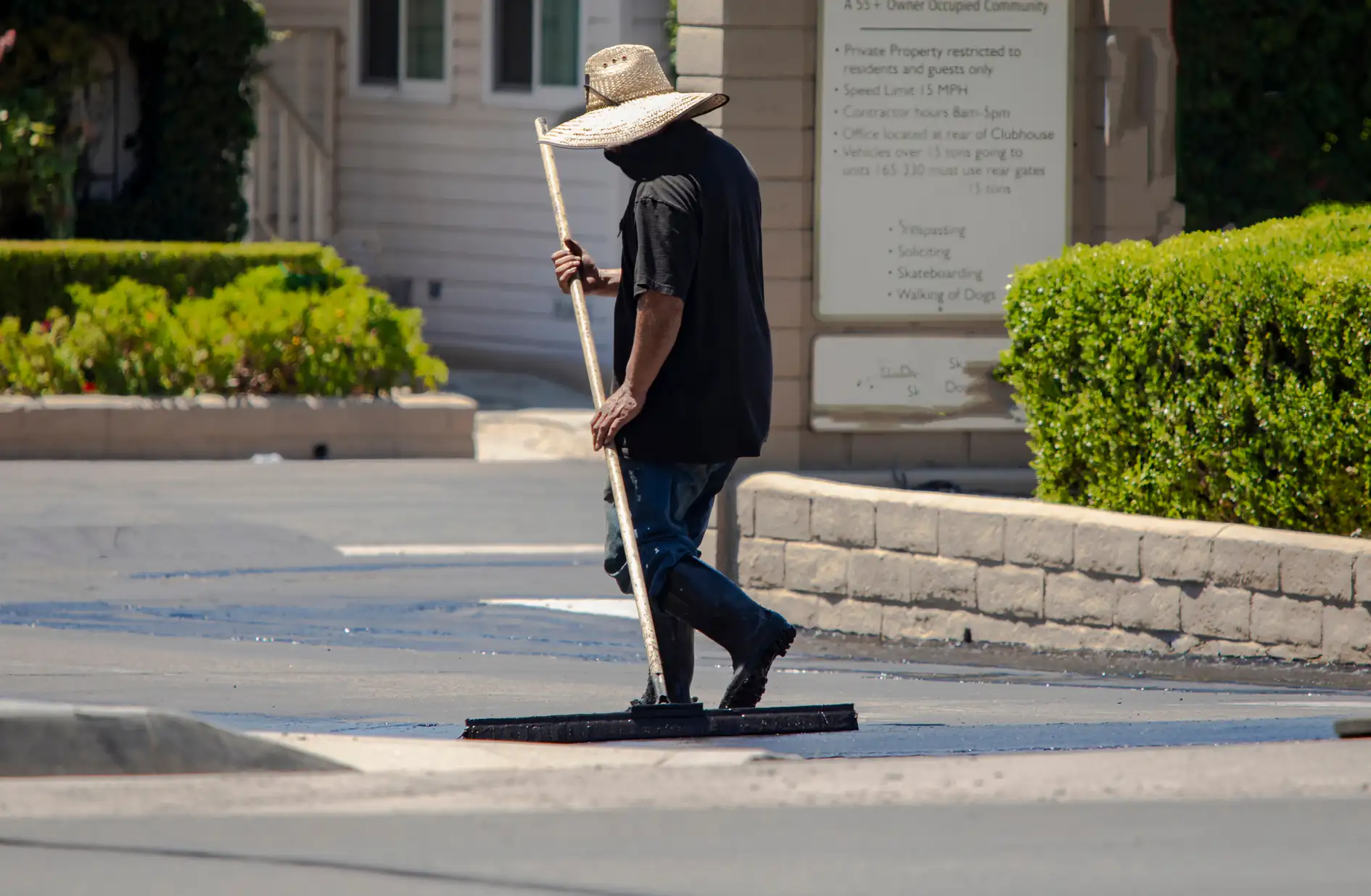
Application timing depends on weather. Asphalt needs to be dry, and temperatures need to stay above 50°F for at least 24 hours after application. We use commercial-grade sealants designed for northern climates—not the bargain-bin products that fail after one winter. Two coats go down with proper drying time between them.
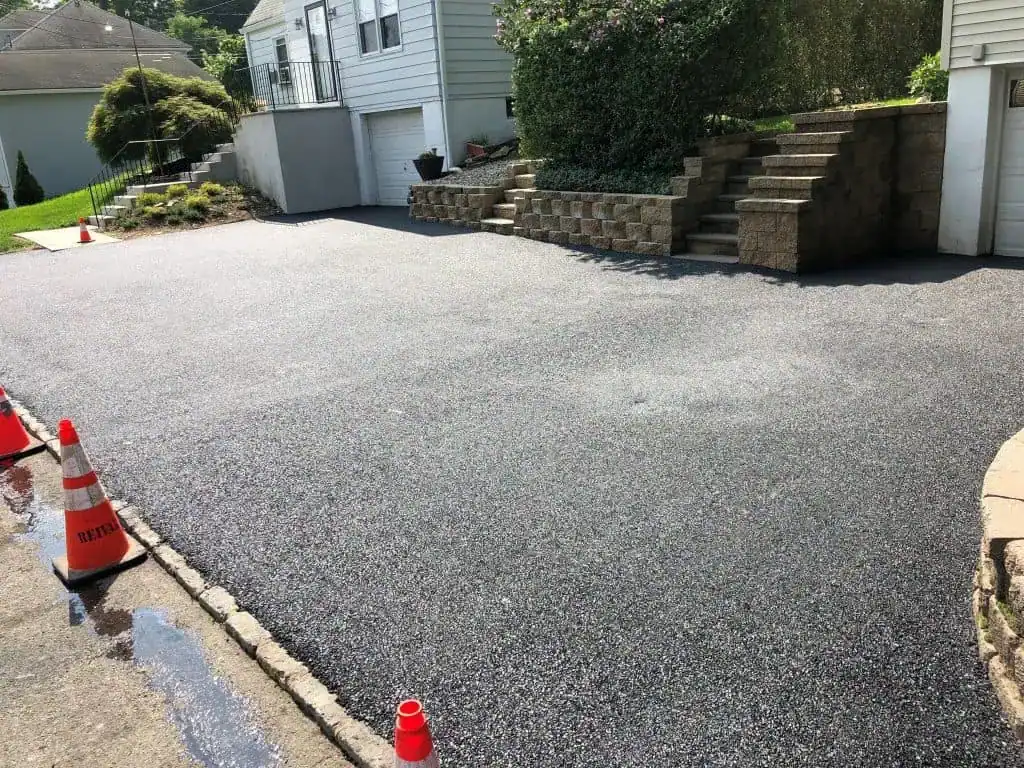
Curing takes 24 to 48 hours depending on conditions. You stay off the driveway during that window. After that, you’re good to go with a surface that’s protected for the next two to three years.
Ready to get started?
Surface preparation includes power washing to remove dirt, oil stains, and debris. We edge along garage doors, walkways, and landscaping to keep clean lines. Crack filling happens before sealant goes down—we use hot rubberized crack filler for anything wider than a quarter inch.
The sealant itself is coal tar or asphalt emulsion depending on local regulations and your preference. Some municipalities in New Jersey restrict coal tar due to environmental concerns, so we work within those guidelines. Both products protect against water infiltration and UV damage when applied correctly.
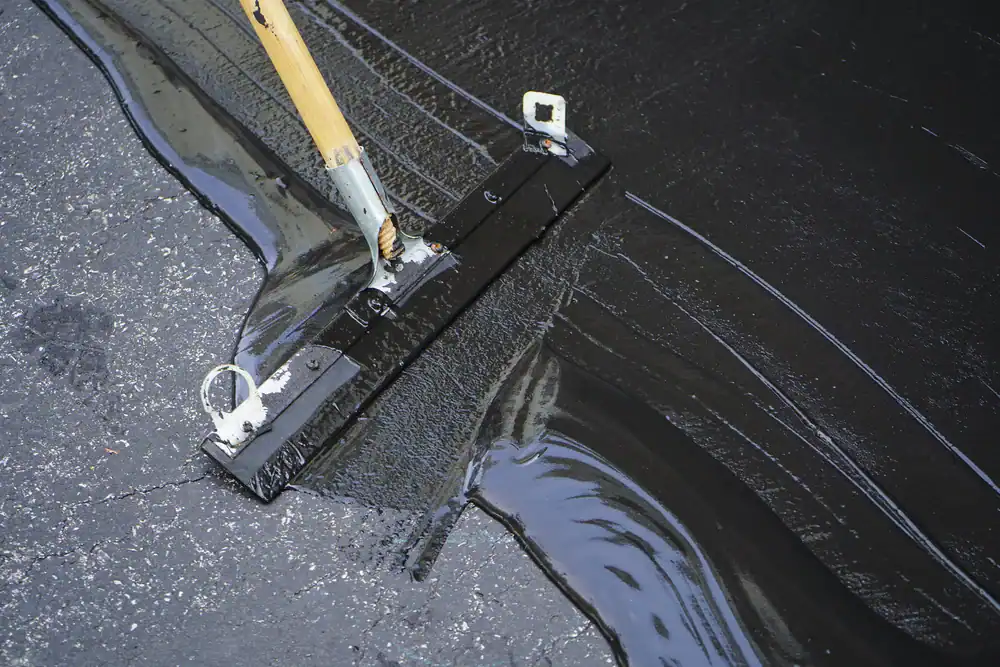
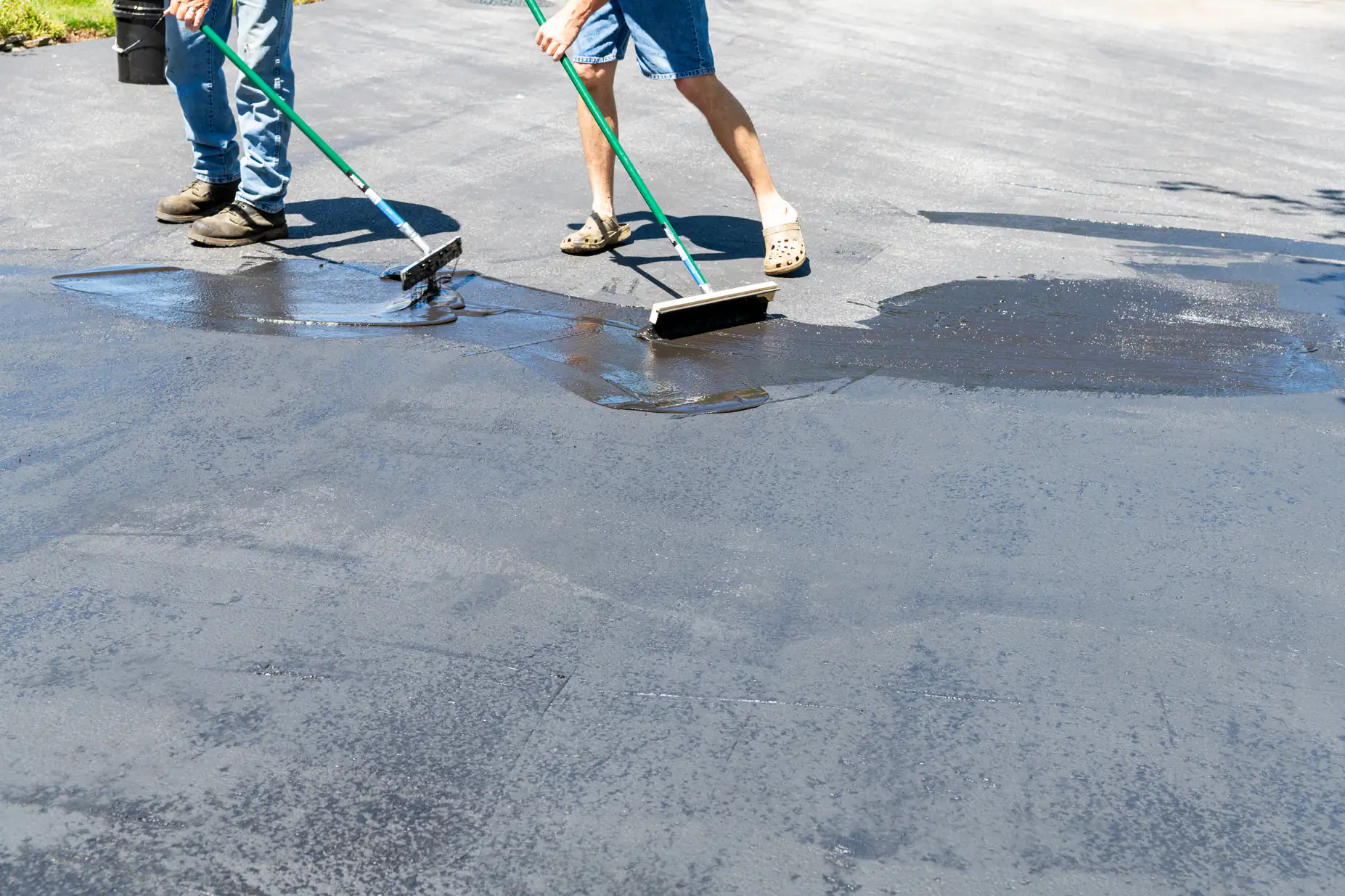
You get two coats applied with commercial spray equipment. Brush or squeegee application works for small areas, but spray coverage is more consistent for full driveways. We mask off areas you don’t want sealed and protect adjacent surfaces from overspray.
Highland Lakes driveways face specific challenges that don’t exist in flatter parts of Morris County. Steep grades mean water runs faster, which can erode edges if drainage isn’t right. Lakefront properties deal with higher humidity and more vegetation. We adjust our approach based on what your property needs, not a one-size-fits-all checklist.

Most residential driveways in Highland Lakes run between $300 and $500 for professional sealcoating. That price covers surface cleaning, crack filling, two coats of commercial-grade sealant, and proper curing time. Larger driveways or properties with significant damage cost more because there’s more prep work involved.
Price varies based on square footage, current condition, and access. A steep driveway requires more careful application than a flat one. Heavily cracked asphalt needs repair before sealing, which adds to the total. We give you a written estimate after assessing your property so you know exactly what you’re paying for.
The cost of not sealing adds up faster. Driveway replacement in Sussex County runs $4 to $8 per square foot. A 500-square-foot driveway costs $2,000 to $4,000 to replace. Sealcoating that same driveway every three years costs under $200 per year when you average it out.
Every two to three years is the standard recommendation for Highland Lakes driveways. That frequency keeps the protective barrier intact through multiple freeze-thaw cycles without letting water infiltration start the damage process.
Some driveways need more frequent sealing depending on exposure. South-facing driveways get more UV damage, which breaks down sealant faster. High-traffic areas wear through the coating sooner than driveways that only see a couple cars per day. Shaded driveways under heavy tree cover stay damp longer, which can reduce sealant lifespan.
You can tell it’s time to reseal when water stops beading on the surface. Fresh sealcoating repels water. When water soaks in instead of running off, the protective layer is gone. Fading color is another sign—rich black asphalt that’s turned gray needs attention.
Late spring through early fall is the ideal window for sealcoating in Highland Lakes. You need consistent temperatures above 50°F during the day and night for at least 48 hours after application. The sealant won’t cure properly in cold weather, and early frost can ruin a fresh coat.
We schedule most sealcoating jobs between May and October. Early summer is often the sweet spot—warm enough for proper curing but not so hot that the sealant dries too fast. Extreme heat can cause application problems, and you don’t want to seal right before a rainy stretch.
New asphalt needs time to cure before sealing. If you just had a driveway installed, wait at least 90 days before applying sealant. Fresh asphalt releases oils as it cures, and sealing too early traps those oils instead of letting them evaporate. That leads to premature sealant failure.
You need to stay off the driveway for 24 to 48 hours after application. Foot traffic is usually safe after 24 hours in good conditions. Vehicle traffic should wait the full 48 hours to avoid tire marks or surface damage.
Drying time depends on temperature, humidity, and sun exposure. Hot, dry, sunny days speed up curing. Cool, humid, or overcast conditions slow it down. We schedule jobs based on the forecast to avoid rain within 24 hours of application, which can wash away fresh sealant.
The surface feels dry to the touch well before it’s fully cured. Don’t let that fool you into driving on it too soon. The sealant continues hardening for several days after it stops feeling tacky. Sharp turns and heavy vehicles can still leave marks during that period.
Sealcoating is specifically for asphalt driveways. Concrete uses different products and processes. Asphalt sealant won’t bond to concrete, and concrete sealer won’t protect asphalt. The two materials have different compositions and require different maintenance approaches.
Concrete driveways in Highland Lakes need sealing too, but with penetrating sealers designed for concrete. Those products protect against water infiltration, freeze-thaw damage, and salt corrosion. The application process is different, and the products look different when cured.
If you have a concrete driveway and you’re seeing cracks or surface damage, that’s a separate conversation. We handle both asphalt and concrete work, but the solutions aren’t interchangeable. Knowing what material you’re working with is the first step to maintaining it correctly.
Unsealed asphalt deteriorates faster—usually within five to seven years instead of 15 to 20 with regular maintenance. Water infiltration is the main culprit. It seeps into the surface, freezes during winter, expands, and cracks the asphalt from within. UV rays break down the binder that holds the aggregate together, which causes surface raveling.
You’ll see small cracks first, usually within two to three years. Those cracks widen through freeze-thaw cycles. Water gets deeper into the base material, which causes more extensive damage. Eventually you’re looking at potholes, edge crumbling, and base failure that requires full reconstruction.
The cost difference is significant. Regular sealcoating runs a few hundred dollars every few years. Driveway replacement costs thousands. Most Highland Lakes homeowners who skip maintenance end up paying for it later with emergency repairs or premature replacement. The ones who stay on schedule get decades out of their driveways instead of years.