
Hear from Our Customers
You’re looking at a driveway that’s faded, cracked, or showing its age after another brutal New Jersey winter. Maybe you’ve noticed water pooling in spots it didn’t before, or the edges are starting to crumble.
Sealcoating creates a protective barrier against everything Morris County throws at your asphalt. We’re talking freeze-thaw cycles that crack pavement from the inside out, road salt that eats away at the surface, UV rays that fade and dry out the binder, and water that seeps into every weak point it can find.
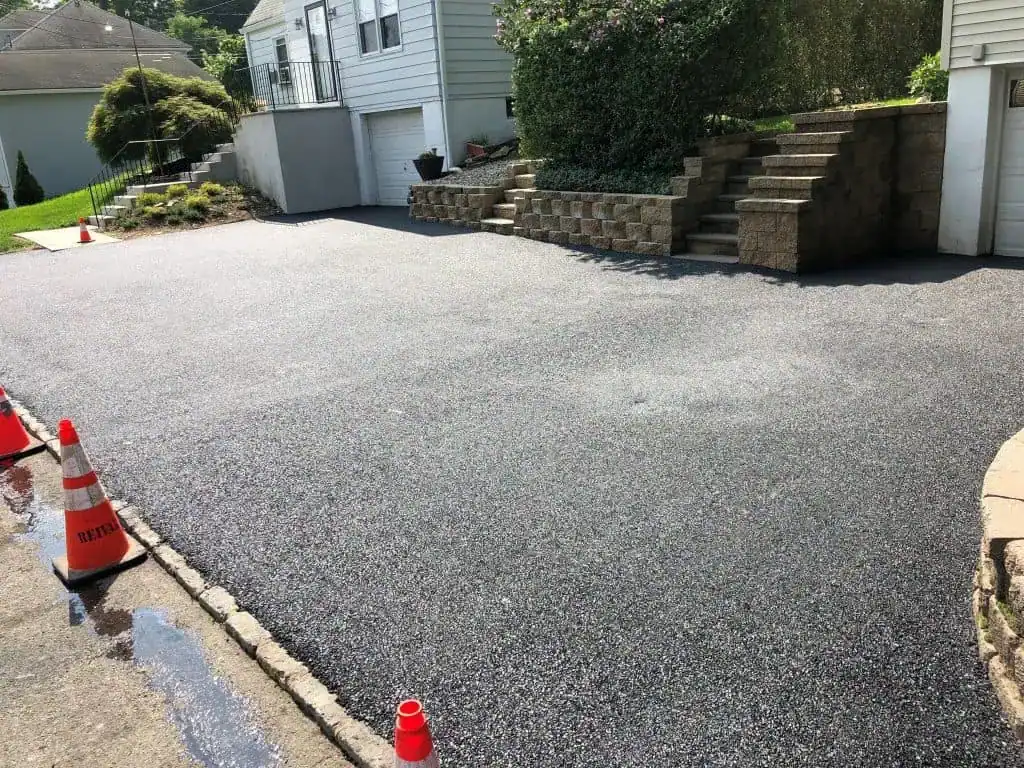
With a proper two-coat application, your driveway gets a thick protective layer that lasts three to four years instead of one to two. That’s not marketing talk—that’s the difference between doing it right and doing it cheap. The sealer fills surface voids, blocks moisture penetration, and restores that deep black finish that makes your property look maintained instead of neglected.
Here’s what matters: sealcoating extends your driveway’s lifespan by about 60% for roughly 20% additional cost over its lifetime. Compare that to replacement costs of $3,000 to $4,800 for a typical two-car driveway in Gillette, and you’re looking at one of the smartest maintenance decisions you can make.
Platinum Paving is a third-generation, family-owned contractor based in Morris County. We’re not a national franchise sending different crews every time—we’re the same people who understand how Gillette’s soil conditions, weather patterns, and seasonal changes affect your pavement.
Twenty years in this business means we’ve seen what works and what fails. We’ve watched DIY sealcoating jobs peel off after one winter and competitor work that skipped proper prep to save time. That’s not how we operate.
We use high-quality coal tar or asphalt emulsion sealers depending on your driveway’s condition and exposure. Our crews clean the surface properly, fill cracks before sealing, and apply two coats with professional-grade equipment. You get a 24-48 hour callback guarantee when you request a quote, and we show up when we say we will.
First, we inspect your driveway to identify cracks, oil spots, and areas that need repair before sealing. Sealcoating doesn’t fix structural problems—it protects sound asphalt. If you’ve got alligator cracking or deep potholes, we’ll tell you that upfront because sealer won’t solve those issues.
Next comes surface prep. We clean the entire driveway with blowers and power brooms to remove dirt, debris, and loose material. Oil spots get treated with a primer because sealer won’t bond to petroleum residue. Cracks wider than a quarter-inch get filled with hot rubberized crack filler that flexes with temperature changes instead of breaking apart.
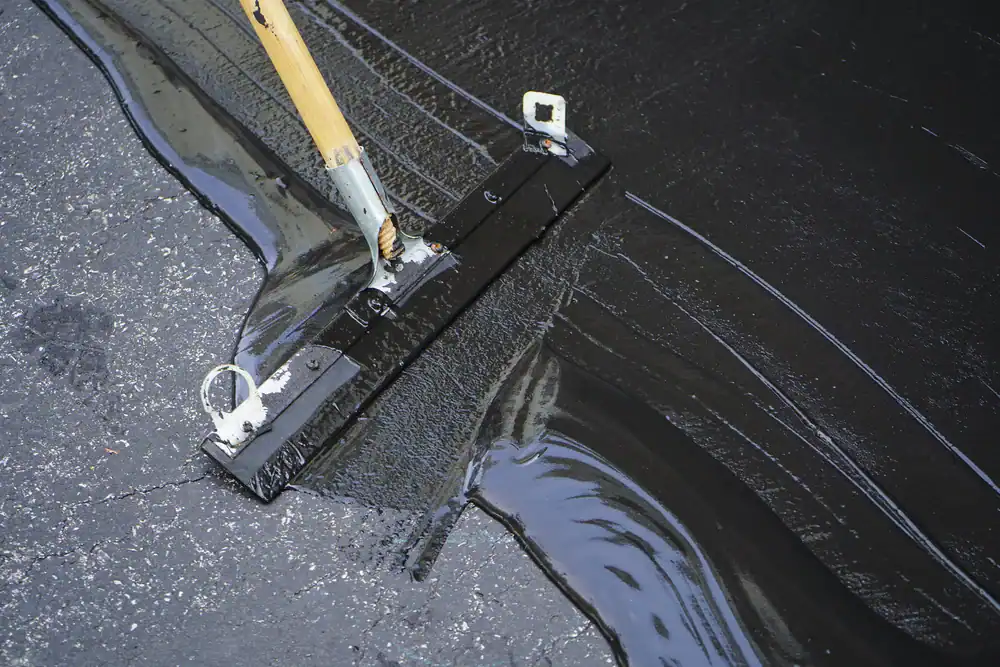
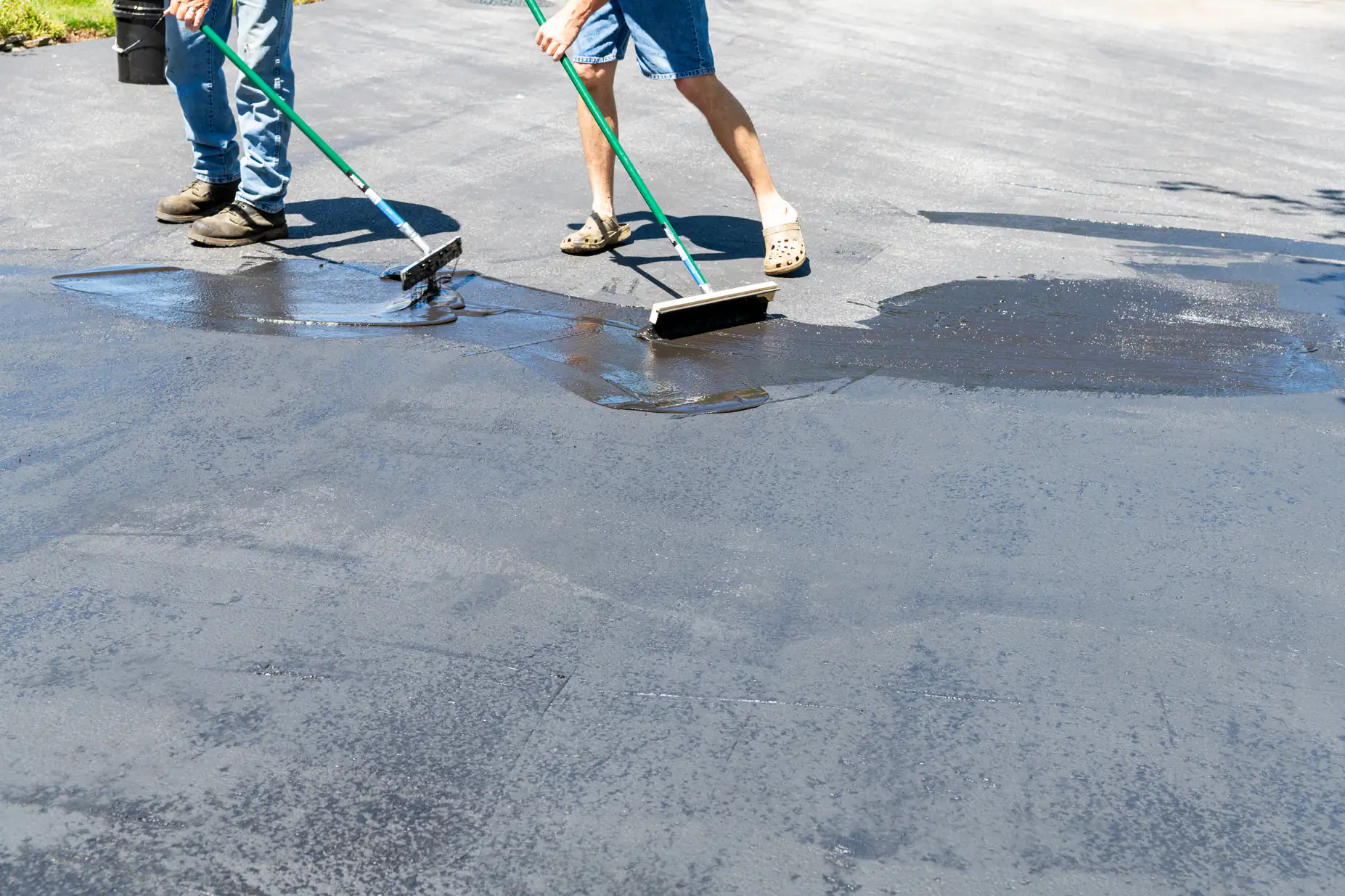
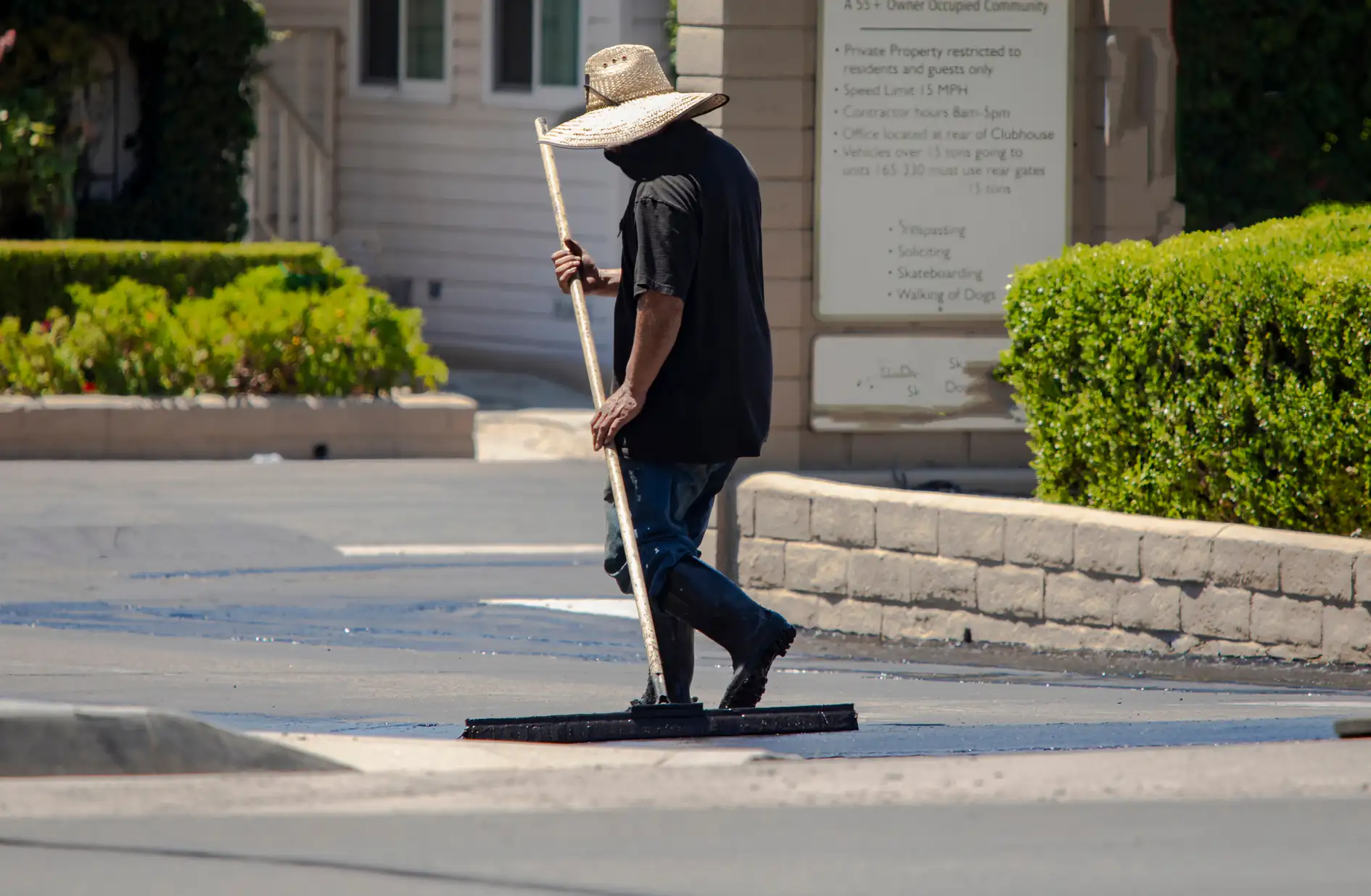
Then we apply the first coat of sealer using commercial spray equipment or squeegees, depending on your driveway’s texture and condition. This coat penetrates the surface and creates the foundation for protection. After it dries—usually 24 hours in good weather—we apply the second coat. That’s the layer that gives you the durability and appearance you’re paying for.
The whole process takes two to three days from start to finish, including cure time. You’ll need to stay off the driveway for 24 to 48 hours after the final coat, depending on temperature and humidity. We only work when conditions are right—above 50 degrees with no rain in the forecast—because moisture during application ruins the bond.
Ready to get started?
Every sealcoating job includes thorough surface cleaning, crack filling for cracks up to three-quarters of an inch, oil spot treatment, and two full coats of commercial-grade sealer. We’re not cutting corners with single-coat applications that wear out in a year.
Morris County driveways take a beating. The freeze-thaw cycle here is relentless—water gets into cracks, freezes, expands with about 30,000 psi of pressure, then thaws and goes deeper. That cycle repeats all winter and destroys asphalt from the inside. Your driveway also deals with road salt tracked in from Long Valley Road or Route 202, plus UV exposure during summer that dries out the asphalt binder.
We time most Gillette sealcoating jobs for fall because that’s when conditions are ideal. You get moderate temperatures, low humidity, and enough cure time before winter hits. Spring works too, but you’re racing against unpredictable weather and trying to repair winter damage at the same time.
The sealer we use is designed for New Jersey’s temperature swings. It stays flexible enough to move with your asphalt during freeze-thaw cycles but tough enough to resist salt, gas drips, and the weight of vehicles. After application, your driveway is easier to maintain—you can sweep or hose it clean instead of fighting stains that soak into bare asphalt.

A typical residential driveway in Gillette runs $150 to $500 for professional sealcoating, depending on size and condition. That’s for a proper two-coat application with crack filling and surface prep included.
If someone quotes you $75 for a 600-square-foot driveway, they’re either skipping steps or using watered-down sealer. You’ll end up resealing in a year instead of three to four, which costs you more in the long run. Commercial parking lots run $1,000 to $5,000+ because of the square footage and heavier traffic patterns, but the process is the same—clean, repair, seal with two coats.
Compare that to $3,000 to $4,800 for asphalt driveway replacement in Morris County, and sealcoating every three to four years is a no-brainer. You’re spending pennies on the dollar to avoid a massive expense down the road.
Fall is the best time for driveway sealcoating in Gillette and Morris County. You get moderate temperatures between 50 and 85 degrees, lower humidity, and enough dry days for proper curing before winter arrives.
Sealer needs at least 24 to 48 hours of dry conditions to bond correctly with your asphalt. One rainstorm during that window ruins the application—the sealer washes away or doesn’t cure properly, leaving you with a patchy, ineffective coating. Fall weather in Gillette is more predictable than spring, when you’re dealing with surprise cold snaps and frequent rain.
Spring sealcoating works if you wait until late April or May, after temperatures stabilize and you’ve addressed any winter damage. Summer is fine too, but you’re dealing with higher UV exposure during application and faster drying times that require more experienced crews. Winter is off the table—sealer won’t cure below 50 degrees, and you’re wasting money on a product that won’t protect anything.
Two coats of quality sealer last three to four years on residential driveways in Gillette and Morris County. Single-coat applications or cheap sealer might give you one to two years before you’re resealing again.
The lifespan depends on traffic, weather exposure, and how well the job was done. A driveway that sees heavy vehicle traffic or sits in full sun all day wears faster than one with moderate use and tree cover. New Jersey’s freeze-thaw cycles and road salt also accelerate wear, which is why proper application matters so much.
You’ll know it’s time to reseal when the surface starts looking gray instead of black, or when water stops beading up and starts soaking in. If you’re seeing new cracks or the texture feels rough instead of smooth, you’ve waited too long. Staying on a three-to-four-year schedule keeps your asphalt protected and avoids the bigger repairs that come from neglect.
You can buy DIY sealcoating products at any home improvement store, but the results usually don’t compare to professional application. The sealer itself is lower quality—thinner, less durable, and it breaks down faster under New Jersey weather conditions.
The bigger issue is application. Most homeowners don’t have the equipment to clean the surface properly, fill cracks correctly, or apply sealer at the right thickness. You end up with thin spots, missed areas, and a coating that peels off after one winter. We use commercial-grade squeegees or spray equipment that distributes sealer evenly and at the proper mil thickness.
Surface prep makes or breaks the job. If you don’t remove all the dirt, treat oil spots, and fill cracks before sealing, the sealer won’t bond. It’ll peel, flake, or wear off in patches. We have power brooms, blowers, and hot crack filler that actually work—not the cold-pour stuff from a caulk gun that hardens and pops out.
If your driveway is small and in great shape, DIY might save you $100 to $150. But if you’re dealing with cracks, stains, or anything beyond basic maintenance, hire someone who does this daily and knows how to handle Morris County conditions.
No, sealcoating does not fill cracks. It seals the surface and protects against water, UV, and chemicals, but it’s not thick enough to fill anything wider than hairline cracks. If your driveway has cracks wider than a quarter-inch, those need to be filled separately before sealcoating.
We use hot rubberized crack filler for anything significant. It’s a flexible material that moves with your asphalt during temperature changes instead of cracking apart like the cold-pour products homeowners buy. The filler gets applied directly into the crack, slightly overfilled, then squeegeed smooth so it’s level with the surrounding surface.
After crack filling cures, we apply the sealcoat over the entire driveway, including the repaired cracks. That gives you a uniform appearance and ensures the filler is protected too. Skipping crack repair before sealcoating is a waste of money—water will keep getting into those cracks, freeze, expand, and make them worse. You’ll end up with bigger problems a year later that sealcoating can’t fix.
Sealcoating won’t damage concrete, but overspray or sealer that gets on concrete surfaces will stain them. That’s why we use edge tape or cardboard shields along concrete borders, walkways, and garage floors during application.
If sealer does get on concrete, it’s tough to remove once it dries. You’re looking at pressure washing, chemical strippers, or just living with dark stains along the edges. Some contractors are careless about this—they spray fast and don’t protect adjacent surfaces. That’s not acceptable work.
We tape off or shield everything that shouldn’t get sealer before we start. That includes concrete aprons, sidewalks, garage floors, and any decorative pavers or stone borders. It takes extra time, but it’s part of doing the job correctly. You shouldn’t have to clean up our mess or deal with stained concrete because we were in a hurry.