
Hear from Our Customers
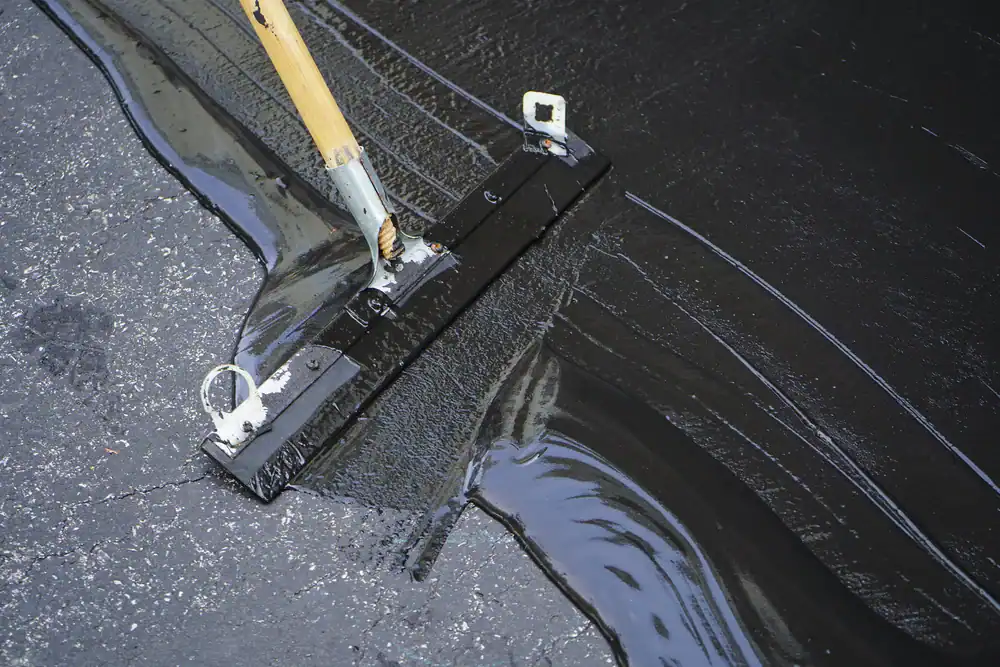
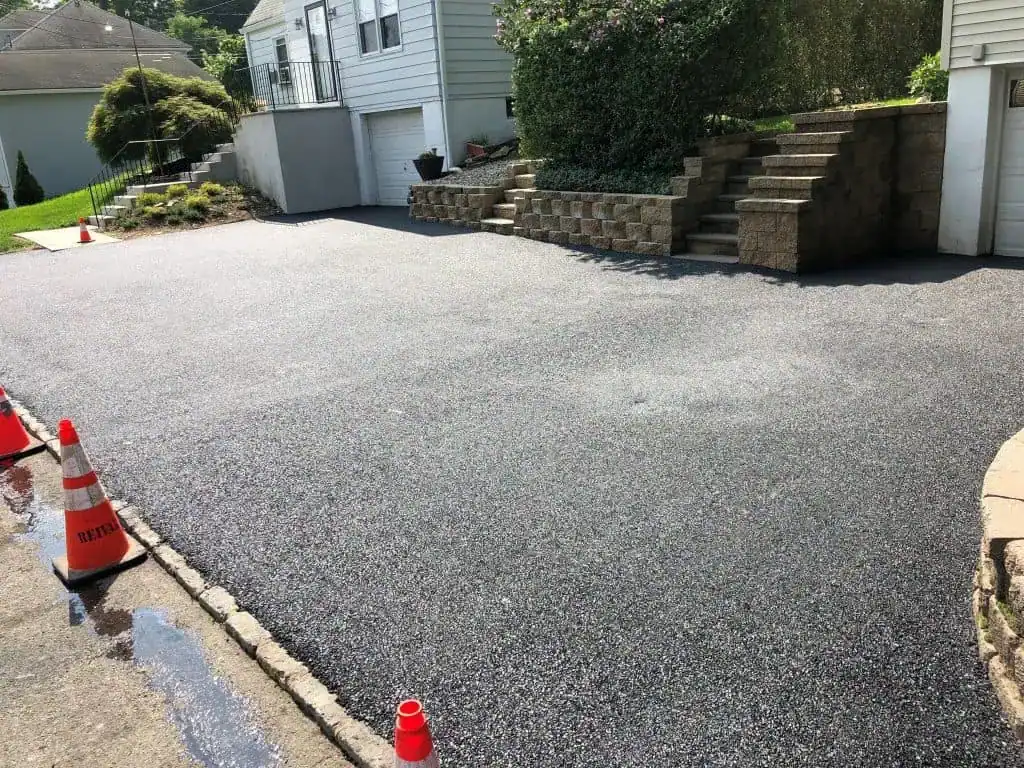
Your driveway stops looking worn and faded. The fresh black finish makes your property look maintained, not neglected.
More importantly, you’re blocking water before it becomes a problem. Every freeze-thaw cycle in North Jersey—and there are 55 to 75 of them each winter—turns small cracks into bigger ones. Water seeps in, freezes, expands by 9%, and pushes the asphalt apart. Sealcoating creates a waterproof barrier that stops that cycle before it starts.
You’re also protecting against UV damage, road salt, and oil stains that break down asphalt over time. A properly sealed driveway can last 30+ years instead of the typical 25. That’s thousands of dollars you’re not spending on premature replacement because you handled maintenance when it mattered.
And it’s easier to maintain. Sweeping, hosing, blowing off leaves—it all takes less effort when the surface is smooth and sealed instead of rough and porous.
We’re a third-generation, family-owned asphalt contractor based right here in Morris County. We’ve been serving Florham Park, Madison, Morristown, Chatham, and the surrounding areas for over 20 years.
We’re not a franchise or a national chain. We know what North Jersey winters do to driveways because we live here and work here year-round. We’ve seen what happens when sealcoating is done right and what happens when it’s rushed or done with watered-down materials.
Every job comes with a 5-year warranty. We mix our sealer in-house for a thicker, darker, longer-lasting finish. And if you request a quote online, we’ll get back to you within 24 to 48 hours—not next week, not when it’s convenient for us.
First, we inspect your driveway for cracks, potholes, or drainage issues. If there’s damage, we handle crack filling and repairs before sealing. Sealcoating over broken asphalt doesn’t fix anything—it just hides problems temporarily.
Next, we clean the surface. Oil stains, dirt, debris—all of it has to come off or the sealer won’t bond properly. We use professional-grade equipment to make sure the surface is prepped correctly.
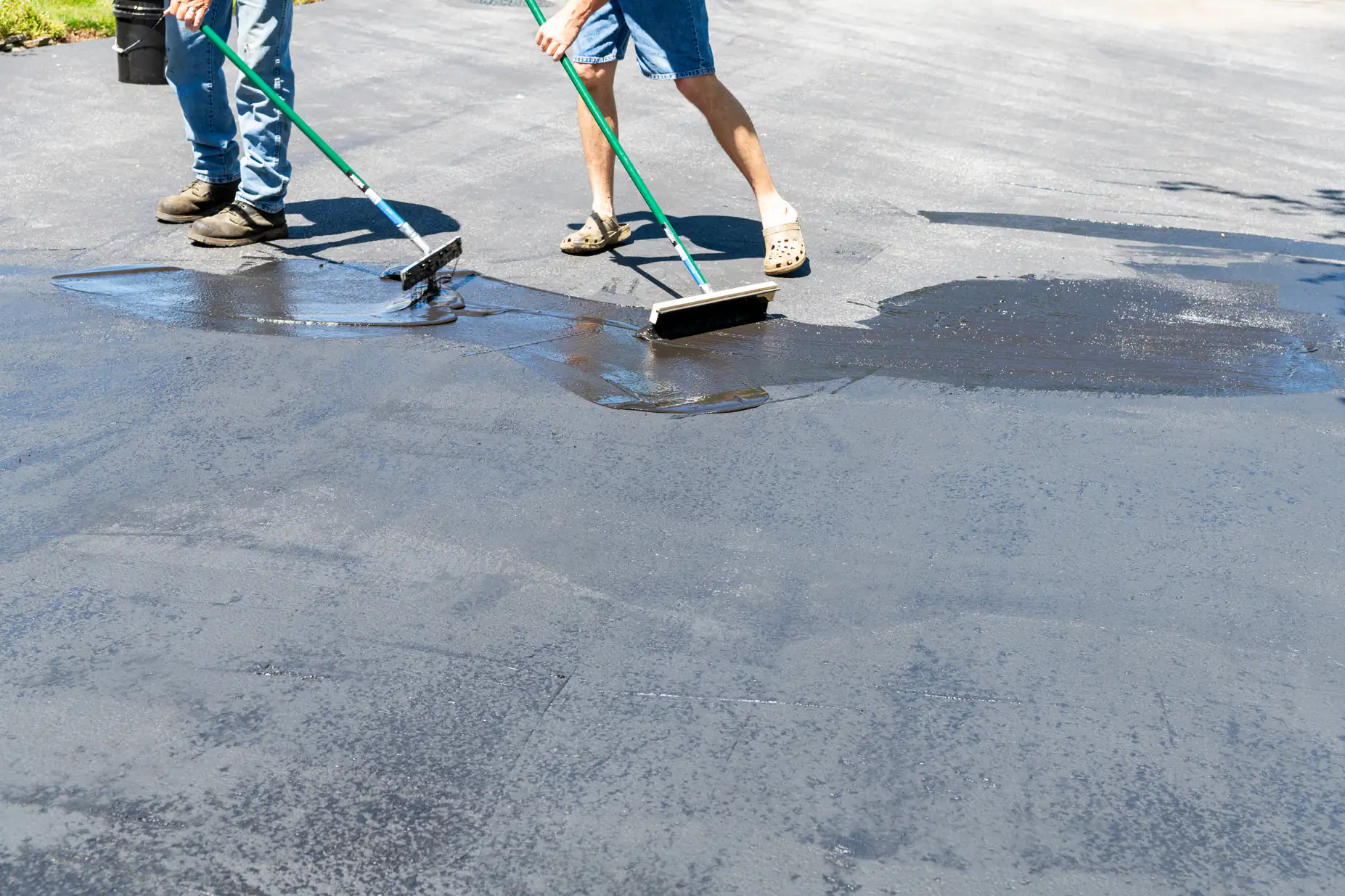
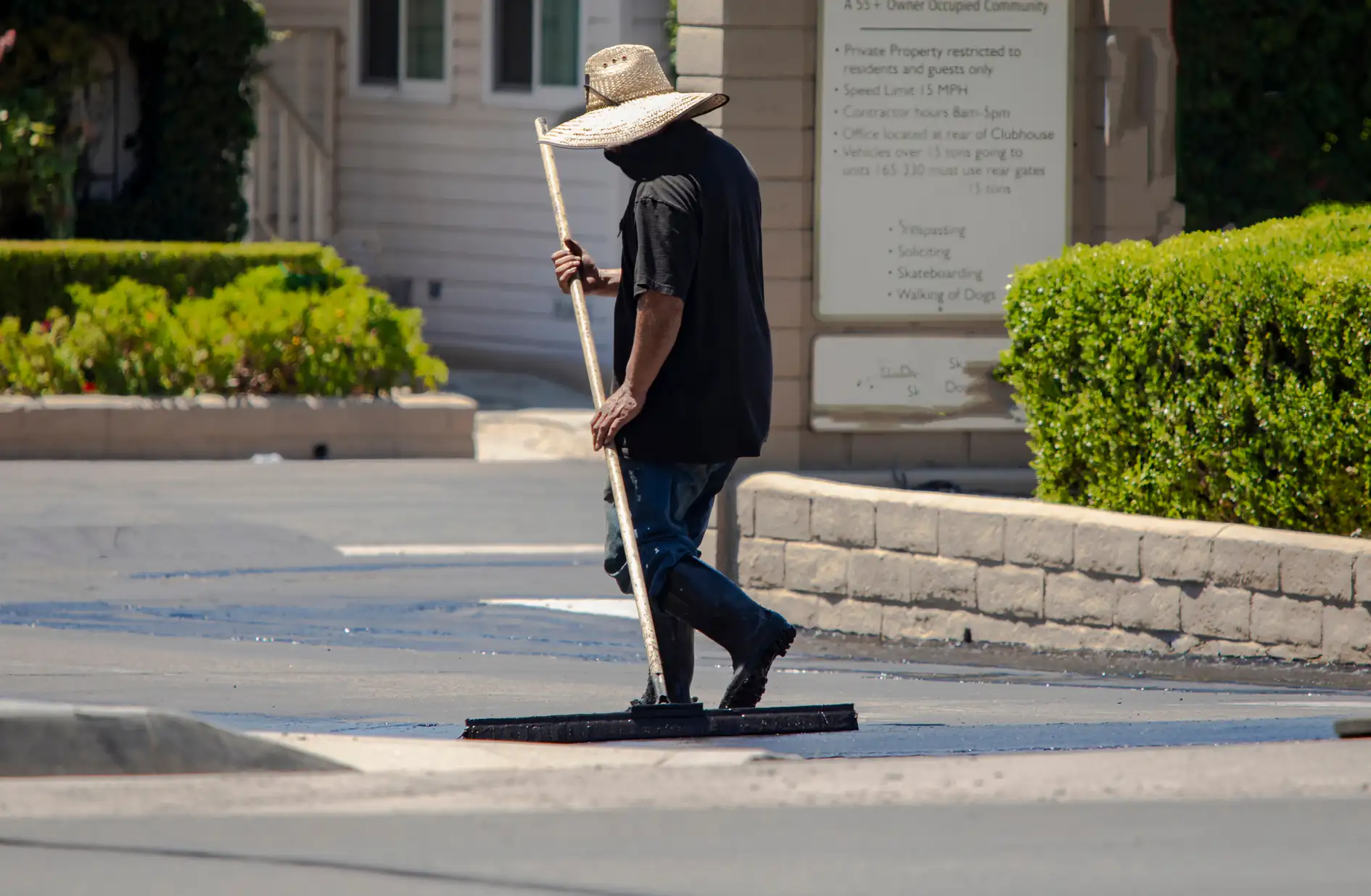
Then we apply the sealer. We use a custom-blended formula mixed in-house, applied in two coats for maximum protection and longevity. One coat might last a year or two. Two coats give you three to four years of solid protection, especially in New Jersey’s climate.
After application, the driveway needs 24 to 48 hours to cure, depending on temperature and humidity. We time the work based on weather conditions to make sure the sealer sets properly. Once it’s cured, your driveway is ready for traffic and protected against whatever winter throws at it.
Ready to get started?
You get a full inspection and surface prep, not just a quick spray-and-go. We’re looking at the condition of your asphalt, identifying problem areas, and making sure everything is addressed before we seal.
Crack filling is included when needed. Small cracks turn into big ones fast in Morris County, so we handle them early. We use hot rubberized crack filler that flexes with temperature changes instead of cracking out after one winter.
You get two coats of professional-grade sealer, not one thin layer. The difference in longevity is significant—most residential driveways sealed with two coats last three to four years before needing reapplication. Single-coat jobs often start breaking down after one or two winters.
We also provide clear guidance on curing time and when it’s safe to park on the driveway again. Rushing that process ruins the finish and shortens the lifespan of the sealcoating. We don’t cut corners just to move on to the next job.
And everything is backed by our 5-year warranty. If there’s an issue with our work, we come back and make it right.

Most residential driveways in Florham Park run between $150 and $500 for professional sealcoating, depending on size and condition. A standard two-car driveway usually falls in the $250 to $400 range.
That price includes surface prep, crack filling if needed, and two coats of sealer. If your driveway has significant damage—large cracks, potholes, or edge deterioration—you might need repairs first, which adds to the cost but prevents bigger problems down the road.
Compared to the $3,000 to $8,000 you’d spend on full driveway replacement, sealcoating is a fraction of the cost. It’s preventive maintenance that saves you thousands by extending the life of your asphalt and avoiding emergency repairs during winter when prices are higher and results are worse.
Every two to three years is the standard recommendation for North Jersey driveways. Some contractors will tell you to seal every year, but that’s overkill and can actually cause problems like peeling and flaking from too many layers.
New driveways should wait at least six months to a year before the first sealcoating. The asphalt needs time to cure fully, and sealing too early traps oils that need to evaporate.
After that, you’re looking at resealing every two to three years depending on traffic, weather exposure, and how well the driveway was maintained. If you’re seeing faded color, small cracks forming, or water soaking in instead of beading up, it’s time to reseal.
Fall is the best time to schedule it in New Jersey. Temperatures are moderate, conditions are usually dry, and you’re getting protection in place before winter freeze-thaw cycles start doing damage.
Cheap sealcoating usually means watered-down sealer, one thin coat, and minimal surface prep. It might look okay for a few months, but it won’t hold up through a New Jersey winter.
Professional sealcoating uses thicker, higher-quality sealer applied in two coats. The surface gets cleaned and prepped properly. Cracks get filled before sealing. And the contractor times the work based on weather conditions to ensure proper curing.
The longevity difference is significant. A cheap job might last one winter before it starts breaking down. A professional job with two coats and proper prep lasts three to four years, sometimes longer.
You’re also dealing with the contractor’s reliability. Fly-by-night operations disappear when problems show up. Established local contractors like us have been here for decades and stand behind the work with real warranties.
You can buy sealer at a home improvement store and do it yourself, but the results usually don’t compare to professional work. DIY sealer is thinner and doesn’t last as long. Application is harder than it looks—getting even coverage without streaks, puddles, or thin spots takes experience.
Surface prep is where most DIY jobs fail. If the driveway isn’t completely clean and dry, the sealer won’t bond properly. Oil stains have to be treated with special cleaners. Cracks need to be filled with hot rubberized filler, not the cold pour stuff that cracks out after one freeze.
Professional contractors also have commercial-grade equipment that applies sealer more evenly and efficiently. We mix our sealer in-house for a thicker, more durable finish than anything you’ll get in a bucket at the store.
If your driveway is small and in good condition, DIY might save you money upfront. But if you want protection that actually lasts through multiple North Jersey winters, professional sealcoating is worth the investment.
Fall is ideal—specifically late August through October. Temperatures are moderate, humidity is lower, and you’re getting protection in place before winter damage starts.
Sealcoating needs temperatures above 50°F during application and curing. It also needs dry conditions for at least 24 hours after application. Spring can work, but you’re dealing with more rain and unpredictable weather. Summer is possible, but extreme heat can cause issues with curing and application.
Once temperatures drop below 50°F consistently, it’s too late. The sealer won’t cure properly, and you’re stuck waiting until spring—which means your driveway goes through another winter unprotected.
If you’re reading this in late summer or early fall and your driveway needs sealing, now is the time to schedule it. Waiting until late October or November means you might miss the window entirely and have to deal with winter damage that could have been prevented.
Yes, significantly. A properly maintained driveway with regular sealcoating can last 30+ years instead of the typical 20 to 25 years for unsealed asphalt.
Sealcoating blocks water infiltration, which is the main cause of asphalt deterioration in New Jersey. When water seeps into cracks and freezes, it expands by 9% and pushes the asphalt apart. That small crack becomes a bigger crack, then a pothole, then a section that needs replacing.
Sealing also protects against UV damage that breaks down the binders in asphalt, causing it to become brittle and crack. And it creates a barrier against oil, gas, and road salt—all of which degrade asphalt over time.
The key is timing. Sealcoating works best as preventive maintenance, not as a fix for a driveway that’s already falling apart. If you wait until there are major cracks and potholes, you’ll need repairs first—and at that point, you’re spending more money to get back to a baseline that sealcoating could have maintained for a fraction of the cost.