
Hear from Our Customers
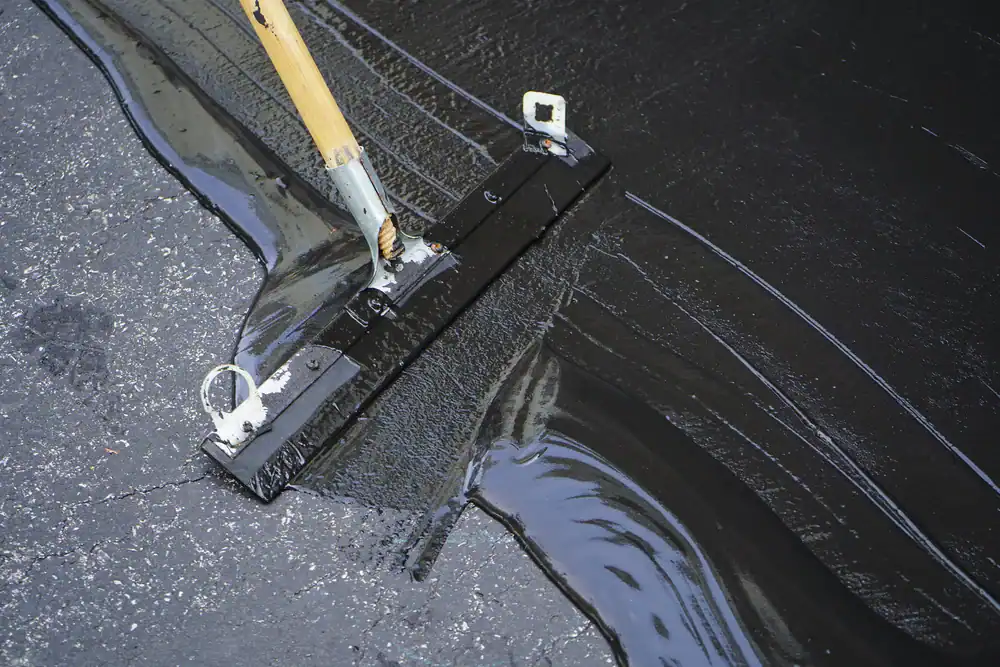
Your driveway took a beating last winter. The freeze-thaw cycle that hits Morris County isn’t getting any gentler, and every crack that filled with water last season is now twice as wide.
Sealcoating creates a waterproof barrier before the next round of snow and ice arrives. Water can’t seep into cracks it can’t reach. That means fewer emergency calls in March when potholes appear, and no surprise repair bills that run into the thousands.
Most Brookdale driveways we seal get 3 to 4 years of solid protection with a proper two-coat application. That’s 3 to 4 winters where you’re not wondering if this is the year you’ll need to resurface. You’re also avoiding the $3,000 to $8,000 replacement cost that comes when water damage goes too far.
The difference between a sealed driveway and an unsealed one isn’t just appearance. It’s whether you’re spending $300 now or $5,000 later.
We’re a third-generation, family-owned contractor based in Dover. We’ve been working in Morris, Somerset, and Sussex Counties for over 20 years, which means we know exactly what winter does to asphalt around here.
We’re not the guys with leftover material who knock on your door in July. We’re the ones your neighbors call when they want it done right the first time, with a clear price and no surprises. You’ll get a callback within 24 to 48 hours when you request a quote, and the price we give you is the price you pay.
Brookdale sits right in the heart of our service area. We’ve sealed hundreds of driveways within a few miles of here, and we understand the soil conditions, drainage issues, and weather patterns that affect how long your sealcoat will last.
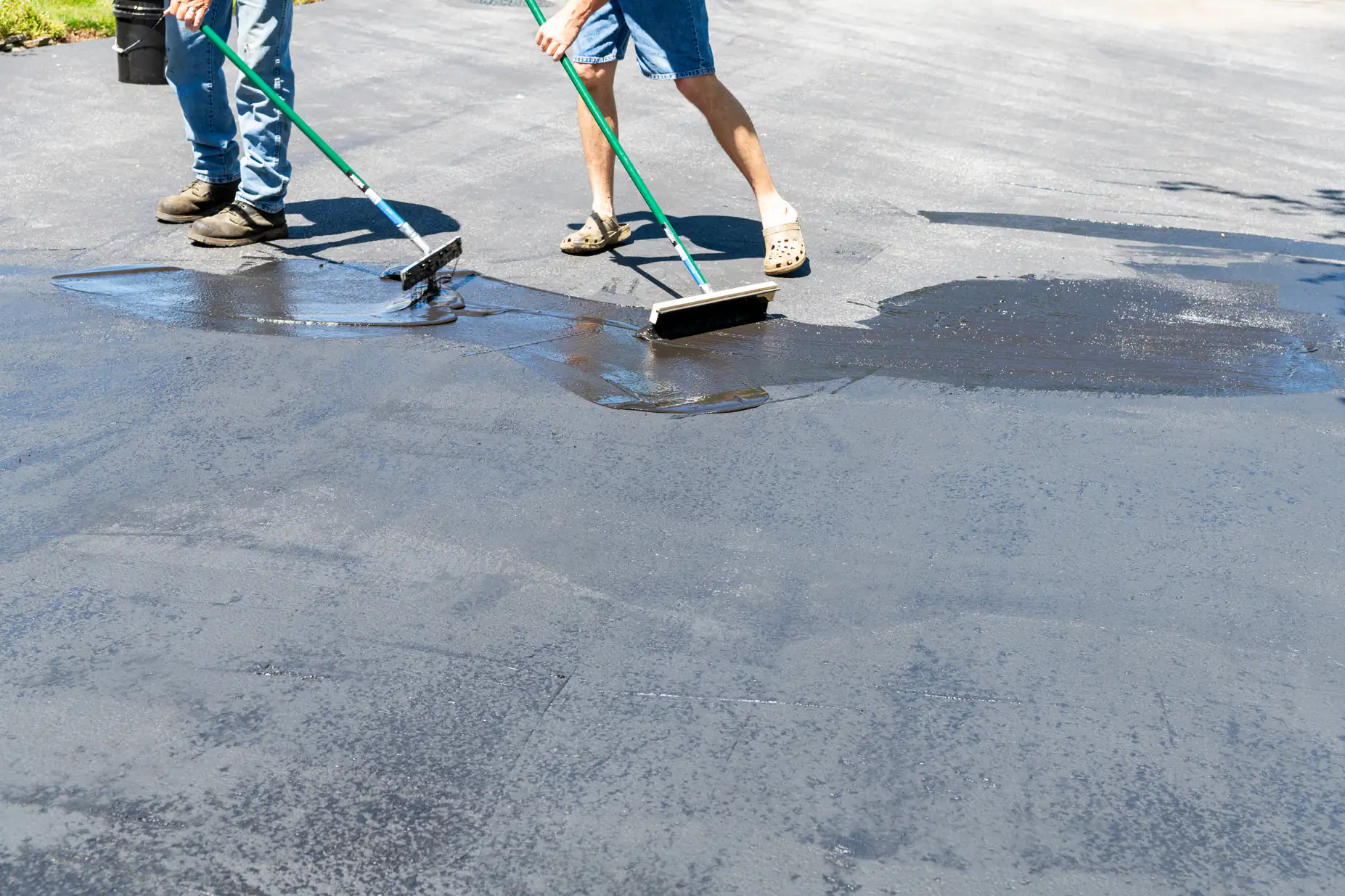
We start by cleaning your driveway completely. Oil stains, dirt, debris, and loose asphalt all get removed because sealant won’t bond to a dirty surface. If there are cracks wider than a quarter-inch, we fill those first so water doesn’t have an easy path underneath.
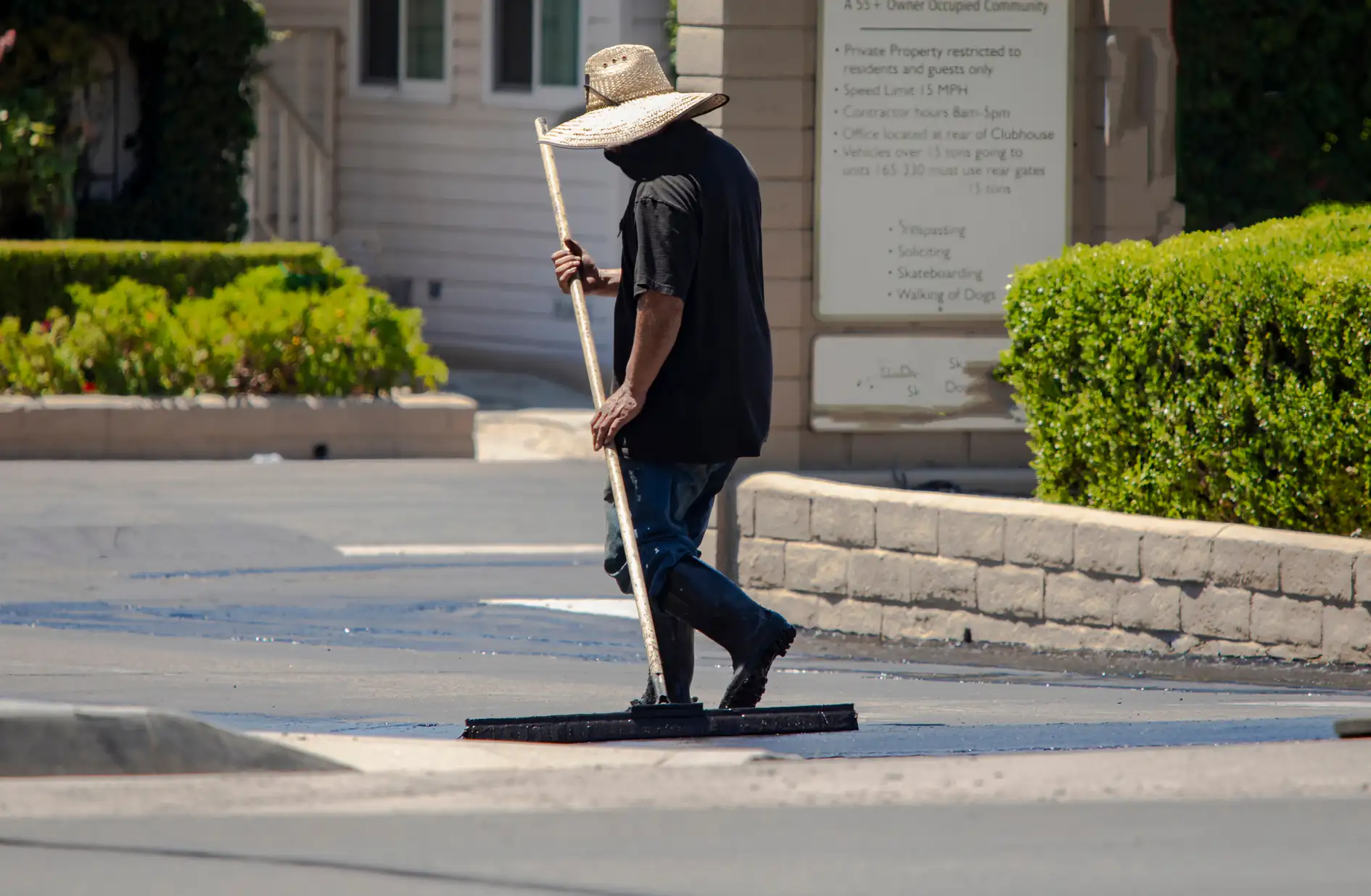
Once the surface is prepped, we apply the first coat of professional-grade sealer. This isn’t the watered-down stuff you’ll find at a big-box store. We use commercial sealants designed for New Jersey’s temperature swings and moisture levels.
After the first coat dries, we apply a second coat. Two coats give you a thicker protective layer that lasts 3 to 4 years instead of the 1 to 2 years you’d get from a single application. The whole job usually takes a couple of hours, and you’ll need to stay off the driveway for 24 to 48 hours while it cures.
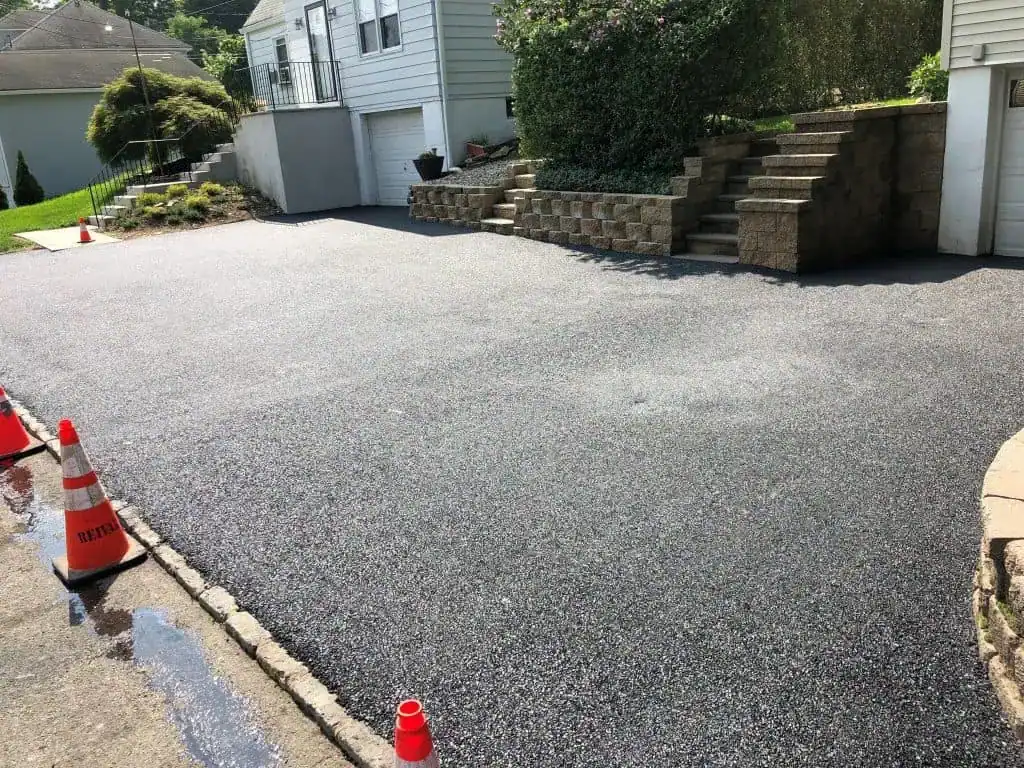
You’ll see the difference immediately. The surface goes from faded gray to a dark, rich black. But the real benefit shows up next spring when your driveway comes through winter without new damage.
Ready to get started?
Most residential driveways in Brookdale run between $150 and $500 for professional sealcoating, depending on size and condition. That breaks down to about $0.15 to $0.40 per square foot. North Jersey prices run about 15 to 20 percent above national averages because labor costs more here and our climate demands better materials.
You’re not just paying for the sealant. You’re paying for proper surface prep, crack filling, two-coat application, and materials that can handle freeze-thaw cycles without spiderwebbing after one season. Cheap sealcoating jobs skip steps, use low-grade sealer, and leave you with a driveway that looks worse a year later.
The timing matters too. We can only seal when temperatures stay above 50 degrees and rain isn’t in the forecast for at least 24 hours. That gives you a window from about April through October in this area. If you wait until November and suddenly need it done, you’re either out of luck or paying premium rates for rushed work that won’t cure properly.
Sealcoating isn’t optional maintenance if you want your driveway to last. It’s the difference between 25 years of life and 30-plus years. Do the math on what an extra 5 to 10 years is worth versus a full replacement, and the cost makes sense.

A professional two-coat sealcoating job lasts 3 to 4 years in New Jersey’s climate. Single-coat applications only give you 1 to 2 years before the protection starts breaking down.
The lifespan depends on a few factors. Traffic volume matters—a driveway with four cars coming and going daily wears faster than one with light use. Weather exposure plays a role too. If your driveway sits in full sun all day or stays shaded and damp, that affects how the sealant holds up.
The quality of materials makes the biggest difference. Commercial-grade sealers bond deeper into the asphalt and resist UV damage better than consumer products. That’s why we don’t use the cheap stuff, and it’s why our sealcoating jobs outlast the ones done by contractors cutting corners.
Late spring through early fall is your window. You need temperatures above 50 degrees and no rain for at least 24 hours after application. That usually means May through September in Morris County.
Sealing too early in spring is a gamble. One cold night can ruin the curing process and leave you with a sealcoat that never properly hardens. Waiting until October is risky too—temperatures drop fast, and once we’re into November, the window closes.
If you just installed a new asphalt driveway, wait at least 3 to 6 months before sealing. Fresh asphalt needs time to cure and release oils. Seal too soon and the sealant won’t bond correctly. Most of the driveways we pave in spring are ready for sealcoating by late summer or the following spring.
Sealcoating doesn’t fix existing structural damage, but it absolutely prevents new damage from starting. It creates a waterproof barrier that keeps moisture out of your asphalt. Since water infiltration is the main cause of winter cracking and pothole formation, stopping water stops most of the damage before it begins.
When water seeps into small cracks and freezes, it expands and widens those cracks. Do that over a few freeze-thaw cycles and you’ve got serious problems. Sealcoating fills surface voids and keeps water on top of the asphalt instead of inside it.
It also protects against UV rays, oil spills, and chemical damage from road salt. All of those break down asphalt over time. A sealed driveway resists that breakdown and stays flexible longer. You’re not making your driveway invincible, but you’re giving it a fighting chance against everything New Jersey weather throws at it.
Two coats give you a thicker protective layer that lasts twice as long. A single coat might look fine for the first year, but it wears thin fast under traffic and weather. By year two, you’re already losing protection in high-wear areas.
Two coats build up a more durable barrier. The first coat penetrates and bonds with the asphalt. The second coat adds thickness and creates a tougher surface that resists wear. You get 3 to 4 years of solid protection instead of 1 to 2.
Some contractors only apply one coat because it’s faster and cheaper for them. They’ll charge you the same price and hope you don’t know the difference. You’ll know soon enough when the sealcoat starts failing early. We apply two coats on every job because that’s what actually works in this climate.
Most residential driveways in Brookdale cost between $150 and $500 to seal professionally. The price depends on square footage, current condition, and how much crack filling is needed before we can seal.
A standard two-car driveway runs about $250 to $350 for a proper two-coat application with prep work. Larger driveways or ones with significant cracking cost more because there’s more surface to cover and more repairs to make first.
You’ll find cheaper quotes out there. Some contractors charge $100 to $150 for the same driveway. They’re using low-quality sealer, skipping the second coat, or rushing the prep work. That job will look okay for a few months, then start spiderwebbing and peeling. You’ll end up paying twice—once for the bad job and again to fix it. We price our work based on what it actually takes to protect your driveway for 3 to 4 years, not what it takes to make a quick sale.
You can seal your own driveway if you have the time, equipment, and experience to do it right. Most homeowners don’t, and the results show it. DIY sealcoating jobs usually fail within a year because the prep work wasn’t thorough, the sealer was low-grade, or the application was uneven.
Professional contractors have commercial-grade sealers that aren’t available at retail stores. We also have the equipment to clean and prep the surface correctly, fill cracks properly, and apply an even coat that cures uniformly. The difference in longevity between a DIY job and a professional job is significant.
If your driveway is small, in good condition, and you’re comfortable doing the work, you might save some money going the DIY route. But if you’ve got a larger driveway, existing damage, or you want the job to last more than a season or two, hiring a contractor makes more sense. The cost difference isn’t huge, and the quality difference is.