
Hear from Our Customers
You’re not just making your driveway look better for a season. You’re adding years to its lifespan and avoiding the kind of damage that turns a $300 maintenance job into a $6,000 replacement project.
Bridgewater Center sees 55 to 75 freeze-thaw cycles every winter. That’s water getting into small cracks, freezing, expanding by 9%, and breaking your asphalt apart from the inside. Sealcoating creates a barrier that keeps water out before it becomes a problem.
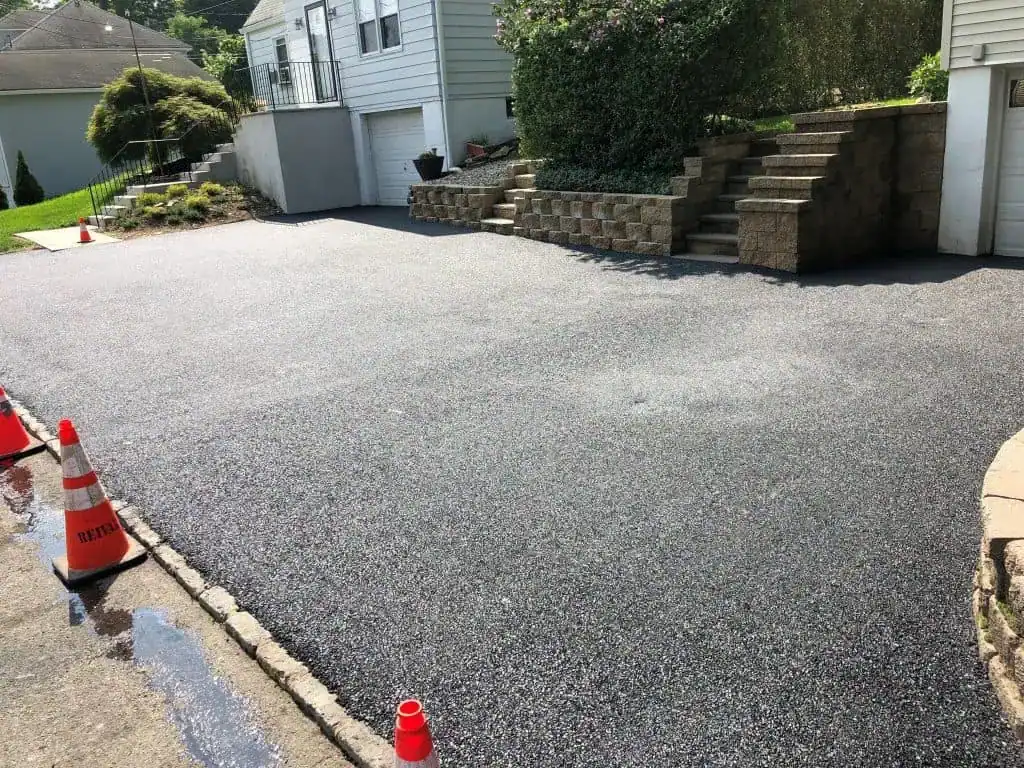
The difference between a driveway that lasts 25 years and one that lasts well past 30 comes down to whether you protect it. Two coats of professional-grade sealant, applied at the right temperature with proper prep work, give you that protection. Your driveway stays flexible, water-resistant, and intact through every winter that follows.
We’re a third-generation, family-owned asphalt contractor serving Morris, Somerset, and Sussex Counties. We’ve spent over 20 years working on driveways in towns like Bridgewater Center, where property values are high and homeowners expect work that actually lasts.
We’re not the cheapest option, and that’s intentional. You’re paying for high-grade hot mix asphalt applied at the proper temperature, two-coat applications that meet North Jersey’s climate demands, and a team that shows up when we say we will. We don’t water down materials or skip surface prep to save time.
If you request a quote online, you’ll hear back within 24 to 48 hours. We give you clear pricing upfront, explain what’s included, and stick to the schedule we set. No surprises, no runaround.
First, we inspect your driveway for cracks, potholes, and surface damage. Anything that needs repair gets fixed before we seal. That means crack filling with rubberized material that flexes with temperature changes, and patching any areas where the asphalt has broken down.
Next, we power wash the entire surface to remove dirt, oil, and debris. Sealant doesn’t bond to a dirty driveway, so this step matters more than most homeowners realize. We let it dry completely before moving forward.
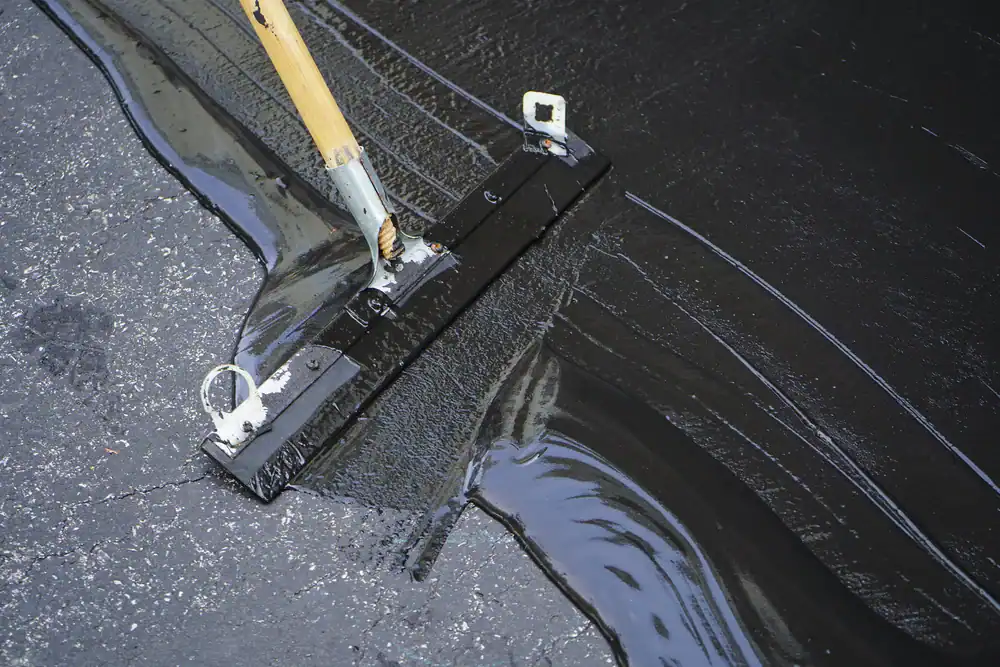
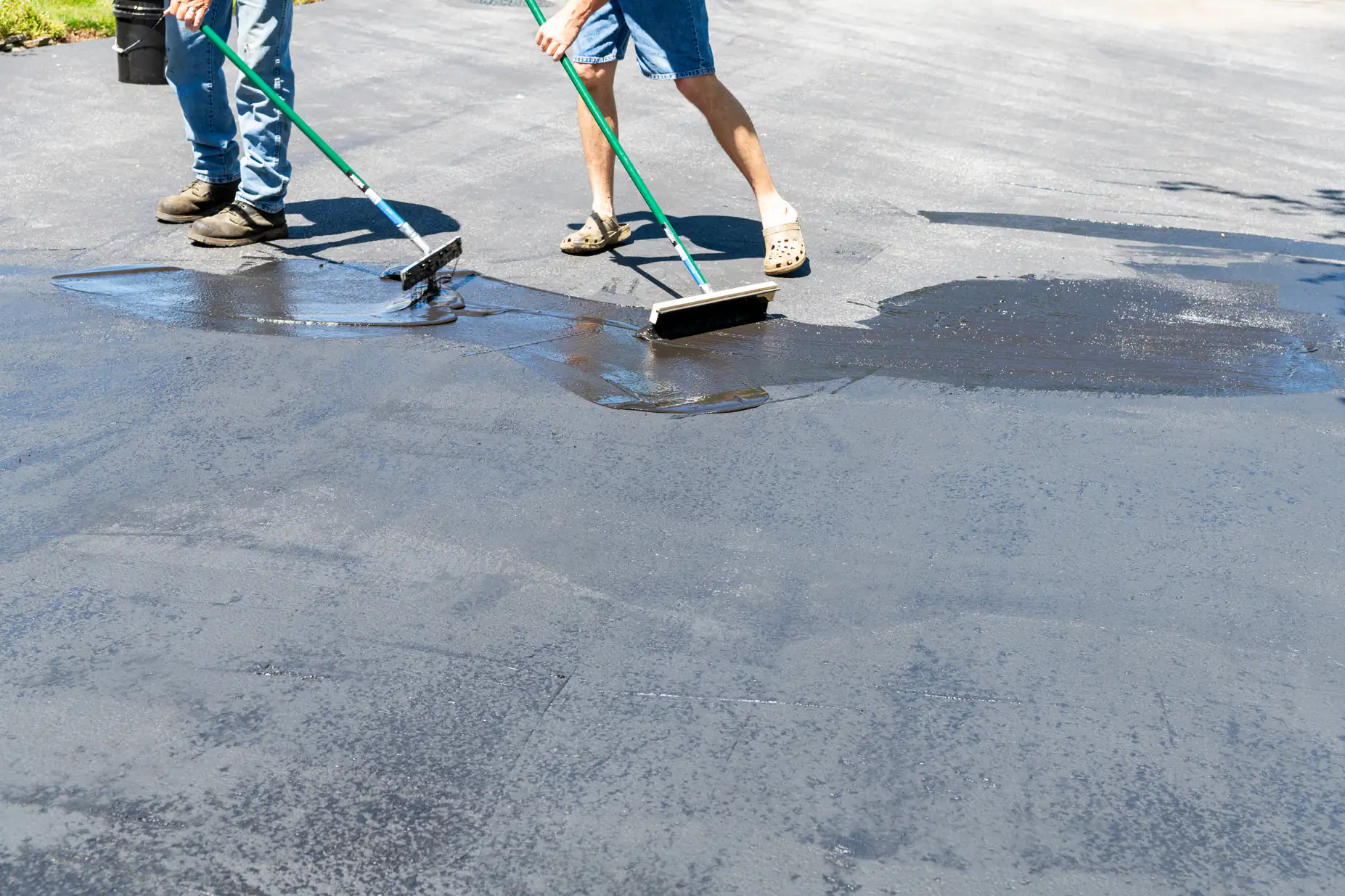
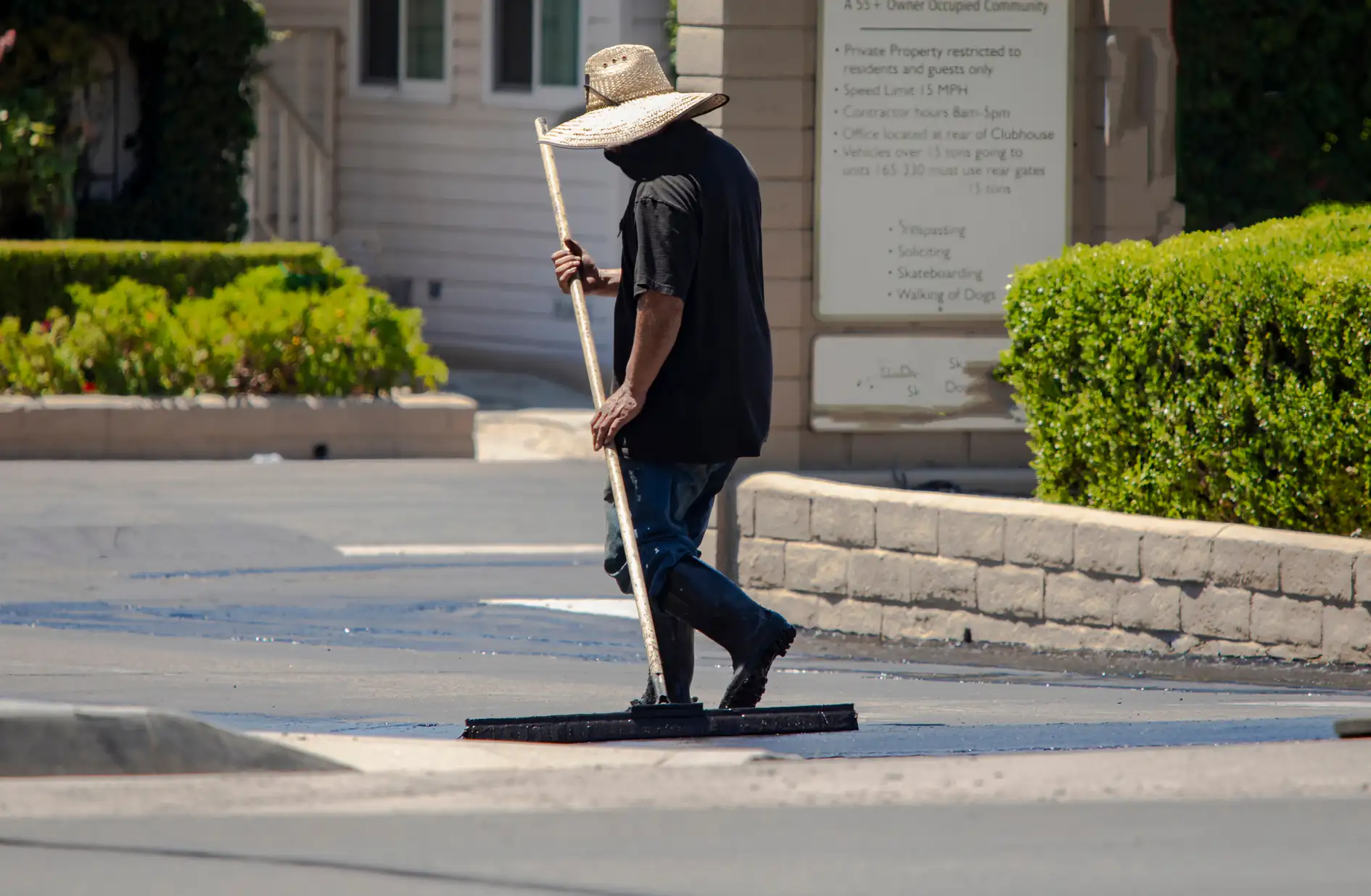
Then we apply two coats of commercial-grade coal tar or asphalt emulsion sealer. The first coat penetrates and bonds to the surface. The second coat builds thickness and durability. We use professional equipment that applies the sealer evenly at the right temperature, and we add a sand additive for traction.
You’ll need to stay off the driveway for 24 to 48 hours depending on weather. After that, it’s ready for normal use. The fresh sealcoating will cure fully over the next 30 days, but you can drive on it after the first two days.
Ready to get started?
Every sealcoating job includes crack filling, power washing, surface preparation, two coats of sealer, and a sand additive for traction. We don’t charge extra for basic prep work because it’s not optional—it’s how the job gets done right.
In Somerset County, where the median property value sits at $523,900, your driveway is part of a significant investment. A standard 600-square-foot driveway costs between $180 and $270 to seal professionally, which is roughly $0.30 to $0.45 per square foot. Compare that to $3 to $7 per square foot for a full replacement, and you’re looking at a 2,000% difference in cost.
We recommend resealing every three to four years in North Jersey. That timeline accounts for the 40% more freeze-thaw cycles this area experiences compared to Central or South Jersey. If you wait longer, you’re not saving money—you’re just letting damage accumulate until it costs more to fix than prevent.
Fall is the best time to schedule this work. Temperatures are stable, humidity is lower, and you’re getting ahead of winter instead of reacting to spring damage when every contractor is booked solid.

Professionally applied sealcoating lasts three to four years in North Jersey if the prep work is done right and quality materials are used. That timeline accounts for the 55 to 75 freeze-thaw cycles Bridgewater Center experiences every winter, which is significantly more than other parts of the state.
If you’re seeing sealcoating fail in one or two years, it’s usually because the contractor skipped surface prep, watered down the sealer, or only applied one coat. Two coats are standard in this climate, not an upsell.
The lifespan also depends on traffic. A driveway with two cars coming and going daily will wear faster than one with lighter use. But even with regular traffic, you should get at least three full winters of protection before you need to reseal.
The difference is in the formulation, the application, and whether the contractor actually prepares the surface. Cheap sealcoating often means watered-down material that looks fine for a few months and then starts flaking off. Professional-grade sealer has the right ratio of coal tar or asphalt emulsion, additives for flexibility, and sand for traction.
Application matters just as much. We apply sealer at the proper temperature using commercial equipment that spreads it evenly. A lot of low-cost contractors use push squeegees and apply it too thin or too thick, which leads to premature failure.
Surface prep is where most cheap jobs fall apart. If the driveway isn’t cleaned and dried properly, the sealer won’t bond. If cracks aren’t filled first, water still gets in and the whole point of sealing is lost. You’re not just paying for the sealer itself—you’re paying for the work that makes it actually stick and perform.
Yes, but the cracks need to be filled first. Sealcoating doesn’t fill cracks—it seals the surface. If you apply sealer over unfilled cracks, water will still get in, freeze, expand, and make the cracks worse.
We use rubberized crack filler that stays flexible as temperatures swing from summer heat to winter cold. It bonds to the edges of the crack and moves with the asphalt instead of cracking apart like rigid fillers do.
If the cracks are wider than a quarter-inch or if there’s significant structural damage, sealcoating alone won’t fix the problem. At that point, you’re looking at patching or possibly resurfacing sections of the driveway. We’ll tell you upfront if that’s the case, because sealing over serious damage is just a waste of your money.
Fall is the best window for sealcoating in Somerset County. Temperatures are stable, usually between 50 and 85 degrees, and humidity is lower than summer. The sealer cures properly in those conditions, and you’re protecting your driveway before winter hits instead of repairing damage in the spring.
Spring is the second-best option, but that’s when everyone else is calling contractors to fix winter damage. If you wait until April or May, you’re competing for schedule openings and dealing with longer lead times.
You can’t sealcoat in winter or when temperatures drop below 50 degrees at night. The sealer won’t cure correctly, and you’ll end up with a soft, sticky surface that doesn’t harden. Same issue if you try to seal during a heatwave—it dries too fast and doesn’t bond properly.
A typical two-car driveway in Bridgewater Center runs between $180 and $270 for professional sealcoating, depending on size and condition. That includes power washing, crack filling, two coats of sealer, and a sand additive. If there’s significant repair work needed first, that’s priced separately.
New Jersey prices run about 15 to 20% higher than the national average because of labor costs, material costs, and the fact that our climate demands better-quality sealer. You’ll see ads for cheaper work, but it’s usually one coat, no prep, and materials that won’t last through a single winter.
If a contractor quotes you under $150 for a standard driveway, ask what’s included. Chances are they’re skipping steps, using diluted sealer, or they’re not insured. The cost difference between a job done right and a job done cheap is maybe $100, but the difference in how long it lasts is years.
Sealcoating is functional, not cosmetic. It protects your asphalt from water infiltration, UV damage, oil stains, and freeze-thaw cycles. Without it, small cracks turn into big cracks, water gets underneath the surface, and your driveway starts breaking apart.
An unsealed driveway in North Jersey typically lasts 20 to 25 years. A sealed driveway, maintained every three to four years, can last well past 30 years. That’s the difference between replacing your driveway once or not replacing it at all while you own the home.
The cosmetic benefit is real—fresh sealcoating makes your driveway look new again and improves curb appeal. But the reason to do it is to avoid spending $6,000 to $12,000 on a replacement when a $300 maintenance job every few years would have prevented it.