
Hear from Our Customers
Water gets into cracks. It freezes. It expands by 9%. Those hairline cracks become potholes, and that $300 maintenance job becomes a $3,000 replacement.
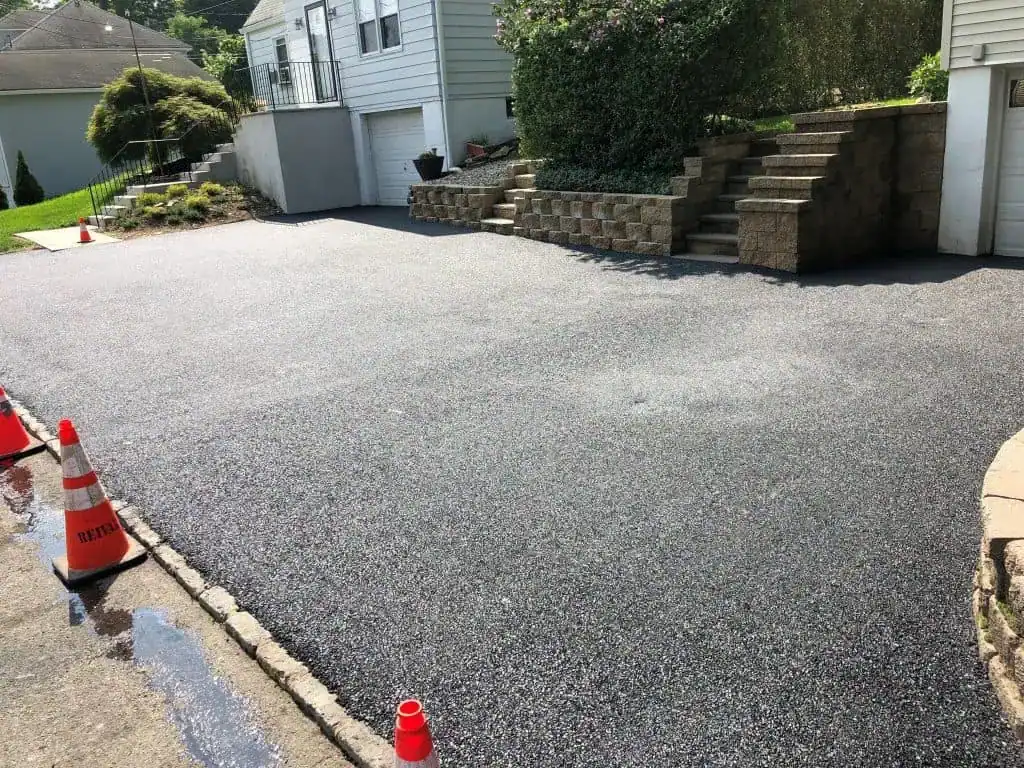
Sealcoating creates a protective barrier against everything New Jersey throws at your driveway—UV rays that fade and dry out asphalt, rain that seeps into the base, freeze-thaw cycles that crack the surface, and salt that eats away at the binder. It’s not just about looks. It’s about adding 10 to 15 years to your driveway’s lifespan.
Most Boonton homeowners spend between $150 and $500 on professional driveway sealing. Compare that to $1,000 to $5,000 for a full replacement. The math isn’t complicated.
You’ll also get that fresh, dark finish that makes the whole property look cleaner. But more importantly, you’re buying time before you need to repave.
We’ve spent over 20 years working in Morris, Sussex, and Somerset Counties. We know how the climate here affects asphalt. We’ve seen what happens when contractors cut corners or use watered-down materials.
We’re based in Morris County, so we’re not disappearing after the job. You’ll get a callback within 24 to 48 hours when you request a quote. We show up when we say we will, and we give you a clear price upfront—no surprises when the work is done.
Boonton homeowners deal with steep driveways, older asphalt, and tough winters. We adjust our approach based on what your driveway actually needs, not what’s easiest for us.
First, we inspect your driveway. We’re looking at the condition of the asphalt, existing cracks, drainage issues, and how much wear you’re dealing with. If there are cracks wider than a quarter-inch, we fill those first. Sealcoat won’t fix structural problems—it protects what’s already there.
Next, we clean the surface. Oil stains, dirt, debris—it all has to come off or the sealant won’t bond properly. This step matters more than most people realize.
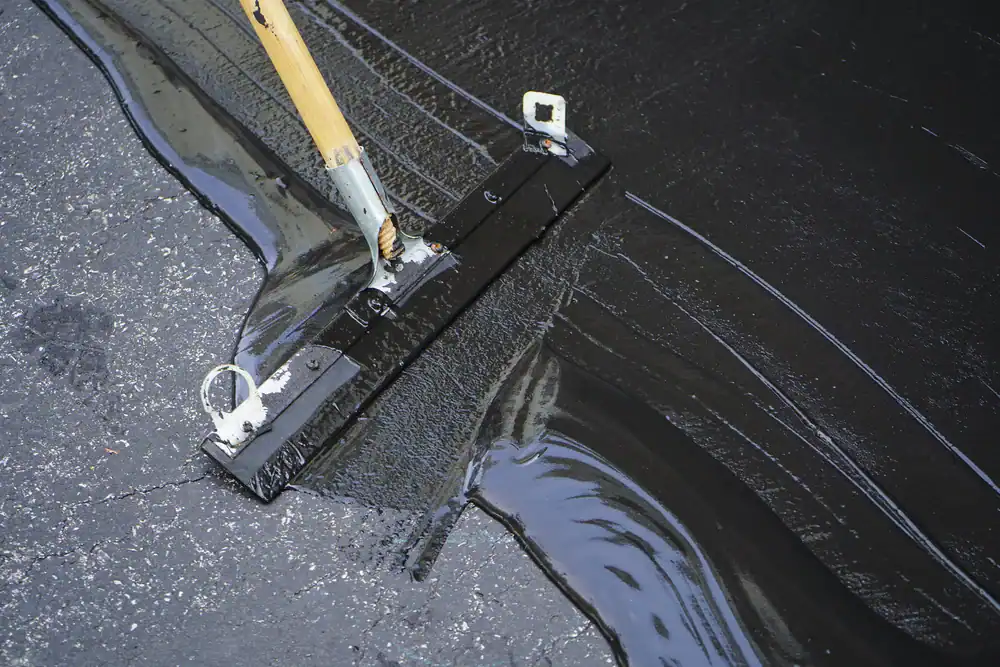
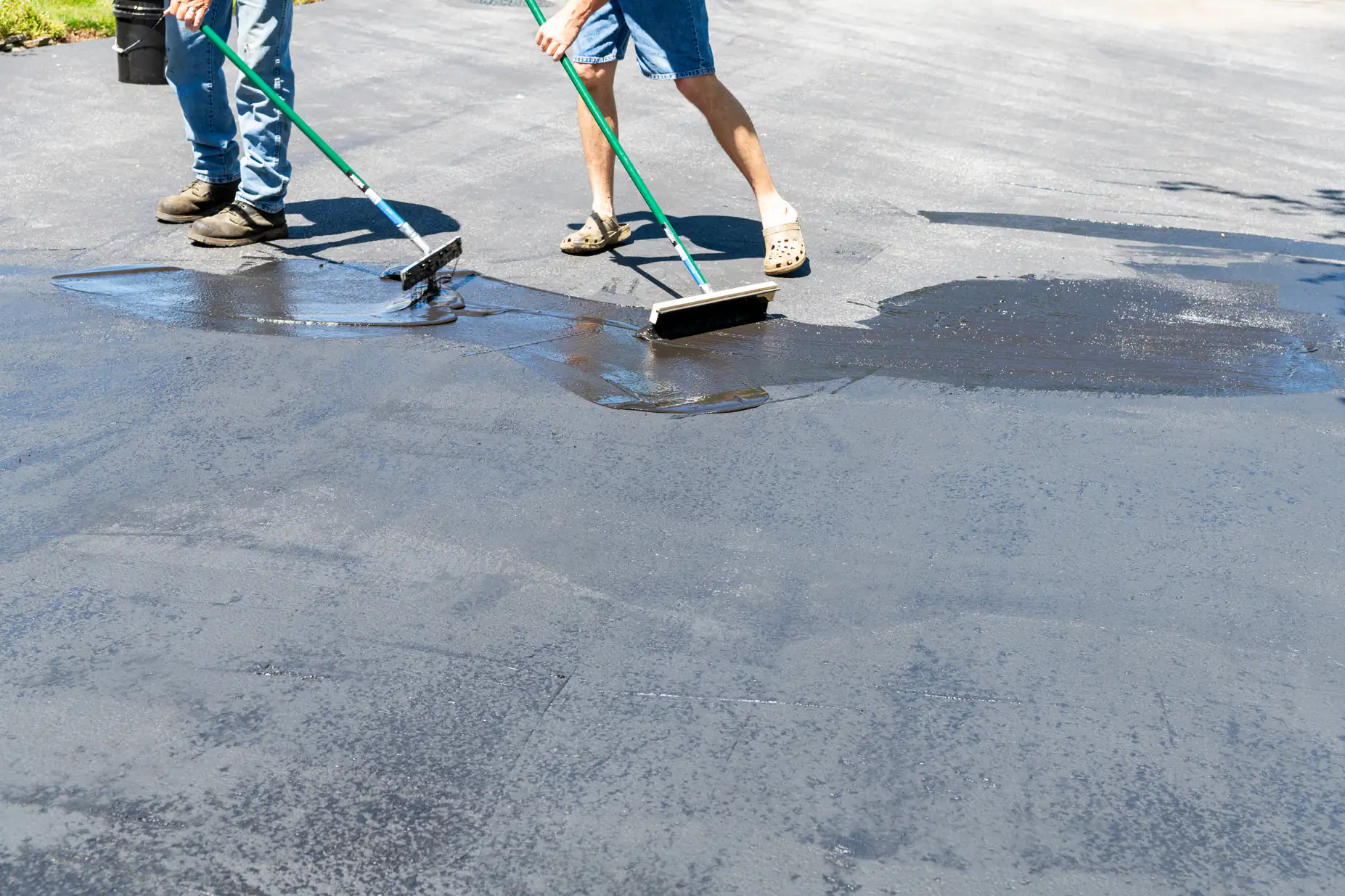
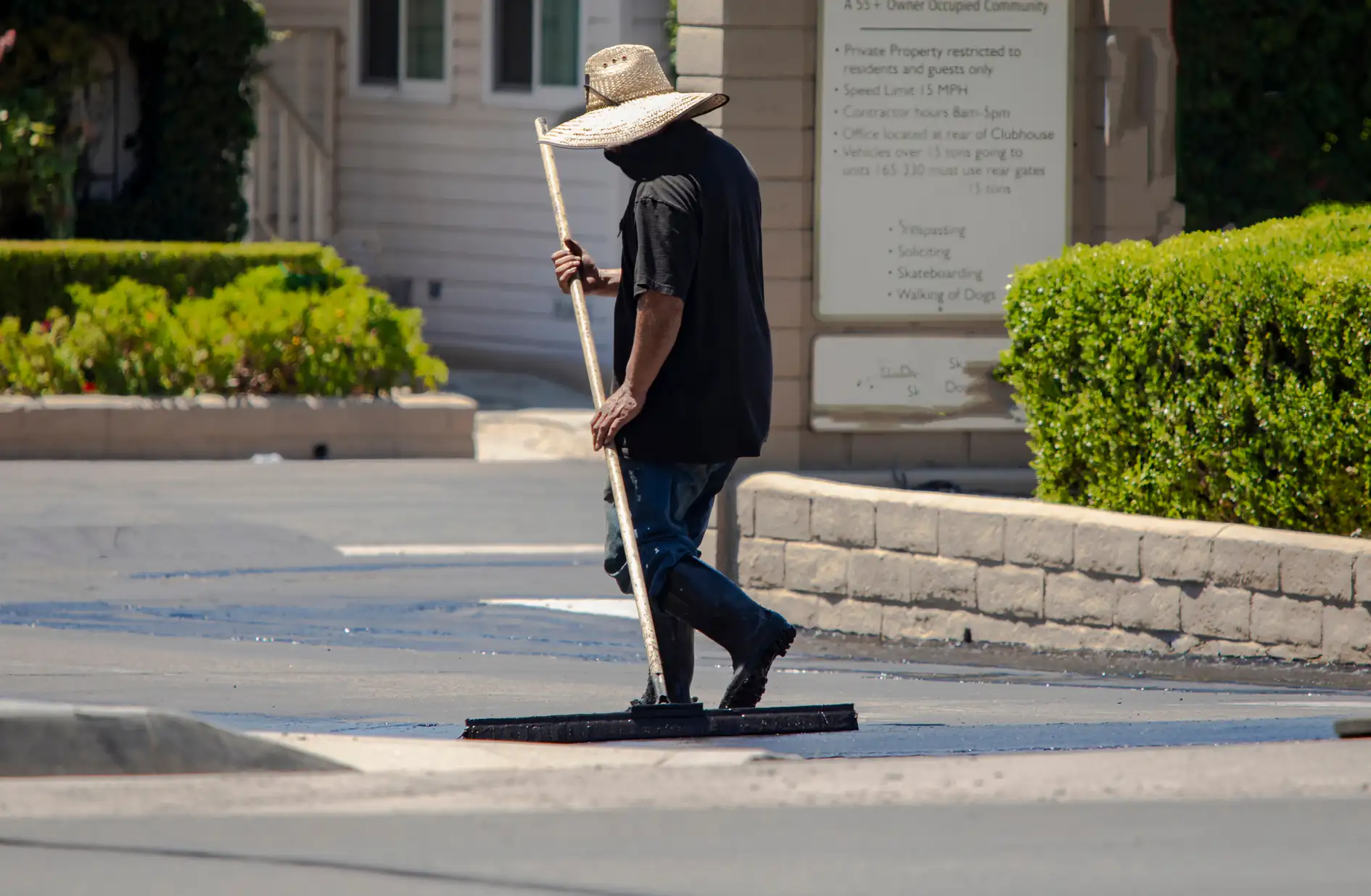
Then we apply the sealcoat by hand. We use a two-coat application for driveways in this area because New Jersey winters demand it. The first coat seals the surface. The second coat adds durability and that clean, even finish.
You’ll need to stay off the driveway for 24 to 48 hours depending on temperature and humidity. After that, it’s ready for normal use. We recommend resealing every two to three years to keep the protection active, especially if your driveway gets full sun or heavy use.
Ready to get started?
Sealcoating in New Jersey runs between 15 and 20 percent higher than the national average, and there’s a reason for that. Our climate is harder on asphalt than most of the country. Freeze-thaw cycles, heavy precipitation, and temperature swings mean the materials and methods have to be better.
A typical driveway sealcoating job in Boonton costs between $0.15 and $0.40 per square foot depending on the size and condition. For an average two-car driveway, that’s usually $150 to $500. If you need crack filling, edging work, or repairs before sealing, that adds to the cost—but it’s still a fraction of what you’d pay to replace the whole thing.
We use professional-grade sealant that’s designed for northern climates. Some contractors dilute the product to save money. That might get you through one winter, but it won’t hold up long-term. We don’t do that.
You’re also paying for proper application. Hand-applied sealcoat gives you even coverage and better adhesion than spray methods. It takes longer, but it lasts longer too. The goal isn’t just to make your driveway look good for a season—it’s to protect your investment for years.

Fall is the best window for driveway sealcoating in northern New Jersey. You need temperatures above 50 degrees during the day and no rain in the forecast for at least 24 hours. That usually means late April through early November, but September and October are ideal.
The sealant needs time to cure before cold weather sets in. If you wait until late fall, you’re gambling with the weather. Too cold, and the sealant won’t bond properly. Too much moisture, and it won’t dry.
Spring works too, but you’re often dealing with unpredictable rain and temperature swings. Summer is fine if it’s not too hot—extreme heat can cause issues with application. Fall gives you the most consistent conditions and gets your driveway protected right before winter, which is when it needs that protection most.
A properly applied sealcoat lasts about two to three years in New Jersey. That timeline can shift depending on how much sun exposure your driveway gets, how much traffic it sees, and whether you’re dealing with oil stains or chemical spills.
Driveways that face south and get full sun all day will fade faster because UV rays break down the sealant. Heavy use—multiple vehicles, frequent turning, delivery trucks—wears through the coating sooner. If you park in the same spot every day, you’ll see wear patterns develop there first.
The key is resealing before the protection is completely gone. If you wait until the asphalt starts looking gray and dried out again, water is already getting in. Staying on a regular schedule—every two to three years—keeps the asphalt in good shape and avoids bigger problems down the road. Think of it like changing the oil in your car. You don’t wait until the engine seizes.
Sealcoating is specifically for asphalt driveways. Concrete needs a different type of sealer—one that’s designed for the way concrete absorbs moisture and reacts to freeze-thaw cycles. The products aren’t interchangeable.
If you have a concrete driveway, you’re looking at concrete sealing, not asphalt sealcoating. The process is different, the materials are different, and the cost structure is different. Concrete sealers penetrate the surface or form a protective layer on top, depending on the product. They protect against water intrusion, staining, and surface damage, but the application method and curing time aren’t the same.
We handle both asphalt and concrete work, so if you’re not sure what you have or what it needs, we can walk you through it. Some driveways are a mix—concrete apron at the street, asphalt up the slope. Each section gets treated with the right product for the material.
Most homeowners in Boonton pay between $150 and $500 for professional driveway sealcoating, depending on the size of the driveway and its condition. If you’ve got a standard two-car driveway in decent shape, you’re probably in the $250 to $400 range.
Pricing breaks down to about $0.15 to $0.40 per square foot. Larger driveways cost more in total, but the per-square-foot price usually drops a bit. If your driveway needs crack filling, edge work, or cleaning before we can seal it, that adds to the cost. We’ll tell you that upfront.
Compare that to replacing your driveway, which runs anywhere from $1,000 to $5,000 or more depending on size and access. Sealcoating every few years is the cheapest way to avoid that bill. You’re spending a few hundred dollars now to protect a several-thousand-dollar asset. It’s straightforward math, and it’s why most people who understand what sealcoating does make it part of their regular maintenance.
If it rains before the sealcoat has cured, you’ve got a problem. The sealant can wash away, streak, or fail to bond properly. That’s why we check the weather forecast before we start and why we won’t schedule a job if rain is likely within 24 hours.
Sealcoat needs time to dry and cure. In good conditions—warm, dry, low humidity—that’s usually 24 to 48 hours before you can drive on it. But it’s still vulnerable to heavy rain during that window. Light moisture after the surface has dried usually won’t ruin the job, but a downpour in the first 12 hours can.
This is one reason fall is a better time to sealcoat than spring in New Jersey. You get more predictable weather and longer dry stretches. If we’re mid-job and the forecast changes, we’ll let you know immediately. We’re not going to finish a job that’s going to fail because of weather. That doesn’t help anyone.
Sealcoating is not just cosmetic. It’s the difference between a driveway that lasts 15 years and one that lasts 25 or 30. The dark color is a side benefit—the real value is in the protection.
Asphalt is a mix of aggregate and a petroleum-based binder. Over time, that binder breaks down from UV exposure, water, and oxidation. The surface gets brittle, cracks form, and water seeps into the base. Once water gets under the asphalt, freeze-thaw cycles destroy it from below. Sealcoating slows that process way down.
It also protects against oil and gas spills, which eat through asphalt surprisingly fast. If you’ve ever seen a driveway with soft, crumbling spots where cars park, that’s usually from petroleum damage. Sealcoat creates a barrier that prevents that.
So yes, your driveway will look better. But more importantly, you’re preventing expensive damage and extending the life of the asphalt. If you’re planning to stay in your home for more than a few years, sealcoating pays for itself several times over.