
Driveway Paving in Possumtown, NJ

Get a Driveway That Actually Lasts

Professional asphalt and concrete installation that handles New Jersey weather without constant repairs.

Freshly paved black asphalt driveway curves through a green lawn, bordered by stone edging. Paving Contractors Morris, Sussex & Somerset County, NJ have tools and paving stones visible on the grass, all surrounded by tall trees and a sunny sky.

Hear from Our Customers

A blue dump truck with "Platinum Paving" written on the door is parked on a dirt lot in NJ, surrounded by trees and other trucks under a partly cloudy sky. Trusted by Sussex & Somerset County as premier paving contractors Morris.

Possumtown Asphalt Driveway Installation

Your Property Value Just Went Up

A properly installed driveway does more than just look good. It handles the freeze-thaw cycles that destroy cheaper work, gives you smooth access year-round, and stops those annoying puddles that turn into ice rinks every winter.

You get curb appeal that actually impresses people. Not the kind that looks decent for six months, then starts cracking. The kind that still looks professional five years later because it was done right the first time.

No more avoiding certain spots when you pull in. No more explaining to guests why they should park on the street instead. Just a clean, durable surface that works exactly like it should.

Residential Driveway Paving Contractors

We Know New Jersey Driveways

Platinum Paving has been handling residential driveway projects throughout New Jersey for years. We understand how this state’s weather beats up pavement and what it takes to build something that holds up.

Our team uses professional-grade equipment and materials designed for New Jersey’s soil conditions and climate. Every project gets the same attention whether it’s a simple resurfacing job or a complete new installation.

Local homeowners choose Platinum Paving because we show up when scheduled, work efficiently, and stand behind our installations with real warranty coverage.

A worker in a blue shirt smooths the edge of freshly laid asphalt while another operates an orange paving machine on a rural road—Paving Contractors Morris, Sussex & Somerset County, NJ ensure quality results amid grass, bare trees, and a cloudy sky.

New Driveway Installation Process

Here's Exactly What Happens

First, our team evaluates your existing driveway and drainage situation. We measure everything, check the base conditions, and explain your options for asphalt versus concrete based on your specific needs and budget.

Next comes preparation. Old material gets removed if necessary, the base gets properly graded and compacted, and drainage issues get addressed before any new material goes down. This foundation work determines how long your driveway actually lasts.

Installation happens efficiently with professional equipment. For asphalt projects, hot mix gets laid and compacted to the right thickness. Concrete work involves proper forming, pouring, and finishing. You get a timeline upfront and regular updates throughout the process.

Final inspection ensures everything meets standards before the job gets signed off. You receive care instructions and warranty information so you know exactly how to maintain your investment.
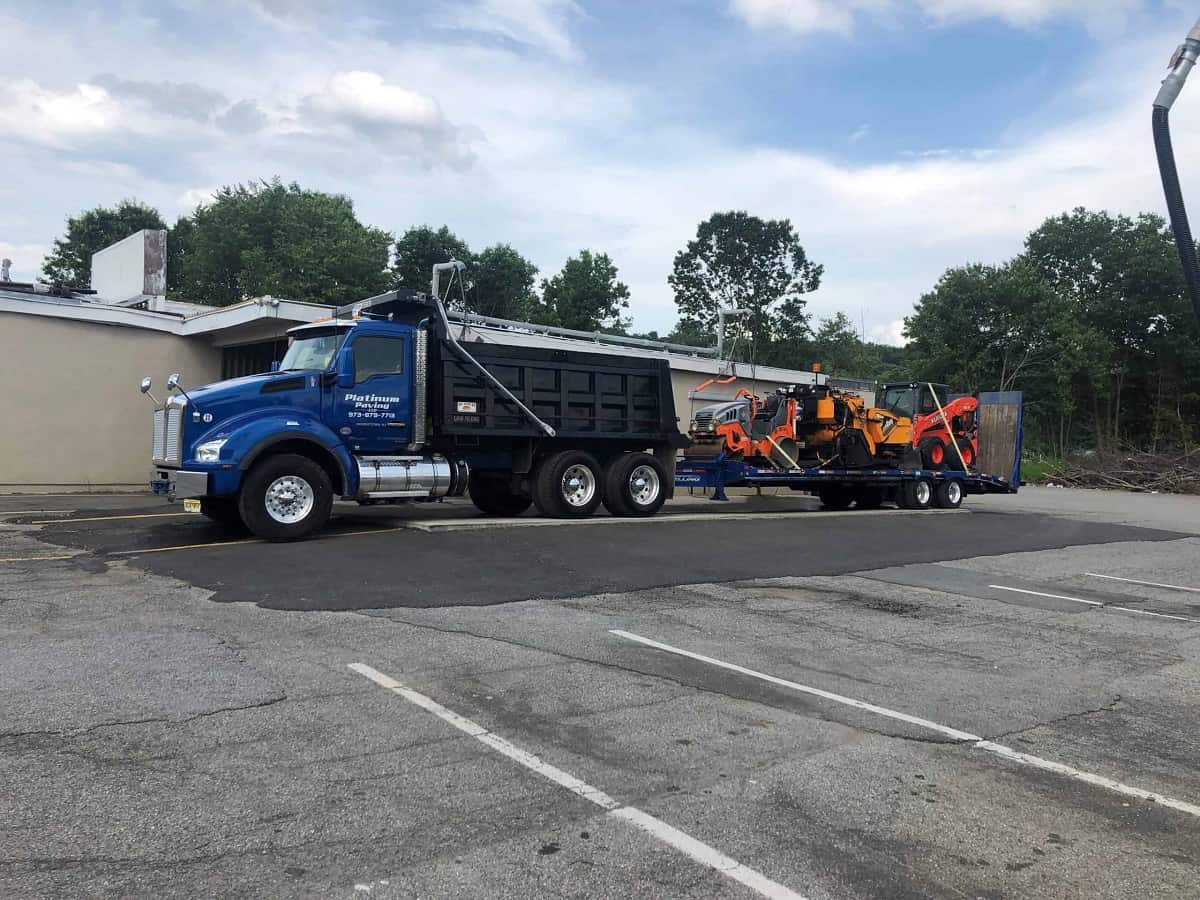
A blue dump truck with a black bed, used by Paving Contractors Morris, NJ, is parked in a lot towing a flatbed trailer with orange construction equipment. Trees and a building are visible in the Sussex & Somerset County background.

Ready to get started?

Explore More Services

About Platinum Paving

Get a Free Consultation

Driveway Resurfacing and Repair

Complete Driveway Solutions for Possumtown

Every project includes proper site preparation, professional-grade materials, and installation that meets local codes. Whether you need new asphalt driveway paving, concrete installation, or resurfacing of existing pavement, our approach stays consistent.

Possumtown’s soil conditions and drainage patterns require specific techniques that many contractors skip. We address these factors during the planning phase, preventing the common problems that show up months later when shortcuts were taken.

Our service covers everything from small repair work to complete driveway replacement. Blacktop driveway paving projects include proper edge work and sealing. Concrete installations get reinforcement and expansion joints where needed. You get a finished product designed to handle daily use and seasonal weather changes without constant maintenance calls.

A newly paved asphalt driveway by Paving Contractors Morris, Sussex & Somerset County, NJ leads to a gray two-story house. Construction materials and a truck are nearby, with yellow caution tape blocking access. Trees surround the area.
Most residential asphalt driveway installations take 1-3 days depending on size and complexity. Day one typically involves removing old material and preparing the base. Day two covers the actual asphalt installation and compaction. Larger driveways or those requiring extensive drainage work may need additional time. Weather can affect the schedule since asphalt installation requires dry conditions and appropriate temperatures. You can usually drive on new asphalt within 24-48 hours, though heavy vehicles should wait about a week for full curing.
Asphalt typically costs less upfront but requires periodic sealing every 3-5 years. Concrete costs more initially but needs less frequent maintenance over its lifespan. In Possumtown’s climate, both materials perform well when properly installed. Asphalt handles freeze-thaw cycles better and repairs more easily. Concrete offers more design options and longer overall lifespan. The best choice depends on your budget, aesthetic preferences, and how long you plan to stay in the home. Most homeowners find asphalt more cost-effective for standard residential driveways.
Permit requirements depend on the scope of work and local regulations. Simple resurfacing usually doesn’t require permits, but new installations or significant changes to drainage might. If your project affects the right-of-way, changes the driveway width, or involves new culvert work, permits are typically required. We handle permit applications when needed and ensure all work meets local codes. Our team knows Possumtown’s requirements and can determine what permits apply to your specific project during the initial consultation.
Keep the surface clean and address oil stains quickly with degreasing products. Avoid parking heavy vehicles or equipment on new asphalt for the first week. Schedule sealcoating every 3-5 years to protect against weather and extend lifespan. Fill small cracks promptly before they expand during freeze-thaw cycles. Ensure proper drainage by keeping edges clear of debris and snow. Avoid using metal shovels or rock salt directly on the surface during winter. Regular maintenance prevents minor issues from becoming expensive repairs and keeps your driveway looking professional for years.
Most cracking comes from poor base preparation, inadequate drainage, or freeze-thaw cycles affecting improperly installed material. New Jersey’s clay soil expands and contracts with moisture changes, putting stress on driveways without proper foundation work. Water infiltration accelerates damage when it freezes and expands in small cracks. Prevention starts with correct installation including proper base compaction, adequate thickness, and appropriate drainage solutions. Quality materials and professional installation techniques significantly reduce cracking problems. Regular maintenance like sealcoating also prevents water penetration that leads to structural damage.
Asphalt installation requires temperatures above 50°F and dry conditions, limiting winter work during cold snaps. However, mild winter days often provide suitable conditions for paving projects. Concrete work has more flexibility with cold-weather additives and proper curing techniques. Planning ahead for spring installation ensures optimal conditions and material performance. Emergency repairs can sometimes be completed during winter using specialized techniques, though permanent solutions usually wait for better weather. The best approach is scheduling major driveway work for late spring through early fall when weather conditions consistently support proper installation and curing.