
Driveway Paving in Glen Alpin, NJ

Get a Driveway That Actually Lasts

Professional installation and repair that handles New Jersey weather without breaking your budget.

Freshly paved black asphalt driveway curving through a green lawn with stone edging

Hear from Our Customers

Blue Platinum Paving dump truck parked on a dirt lot

Professional Asphalt Driveway Installation Services

What You Get With Quality Work

Your driveway stops being a problem you think about. No more dodging potholes or worrying about what visitors think when they pull up.

A properly installed driveway handles everything New Jersey throws at it. Heavy snow loads, freeze-thaw cycles, summer heat – it all becomes background noise instead of expensive headaches.

You get years of reliable access to your home without constant patching, sealing, or explaining to guests why they need to park on the street. Just a clean, functional surface that does its job and looks good doing it.

Glen Alpin Driveway Contractors

We Know New Jersey Driveways

Platinum Paving has been handling residential driveway projects throughout Morris County for years. We understand what works in this climate and what doesn’t.

Every crew member knows the difference between a quick fix and a lasting solution. We’ve seen what happens when corners get cut, and we’ve built our reputation on doing the opposite.

We focus on Glen Alpin and surrounding areas because local knowledge matters. We understand soil conditions, drainage patterns, and the specific challenges that come with this region’s weather patterns.

Worker smoothing the edge of fresh asphalt beside an orange paving machine

Driveway Installation Process Glen Alpin

Here's How Your Project Actually Works

First, we evaluate your existing driveway and drainage situation. We measure, check grades, and identify any underlying issues that need attention before new paving begins.

Next comes preparation – the most important part most homeowners never see. Proper excavation, base preparation, and grading determine whether your driveway lasts five years or twenty years.

Installation happens fast once prep work is complete. Professional-grade equipment and experienced crews mean your driveway goes from unusable to finished in typically one to two days, depending on size and complexity.

Final inspection ensures proper drainage, smooth transitions, and clean edges. You get a walkthrough of the completed work and guidance on initial curing time before normal use.
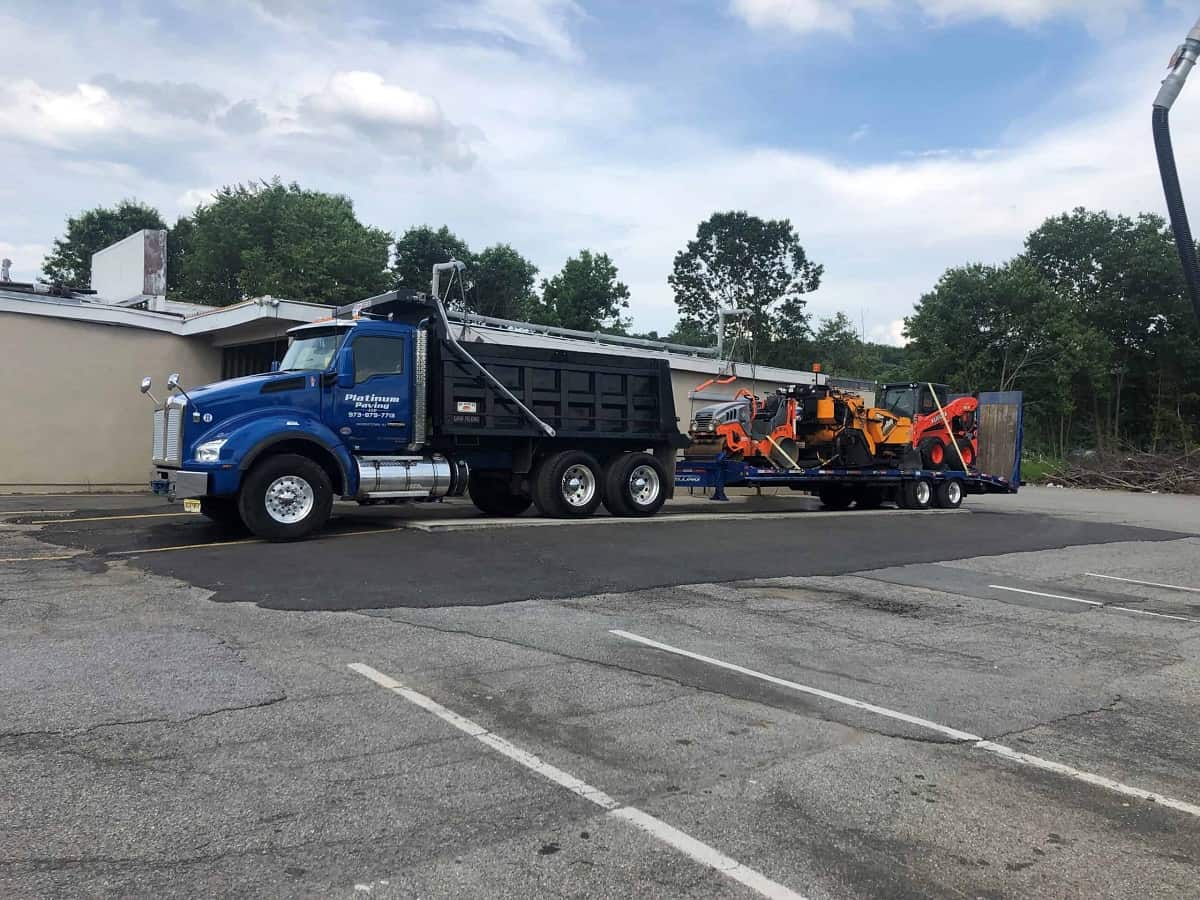
Blue dump truck towing a flatbed trailer with an orange backhoe in a parking lot

Ready to get started?

Explore More Services

About Platinum Paving

Get a Free Consultation

Residential Driveway Paving Services

What's Actually Included in Your Project

Every driveway project includes complete site preparation, proper base installation, and professional-grade paving materials. No shortcuts, no surprises, no extra charges for “standard” work that should have been included from the start.

Drainage solutions get built into every installation. Glen Alpin’s terrain and weather patterns require specific attention to water management, and experienced contractors know how to handle these challenges before they become problems.

Cleanup is part of the job, not an afterthought. Your property gets returned to its original condition minus the old driveway problems. We understand that your home isn’t our construction site – it’s where you live.

New asphalt driveway leading to a gray two-story house, blocked off with caution tape
Most residential driveways take one to two days for complete installation, weather permitting. Day one typically involves excavation and base preparation – the foundation work that determines how long your driveway will last. Day two focuses on paving and finishing work. Larger or more complex driveways may require additional time, but you’ll know the timeline upfront. Weather delays can extend the schedule, particularly during New Jersey’s unpredictable spring and fall seasons.
Asphalt costs less upfront and handles freeze-thaw cycles better, making it popular in New Jersey. It’s flexible, easier to repair, and can be resurfaced when it eventually shows wear. Concrete lasts longer and requires less maintenance but costs more initially and can crack during harsh winters. For Glen Alpin’s climate, both work well when properly installed. Your choice often comes down to budget, appearance preferences, and how long you plan to stay in your home.
Driveway costs depend on size, material choice, site conditions, and current driveway removal requirements. Asphalt typically runs less per square foot than concrete, but both require proper base preparation for lasting results. Steep grades, drainage issues, or difficult access can affect pricing. The most accurate approach is getting quotes from local contractors who can evaluate your specific situation. Beware of estimates that seem too good to be true – quality installation requires proper materials and time.
Late spring through early fall offers the best conditions for driveway paving in New Jersey. Asphalt needs warm temperatures for proper installation and initial curing. Summer provides ideal conditions, but scheduling can be challenging due to high demand. Spring and fall work well if temperatures stay consistently above 50 degrees. Winter paving is possible but not recommended except for emergency repairs. Planning your project for shoulder seasons often means better availability and potentially better pricing.
Most driveway replacements in Glen Alpin don’t require permits if you’re staying within existing boundaries and not changing drainage patterns. However, expanding your driveway, altering the connection to the street, or significant grade changes may require township approval. We’re familiar with local requirements and can guide you through any necessary permitting process. It’s always better to check with Glen Alpin’s building department before starting work rather than dealing with compliance issues later.
You can typically walk on new asphalt within a few hours, but wait at least 24-48 hours before driving on it, depending on weather conditions. Hot summer temperatures require longer curing time, while cooler weather allows earlier use. Avoid turning your steering wheel while stationary for the first few weeks – this can leave marks in fresh asphalt. Concrete driveways need longer curing time, usually 7 days before normal vehicle use. We’ll provide specific guidance based on materials used and current conditions.