
Driveway Paving in Denville, NJ

Get the Driveway Your Home Deserves

Professional driveway paving that lasts decades, not years—built right the first time.

A newly paved black asphalt driveway curves through a green lawn with trees and landscaping. A few pavers and tools are on the grass beside the driveway, and people are seen working in the distance.

Hear from Our Customers

A shiny blue dump truck with chrome accents is parked on a dirt lot, surrounded by trees and other trucks in the background under a partly cloudy sky.

Asphalt Driveway Installation Denville

What You Get With Professional Paving

Your driveway stops being a source of stress and starts being something you’re proud to pull into every day. No more dodging potholes or worrying about what visitors think when they see your cracked, crumbling asphalt.

A properly installed driveway handles New Jersey’s freeze-thaw cycles without falling apart in two years. You get smooth surfaces that drain correctly, preventing water from pooling near your foundation. Your property value increases, and you stop throwing money at temporary patch jobs that never really fix the problem.

The right driveway installation means you’re done dealing with this headache for the next 15-20 years. You get reliability, curb appeal, and the peace of mind that comes from knowing it was built to last by people who understand how driveways fail—and how to prevent it.

Denville Driveway Paving Contractors

We Know New Jersey Driveways

We’ve been installing and repairing driveways throughout Morris County for years. We understand what works in New Jersey’s climate and what doesn’t—because we’ve seen every way a driveway can fail.

Most driveway problems start with poor preparation or shortcuts during installation. We don’t cut corners because we know you’re not looking to redo this project in five years. Our team focuses on proper grading, quality materials, and installation techniques that account for our local soil conditions and weather patterns.

We’re local contractors who live and work in the communities we serve. When we install your driveway, we’re building our reputation right in your neighborhood.

Two workers are paving a road; one operates an orange paving machine while the other smooths the fresh asphalt beside a grassy field under a partly cloudy sky.

Driveway Installation Process Denville

Here's How We Handle Your Project

We start with a site evaluation to assess your current driveway, drainage, and any underlying issues that need addressing. This isn’t just measuring—we’re looking at grade, soil conditions, and how water moves around your property.

Next comes excavation and preparation. We remove old material completely and prepare the base properly. This foundation work determines whether your driveway lasts two years or twenty. We compact the base in lifts and ensure proper drainage before any asphalt or concrete goes down.

Installation happens quickly once prep work is complete. We use quality materials and proven techniques to create a smooth, durable surface. After installation, we walk you through proper care and answer any questions about your new driveway. You get a finished product that’s ready to handle daily use and New Jersey weather for decades.
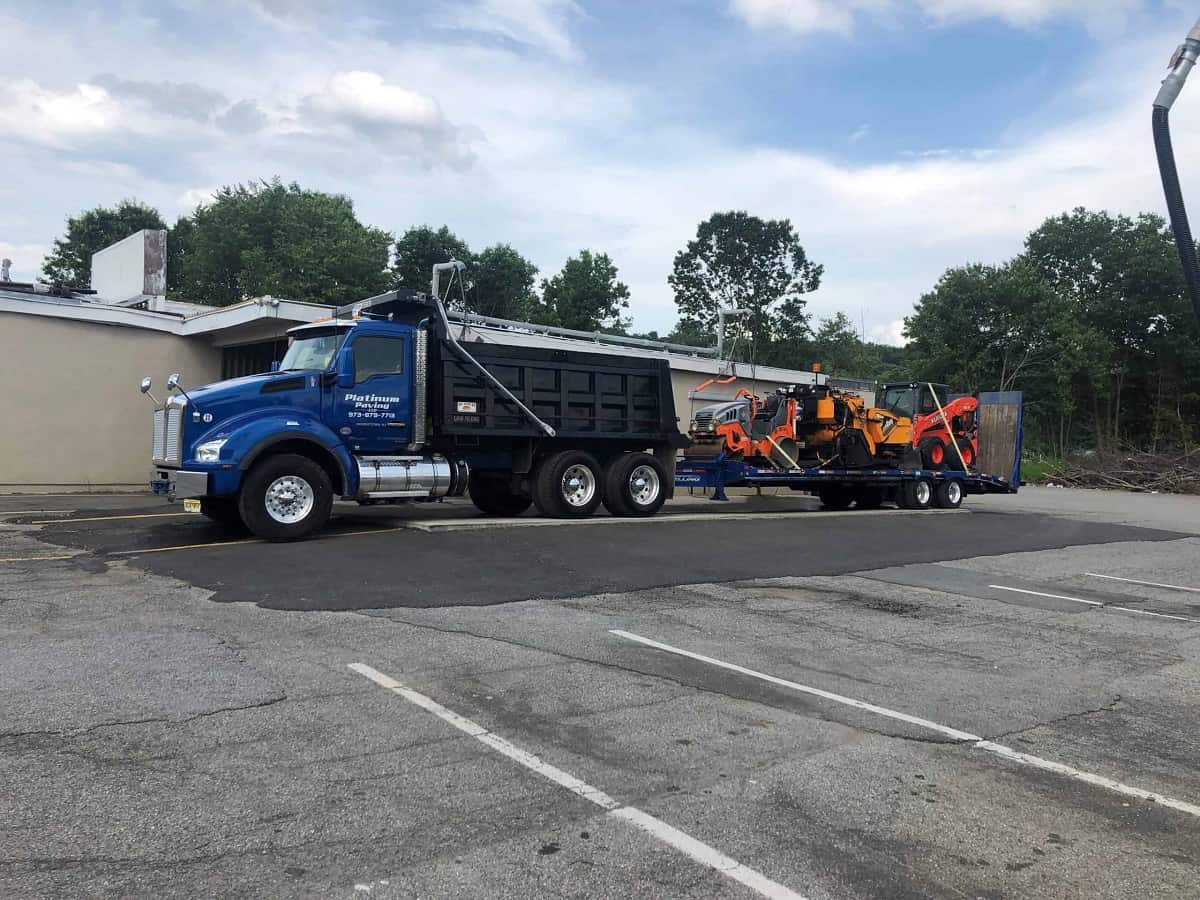
A blue dump truck is parked in a lot, towing a trailer that carries orange construction equipment. Trees and a building are visible in the background, and the parking lot is mostly empty.

Ready to get started?

Explore More Services

About Platinum Paving

Get a Free Consultation

Residential Driveway Paving Services

Complete Driveway Solutions for Denville Homes

We handle new driveway installation, complete reconstruction, and resurfacing for driveways that need a fresh top layer. Whether you’re building new construction or replacing a failing driveway, we work with both asphalt and concrete based on your needs and budget.

Our service includes proper grading and drainage solutions—critical in areas like Denville where water management prevents foundation problems. We also handle driveway repairs for smaller issues, though we’ll tell you honestly when repair makes sense versus replacement.

Every project includes site cleanup and clear communication about timeline and any temporary access limitations. We coordinate with you to minimize disruption to your daily routine, and we don’t consider the job complete until you’re satisfied with both the work and the cleanup.

A newly paved asphalt driveway leads to a gray house. Yellow caution tape blocks the entrance, and construction materials and a white pickup truck are on the sides. Trees and dirt surround the area.
Most residential driveway installations take 2-3 days from start to finish, depending on size and complexity. Day one typically involves excavation and base preparation. Day two covers installation of the new surface. Weather can affect timing, especially for asphalt work which requires specific temperature conditions. We’ll give you a realistic timeline upfront and keep you updated if conditions require any adjustments. The key is not rushing the prep work—proper foundation preparation takes time but determines how long your driveway lasts.
Asphalt typically costs less upfront but requires periodic sealing every 3-5 years. Concrete costs more initially but needs less ongoing maintenance. For most Denville homeowners, asphalt makes financial sense because it handles freeze-thaw cycles well and repairs easily if needed. Concrete works better for decorative applications or when you want a specific appearance. We’ll walk through both options based on your budget, aesthetic preferences, and how long you plan to stay in your home. The “cheaper” option isn’t always the most cost-effective long-term.
If more than 30% of your driveway surface shows cracking, crumbling, or potholes, replacement usually makes more sense than patching. Large cracks that return after repair indicate base problems that patches can’t fix. Standing water or drainage issues also signal foundation problems requiring full reconstruction. We’ll assess your specific situation honestly—sometimes a good repair buys you several more years, and sometimes it’s throwing money away. Age matters too; driveways over 15-20 years old with multiple issues typically benefit more from replacement than ongoing repairs.
We take precautions to protect existing landscaping, but some impact is unavoidable during excavation and equipment access. We’ll identify potential concerns during our initial site visit and discuss protection strategies for valuable plants or lawn areas. Most lawn damage from equipment traffic recovers naturally, though we can discuss restoration if needed. We clean up thoroughly and remove all old materials and debris. The key is communication upfront about any landscaping priorities so we can plan equipment access and material staging to minimize impact on areas that matter most to you.
Seal coating every 3-5 years protects against water penetration and extends driveway life significantly. We recommend waiting at least 6-12 months after installation before the first seal coat to allow the asphalt to cure properly. Keep the surface clean of debris and address any small cracks quickly before they expand. Avoid parking heavy vehicles in the same spots repeatedly, especially during hot weather when asphalt is softer. Winter salt won’t damage properly installed asphalt, but minimize use when possible. We’ll provide specific maintenance guidelines based on your installation and can recommend reliable contractors for future seal coating.
Asphalt installation requires temperatures above 50°F and dry conditions for proper compaction and curing. Cold weather makes asphalt difficult to work with and affects long-term durability. We typically avoid paving during rainy periods or when rain is forecast within 24 hours. Concrete is less temperature-sensitive but still requires protection from freezing during the first few days. We’ll reschedule if weather conditions aren’t ideal rather than compromise quality. Spring through fall offers the best conditions in New Jersey. We monitor forecasts closely and communicate any weather-related schedule changes as early as possible to minimize inconvenience.