
Driveway Paving in Cloverhill, NJ

Your Driveway Done Right, Built to Last

Professional driveway paving that enhances your property value and eliminates those frustrating cracks and potholes for good.

A newly paved black asphalt driveway curves through a green lawn with trees and landscaping. A few pavers and tools are on the grass beside the driveway, and people are seen working in the distance.

Hear from Our Customers

A shiny blue dump truck with chrome accents is parked on a dirt lot, surrounded by trees and other trucks in the background under a partly cloudy sky.

Professional Driveway Installation Services

What You Get With Professional Paving

You get a smooth, durable surface that actually lasts. No more dodging potholes in your own driveway or worrying about guests tripping on uneven pavement.

Your property value increases immediately. A well-paved driveway isn’t just functional—it’s one of the first things people notice about your home. Whether you’re planning to sell or just want to enjoy better curb appeal, professional paving delivers results you can see and feel every day.

The right materials and proper installation mean fewer headaches down the road. When we handle the base preparation correctly and use quality asphalt or concrete, you’re looking at years of reliable performance instead of constant patch jobs and repairs.

Cloverhill Driveway Paving Experts

We Know Cloverhill Driveways Inside and Out

We’ve been serving Cloverhill and surrounding New Jersey communities for years. We understand how our local climate affects pavement—from freeze-thaw cycles that crack inferior work to drainage challenges that come with our terrain.

We’re not the guys who show up, throw down some asphalt, and disappear. We do this work because we’re good at it, and because we know what it takes to create driveways that perform well in New Jersey weather.

You’ll find us throughout Cloverhill, working on residential properties where homeowners want the job done right the first time.

Two workers are paving a road; one operates an orange paving machine while the other smooths the fresh asphalt beside a grassy field under a partly cloudy sky.

Our Driveway Paving Process

Here's Exactly How We Handle Your Project

First, we assess your current driveway and property drainage. This isn’t just about laying new pavement—we need to understand what’s underneath and how water moves across your property. Poor base preparation is why most driveways fail early.

Next comes excavation and base preparation. We remove old materials, grade the area properly, and install the right base materials for your specific soil conditions. This foundation work determines how long your driveway will last.

Then we install your new asphalt or concrete driveway. We use professional-grade materials and equipment to ensure proper thickness, compaction, and finishing. The installation process typically takes one to two days, depending on size and complexity.

Finally, we handle cleanup and provide you with maintenance guidelines. You’ll know exactly how to care for your new driveway to maximize its lifespan.
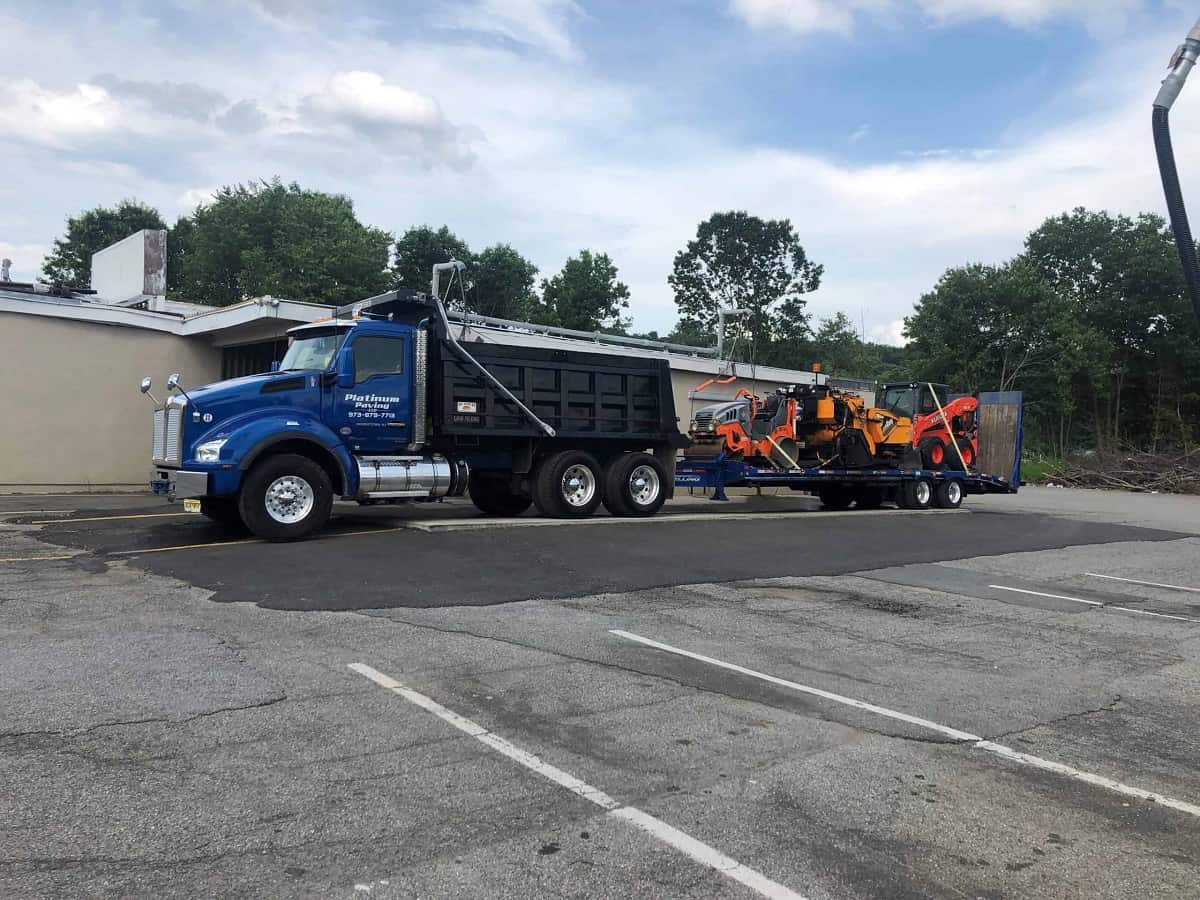
A blue dump truck is parked in a lot, towing a trailer that carries orange construction equipment. Trees and a building are visible in the background, and the parking lot is mostly empty.

Ready to get started?

Explore More Services

About Platinum Paving

Get a Free Consultation

Complete Driveway Paving Solutions

Everything You Need for Driveway Success

Our residential driveway paving covers both asphalt and concrete installations. Asphalt driveways offer flexibility and cost-effectiveness, while concrete provides longevity and design options. We’ll help you choose based on your budget, aesthetic preferences, and long-term goals.

We handle new driveway installation from scratch, complete driveway resurfacing for existing surfaces, and targeted repairs for specific problem areas. Each project includes proper drainage solutions—crucial in Cloverhill where water management can make or break a driveway’s performance.

Blacktop driveway paving remains popular here because it handles our weather well when installed correctly. We also offer driveway repair services for homeowners who need specific issues addressed before committing to full replacement.

A newly paved asphalt driveway leads to a gray house. Yellow caution tape blocks the entrance, and construction materials and a white pickup truck are on the sides. Trees and dirt surround the area.
Most residential driveway installations take two to three days from start to finish. Day one typically involves excavation and base preparation—the foundation work that determines your driveway’s longevity. Day two focuses on paving and initial finishing. For concrete driveways, you’ll need additional curing time before driving on the surface. Asphalt driveways can usually handle light traffic within 24-48 hours, though we recommend waiting a full week before parking heavy vehicles. Weather conditions and project complexity can affect timing, but we’ll give you a clear timeline before starting work.
Asphalt costs less upfront and handles freeze-thaw cycles better, making it popular in New Jersey. It’s also easier to repair if damage occurs. Concrete lasts longer overall and offers more design flexibility with colors and textures, but costs more initially and can crack in extreme temperature changes. For Cloverhill’s climate, both materials work well when installed properly. Asphalt typically needs resealing every 3-5 years, while concrete requires less maintenance but costs more to repair when problems develop. Your choice often comes down to budget, aesthetics, and how long you plan to stay in your home.
Driveway paving costs vary based on size, material choice, site conditions, and preparation requirements. Asphalt driveways typically range from $3-7 per square foot, while concrete runs $4-10 per square foot. However, these numbers mean little without seeing your specific situation. Steep grades, poor drainage, or extensive excavation needs can affect pricing significantly. The most expensive driveway is one that fails prematurely due to corner-cutting on materials or installation. We provide detailed estimates that break down all costs, so you understand exactly what you’re paying for and why.
Most driveway replacement projects don’t require permits if you’re staying within existing boundaries and not changing drainage patterns. However, new driveway installations, significant expansions, or changes that affect stormwater runoff may need township approval. Cloverhill has specific requirements about driveway width, setbacks, and drainage that we’re familiar with. We’ll let you know during our initial assessment if permits are necessary and can guide you through the process. It’s always better to check beforehand than deal with compliance issues later. Local regulations exist to protect both your property and your neighbors’ properties from drainage and safety problems.
Late spring through early fall offers the best conditions for driveway paving in New Jersey. Asphalt installation works best when temperatures consistently stay above 50 degrees, allowing proper compaction and curing. Concrete can be installed in cooler weather but requires protection from freezing during the curing process. Summer heat can make asphalt installation challenging during peak temperatures, so we often schedule work for early morning or late afternoon. Winter installations are possible but require special considerations and may cost more due to weather protection needs. Planning your project for spring or fall typically gives you the best combination of weather conditions, scheduling flexibility, and pricing.
A properly installed asphalt driveway should last 15-20 years with regular maintenance, while concrete driveways can last 25-30 years or more. The key phrase is “properly installed”—driveways that fail early usually have base preparation problems or used substandard materials. Regular maintenance extends lifespan significantly. For asphalt, this means periodic sealcoating and prompt crack repair. Concrete needs less frequent maintenance but benefits from sealing and joint care. Your driveway’s lifespan also depends on usage patterns, local weather exposure, and soil conditions. Heavy trucks, poor drainage, or unstable soil can shorten any driveway’s life. We focus on installation practices that maximize longevity rather than cutting corners for lower initial costs.