

Hear from Our Customers
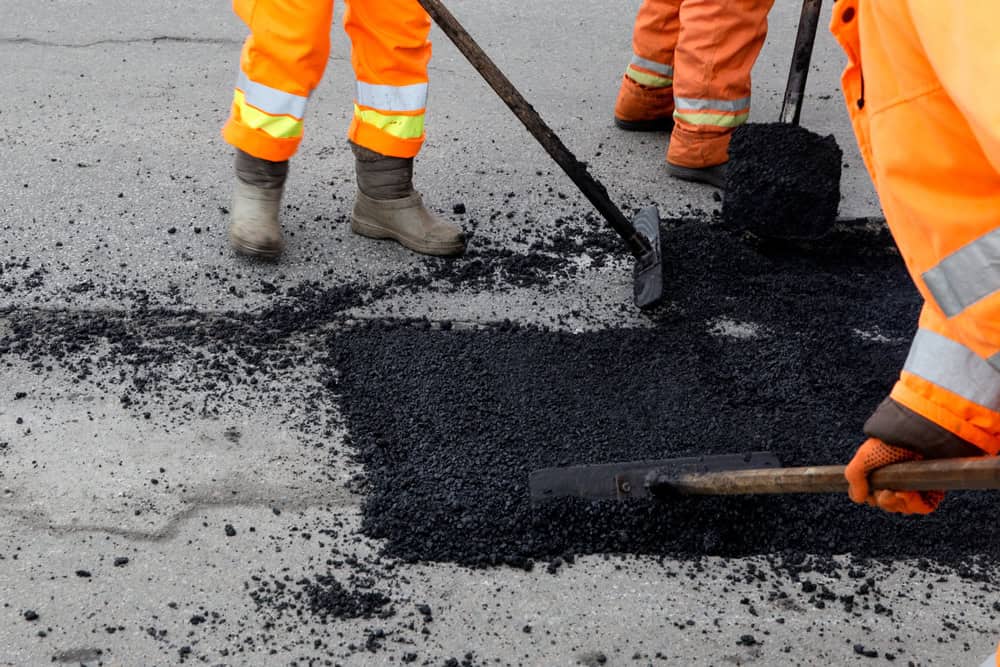
Your driveway or parking lot becomes an asset instead of a liability. Customers pull in without dodging potholes or worrying about their vehicles getting damaged.
Water drains properly instead of pooling near your entrance during storms. Your property looks professional again, creating that positive first impression when clients arrive.
You stop worrying about liability issues from cracked pavement or accessibility problems. The surface meets local requirements and handles daily traffic your business depends on.
Platinum Paving has been serving Cranberry Lake and Morris County with professional paving services for years. We understand what New Jersey winters do to pavement and how to build surfaces that can handle it.
When you call us, you’re working with contractors who live and work in your community. We stand behind our work because our reputation depends on it.
Most of our business comes from referrals and repeat customers throughout Cranberry Lake. That doesn’t happen by accident—it happens because we do the job right the first time.
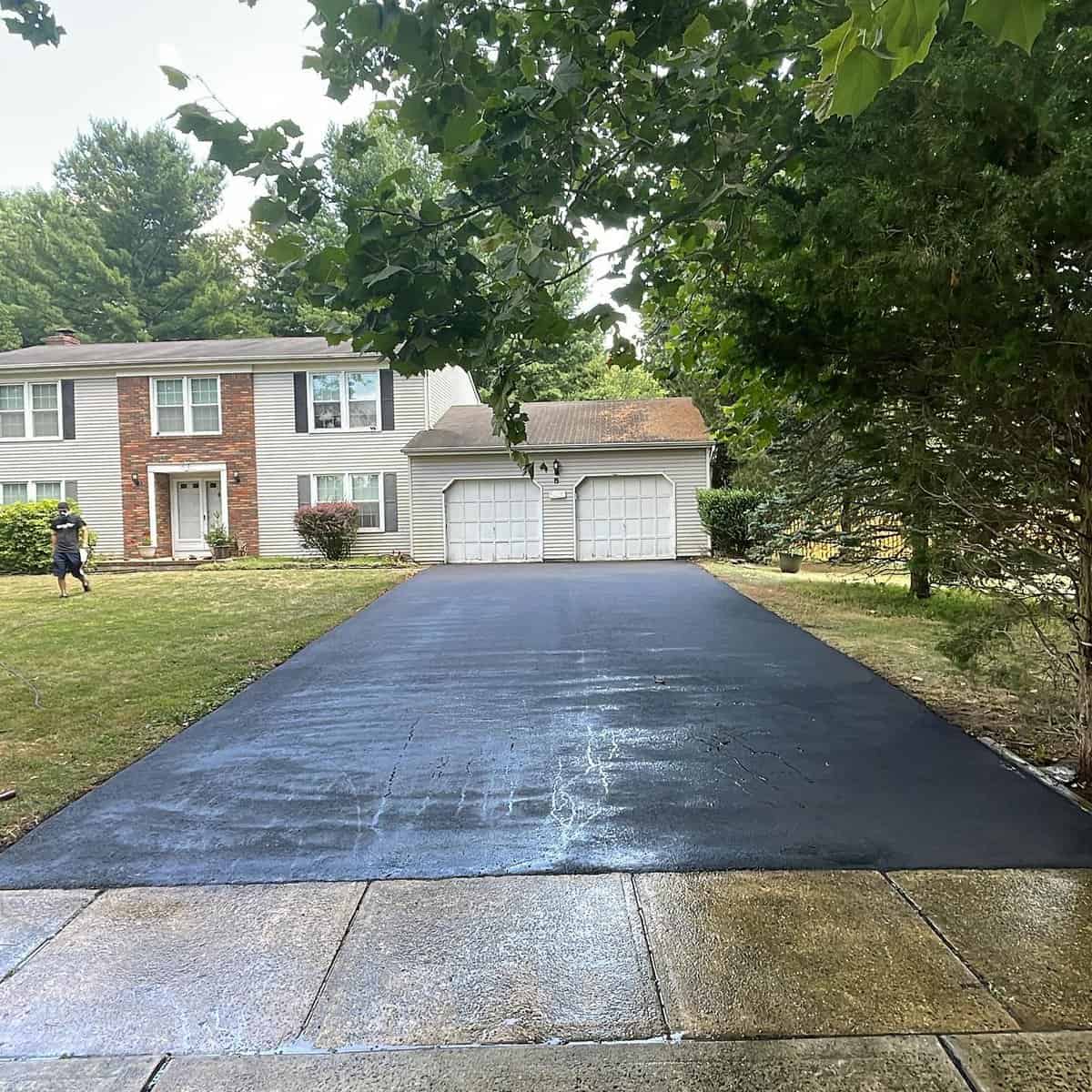
First, we assess your property and discuss timing that works around your schedule. Most projects can be phased to keep part of your area accessible while work happens.
Site preparation includes proper grading and base installation. This foundation work determines how long your pavement will last. We excavate to appropriate depth for local soil conditions and install compacted stone bases that provide long-term stability.
The paving itself happens quickly once prep work is complete. We use commercial-grade materials designed for the traffic loads your property handles. Asphalt installation follows industry standards for temperature control and compaction. The surface gets proper grading for drainage and meets local requirements.

Ready to get started?
Every paving project includes complete site preparation, proper base installation, and professional-grade materials. You get proper drainage grading that directs water away from your foundation and prevents ice buildup during Cranberry Lake’s freeze-thaw cycles.
The installation includes edge restraints that prevent crumbling and proper compaction that eliminates settling. All debris gets removed and disposed of properly—no mess left behind for you to deal with.
For commercial properties, we handle ADA-compliant accessibility features and can coordinate with utility companies if underground work is needed. Line striping and final details complete the project once the asphalt has properly cured.

Properly installed asphalt paving in Cranberry Lake should last 25-30 years with appropriate maintenance. This depends heavily on installation quality and local soil conditions.
Properties with poor drainage or inadequate base preparation typically see problems within 5-10 years. That’s why we focus so much on proper foundation work during installation.
Regular maintenance including sealcoating every 2-3 years and prompt crack sealing significantly extends pavement life. The key is starting with quality installation that can handle New Jersey’s freeze-thaw cycles.
Resurfacing means applying a new layer of asphalt over existing pavement that’s structurally sound but showing surface wear. It’s more cost-effective and faster than full reconstruction.
Complete replacement involves removing old pavement, addressing base issues, and building from the ground up. We recommend replacement when you have significant settling, drainage problems, or base failure.
The right choice depends on your current pavement condition and long-term goals. We’ll evaluate your specific situation and recommend the most cost-effective approach for your Cranberry Lake property.
Asphalt paving costs in Cranberry Lake typically range from $7-13 per square foot for new installation, including materials and labor. Resurfacing existing pavement runs $2-4 per square foot.
Complete reconstruction projects fall between $3-7 per square foot depending on complexity. The biggest cost variables are excavation requirements, base preparation needs, and drainage considerations specific to your property.
Properties with poor drainage or unstable soil conditions require additional foundation work that affects total project cost. We provide detailed written estimates after evaluating your specific site conditions.
The optimal paving season in New Jersey runs from late spring through early fall, with the best results achieved when temperatures consistently stay above 70°F. Asphalt needs warm temperatures for proper installation and compaction.
Winter months from December through March are generally off-limits for asphalt work because cold temperatures prevent proper material bonding. Spring installation gives your new pavement a full season to cure before facing winter weather.
We typically schedule most residential projects between April and October, though exact timing depends on weather patterns and your specific project requirements. Commercial projects sometimes require off-season work when temperatures allow.
Most driveway replacement projects don’t require permits in Cranberry Lake if you’re staying within existing boundaries. However, new driveways, significant grade changes, or modifications affecting drainage may need township approval.
Many homeowners don’t realize that certain paving projects require permits, particularly those involving drainage changes or work near public rights-of-way. Getting permits wrong can create expensive problems later.
We handle permit applications and ensure all work meets local building codes and requirements. This is included in our project coordination rather than being an additional charge, so you don’t have to navigate local requirements yourself.
Most residential driveway projects in Cranberry Lake take 2-3 days from start to finish. Day one involves removal of existing material and base preparation. Day two covers base installation and compaction. Day three handles final surface installation and cleanup.
Commercial parking lot projects take 3-7 days depending on size and complexity. Weather conditions can affect scheduling, especially during spring and fall when temperature swings impact asphalt curing.
We provide realistic timelines upfront and keep you updated if conditions require adjustments. The key is not rushing the base preparation—that’s what determines how long your pavement actually lasts.