Paving Contractor in Coontown, NJ

Asphalt That Actually Lasts

We’re a professional paving contractor delivering durable driveways and parking lots that handle New Jersey weather year after year.

A freshly paved parking lot with no cars parked, several caution cones, small signs on poles, and a person walking across the lot. Residential buildings and trees are visible in the background.

Hear from Our Customers

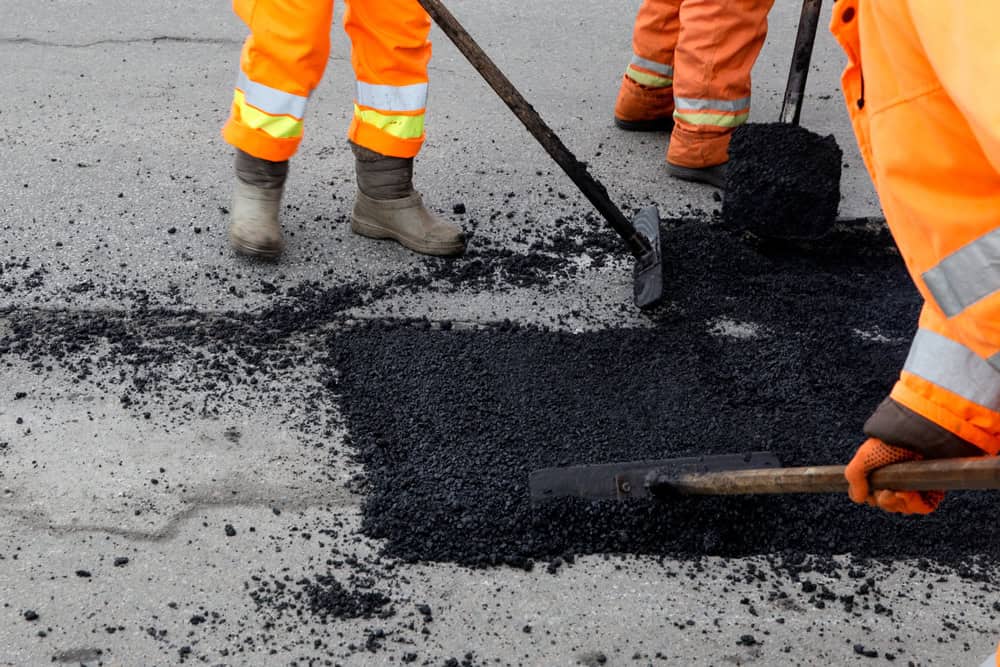
Workers in orange reflective clothing use shovels to spread asphalt while repairing a road. The image focuses on their legs and tools as they patch a section of damaged pavement.

Professional Asphalt Paving Services

Your Property Gets the Upgrade It Deserves

You know what it’s like dealing with cracked, uneven pavement. Every pothole damages your car. Every crack lets water seep toward your foundation. Every rough patch makes your property look neglected.

Professional asphalt paving changes all that. You get smooth surfaces that actually drain properly. No more dodging potholes in your own driveway. No more apologizing to customers about your parking lot.

The right paving contractor uses commercial-grade materials and proper installation techniques. That means your new asphalt handles freeze-thaw cycles without cracking apart. It means water flows where it should instead of pooling against your building. Most importantly, it means you’re done dealing with pavement problems for years to come.

Licensed Paving Contractor Coontown

We Know New Jersey Pavement

We’ve been handling asphalt projects throughout Coontown and the surrounding New Jersey area for years. We’re licensed, insured, and equipped with the commercial-grade tools needed for lasting results.

You won’t find us cutting corners with thin asphalt or skipping proper base preparation. Every project gets the same attention whether it’s a residential driveway or a large commercial parking lot.

Our crew understands New Jersey weather patterns and soil conditions. That knowledge shows up in proper drainage planning and material selection that actually holds up to what Mother Nature throws at it.
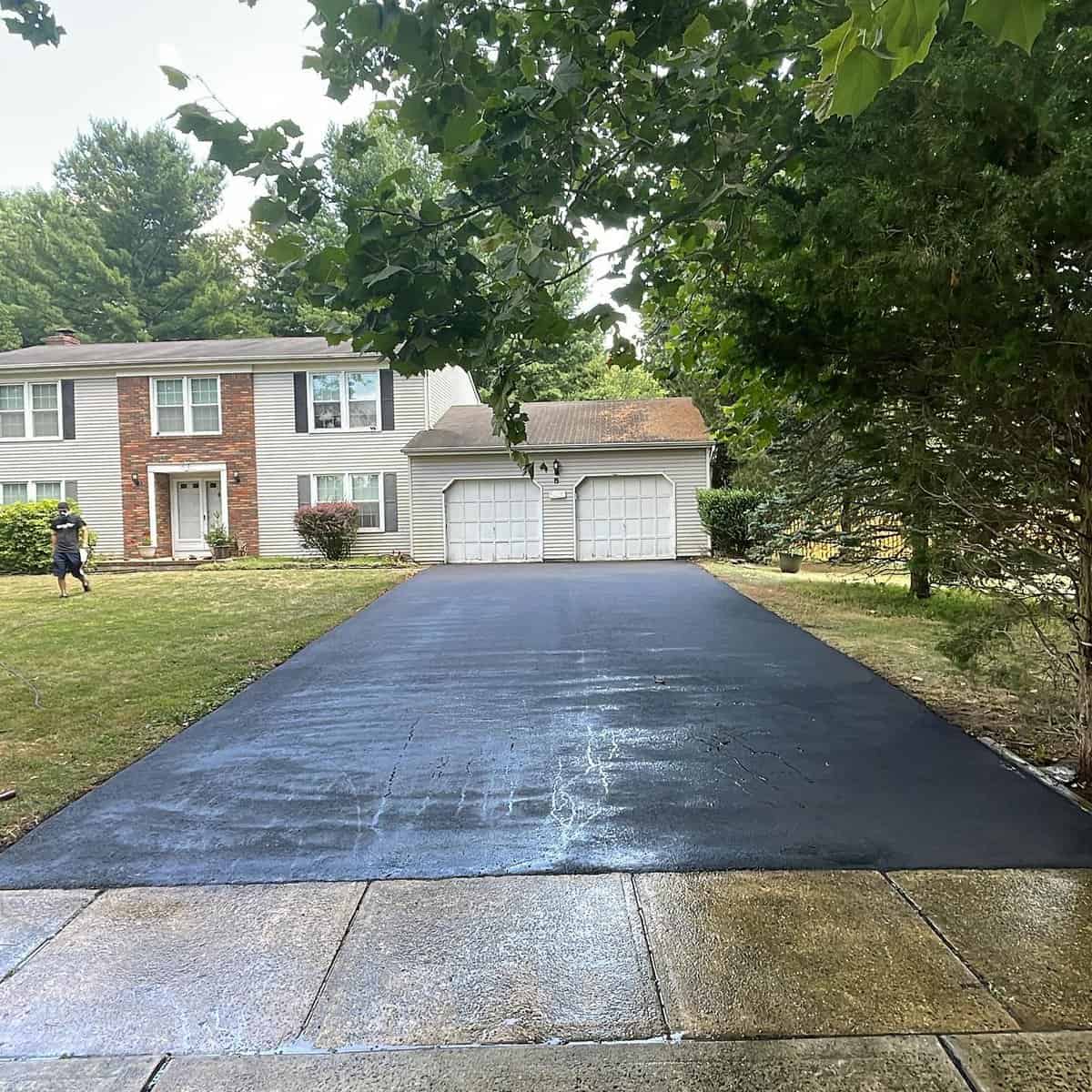
A freshly sealed black asphalt driveway leads to a two-car garage attached to a two-story house with brick and siding. Trees and grass surround the driveway, and part of a wet sidewalk is visible in the foreground.

Driveway Paving Process Coontown

Here's Exactly What Happens

First, we evaluate your existing pavement and drainage situation. You get a detailed written estimate that covers materials, labor, and timeline. No surprises or change orders later.

Next comes proper site preparation. We excavate to the right depth and install a solid base layer. This step determines how long your pavement lasts, so we don’t rush it.

Then we apply the asphalt in lifts using commercial equipment for even thickness and proper compaction. Temperature and weather conditions matter here, so we time everything right. Finally, we handle complete cleanup and mark any areas that need time to cure before heavy use.

A large house with beige siding and stone accents has a newly paved black asphalt driveway. An orange road roller compactor is parked on the driveway, surrounded by trees and fallen leaves.

Ready to get started?

Explore More Services

About Platinum Paving

Get a Free Consultation

Commercial Residential Paving Services

Complete Asphalt Solutions for Every Project

Whether you need a new driveway, parking lot repair, or complete commercial paving project, we handle it all. Residential customers get the same professional approach we use for commercial clients.

Coontown properties face specific challenges with soil conditions and drainage patterns. We factor in local weather data and ground conditions when planning your project. That means proper slope calculations for water runoff and base preparation that won’t shift over time.

Every project includes thorough site cleanup and clear instructions for curing time. You’ll know exactly when you can drive on your new pavement and what to expect during the first few weeks.

A small orange Kubota loader unloads debris into a blue dump truck parked on a residential street, while a worker stands on top of the truck near trees and power lines.
You can typically drive on new asphalt within 24-48 hours, but full curing takes several weeks. We recommend avoiding heavy vehicles or sharp turns for the first week, especially in hot weather. The asphalt continues hardening for months, but normal use won’t damage it after the initial curing period. We’ll give you specific guidelines based on weather conditions and the thickness of your installation.
Repair works when you have isolated cracks or small potholes with a solid base underneath. Full replacement is necessary when the base has failed, causing widespread cracking or settling. We evaluate the extent of damage and base condition to recommend the most cost-effective approach. Sometimes patching buys you a few more years, but other times it’s throwing money at a problem that needs complete reconstruction.
Most residential driveways need 2-3 inches of asphalt over a properly prepared base. The base layer is actually more important than asphalt thickness for long-term durability. We typically recommend 4-6 inches of compacted stone base depending on soil conditions. Commercial applications or driveways with heavy truck traffic need thicker asphalt, usually 3-4 inches minimum.
Most cracking comes from water infiltration, poor drainage, or inadequate base preparation. New Jersey’s freeze-thaw cycles make water damage especially problematic. Proper installation with good drainage and a solid base prevent most issues. Regular sealcoating every 2-3 years helps protect the surface from water penetration and UV damage. Addressing small cracks quickly prevents them from spreading into bigger problems.
Professional installation typically costs 3-4 times more upfront than DIY approaches, but lasts much longer. DIY asphalt often fails within a few years due to improper base preparation and inadequate compaction equipment. Professional work includes proper excavation, base installation, and commercial-grade compaction that DIY can’t match. When you factor in the longevity difference, professional installation usually costs less per year of service life.
Late spring through early fall offers the best conditions for asphalt installation. We need temperatures above 50°F for proper material handling and compaction. Summer heat can make working conditions challenging, but the asphalt cures well. Fall is often ideal because temperatures are moderate and you have time to enjoy the results before winter. We avoid winter work except for emergency repairs because cold weather affects material performance and curing.