
Hear from Our Customers
You’ve probably seen it happen. A neighbor hires someone cheap, the driveway looks great for six months, then the settling starts. Cracks appear. Water pools where it shouldn’t. By year two, it’s a mess.
That’s what happens when contractors don’t understand Morris County’s clay soil and the 40 to 50 freeze-thaw cycles we get every winter. The ground expands when it freezes, contracts when it thaws, and driveways that weren’t built for it just fall apart.
When your concrete driveway is installed correctly from the start, you’re not calling someone back in two years. The base is prepared for soil movement. Drainage is planned before the first pour. Rebar reinforcement keeps everything stable through temperature swings. You get a surface that stays level, sheds water properly, and doesn’t crack every time the weather changes.
We’ve been working in Morris County since before White Meadow Lake’s real estate market took off. We’ve seen property values climb to over $600K median, and homeowners here expect work that matches those standards.
We’re not a crew that shows up, pours concrete, and disappears. The owner is on every job site. We pull permits when they’re required. We provide insurance documentation with every proposal because we know you’re protecting a significant investment.
When you’re in a lakeside community where homes are selling for close to a million dollars, your driveway isn’t just functional. It’s part of your property value. We treat it that way.
First, we assess your site. That means looking at drainage patterns, checking soil conditions, and measuring grade. If water’s going to be a problem, we need to know before we pour anything.
Next comes excavation and base prep. This is where most contractors cut corners, and it’s where driveways fail. We dig deep enough to get below the frost line and build a stable aggregate base that won’t shift when the ground freezes. For Morris County’s clay soil, this step makes or breaks everything.
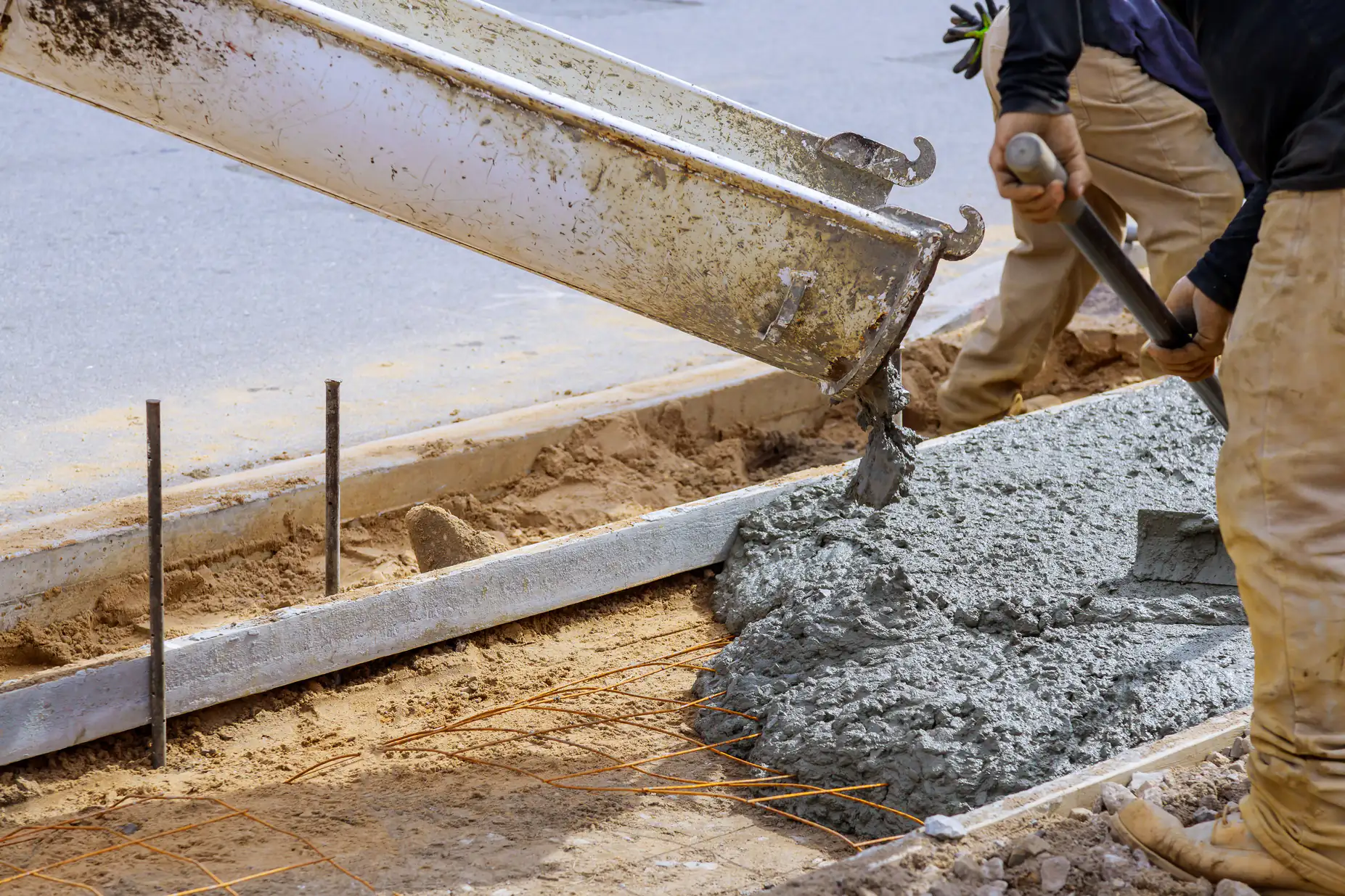
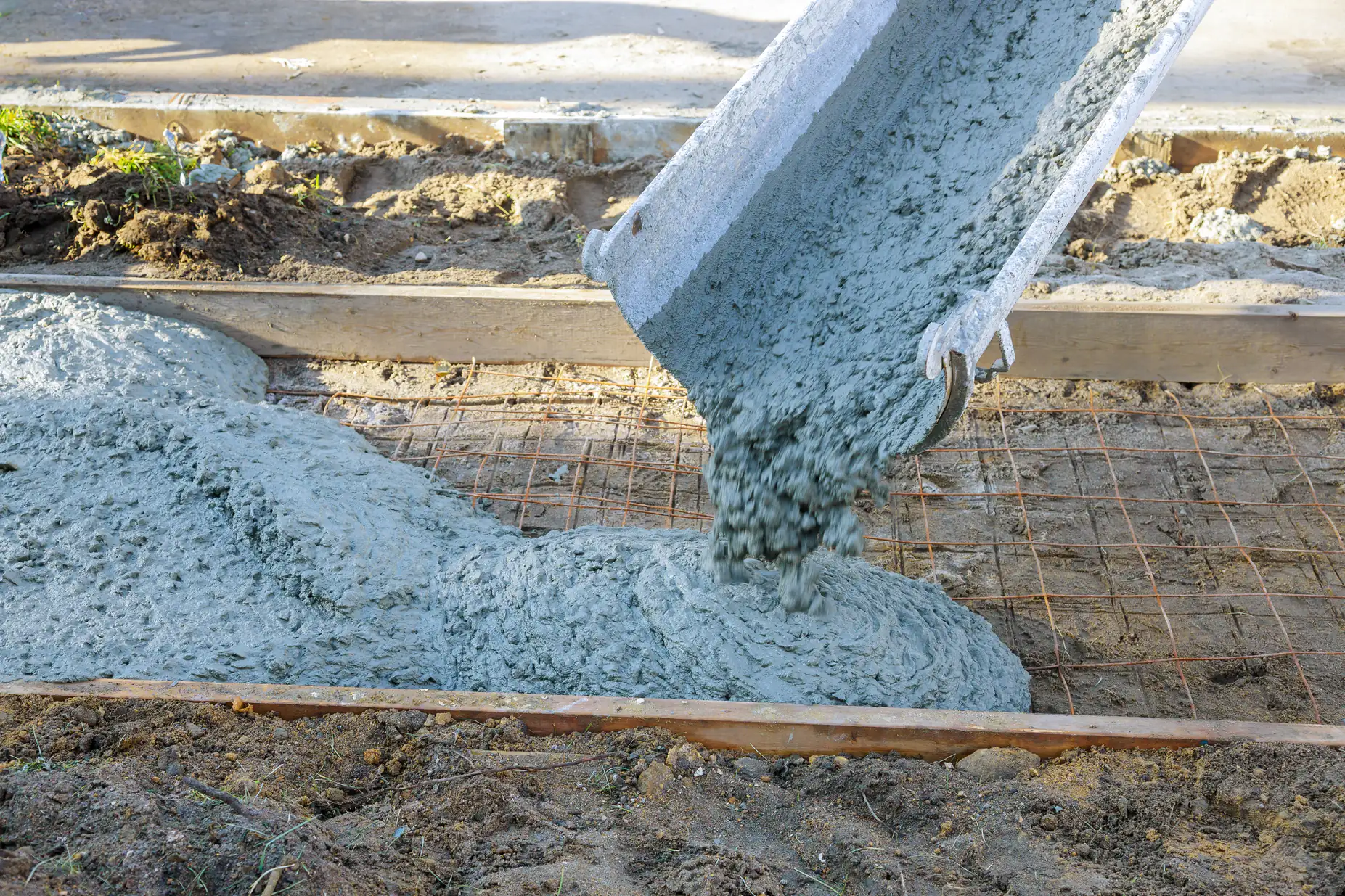
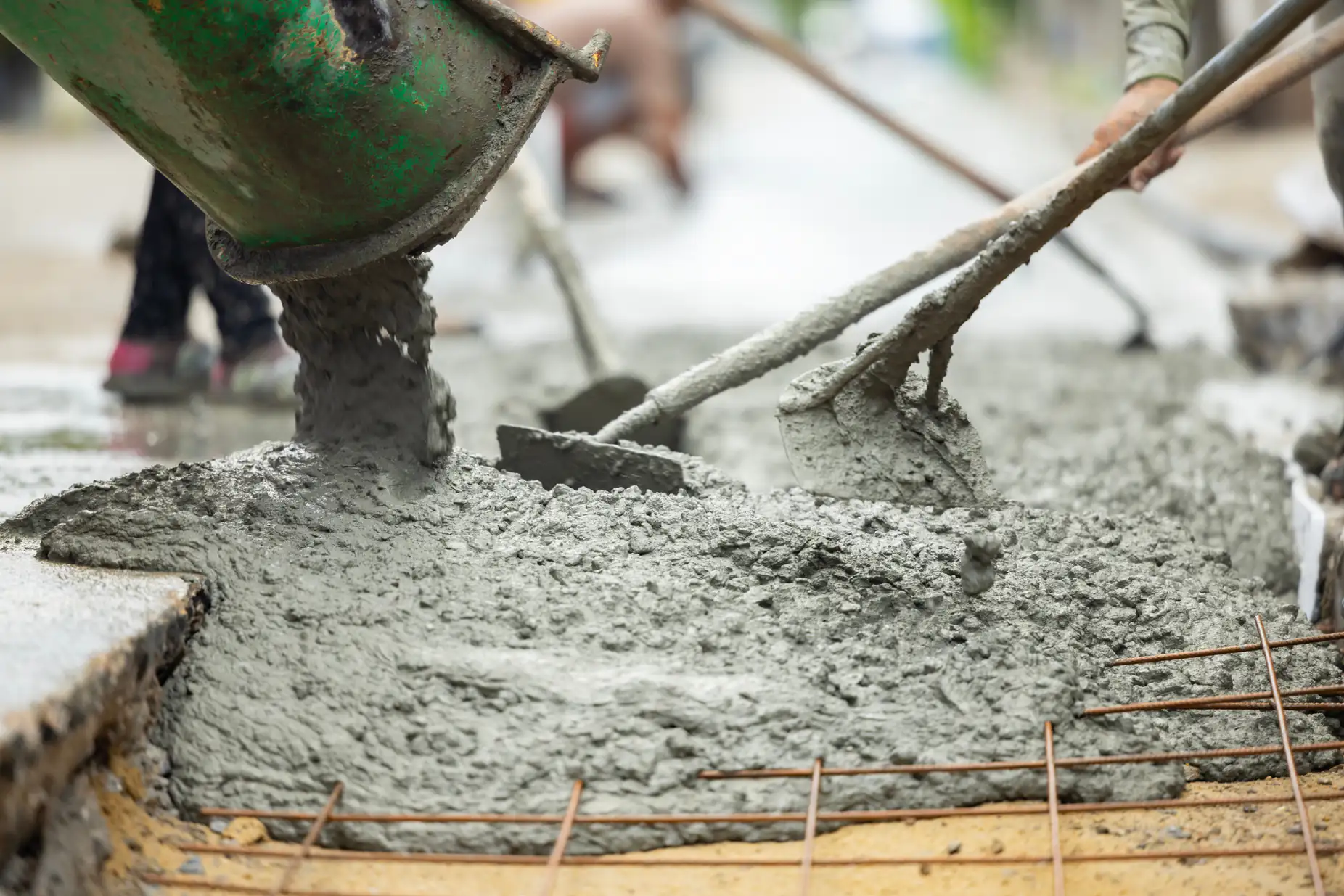
Then we set forms, place rebar reinforcement, and pour high-grade Portland cement mix. The concrete needs to cure properly, which means you’re not driving on it the next day. We’re talking about a week minimum, sometimes longer depending on weather.
After curing, we remove forms and clean up. If you want decorative stamped concrete patterns, that work happens during the pour while the concrete is still workable. The result is a driveway that’s built into the ground properly, not just sitting on top of it.

Ready to get started?
Every concrete driveway project includes a full site assessment before we quote. You need to know what drainage solutions are necessary, whether your soil needs extra base depth, and if there are grade issues that’ll cause problems later.
We handle permit applications for White Meadow Lake and surrounding Morris County towns. Some municipalities require permits for driveway work, others don’t. We know which is which, and we make sure you’re compliant.
You’ll get a detailed written estimate with clear pricing. No surprise charges when the job’s done. If we find something unexpected during excavation, we stop and discuss it before moving forward.
The concrete itself is Portland cement mix with rebar reinforcement, designed specifically for New Jersey’s freeze-thaw cycles. If you want decorative options like stamped concrete patterns, we’ll show you samples that complement White Meadow Lake’s aesthetic. And because we’re fully insured, you’ll receive insurance documentation with your proposal. If something goes wrong, you’re covered.
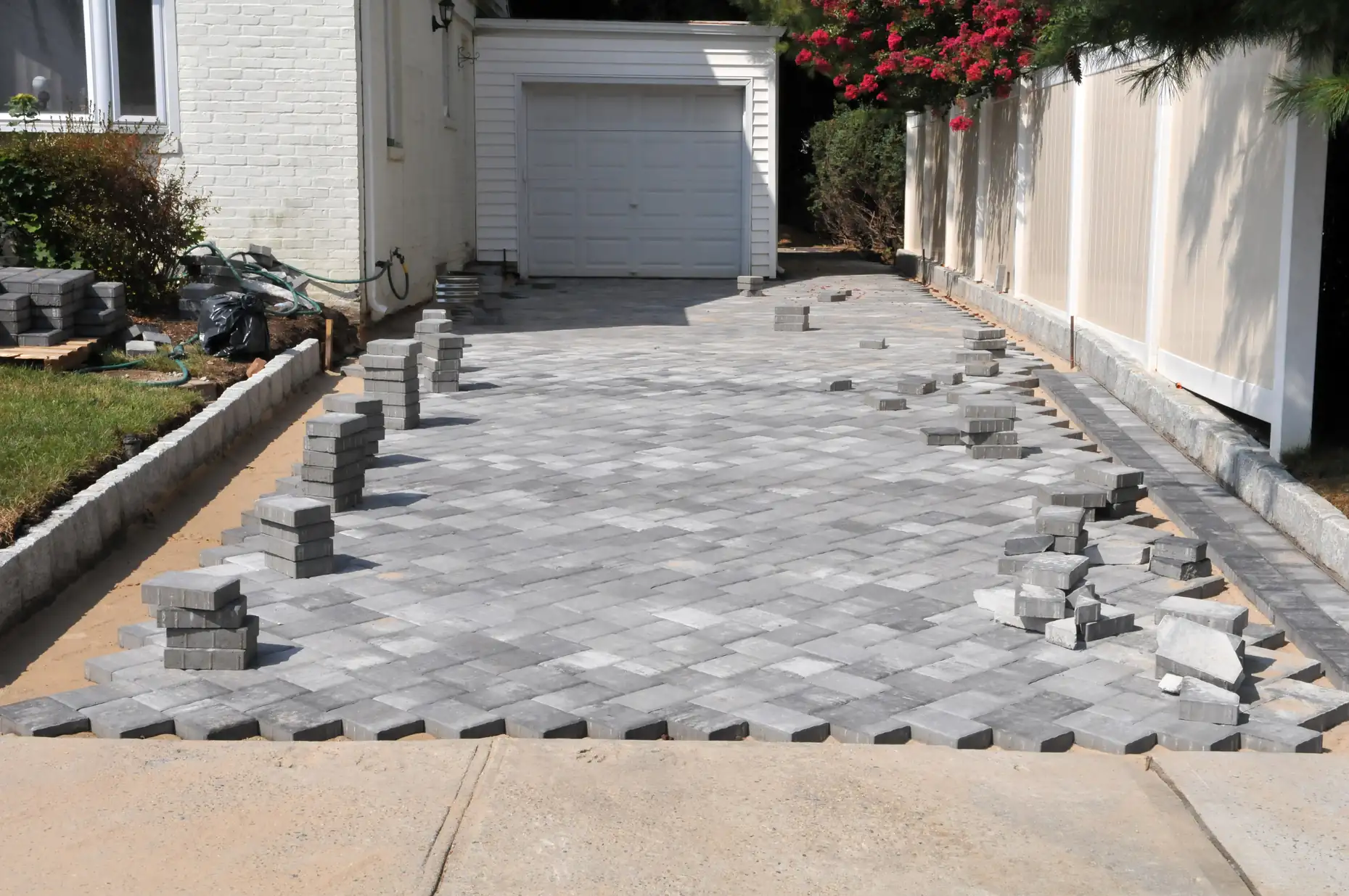
Concrete driveways in Morris County typically run $7 to $13 per square foot. For a standard 600-square-foot driveway, you’re looking at $4,200 to $7,800 for complete installation. Most residential driveways in White Meadow Lake fall in the $3,000 to $8,000 range depending on size and site conditions.
The wide price range comes down to what your property needs. If your soil drains poorly or you’re dealing with significant grade changes, the base prep gets more involved and costs go up. Decorative stamped concrete adds to the price but also adds curb appeal that buyers notice in a competitive market where homes are selling for $545K median.
When you see quotes that are significantly cheaper, it usually means corners are being cut on base preparation or material quality. That saves money now but costs you more when the driveway fails in three years instead of lasting thirty.
Concrete lasts longer but costs more upfront. Asphalt is cheaper initially but needs more maintenance. For White Meadow Lake’s climate, both can work if installed correctly.
Concrete driveways last 25 to 30 years or more with minimal maintenance. They handle freeze-thaw cycles well when properly reinforced, and they don’t need sealcoating every few years. The higher upfront cost pays off if you’re planning to stay in your home long-term or if you want maximum property value impact.
Asphalt driveways last 15 to 20 years and cost less to install, but you’ll need to sealcoat every two to three years to protect against weather damage. In North Jersey, where we get extreme temperature swings, asphalt can soften in summer heat and crack in winter cold if the base isn’t perfect. For properties where budget is the main concern, asphalt makes sense. For long-term value and lower maintenance, concrete wins.
The actual installation takes two to three days for most residential driveways. Curing takes another week before you can drive on it. Total timeline from start to finish is usually seven to ten days, weather permitting.
Day one is excavation and base prep. We’re removing old material if needed, grading for proper drainage, and building the aggregate base. Day two is forming and rebar placement. Day three is the concrete pour and finishing work. If you’re getting decorative stamped patterns, that happens during the pour while the concrete is workable.
Then comes the waiting. Concrete needs time to cure and reach full strength. You can walk on it after about 24 hours, but vehicles need to stay off for at least seven days. Rushing this part is how driveways crack prematurely. The concrete is undergoing a chemical process that can’t be sped up, and disturbing it too early compromises the entire installation.
Properly installed concrete driveways handle New Jersey winters without major cracking. The key is correct base preparation, adequate rebar reinforcement, and proper drainage design for our freeze-thaw cycles.
Concrete cracks when water gets underneath, freezes, expands, and pushes the slab upward. That’s why base prep matters so much in Morris County. We dig below the frost line and build a stable aggregate base that drains water away instead of trapping it. Rebar reinforcement keeps the concrete from separating when the ground moves.
You might see some minor surface cracking over time—that’s normal for any concrete in a freeze-thaw climate. But structural cracks that cause settling or create trip hazards? Those come from poor installation, not from winter weather. When the base is right and the concrete is reinforced correctly, your driveway stays intact through decades of North Jersey winters.
Many New Jersey municipalities require permits for driveway installation or replacement, but requirements vary by town. White Meadow Lake is part of Rockaway Township, and local regulations determine when permits are necessary.
Generally, if you’re replacing an existing driveway in the same footprint, permits may not be required. If you’re expanding the driveway, changing drainage patterns, or working near property lines, you’ll likely need approval. Some towns also have stormwater management requirements that affect how driveway projects are designed.
We handle permit applications as part of our service because we know what local building departments require. Getting caught without proper permits can delay your project, result in fines, and create problems when you sell your home. It’s not worth the risk, and it’s not something you should have to figure out yourself.
Yes, and it often makes sense to do both at the same time. You’re already mobilizing equipment, excavating, and working with concrete. Adding a patio to the project is more cost-effective than doing it separately later.
Concrete patios use the same installation process as driveways—proper base prep, rebar reinforcement, and quality Portland cement mix. The difference is in the finishing. Patios often get decorative treatments like stamped patterns, exposed aggregate, or colored concrete that you might not want on a driveway.
Doing both projects together also ensures consistent material quality and appearance. If you install a driveway now and add a patio three years later, the concrete might not match perfectly even if you use the same mix. Weather exposure ages concrete differently depending on sun exposure and drainage patterns. When everything is poured during the same project, it all ages together and maintains a cohesive look across your property.