
Hear from Our Customers
You get a driveway that doesn’t embarrass you when clients pull up or crack apart after one winter. That’s what proper concrete installation looks like in Morris County.
Most concrete driveways fail because of what you can’t see. Poor base prep. Bad drainage. Corners cut during the pour. When water gets trapped under your driveway and freezes, it doesn’t just crack the surface—it destroys the foundation. That’s why homes in Whippany need more than a concrete pour. You need excavation to proper depth, compacted aggregate base, rebar reinforcement, and contractors who understand that New Jersey winters aren’t optional.
A properly installed concrete driveway lasts 20+ years. It handles the freeze-thaw cycles that repeat all winter without turning into a liability. And when you’re selling a home in a market where properties move in 37 days, curb appeal isn’t cosmetic—it’s financial.
Platinum Paving is a third-generation, family-owned paving company that’s been serving Morris County homeowners for over 20 years. We’re not a crew that shows up, pours, and disappears. We’re licensed, bonded, insured, and local enough that our reputation actually matters.
We handle the permits. We coordinate inspections. We use Portland cement mixes with rebar reinforcement because that’s what works in this climate. And when we say we’ll be there Tuesday morning, we’re there Tuesday morning—not Thursday afternoon with an excuse.
Whippany homeowners deal with the same challenges: aging driveways on properties built in the ’60s and ’70s, steep grades that need proper drainage solutions, and HOAs that actually enforce standards. We’ve handled all of it. If your driveway connects to a busy road or needs coordination with local codes, we’ve done it a hundred times.
You request a quote online or call. We schedule a site visit—usually within 24 to 48 hours—and walk your property to assess grade, drainage, and access. You get a clear price with no surprise charges later.
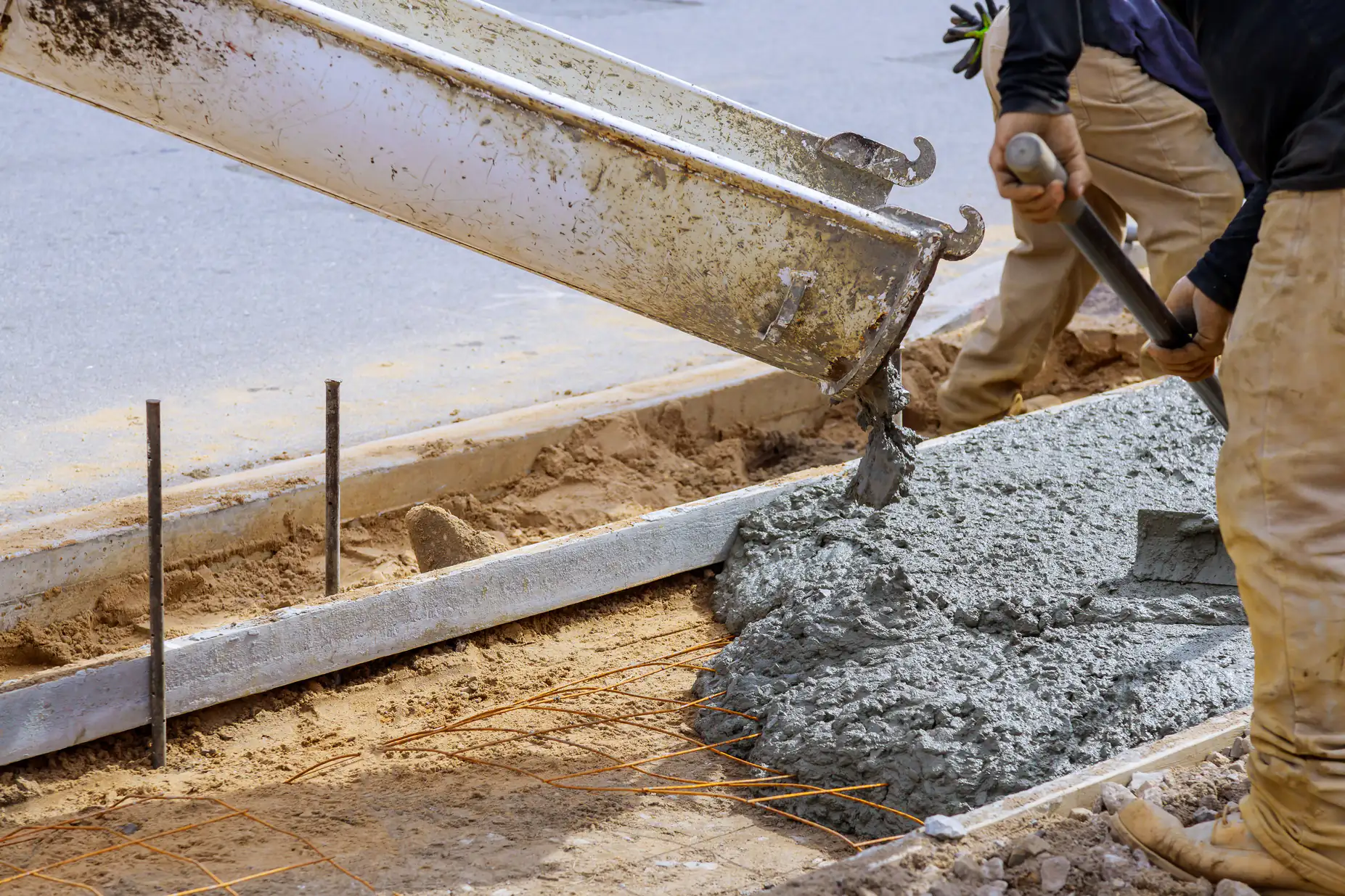
Once you approve, we pull permits and schedule the work. Demo and excavation happen first. We remove your old driveway, dig down to proper depth, and haul everything away. Then we install a compacted aggregate base—this is the foundation that prevents settling and cracking. Most failures start here, so we don’t rush it.
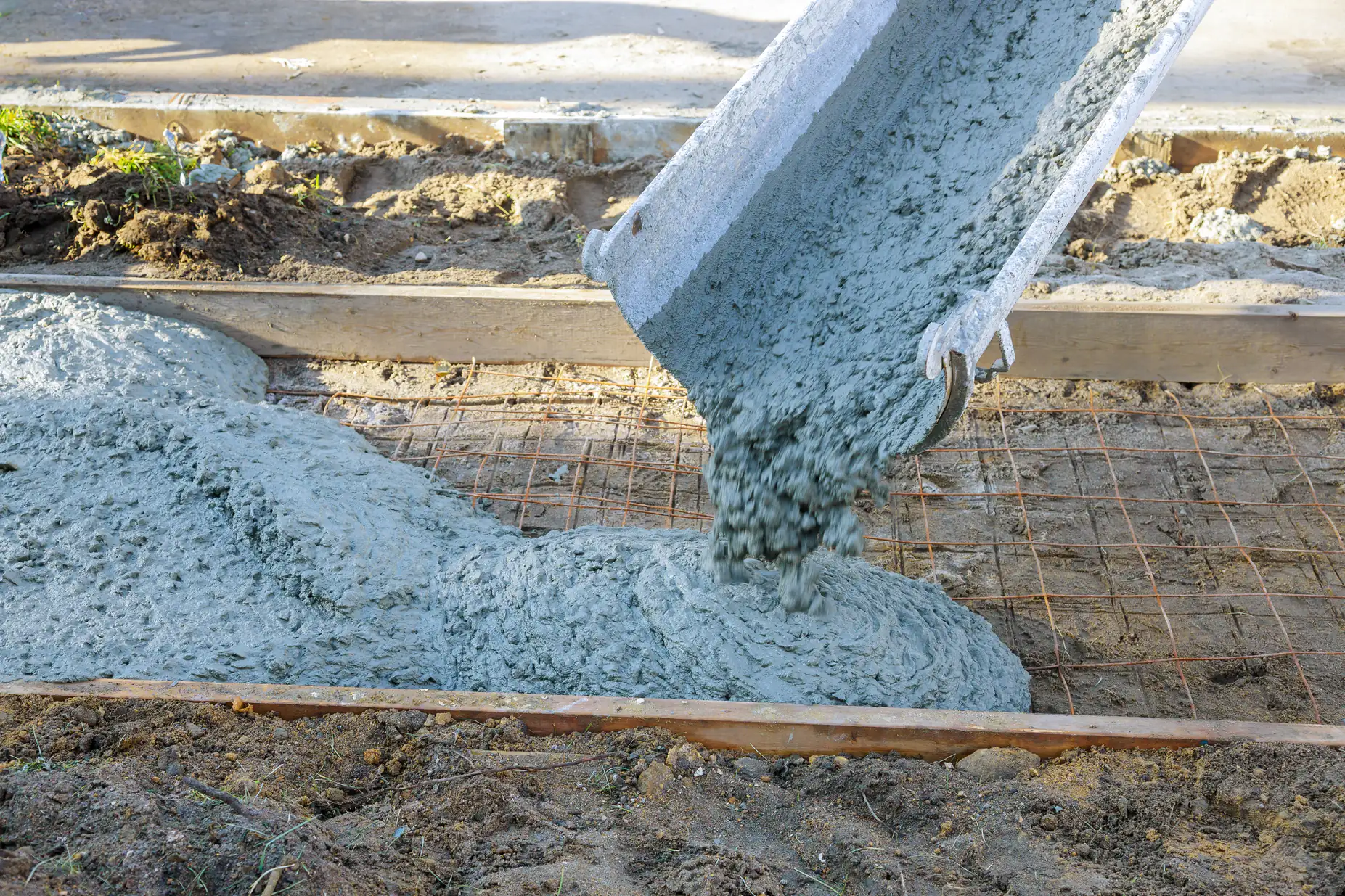
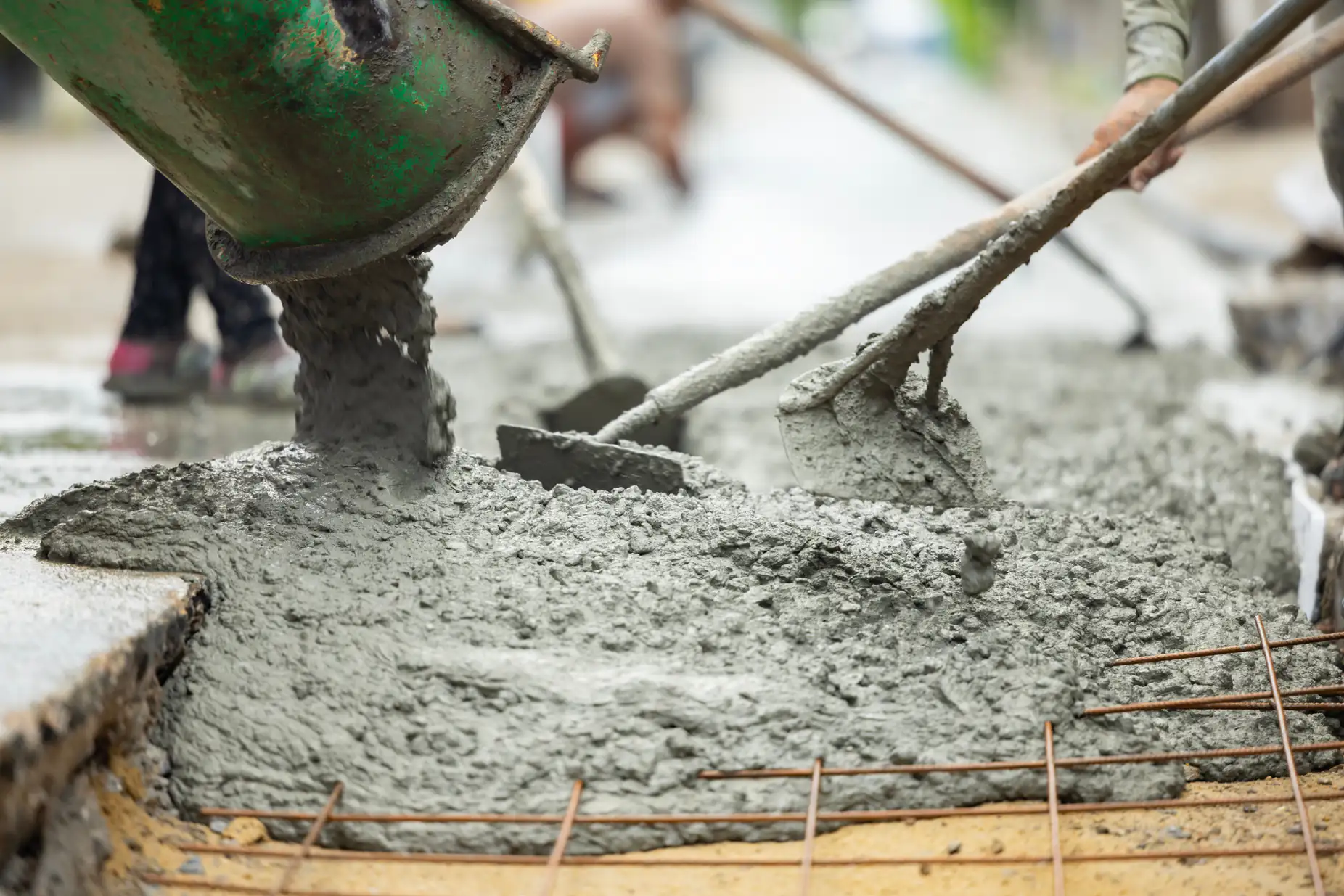
Next comes the concrete pour. We use rebar-reinforced mixes, not just wire mesh. The concrete is placed, leveled, and finished to your specs—broom finish for traction, or stamped patterns if you want decorative. Then it cures. You’ll need to stay off it for at least 5-7 days depending on weather.
After curing, we handle cleanup and final inspection. Your driveway is ready to handle traffic, weather, and whatever North Jersey throws at it.

Ready to get started?
You’re not just getting a concrete slab. You’re getting a complete driveway system that includes excavation, grading, base installation, reinforcement, and proper drainage. Every job includes permit handling, because local municipalities in Morris County require them—and we’re not cutting corners to save time.
Concrete costs more upfront than asphalt, but you’re looking at a 20+ year lifespan versus 10-15. In Whippany, where the median home value is nearly $700,000, your driveway isn’t just functional—it’s part of your property’s first impression. A well-installed concrete driveway adds value. A cracked, sunken one costs you during resale.
We also handle concrete patios, walkways, and other flatwork if you’re upgrading more than just the driveway. Decorative options like stamped concrete or colored finishes are available, but they add cost. Plain gray concrete is durable, clean, and timeless. Most homeowners in this area go with standard finishes and spend money on quality installation instead of decorative upgrades that don’t improve performance.
Drainage is non-negotiable. If water pools on your driveway or runs toward your foundation, we fix that during installation. Proper slope and drainage extend the life of your driveway and protect your home.
Concrete driveways in North Jersey typically cost between $7 and $12 per square foot, depending on site conditions, access, and whether you need decorative finishes. A standard two-car driveway runs between $3,500 and $7,000 for basic installation.
That price includes excavation, base prep, rebar reinforcement, concrete placement, and finishing. It doesn’t include extras like decorative stamping, colored concrete, or major drainage work. If your property has steep grades, poor access, or requires significant excavation, expect to be on the higher end.
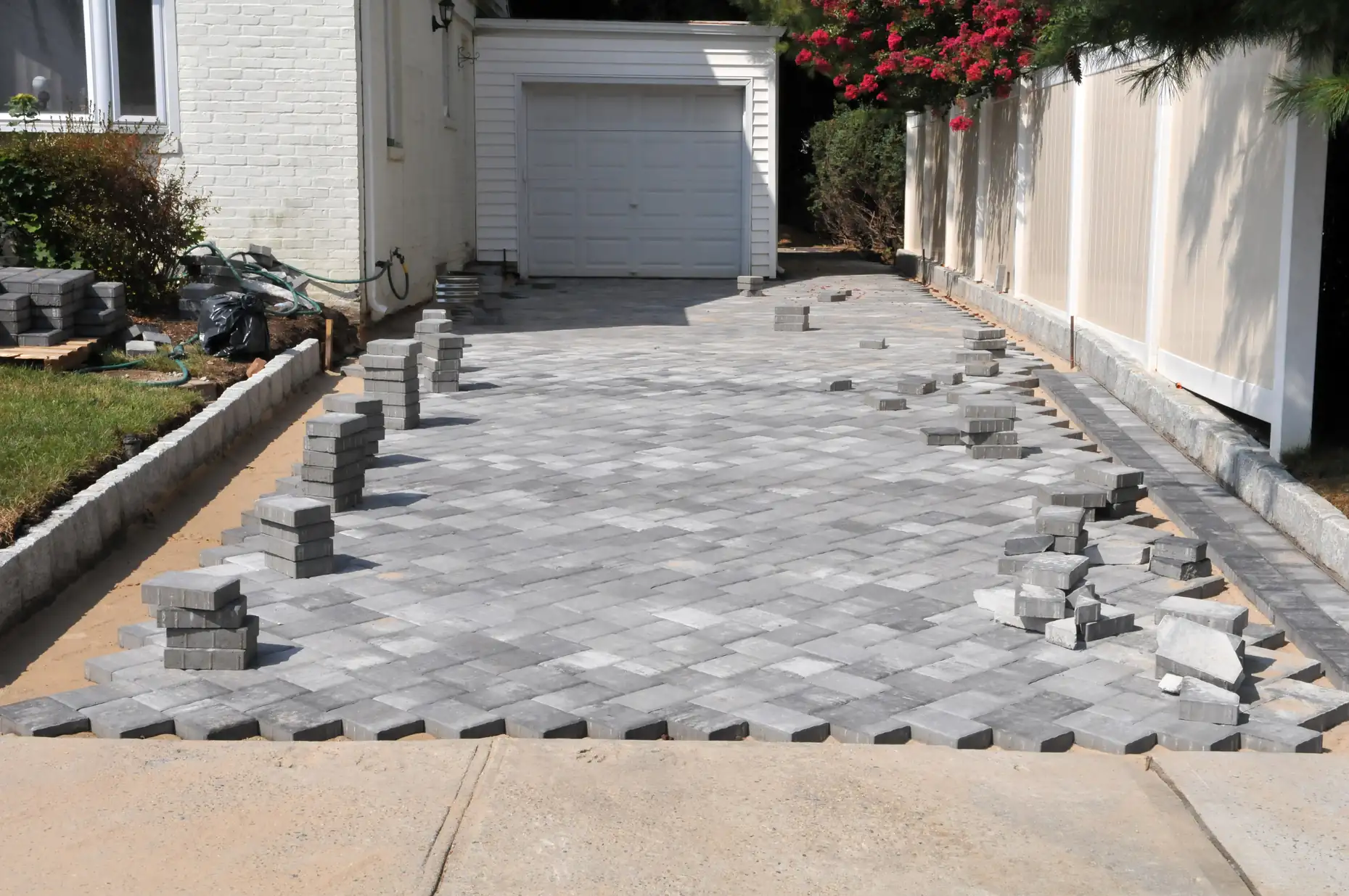
Asphalt is cheaper upfront—around $4 to $7 per square foot—but it doesn’t last as long and requires more maintenance. Pavers cost $12 to $20+ per square foot and look great, but they shift over time and need periodic releveling. Concrete sits in the middle for cost but leads in longevity and low maintenance.
Most concrete driveways are completed in under three days, but curing takes longer. Demo and excavation usually happen on day one. Base installation and compaction happen on day two. The concrete pour and finishing happen on day three.
After that, you wait. Concrete needs at least 5-7 days to cure before you can drive on it. In cooler weather or high humidity, that timeline extends. Rushing the cure is how driveways crack prematurely, so patience here pays off.
If your project involves complex drainage work, large square footage, or decorative finishes, add time. But for a standard residential driveway in Whippany, three days of active work plus a week of curing is the norm.
Concrete lasts longer and requires less maintenance, but asphalt handles freeze-thaw cycles slightly better if installed correctly. Both materials work in New Jersey—it depends on your priorities.
Concrete gives you 20+ years of life with minimal upkeep. It doesn’t soften in summer heat, doesn’t need sealcoating every few years, and holds up well under heavy vehicles. The tradeoff is higher upfront cost and a longer cure time. If it does crack, repairs are more visible.
Asphalt costs less initially and can be driven on within a day or two. It’s more flexible, so it handles ground movement better. But it requires sealcoating every 2-3 years, softens in extreme heat, and typically needs replacement after 10-15 years. In Whippany’s climate, either material works if installed properly—but concrete is the better long-term investment for most homeowners.
Yes. Most municipalities in Morris County require permits for driveway replacement, and Whippany is no exception. Permits ensure the work meets local codes for drainage, setbacks, and stormwater management.
We handle this for you. We pull permits as part of the job because we know the local requirements and have relationships with the building department. Trying to skip permits might save a few hundred dollars upfront, but it creates problems when you sell your home or if a neighbor reports unpermitted work.
Permit costs vary but typically run $100 to $300 depending on scope. Inspections are usually required after base installation and again after the final pour. If your contractor isn’t mentioning permits, that’s a red flag.
Late spring through early fall is ideal. Concrete cures best when temperatures stay consistently above 50°F, and you want to avoid rain during the pour and initial cure period.
September and early October are perfect in North Jersey. Temperatures are moderate, humidity is lower, and you’re ahead of winter. Spring works too, but you’re gambling with unpredictable weather. Summer is fine, but extreme heat can cause concrete to cure too quickly, which leads to surface cracking.
Winter installation is possible but not recommended. Cold temperatures slow curing and increase the risk of freeze damage before the concrete reaches full strength. If you’re planning a driveway replacement, schedule it between April and October. If you wait until late fall, you’re likely looking at a spring start date.
Concrete is low-maintenance, but it’s not no-maintenance. Seal it every 2-3 years to protect against moisture infiltration and freeze-thaw damage. Clean off oil stains, salt, and debris regularly—salt is particularly harsh on concrete and accelerates surface deterioration.
Avoid using metal shovels or sharp snow removal tools that can chip the surface. If you see small cracks forming, seal them immediately. Water gets in, freezes, expands, and turns small cracks into big problems. Catch them early and you’ll avoid expensive repairs.
Don’t park heavy equipment or dumpsters on your driveway for extended periods. Concrete is strong, but sustained weight in one spot can cause cracking. And if you’re using de-icing products in winter, choose calcium chloride over rock salt—it’s less damaging to concrete surfaces.