
Hear from Our Customers
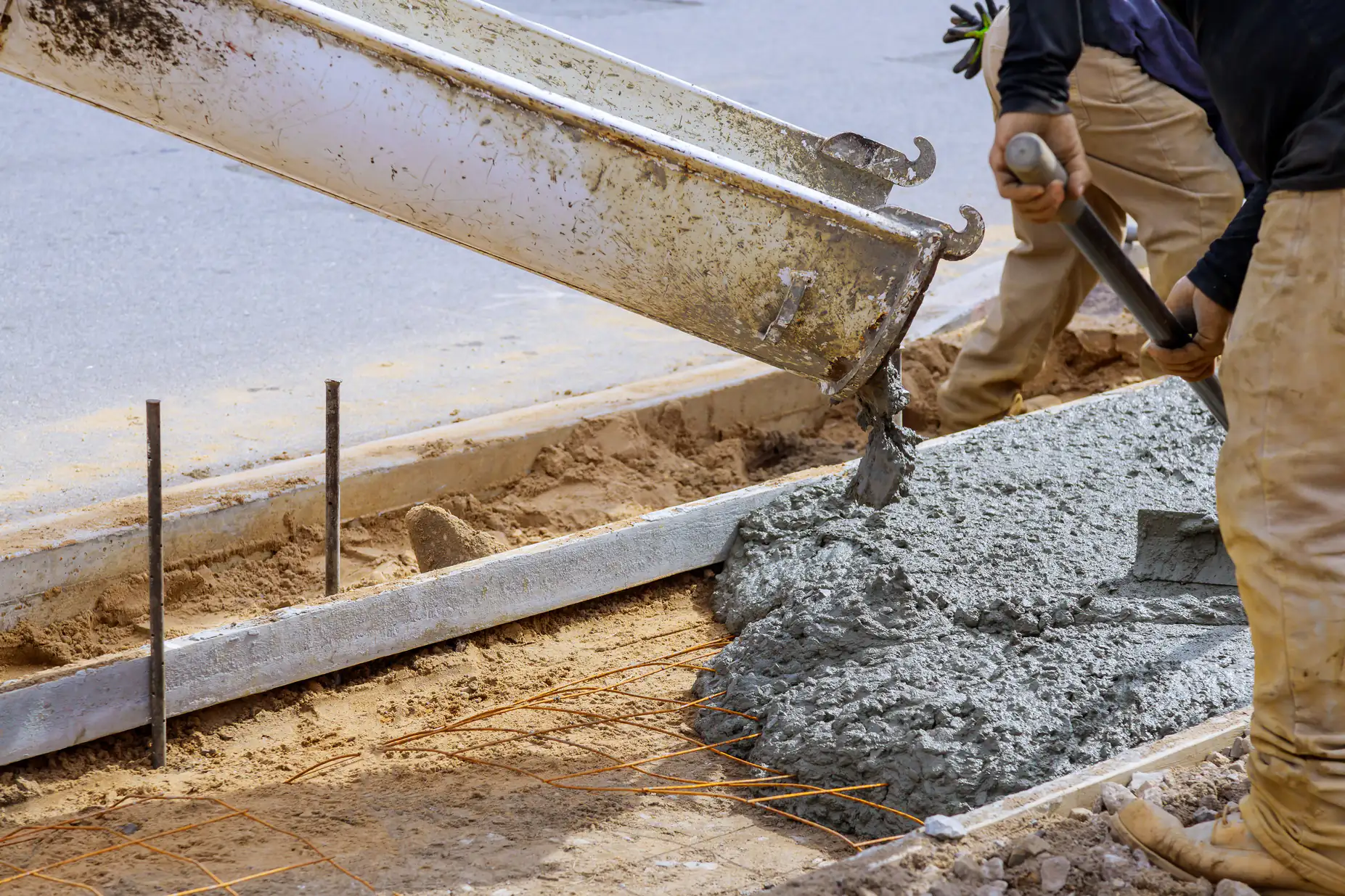
You’re not dealing with cracks by next spring. The concrete mix we use hits 4000-6500 psi, reinforced with rebar, and installed on a base that’s excavated and graded for your property’s drainage patterns.
Most driveways fail because the foundation work gets rushed. Water pools, seeps into weak spots, and when temperatures drop below freezing, that water expands. Do that 55-75 times every winter and you’re looking at structural damage within two years.
We handle excavation first. Remove old material, grade for proper water flow, install compacted base stone, then pour and finish the concrete at the right temperature. Your driveway isn’t just another pour on the schedule. It’s built to handle Vernon Valley’s soil conditions, winter weather, and daily use without turning into a maintenance nightmare.
We’ve been installing driveways in North Jersey since before GPS made job sites easier to find. That’s four decades of watching how concrete performs through Sussex County winters, which neighborhoods have drainage quirks, and what actually lasts versus what cracks by March.
You’re working with licensed, bonded, and insured contractors who’ve seen what happens when installation gets shortcut. We’re not the crew that disappears after the pour. Every project includes a walkthrough so you know exactly how to maintain what you just invested in.
Vernon Valley homeowners deal with specific challenges. The freeze-thaw cycle here is relentless, soil conditions vary block by block, and older neighborhoods weren’t built with modern drainage standards. We account for all of it before the first shovel hits dirt.
Day one is excavation and base prep. We remove your existing driveway, dig down to stable soil, and grade everything for proper drainage. This is where most contractors cut corners. We don’t. The base determines whether your driveway lasts ten years or needs repairs in two.
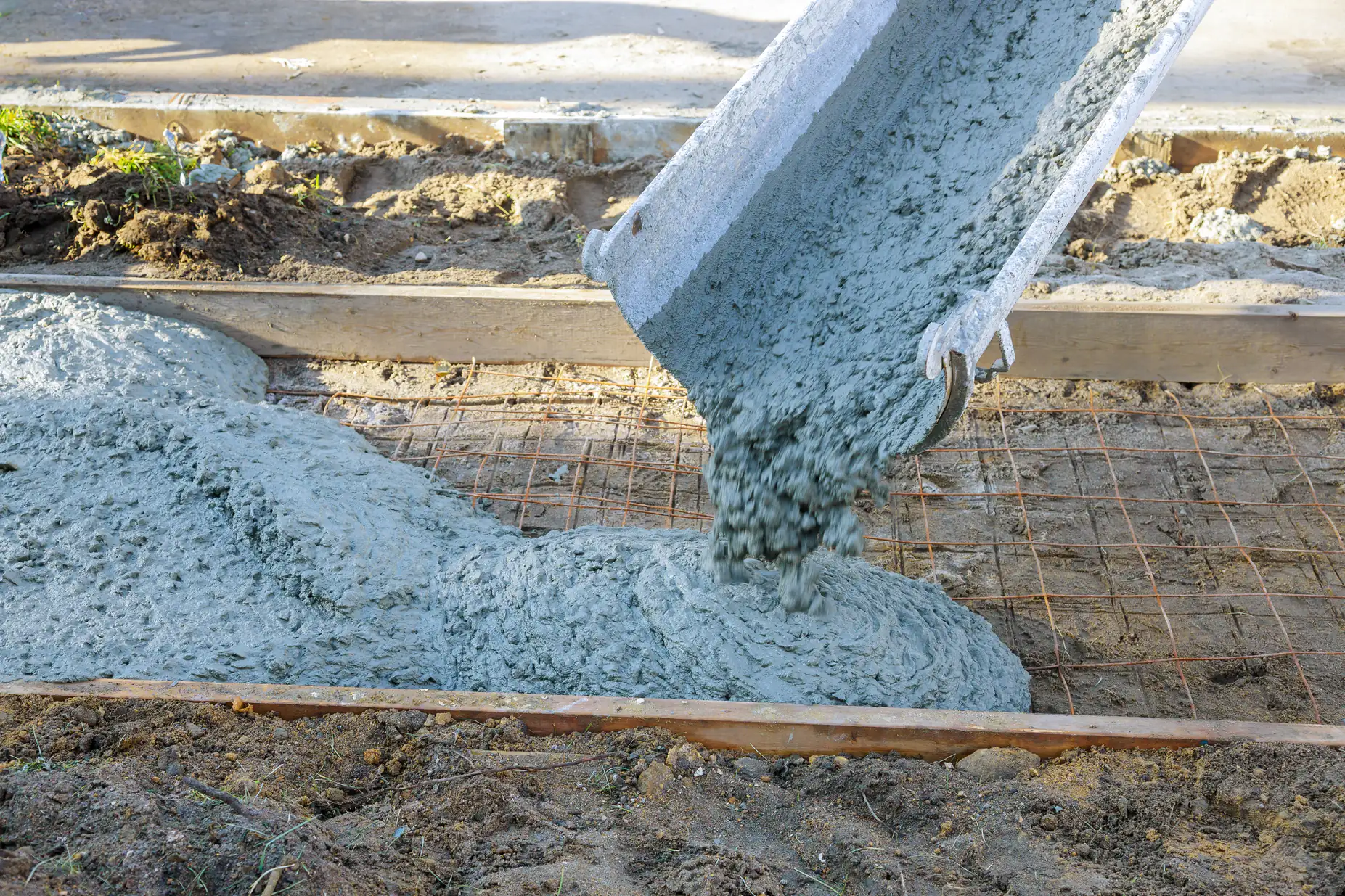
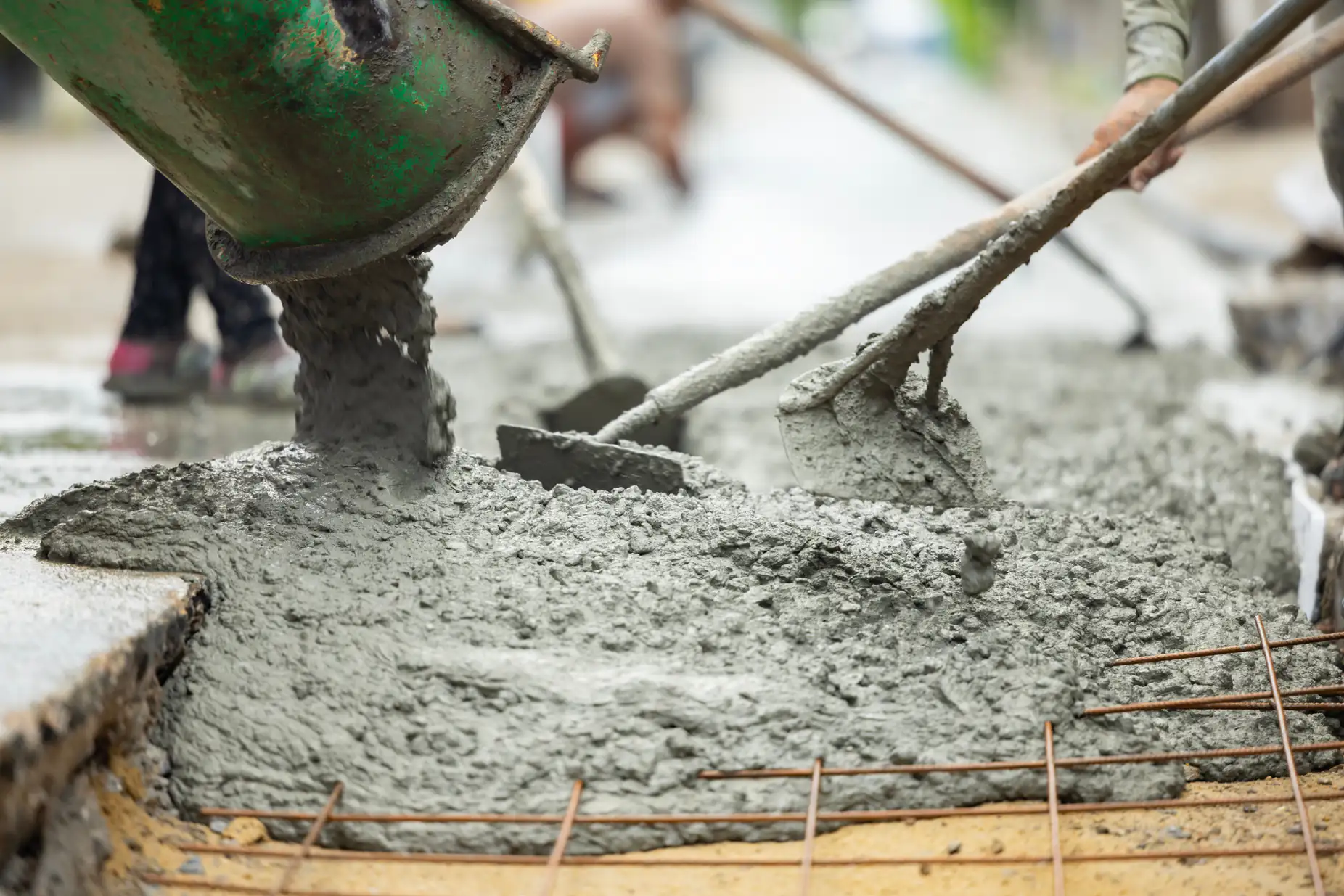
Day two is concrete installation. We use Portland cement mixes designed for New Jersey’s climate, pour at proper thickness for your usage needs, and place rebar reinforcement where it actually matters. Temperature matters during this phase. Too cold and the concrete won’t cure correctly. Too hot and it dries too fast. We schedule pours when conditions are right, not just when it’s convenient.
Day three is finishing and cleanup. Final grading, control joints cut at proper intervals to manage cracking, surface finishing based on what you want, and complete site cleanup. Most residential projects take 2-3 days start to finish. Then you wait. Concrete needs time to cure before you can drive on it. We’ll tell you exactly when it’s ready, not when we need to move to the next job.

Ready to get started?
Complete excavation and removal of existing materials. Proper base preparation with compacted stone. Grading for drainage that accounts for your property’s specific slope and soil conditions. Concrete mix that meets 4000-6500 psi specifications with rebar reinforcement placed correctly.
We handle permits and inspections required by local municipalities. Sussex County has specific codes. Morris County has different requirements. We know what’s needed before we start, not after the inspector shows up.
You also get options most concrete contractors in Vernon Valley don’t offer. Decorative stamped patterns if you want something beyond standard finish. Different edge treatments. Specific drainage solutions if your property has standing water issues. We install concrete patios using the same process, so if you’re thinking about extending your outdoor space, same crew handles both.
The cost of a concrete driveway in New Jersey runs $7-13 per square foot depending on size, access, and what we’re dealing with during excavation. That’s not cheap. But compare that to resurfacing every few years or full replacement in five. Proper installation costs more upfront and saves you thousands over the driveway’s lifespan. We give you clear pricing before work starts. No surprise charges when we hit clay soil or need extra base material.
Twenty to thirty years when installed correctly. That’s with New Jersey throwing 55-75 freeze-thaw cycles at it every winter, occasional snowplow scrapes, and normal wear from daily use.
The key phrase is “installed correctly.” Most concrete driveways that fail early didn’t fail because of the concrete. They failed because the base wasn’t prepared right, drainage wasn’t addressed, or the concrete was poured when temperatures were too low for proper curing.
Vernon Valley’s climate is tough on any paving material. Water is your enemy. It seeps into small cracks, freezes, expands by 9%, and turns hairline fractures into structural problems. Proper installation means giving water somewhere to go besides into your driveway. That’s why we spend day one on excavation and grading. Get the foundation right and the concrete has a fighting chance against winter.
Concrete costs more upfront, lasts longer, and handles heavy loads better. Asphalt is less expensive initially, needs resealing every few years, and performs well in cold climates when maintained properly.
For most Vernon Valley homes, either material works. Concrete makes sense if you want decorative options, plan to stay in the house long-term, or have heavy vehicles. The 20-30 year lifespan means you’re likely done with driveway decisions for decades. Asphalt makes sense if upfront cost matters more, you’re okay with periodic maintenance, or you prefer the look.
We install both, so we’re not pushing you toward the more expensive option. Some properties actually perform better with asphalt based on drainage patterns or existing grades. We’ll tell you what makes sense for your specific situation during the estimate. The wrong material installed perfectly still gives you problems. The right material installed correctly gives you a driveway you stop thinking about.
Most residential driveways in Vernon Valley run $4,000-$12,000 depending on size, current condition, and site access. That breaks down to roughly $7-13 per square foot for the complete job including excavation, base prep, concrete, and finishing.
A standard two-car driveway is about 600-800 square feet. Single car driveway is 300-400 square feet. Long driveways that wind up to the house obviously cost more because there’s more area to cover. If we’re removing old concrete or asphalt, that adds to disposal costs. If your property has drainage issues that need addressing, that’s additional work.
We give you exact pricing after seeing the property. Too many variables to quote accurately over the phone. What we can tell you is the price we quote is the price you pay. No surprise charges because we hit rock during excavation or your base needs more material than expected. We account for Sussex County soil conditions and typical challenges before giving you a number. You’ll know what you’re spending before we start work.
Late spring through early fall. Concrete needs consistent temperatures above 50°F for proper curing, and you want at least a week of dry weather after installation.
September and early October are ideal in Vernon Valley. Temperatures are stable, rain is less frequent than spring, and the concrete has time to cure before winter arrives. Summer works too, but we avoid pouring during heat waves. Concrete that dries too fast develops surface cracks and doesn’t reach full strength.
Spring is tricky. Everyone wants their driveway done after winter damage shows up, but April and May bring unpredictable weather. A surprise cold snap or three days of rain right after we pour creates problems. We can work in spring, but we’re watching forecasts closely and might need to adjust your schedule if conditions aren’t right.
Winter installation is possible but not ideal. Cold weather slows curing, requires additives to the mix, and limits our working window. If your driveway is actively failing and you need emergency replacement, we’ll make it work. But if you can wait until conditions improve, your concrete will perform better long-term.
Yes. Stamped concrete that mimics brick, stone, or custom patterns. Different color options. Exposed aggregate finishes. Whatever you’re seeing on Pinterest or in your neighbor’s driveway, we can replicate it.
Decorative concrete costs more than standard finish. You’re paying for additional labor, specialized tools, and materials. But if curb appeal matters and you want something beyond plain gray concrete, stamped patterns deliver that without the cost of actual pavers or stone.
The process is similar to standard installation with extra steps during finishing. We pour the concrete, add color if you want it, then press pattern mats into the surface before it fully cures. Once cured, we apply sealant to protect the finish and enhance color. The result looks like individual pavers or stone but performs like solid concrete.
One thing to know about decorative concrete in Vernon Valley’s climate: it needs resealing every 2-3 years to maintain appearance and protection. The stamped pattern doesn’t wear off, but the sealant does. Regular maintenance keeps it looking sharp. We’ll show you what’s required during the walkthrough so you know what you’re committing to long-term.
Seal it every 2-3 years. Keep it clean. Fix small cracks immediately before they become big cracks. Don’t use metal shovels or aggressive ice melt products during winter.
Sealing protects concrete from water penetration and surface damage. It’s not optional in New Jersey’s climate. Water is constantly trying to get into your concrete, and sealant is your first line of defense. Most homeowners spend under $500 every few years on resealing versus thousands on repairs later.
Clean your driveway periodically. Oil stains, leaves, and dirt trap moisture against the surface. A pressure washer and basic concrete cleaner handle most issues. If you see small cracks forming, fill them with concrete crack filler from any hardware store. Hairline cracks are normal as concrete settles. Cracks wider than a quarter-inch need professional attention.
Winter maintenance matters. Use plastic shovels instead of metal to avoid surface gouges. Choose calcium chloride ice melt over rock salt. Rock salt accelerates surface deterioration. Sand works for traction without chemical damage. The first winter after installation, avoid ice melt products entirely. New concrete needs a full season to cure completely before exposure to harsh chemicals.