
Hear from Our Customers
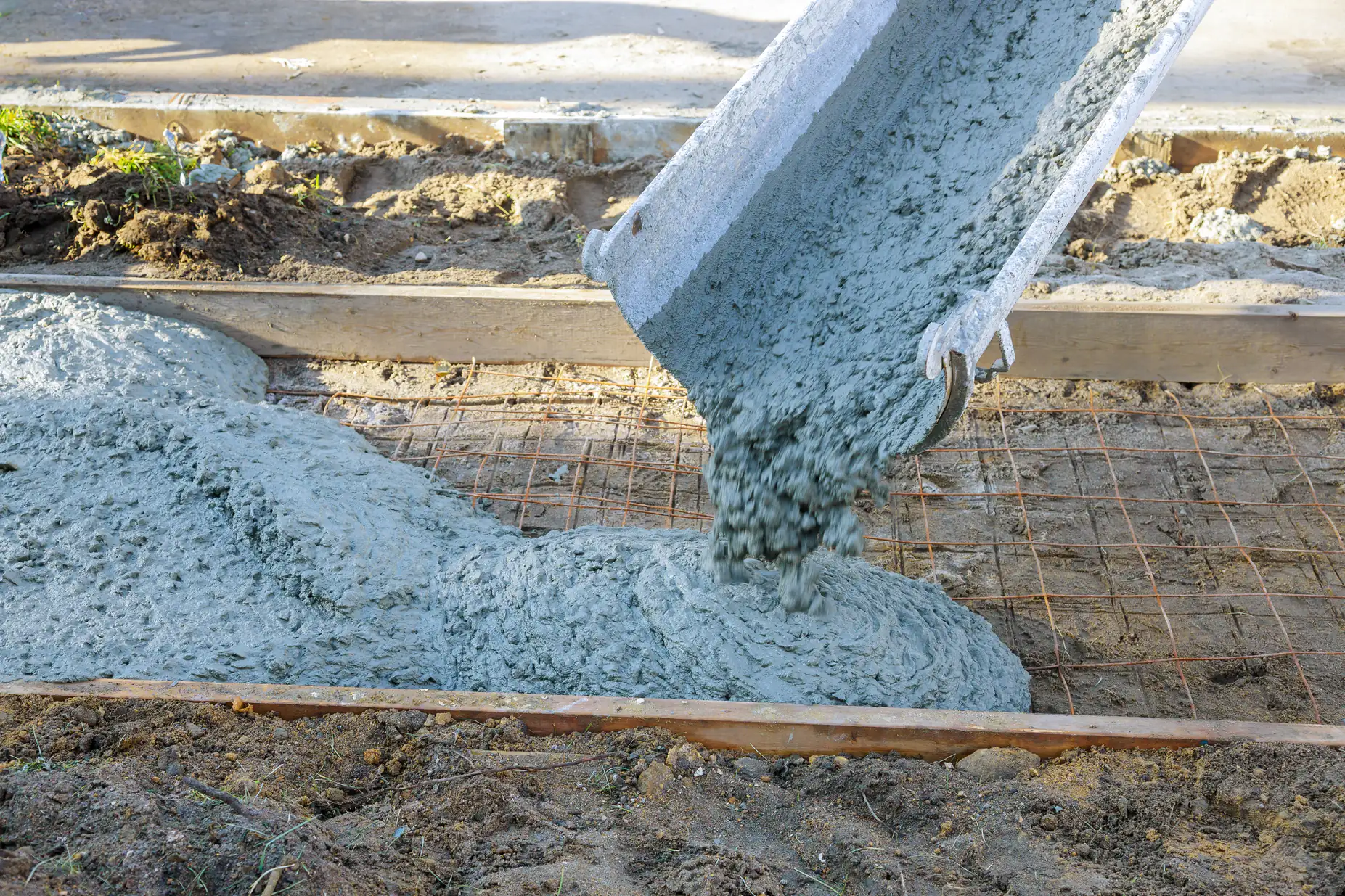
A properly installed concrete driveway in Vauxhall should give you 25 to 30 years of use. That’s not marketing talk—that’s what happens when the base is compacted correctly, the drainage is planned before the pour, and the concrete mix is engineered for New Jersey’s temperature swings.
You’re not just getting a smooth surface. You’re getting a driveway that won’t buckle when water freezes underneath it. One that won’t crack in three years because someone skipped the base prep to save an hour of work.
Most driveways fail because of what you can’t see. Water gets trapped under the slab, freezes, expands, and pushes everything up. That’s why proper grading and a solid crushed stone base matter more than the concrete itself. If the foundation isn’t right, nothing else is.
When the job is done correctly, you’re looking at a surface that handles Vauxhall winters without constant patching. Your driveway should be one less thing you have to think about.
We work throughout Morris, Sussex, and Somerset County. We’re based in Morris County, so we know what Vauxhall driveways are up against—freeze-thaw cycles, heavy rain in spring, and homeowners who want something that actually lasts.
We’re not the cheapest option, and that’s intentional. Concrete work costs more upfront than asphalt, but you’re spreading that cost over 30 years instead of 15. That math works if the installation is done right the first time.
Most of the homes in Vauxhall are owned by people who’ve been here a while. You’re not flipping the property next year—you’re living here. That’s exactly the kind of project we focus on: long-term value, not short-term shortcuts.
First, we assess your property and talk through drainage. If water doesn’t have anywhere to go, it’ll sit under your driveway and cause problems. We figure out slope, runoff, and whether your soil needs extra base material before anything gets poured.
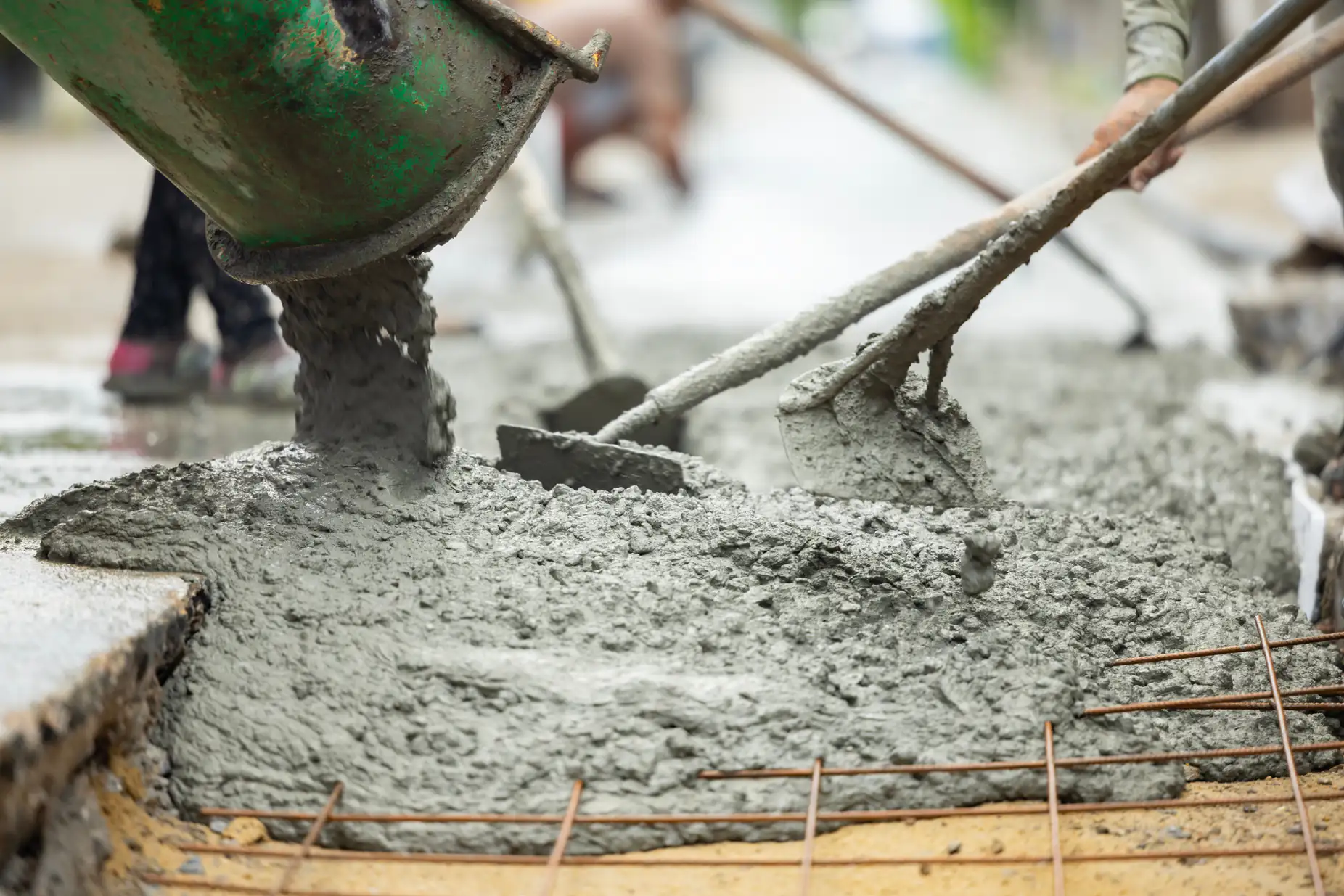
Next comes excavation and base prep. We remove the old surface if there is one, dig down to stable soil, and lay a compacted base of crushed stone. This gets compacted in layers—not all at once—so it doesn’t settle unevenly later. This step takes time, and it’s the difference between a driveway that lasts and one that doesn’t.
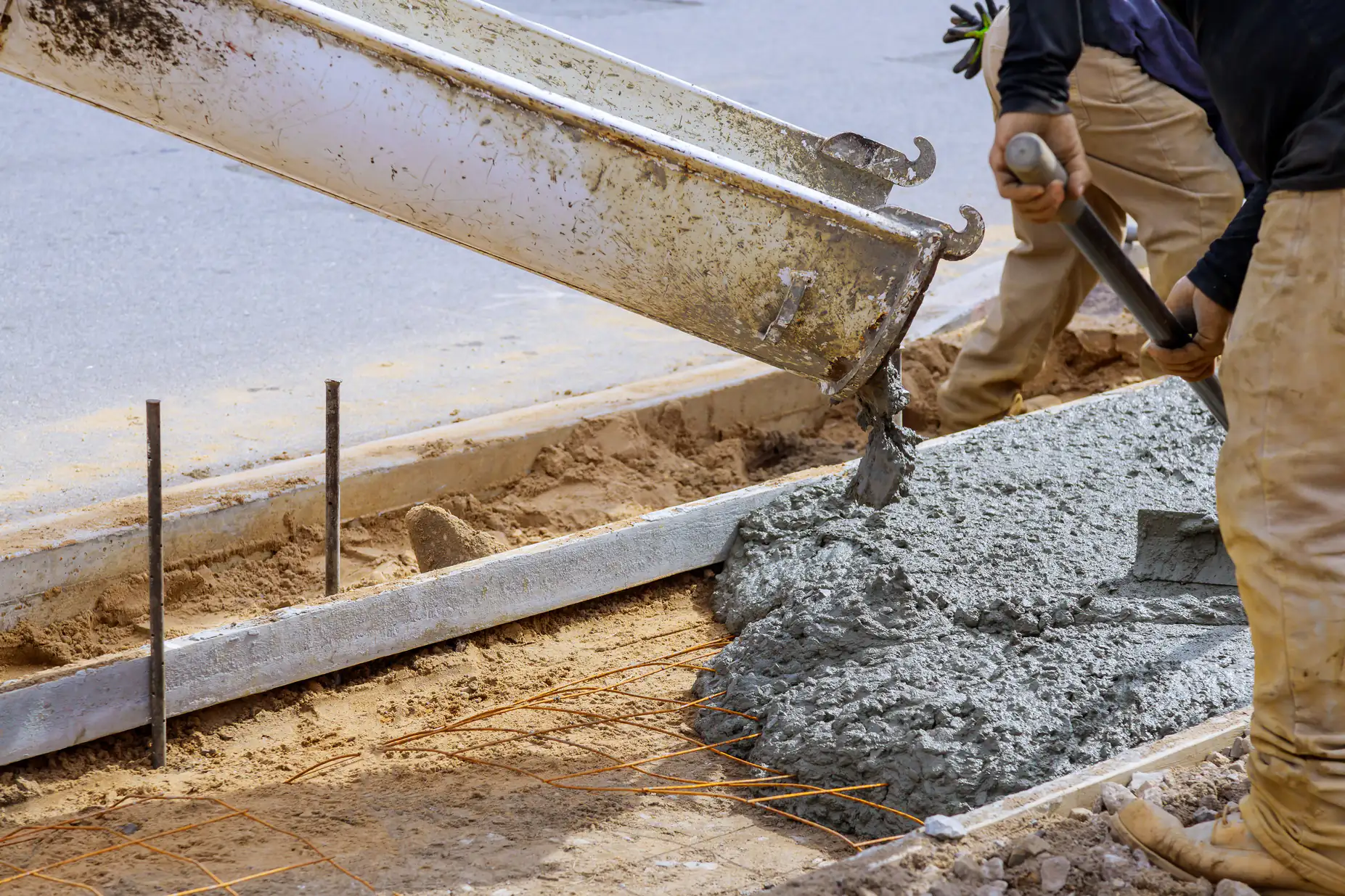
Then we form and pour the concrete. We use Portland cement mixes with rebar reinforcement for strength. The concrete goes in at the right temperature and gets finished with the proper slope for water runoff. If you want decorative stamped concrete or a colored finish, that happens during this stage.
After the pour, the concrete needs time to cure. You’re looking at about seven days before you can drive on it. We’ll walk you through what to expect and when you can use it. Once it’s cured, you’ve got a driveway that’s ready for decades of use.

Ready to get started?
When you hire driveway paving contractors in Vauxhall, you should know exactly what’s included. With us, that means site assessment, excavation, proper base installation, concrete pouring with rebar reinforcement, finishing, and cleanup. No surprise charges for things that should’ve been part of the job from the start.
Vauxhall sits in an area where soil conditions vary. Some properties have clay-heavy soil that holds water. Others have sandy soil that drains well but doesn’t compact as firmly. We adjust the base depth and material based on what’s actually under your driveway—not a one-size-fits-all approach.
If you’re adding a concrete patio or walkway at the same time, we can coordinate that work so everything ties together visually and structurally. A lot of homeowners in Vauxhall are upgrading their outdoor spaces, and it makes sense to do it all at once if you’re already tearing up the ground.
We also offer decorative options if you want something beyond standard gray concrete. Stamped concrete can mimic the look of pavers or stone without the maintenance. Colored concrete gives you customization without ongoing sealing requirements. These aren’t upsells—they’re options that some people want and others don’t.
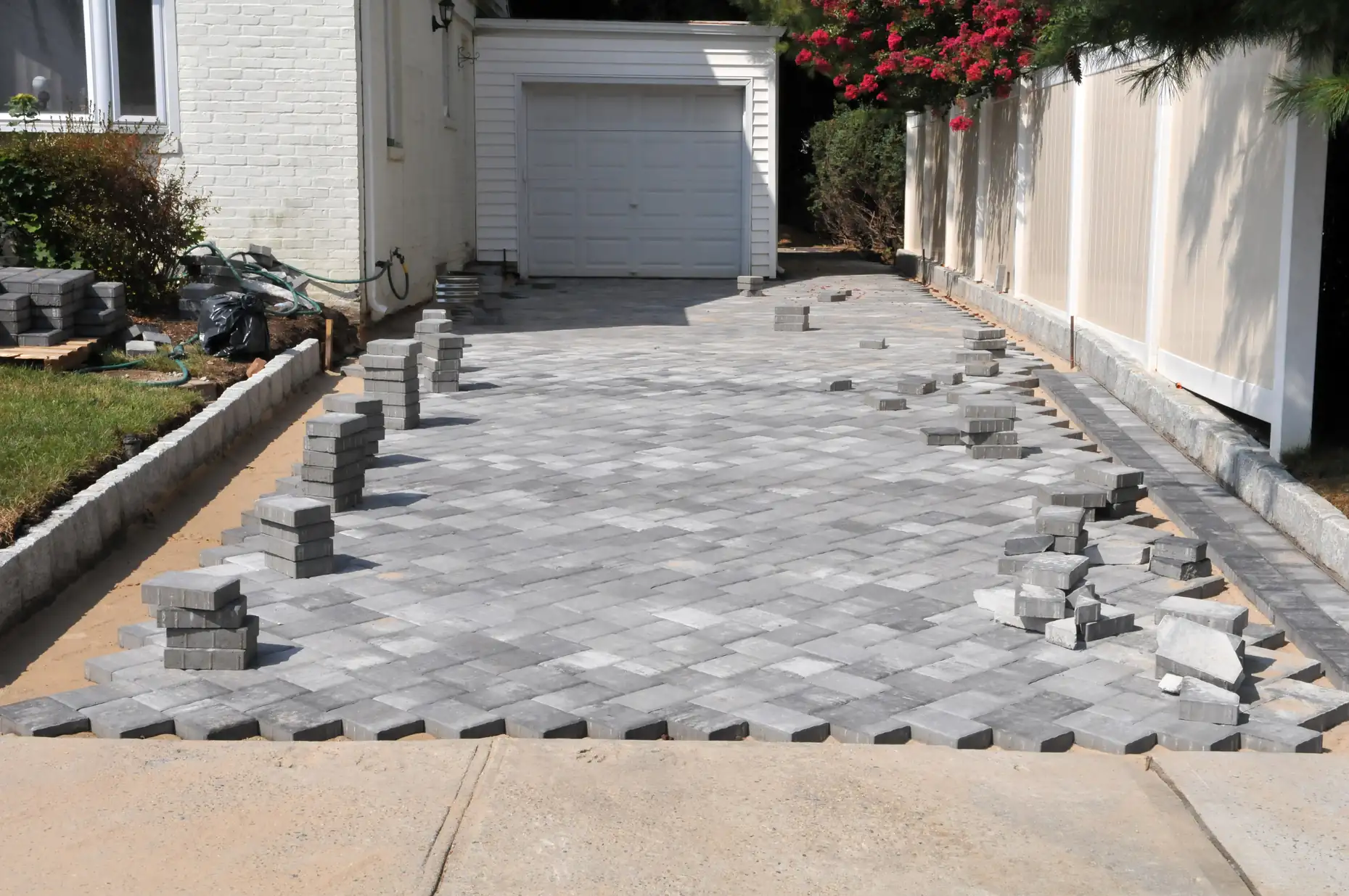
For a standard two-car driveway in Vauxhall, you’re looking at roughly $7 to $13 per square foot for unreinforced concrete. With rebar reinforcement, which we recommend, that number goes up slightly. A typical 400-square-foot driveway runs between $2,800 and $5,200 depending on site conditions and whether you want decorative finishes.
The price changes based on how much excavation is needed and what kind of base prep your property requires. If your soil drains poorly or the existing driveway needs significant removal, that adds to the cost. We give you a clear estimate after we see the site—not a ballpark number that changes later.
Concrete costs more upfront than asphalt, but it lasts longer and needs less maintenance. Over 20 years, the total cost is often lower because you’re not repaving or patching every few years. If you’re planning to stay in your home, concrete makes more financial sense.
A well-installed concrete driveway in Vauxhall should last 25 to 30 years. That assumes proper base preparation, correct concrete mix, and basic maintenance like sealing cracks when they appear. Asphalt driveways typically last 15 to 20 years under the same conditions.
The lifespan depends heavily on installation quality. If the base isn’t compacted correctly or drainage isn’t addressed, you’ll see cracking and settling within the first five years. New Jersey’s freeze-thaw cycles are hard on concrete, so the mix needs to be designed with enough air entrainment to handle expansion and contraction.
Most concrete driveways don’t fail because the concrete itself wore out. They fail because water got underneath and caused the base to shift. That’s why drainage and base prep matter more than the thickness of the concrete slab.
Concrete lasts longer and needs less maintenance, but costs more upfront. Asphalt is cheaper to install but requires resealing every few years and typically needs replacement sooner. For Vauxhall homeowners planning to stay long-term, concrete usually makes more sense.
Concrete handles freeze-thaw cycles better than asphalt if it’s installed correctly. Asphalt can crack and develop potholes more easily, especially in areas where water pools. Concrete also gives you more design options—you can stamp it, color it, or leave it standard gray.
Asphalt needs to be sealed regularly to prevent water damage and UV breakdown. Concrete doesn’t require sealing, though some homeowners choose to seal it for stain protection. If you’re comparing total cost over 20 years, concrete often comes out ahead because you’re not paying for ongoing maintenance and early replacement.
Concrete can be poured in cold weather, but it’s not ideal. The concrete needs to stay above 40 degrees while it cures, which means we’d need to use insulated blankets and possibly heated enclosures. That adds cost and complexity, and it’s not something most homeowners want to pay for.
The best time for concrete work in Vauxhall is late spring through early fall. The ground is workable, temperatures are stable, and the concrete can cure properly without extra measures. If you’re planning a driveway project, reaching out in early spring means we can get you scheduled before the busy season.
Winter pours are possible in emergency situations, but they’re not the norm. If your driveway is damaged and you need a temporary fix to get through winter, we can talk through options. But for a full installation, waiting for better weather gives you a better result.
Most driveway replacements in Vauxhall don’t require a permit if you’re staying within your existing driveway footprint. If you’re expanding the driveway, changing the drainage pattern, or adding significant square footage, you’ll likely need approval from the local building department.
We can help you figure out whether your project needs a permit. It depends on the scope of work and how your property is zoned. If a permit is required, we’ll walk you through what’s needed and handle the coordination with the township.
Skipping permits when they’re required can cause problems later—especially if you sell the house. Buyers’ inspectors sometimes flag unpermitted work, and that can delay or kill a sale. It’s easier to do it right from the start than to deal with it years later.
Concrete driveways need very little maintenance compared to asphalt. The main thing is sealing any cracks that develop before water gets underneath. Small cracks are normal as concrete settles, but they should be filled within the first year or two to prevent bigger problems.
Some homeowners choose to apply a concrete sealer every few years for stain protection, especially if they park cars that leak oil. Sealing isn’t required for the concrete to last, but it makes cleanup easier and can prevent discoloration.
In winter, avoid using rock salt or calcium chloride for ice melting. These chemicals can damage the concrete surface over time. Sand or calcium magnesium acetate are better options for traction without the chemical damage. Beyond that, occasional pressure washing keeps it looking clean, but that’s about it.