
Hear from Our Customers
Your driveway takes a beating. Water seeps into cracks, freezes, expands, and turns small problems into expensive ones. Add in the salt, the snow removal, the daily wear from two or three cars coming and going, and you’re looking at a surface that either holds up or doesn’t.
Concrete done right lasts 25 to 50 years. That’s not marketing talk—that’s what happens when you use Portland cement mixes with proper rebar reinforcement and install it during the right weather conditions. You get a surface that handles Morris County winters without cracking apart in five years.
And if your home is worth close to a million dollars, your driveway shouldn’t look like an afterthought. A clean, well-installed concrete driveway adds real curb appeal. It’s the first thing people see when they pull up, and it either says “this home is maintained” or it doesn’t.
We work throughout Morris, Sussex, and Somerset County. We’re not a national franchise that shows up, pours concrete, and disappears. We’re local, licensed in New Jersey, and we understand what driveways in this area are up against.
Upper Montclair has a specific character. Homes here are older, often historic, with mature trees and established landscapes. That means site prep isn’t one-size-fits-all. Drainage matters. Soil stability matters. Slope and grading matter. We assess all of it before we pour anything.
You’ll get a written estimate with transparent pricing. No surprises, no cash-only demands, no pressure. Just a clear breakdown of what the job involves and what it costs.
First, we come out and assess your property. We look at drainage, existing damage, soil conditions, and any grading issues that could cause problems down the road. If your town requires a permit—and many in Essex County do—we handle that.
Next is site prep. This isn’t just scraping off the old surface. We excavate to the right depth, compact the subbase, and make sure water has somewhere to go that isn’t under your new concrete. Poor drainage is the number one reason driveways fail early.
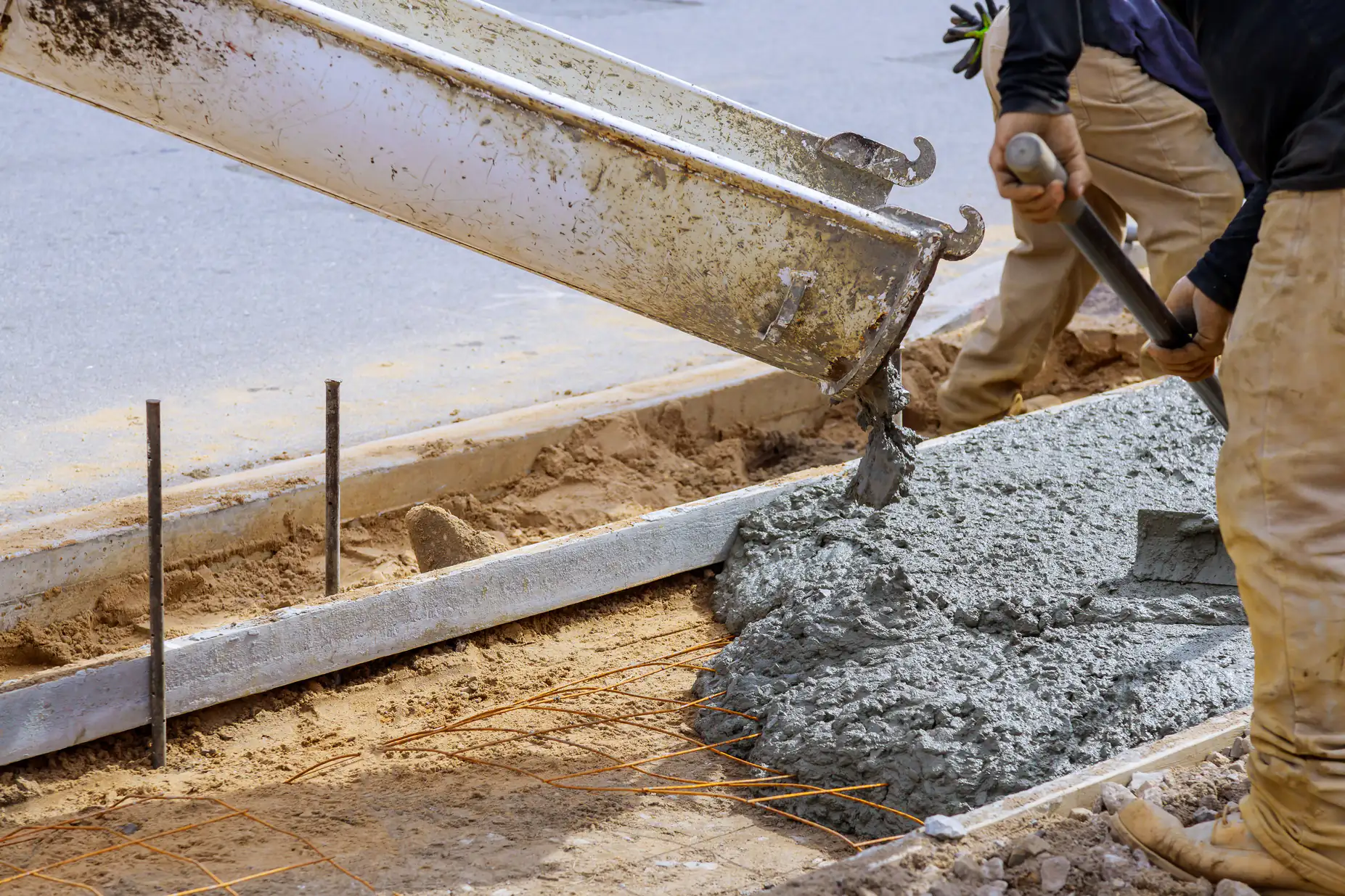
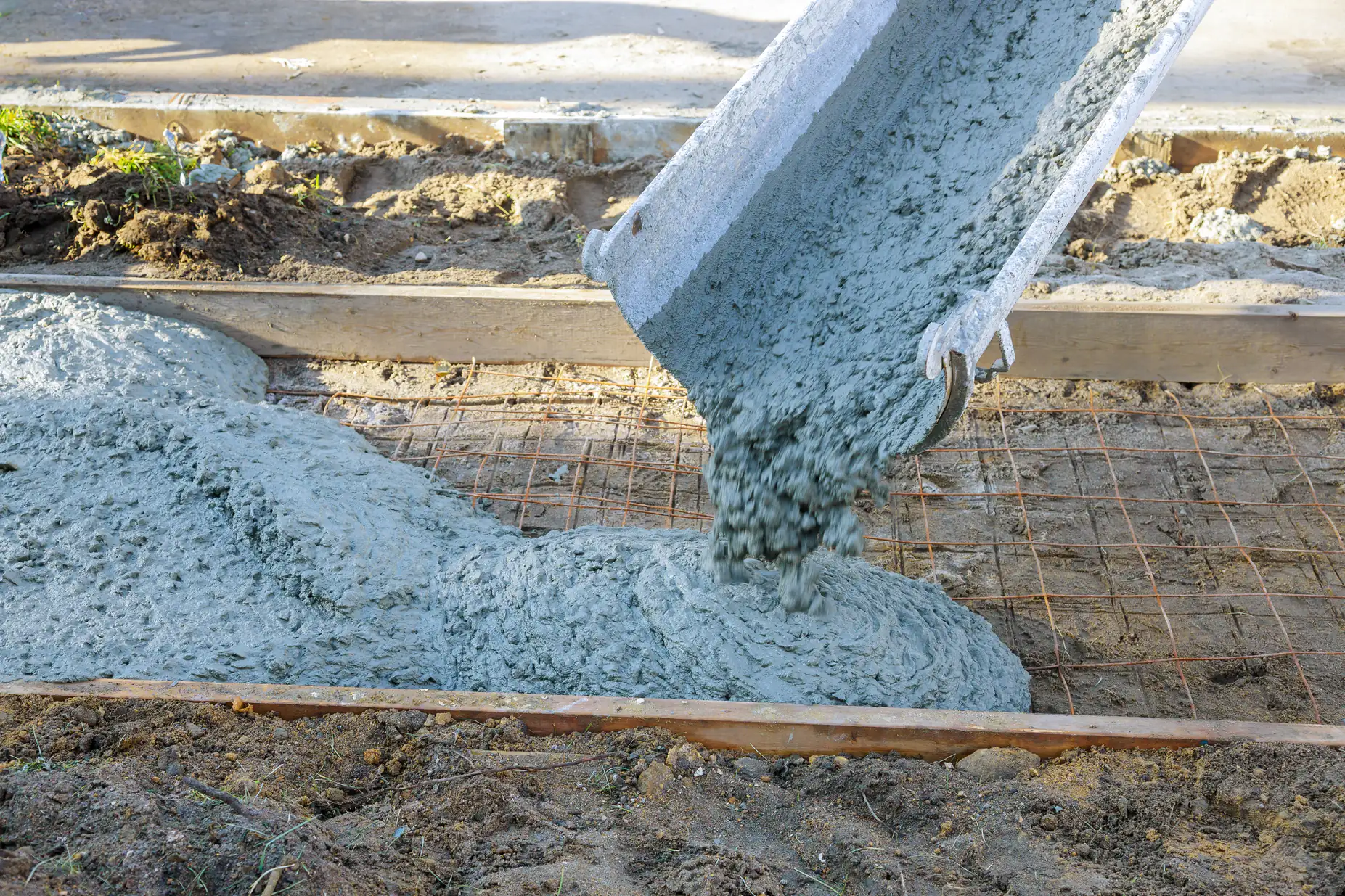
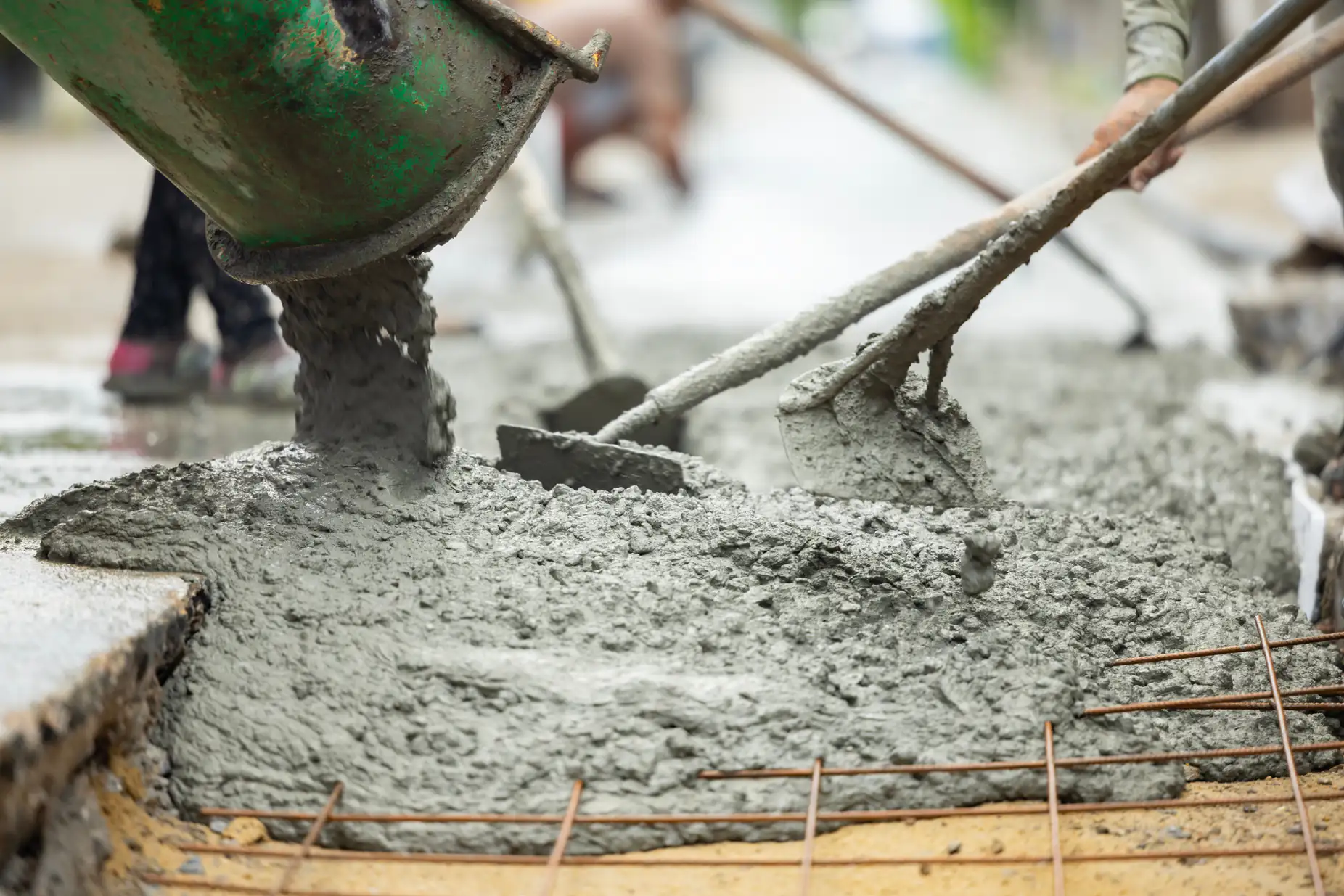
Then we pour. We use high-grade concrete mixes, install rebar for reinforcement, and apply it under the right conditions. Temperature matters. Humidity matters. Rushing a pour in bad weather is how you end up with surface cracks and a driveway that doesn’t cure properly.
After the pour, there’s a curing period. Concrete doesn’t just dry—it cures. That process takes time, and trying to drive on it too early will damage it. We’ll tell you exactly when it’s safe to use.

Ready to get started?
A concrete driveway installation isn’t just pouring cement and calling it done. It’s excavation, grading, subbase preparation, reinforcement, the pour itself, finishing, and curing. Each step matters.
In Upper Montclair, you’re dealing with older properties and mature landscaping. Tree roots can shift soil. Old drainage systems might not be up to code anymore. We account for that. If your property has slope issues or poor runoff, we address it before we pour. Water sitting under your driveway will cause problems no matter how good the concrete is.
We also offer decorative options. Stamped concrete, exposed aggregate, colored finishes—whatever fits your home’s style. These aren’t just cosmetic. A textured surface gives you better traction in wet conditions, which matters during New Jersey winters.
And if you’re thinking about a concrete patio or walkway at the same time, it makes sense to do it together. Same crew, same materials, same site prep. You save time and usually money.
Concrete driveways in New Jersey typically run between $7 and $12 per square foot. For a standard two-car driveway—around 600 square feet—you’re looking at $4,200 to $7,200. That’s for a basic installation with proper subbase prep and reinforcement.
If you want decorative finishes like stamped patterns or colored concrete, expect to pay more. Stamped concrete can push the price toward $12 to $15 per square foot because it’s more labor-intensive. But it also gives you a custom look that plain concrete doesn’t.
The size of your driveway, the condition of the existing surface, and how much excavation is needed all affect the final price. If we’re tearing out old asphalt or dealing with drainage issues, that adds to the cost. We’ll give you a clear estimate upfront so there’s no confusion about what you’re paying for.
A properly installed concrete driveway lasts 25 to 50 years. That’s significantly longer than asphalt, which typically needs replacement after 15 to 20 years. The key word is “properly installed.”
New Jersey weather is tough on driveways. Freeze-thaw cycles are the main enemy. Water gets into small cracks, freezes, expands, and makes those cracks bigger. Over time, that leads to serious damage. Concrete that’s reinforced with rebar and installed with proper drainage holds up much better.
Sealing your concrete every few years helps too. It keeps water and UV damage from breaking down the surface. Most homeowners don’t think about sealing until they see cracks, but doing it proactively extends the life of your driveway. We can walk you through what maintenance looks like after installation.
Most towns in Essex County require permits for driveway work, and Upper Montclair is no exception. The permit process ensures your driveway meets local codes for drainage, setbacks, and stormwater management.
It’s not complicated, but it does add time to the project. Typically, you’re looking at a few weeks for permit approval. We handle the paperwork and make sure everything is submitted correctly. Skipping the permit might seem like a shortcut, but it can cause problems if you ever sell your home or need to file an insurance claim.
Some contractors will tell you not to worry about permits. That’s a red flag. Any reputable contractor knows the local requirements and follows them. If someone is pushing you to skip permits, they’re probably cutting other corners too.
Concrete lasts longer and requires less maintenance. Asphalt is cheaper upfront but needs resurfacing every 10 to 15 years and seal coating every few years. Over the life of your driveway, concrete usually costs less.
Asphalt handles freeze-thaw cycles slightly better in the short term because it’s more flexible. But that flexibility also means it’s softer in hot weather, which can lead to ruts and indentations. Concrete stays rigid, which is better for heavy vehicles and high-traffic driveways.
For homes in Upper Montclair, concrete makes more sense. It looks cleaner, it matches the aesthetic of higher-end properties, and it holds up better long-term. If you’re planning to stay in your home for more than a decade, concrete is the smarter investment.
Most concrete driveway installations take one to three days, depending on the size and complexity. That includes excavation, subbase prep, and the pour. Curing takes longer—usually about a week before you can drive on it.
Weather plays a role. We don’t pour concrete in freezing temperatures or when heavy rain is expected. Concrete needs to cure properly, and extreme conditions interfere with that process. If we schedule your job and the weather doesn’t cooperate, we’ll reschedule rather than rush it.
Site prep can add time if there are drainage issues or if we’re removing a lot of old material. We’ll give you a realistic timeline during the estimate so you know what to expect. Most homeowners are surprised by how fast the actual pour goes—it’s the prep work that takes time.
Concrete can be installed in winter, but only if temperatures stay above freezing for several days after the pour. Concrete needs to cure, and freezing temperatures stop that process. If the surface freezes before it cures, you’ll end up with weak, flaky concrete that won’t last.
Mild winter days—when it’s in the 40s or 50s and dry—are fine for installation. But if there’s snow in the forecast or overnight temps are dropping below 32 degrees, we won’t pour. It’s not worth the risk.
Spring and fall are the best times for concrete work in New Jersey. The weather is more predictable, and the concrete has ideal conditions to cure. If you’re planning a driveway project, reaching out in late winter or early spring gets you on the schedule before the busy season hits.