
Hear from Our Customers
You’ve seen it happen. A fresh driveway looks great in October, then winter hits and by March there are cracks spreading across the surface. Water gets in, freezes, expands, and destroys the concrete from the inside out. That’s not a maintenance issue—that’s an installation problem.
When your driveway is installed correctly from the start, you’re not calling someone back in six months. The base is compacted properly so it doesn’t shift. The concrete mix is formulated for Northern New Jersey’s climate, not some generic blend. Drainage is built in so water moves away from your foundation instead of pooling on the surface.
You get a driveway that holds up through heavy snow, repeated freeze-thaw cycles, and years of daily use. No surprise repair bills. No sections sinking or crumbling. Just a surface that does its job without demanding constant attention.
We’ve been working in Troy Hills and throughout Morris County since 2016. We’re not a crew that shows up, pours concrete, and disappears. We’re licensed, BBB accredited with an A+ rating, and we return calls within 24 to 48 hours because that’s how real businesses operate.
Morris County winters aren’t forgiving. Multiple freeze-thaw cycles every season mean concrete needs to be installed right the first time. We use Portland cement mixes with rebar reinforcement and proper site preparation because shortcuts show up fast in this climate.
You’re hiring someone who understands local conditions and has the track record to back it up. No runaround, no excuses if something goes wrong, just straightforward work done by people who’ve been doing this long enough to know what actually matters.
First, we come out to look at your property. We measure the area, check the existing base if there’s old pavement to remove, and talk through what you need. You get a clear price with no hidden fees for “unexpected” work that should’ve been obvious from the start.
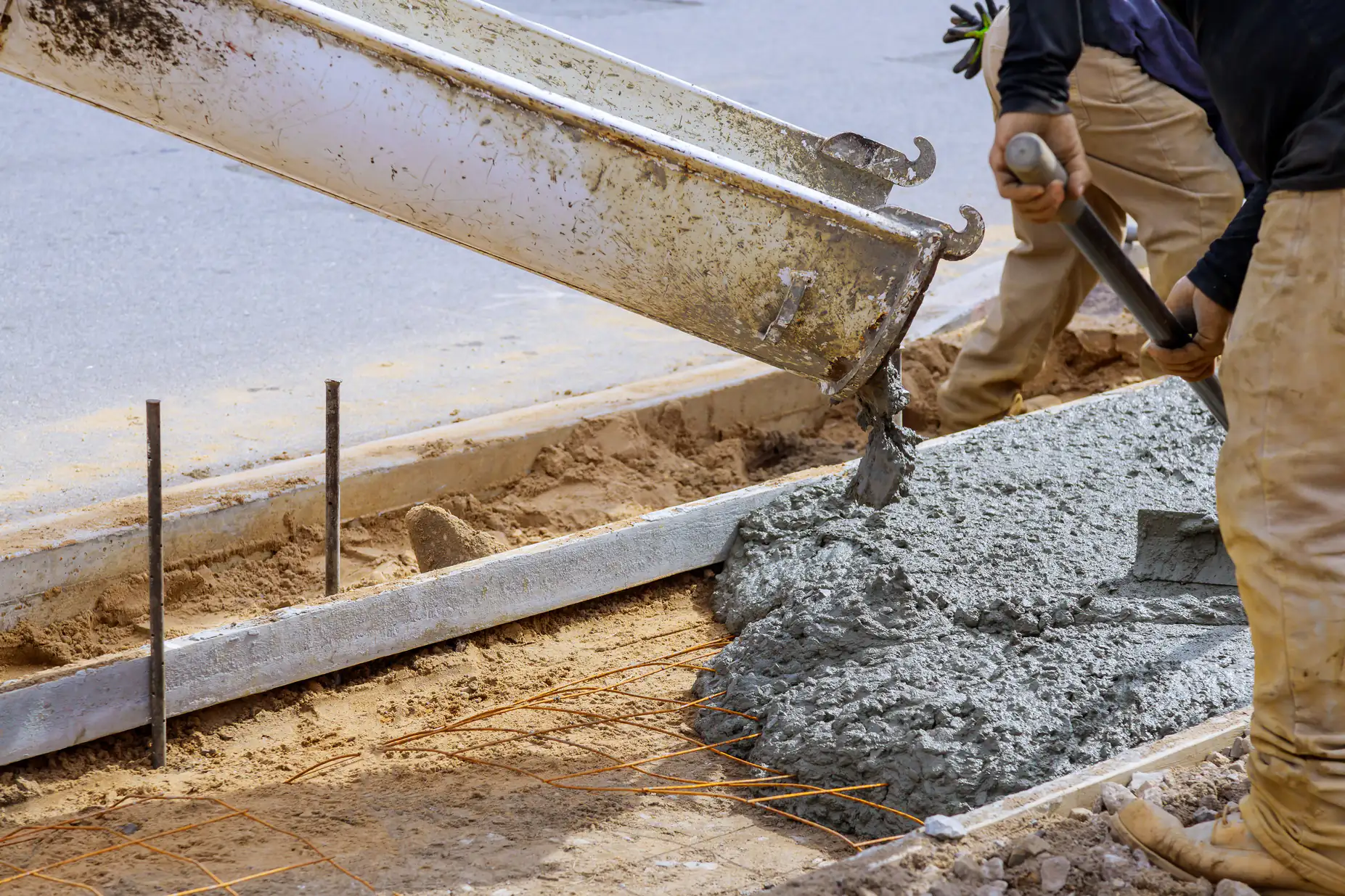
Once you approve the quote, we schedule the job and show up when we say we will. The old driveway comes out if needed, then we grade and compact the base so it’s stable. This step matters more than most people realize—if the base shifts, your concrete cracks no matter how good the pour is.
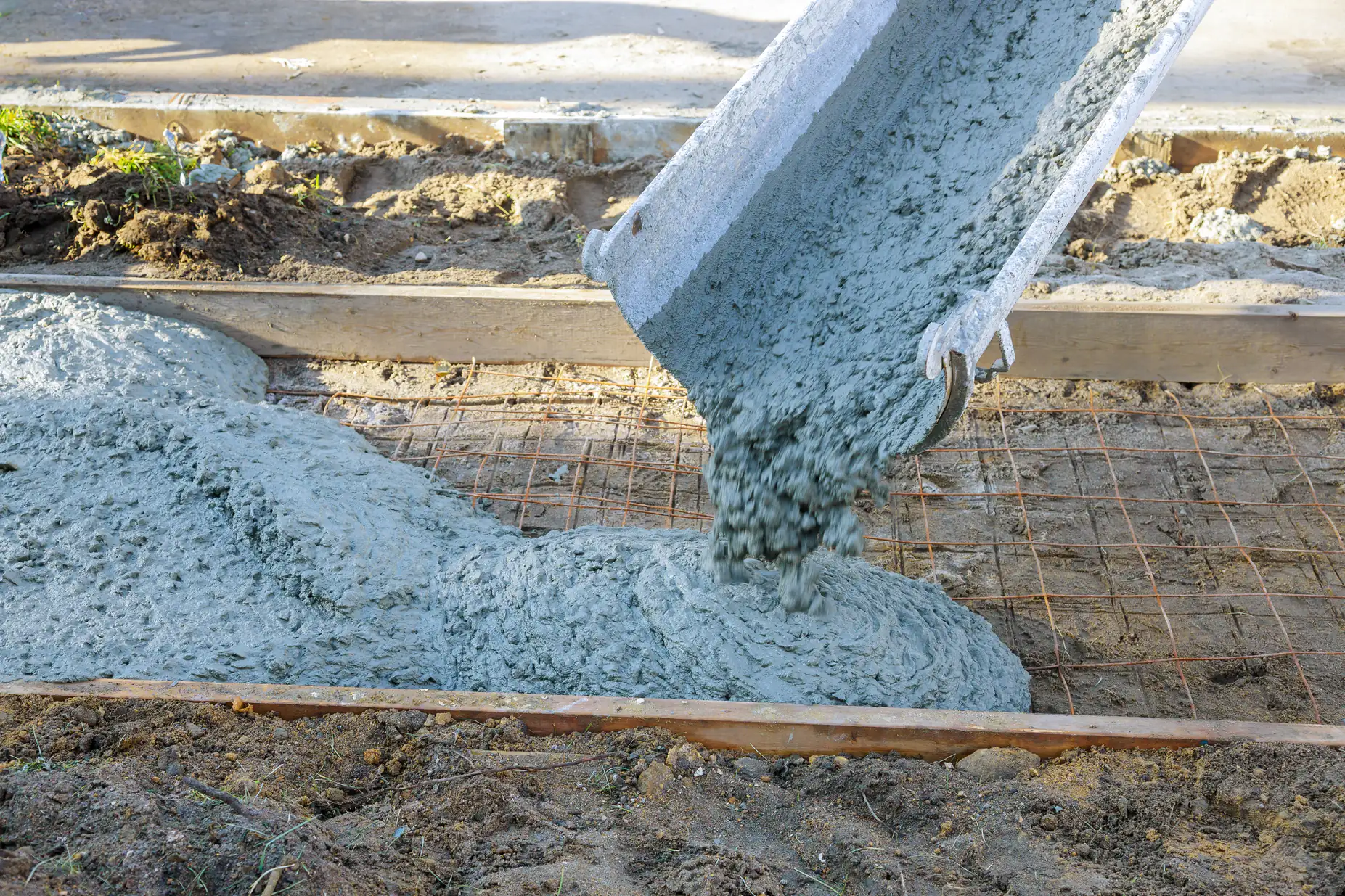
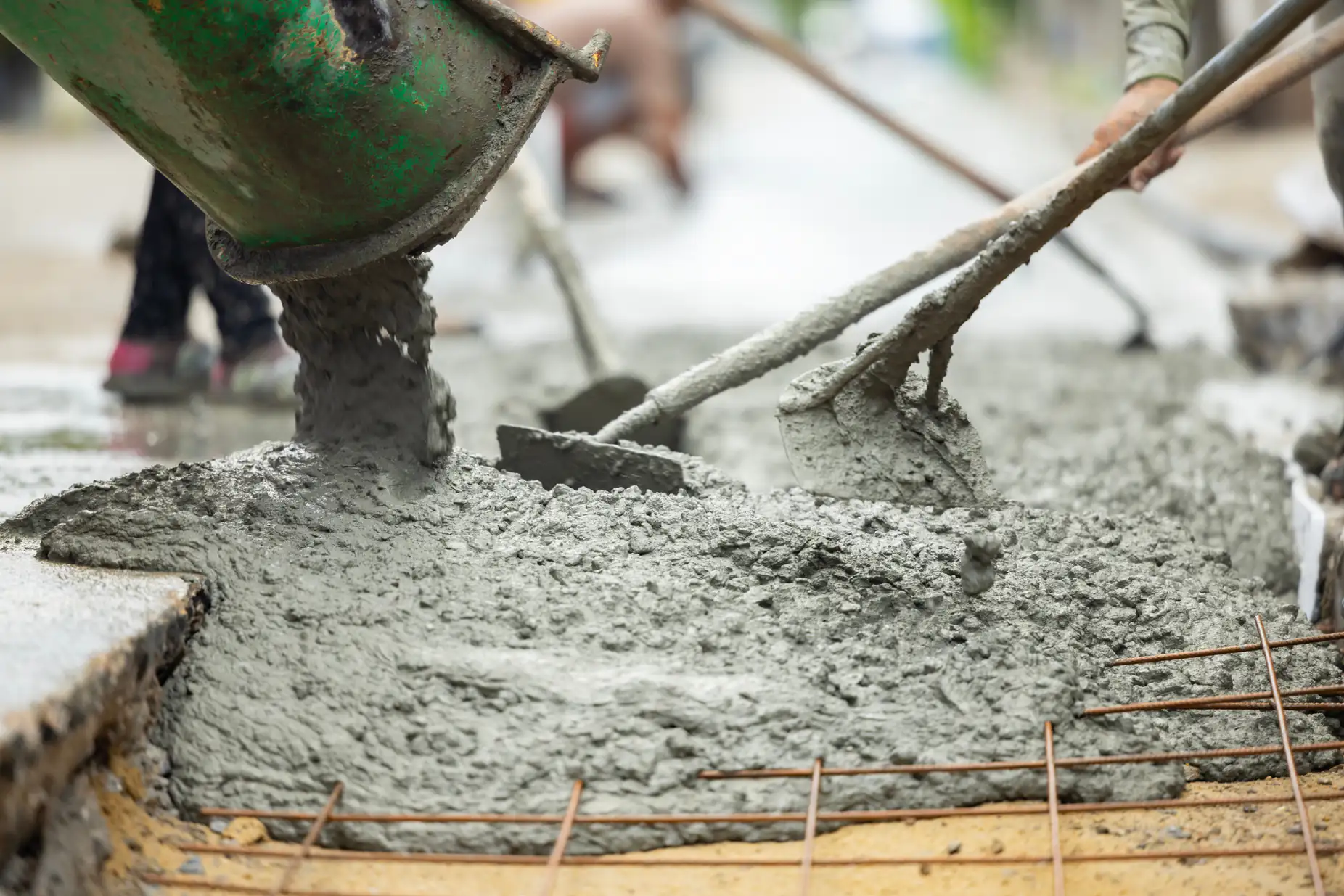
We install the concrete using mixes designed for New Jersey weather, with rebar reinforcement to handle ground movement. Proper slope and drainage get built in so water doesn’t pool. The concrete needs time to cure, usually a few days before you can drive on it, and we’ll tell you exactly how long based on the weather conditions during your install.
After it’s cured, you’ve got a finished driveway. We clean up the site, walk you through any maintenance basics, and you’re done. Most projects take one to three days depending on size and site conditions.

Ready to get started?
You’re getting more than just a concrete pour. Site preparation includes removing old pavement if it’s there, grading for proper drainage, and compacting the base so it won’t settle unevenly. We’re not skipping steps to finish faster.
The concrete itself uses Portland cement mixes formulated for Northern New Jersey’s climate. Rebar reinforcement goes in to handle ground movement from freeze-thaw cycles. If you want decorative options like stamped concrete patterns, those are available—but the structural work underneath stays the same regardless of how the surface looks.
Troy Hills properties deal with specific drainage challenges because of how the ground freezes in winter. We slope the driveway away from your foundation and install proper drainage so water doesn’t sit on the surface or seep into your basement. That’s not an upsell, it’s part of doing the job right.
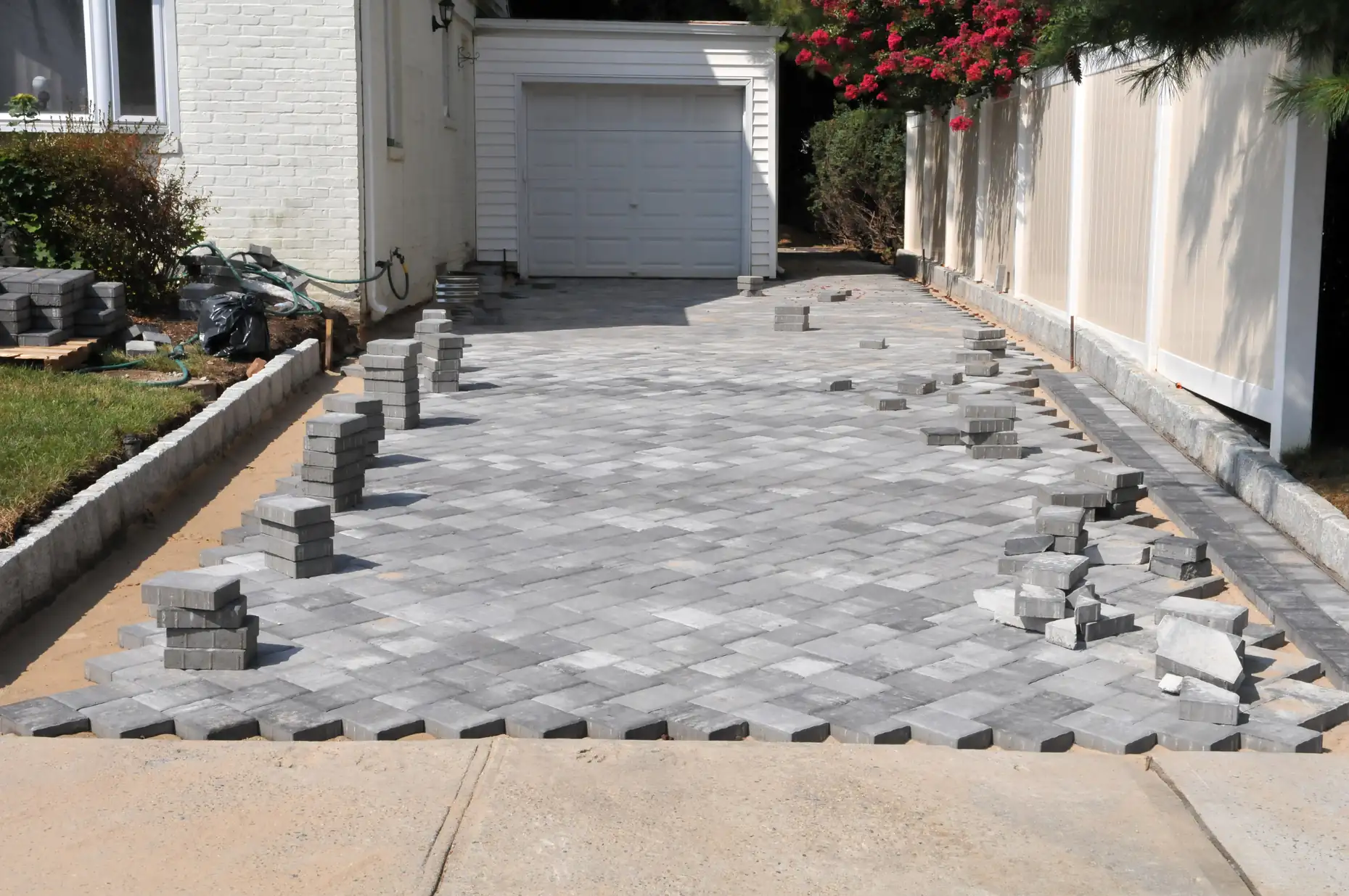
You also get clear communication throughout the project. We tell you upfront how long the job takes, when you can use the driveway again, and what maintenance looks like going forward. If you need concrete patio work, flagstone pavers, or belgard pavers installation, we handle that too with the same approach—no surprises, no runaround.
Concrete driveways in Northern New Jersey typically run between seven and fourteen dollars per square foot depending on whether you need reinforcement and what the site conditions look like. A standard two-car driveway around 400 square feet costs roughly $3,000 to $5,500 for basic installation.
That price includes removing old pavement if necessary, site preparation with proper base compaction, the concrete pour with rebar reinforcement, and basic finishing. If you want decorative stamped patterns or colored concrete, expect to add another three to eight dollars per square foot.
What drives the cost up is usually site access, how much old material needs removal, or if the base requires extra work because of drainage issues. We give you an upfront quote after seeing your property so you know exactly what you’re paying before any work starts. No padding the bill with “unforeseen complications” that should’ve been caught during the initial visit.
Asphalt handles freeze-thaw cycles better than concrete because it’s flexible. When water gets into tiny cracks and freezes, asphalt can expand and contract without breaking apart. Concrete is rigid, so that same freeze-thaw pressure causes cracking and surface damage over time.
That said, properly installed concrete with rebar reinforcement and the right mix design still lasts 25 to 30 years in Northern New Jersey if you maintain it. Asphalt needs resurfacing every 15 to 20 years and requires sealcoating every few years to prevent water intrusion.
The choice comes down to what matters more to you. Asphalt costs less upfront and handles winter stress better, but needs more maintenance. Concrete costs more initially and is more vulnerable to freeze-thaw damage, but lasts longer if installed correctly and requires less ongoing work. Both options work in Troy Hills—it depends on your budget and how much maintenance you want to deal with long-term.
Most concrete driveway installations take one to three days depending on the size of the area and whether we’re removing old pavement first. A standard residential driveway usually gets poured in one day once the site prep is done.
The concrete needs time to cure before you can drive on it. You’re looking at about three to seven days depending on weather conditions—warmer temperatures speed up curing, cold weather slows it down. We’ll tell you the exact timeline based on the forecast during your installation.
If we’re removing an old driveway first, add another day for demolition and hauling away the debris. Complex sites with drainage issues or access problems can add time, but we’ll walk you through the schedule during the quote so you know what to expect. We don’t rush the cure time to finish faster—that’s how driveways fail early.
Concrete driveways need sealing every two to three years to prevent water from seeping into the surface. Water intrusion is what causes freeze-thaw damage during winter, so keeping the surface sealed is the most important maintenance task you’ve got.
You should also fill any cracks as soon as they appear. Small cracks turn into big problems fast once water gets in and freezes. A quick repair with concrete crack filler costs almost nothing and prevents expensive damage down the road.
Avoid using rock salt or chemical deicers in winter if possible. They break down the concrete surface over time. Sand or calcium magnesium acetate work better for traction without damaging the material. If you do use salt, rinse the driveway when temperatures rise above freezing to wash away the residue. That’s it—seal it regularly, fix cracks early, and go easy on the salt. Do those three things and your driveway lasts decades.
Concrete can be installed in winter if temperatures stay above 40 degrees for several days after the pour. Below that, the concrete won’t cure properly and you’ll end up with a weak surface that fails early.
Northern New Jersey winters make scheduling tricky because temperatures fluctuate. We can pour during mild stretches in late fall or early spring, but deep winter installations are risky. If the forecast shows a cold snap right after your scheduled pour, we’ll push the job back rather than risk a bad cure.
The concrete also needs to be protected if temperatures drop unexpectedly after installation. We use insulated blankets and other methods to maintain temperature during the cure period, but there’s only so much you can do when it’s 20 degrees outside. Spring and fall are the best windows for concrete work in Troy Hills. Summer works too, though extreme heat requires different precautions to prevent the concrete from curing too fast and cracking.
Most driveway replacements don’t require a permit in Morris County if you’re staying within the existing footprint and not changing drainage patterns. If you’re expanding the driveway, adding new impervious surface, or altering how stormwater runs off your property, you’ll likely need approval from the local building department.
Troy Hills has specific regulations about how much of your property can be covered with impervious surfaces like concrete or asphalt. Going over that limit requires stormwater management plans and permits. We’ll tell you during the initial visit if your project needs permits based on what you’re planning.
The permit process usually takes a few weeks and adds to the project timeline. Some homeowners try to skip permits to save time, but that causes problems if you ever sell the property or if a neighbor reports unpermitted work. We handle permitted work all the time—it’s not complicated, just adds some paperwork and a few weeks to the schedule. Better to do it right than deal with code enforcement later.