
Hear from Our Customers
Your driveway stops being something you worry about every winter. No more watching small cracks turn into expensive problems when temperatures swing from 20 to 50 degrees in the same week.
You get a surface that drains properly, holds up under New Jersey weather, and doesn’t need constant patching. The kind of driveway that still looks solid 20 years later while your neighbor’s asphalt is on its second replacement.
When you’re pulling into your garage after a long commute from Manhattan or Newark, you’re driving on concrete that was poured at the right temperature, with proper rebar reinforcement, over a base that won’t shift. That’s what proper installation gets you—one less thing to think about.
We’re a third-generation contractor based in Dover, serving The Hills and surrounding Morris County communities. We’ve worked in Short Hills, Millburn, Summit, and throughout the area long enough to know exactly what New Jersey weather does to concrete.
We’re not the cheapest option, and that’s intentional. You’re paying for Portland cement mixes with proper rebar reinforcement, not bargain materials that crack within five years. Our crews know the difference between doing it fast and doing it right.
Every project comes with a five-year warranty because we stand behind the work. You’ll get a callback within 24 to 48 hours when you request a quote, and the price we give you is the price you pay—no surprise charges when we’re halfway through the job.
We start with an assessment of your existing base, drainage patterns, and any surface distress. If your current driveway has problems, we need to know why before we pour new concrete over the same issues.
Next comes excavation and base preparation. This is where most contractors cut corners, but it’s the most important part. We remove the old surface, grade for proper drainage, and compact the base so it won’t shift when the ground freezes. For Morris County properties, this means accounting for frost heave and the constant freeze-thaw cycles you get from December through February.
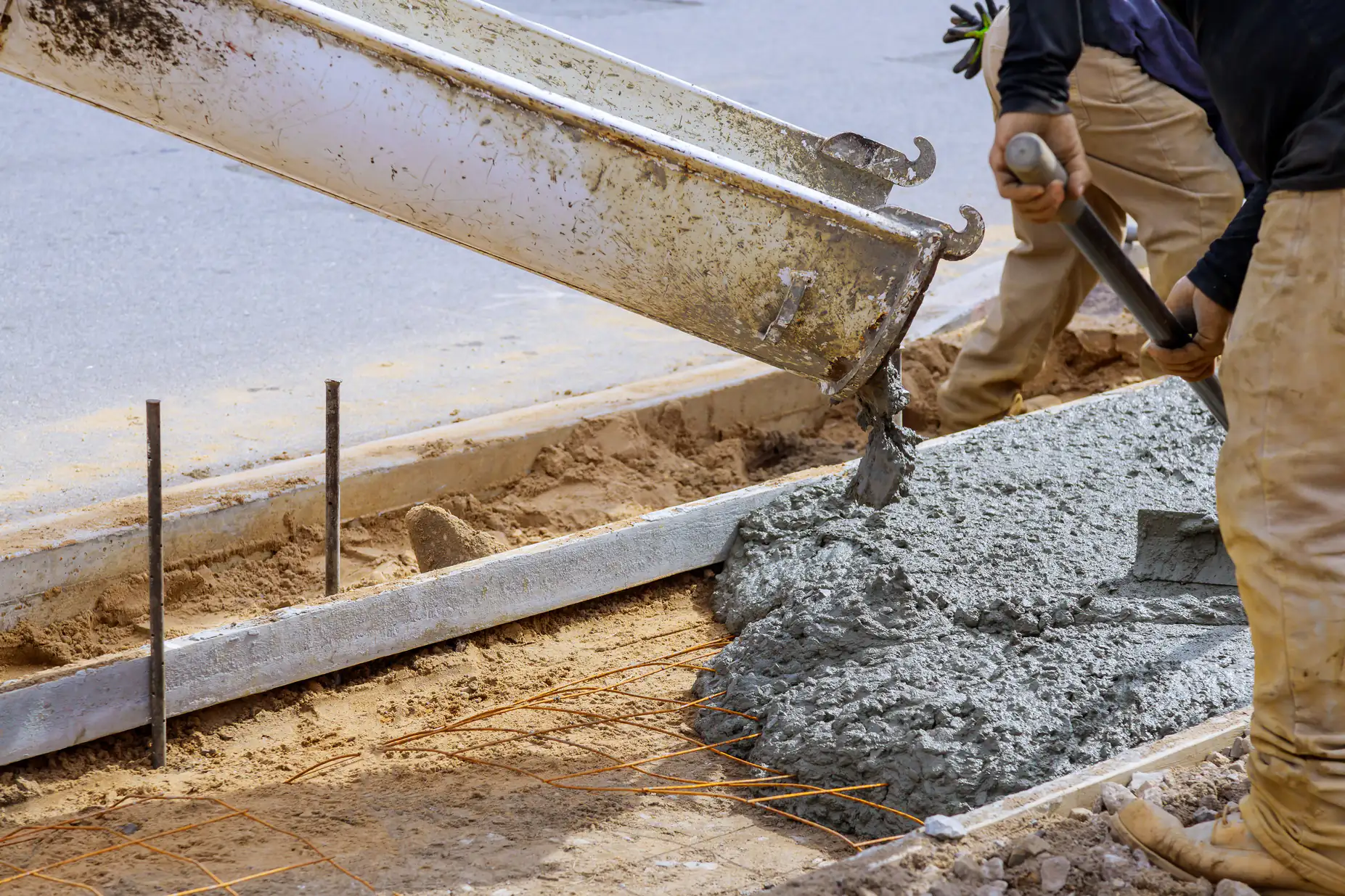
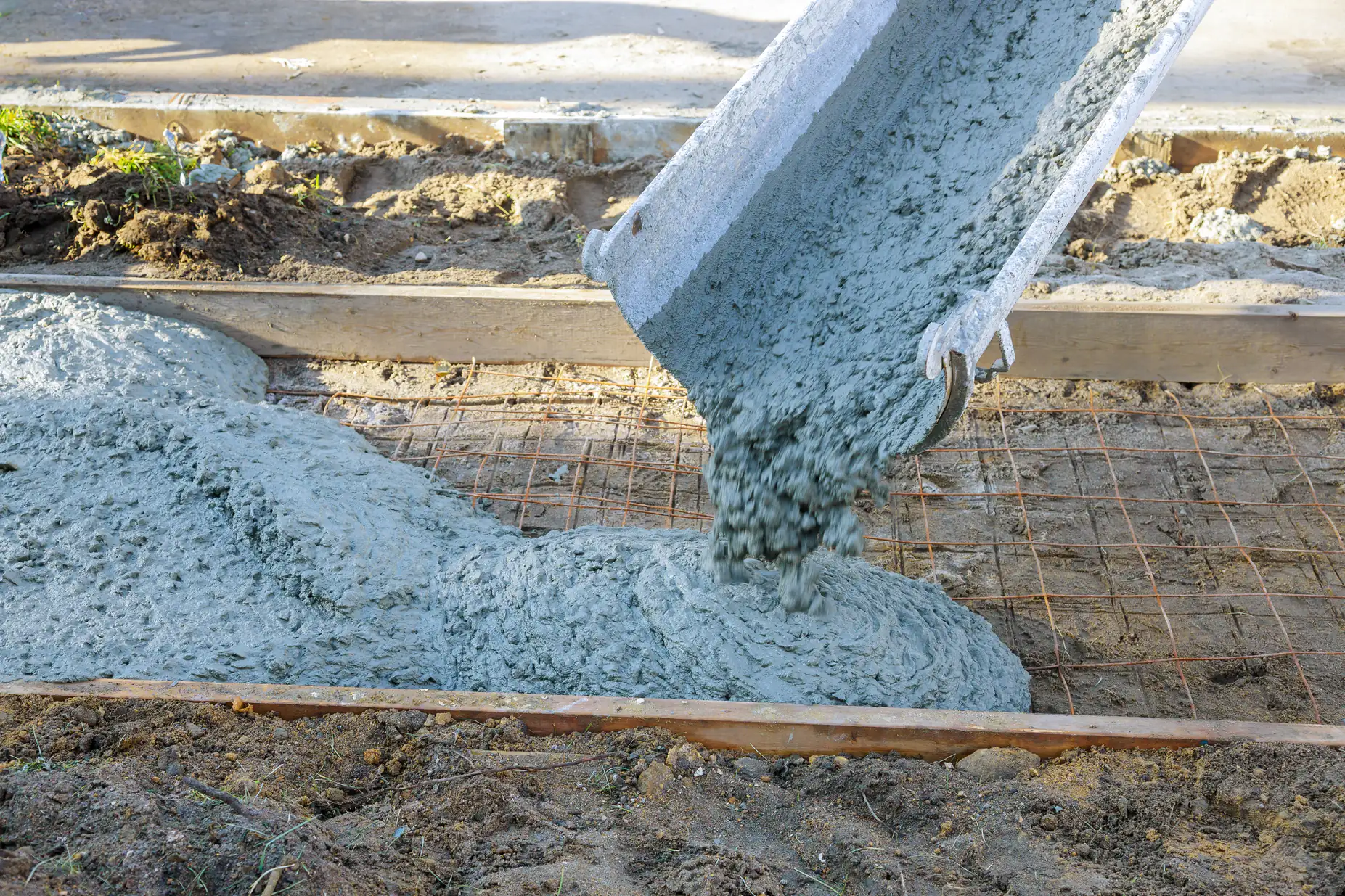
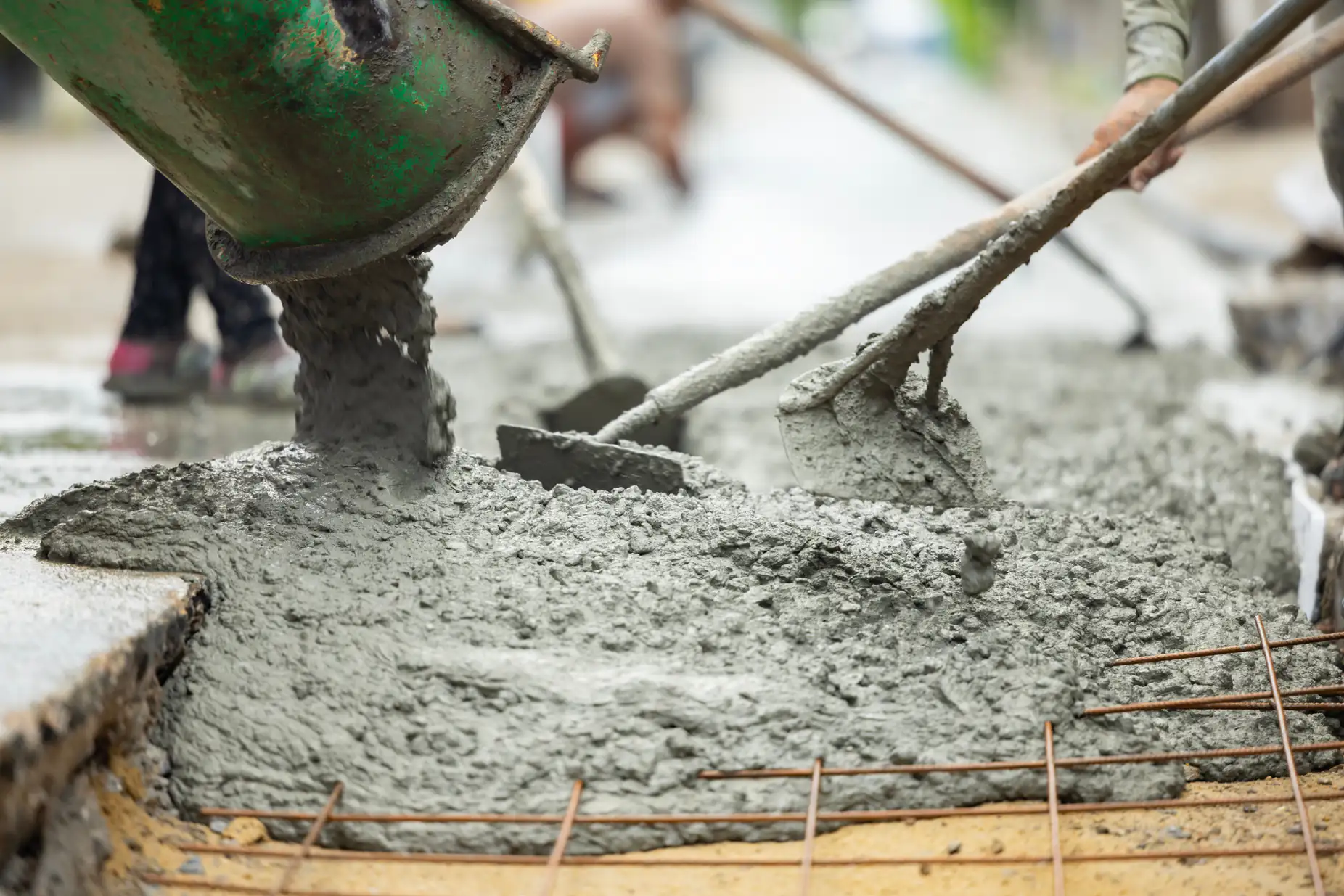
Then we pour high-grade concrete at the proper temperature with rebar reinforcement throughout. If you want decorative stamped concrete, we apply the pattern while the concrete is still workable. The whole process takes a few days depending on size, and you’ll need to stay off it for about a week while it cures.

Ready to get started?
You get complete excavation and removal of your old driveway or existing surface. We handle the permits, the base preparation, the grading for drainage, and the concrete installation with rebar reinforcement. If you want decorative stamped concrete patterns, we do that too—it costs 30 to 45 percent less than installing pavers and holds up better in New Jersey winters.
The Hills area has specific challenges. Properties here often have longer driveways, mature trees that affect root systems, and soil conditions that require extra attention to drainage. We account for all of that during the base prep phase.
You’re also getting materials that match the climate. We use Portland cement mixes designed for temperature swings, not the cheapest option the supplier has in stock. The concrete gets poured at the right temperature—critical for proper curing—and we don’t rush the process just to move on to the next job.
Typical projects in The Hills run between $8,000 and $18,000 depending on size and whether you want plain or decorative finishes. That’s higher than asphalt, but you’re looking at 25 to 50 years of life instead of 10 to 15, with almost no maintenance required.
A properly installed concrete driveway lasts 25 to 50 years in New Jersey, even with the freeze-thaw cycles we get in Morris County. That’s two to three times longer than asphalt, which typically needs replacement every 10 to 15 years.
The key is proper installation. Concrete needs a stable base that won’t shift when the ground freezes, adequate rebar reinforcement to prevent cracking, and proper drainage so water doesn’t pool and freeze underneath the surface. When temperatures hover around freezing—which happens constantly from December through February in The Hills—you get repeated melting and refreezing. Concrete handles that better than asphalt because it doesn’t soften in summer heat or become brittle in extreme cold.
You’ll still need to seal it every few years and fix any cracks early, but the maintenance is minimal compared to alternatives. Most of the concrete driveways we installed 15 or 20 years ago are still in excellent condition.
Concrete costs more upfront—typically $6 to $12 per square foot compared to $3 to $7 for asphalt. For a standard two-car driveway in The Hills, you’re looking at $8,000 to $15,000 for concrete versus $4,000 to $8,000 for asphalt.
But here’s what changes the math: asphalt needs resurfacing every 3 to 5 years and full replacement every 10 to 15 years. Concrete lasts 25 to 50 years with minimal maintenance. Over 30 years, you’ll replace an asphalt driveway twice, plus pay for multiple resurfacing jobs. That adds up to more than the cost of concrete.
Decorative stamped concrete runs $8 to $21 per square foot, which is still 30 to 45 percent less than installing pavers while giving you a similar high-end look. If you’re planning to stay in your home long-term or you care about property value, concrete makes more financial sense even though the initial invoice is higher.
You can pour concrete in winter, but it’s not ideal. Concrete needs to cure properly, and that requires temperatures above 40 degrees for several days. When it’s colder, the curing process slows down or stops, which weakens the final product.
We can work in late fall or early spring when temperatures are cooler but still above freezing during the day. Some contractors offer discounts of 5 to 15 percent during these slower months, which can save you $500 to $2,000 on a typical project. But if we’re in the middle of January and it’s 25 degrees outside, we’re going to recommend waiting until conditions improve.
The best time for concrete work in The Hills is late spring or early fall. You get consistent temperatures, lower humidity, and optimal curing conditions. Rushing a winter installation to save a few bucks usually means you’ll pay more in repairs within a few years.
Yes, you should seal your concrete driveway every 2 to 3 years. Sealing protects the surface from water infiltration, freeze-thaw damage, and staining from oil or other chemicals. It’s basic maintenance that extends the life of your driveway significantly.
In Morris County, water is your biggest enemy. When water seeps into small cracks or pores in the concrete and then freezes, it expands and causes damage. Over time, this leads to spalling, cracking, and surface deterioration. A good sealer prevents water from getting in.
Sealing costs a few hundred dollars and takes a few hours. Compare that to repair work, which starts around $3,000 for significant damage, or full replacement at $8,000 to $15,000. Most homeowners skip this step because the driveway looks fine, but by the time you see major problems, you’re past the point of simple fixes.
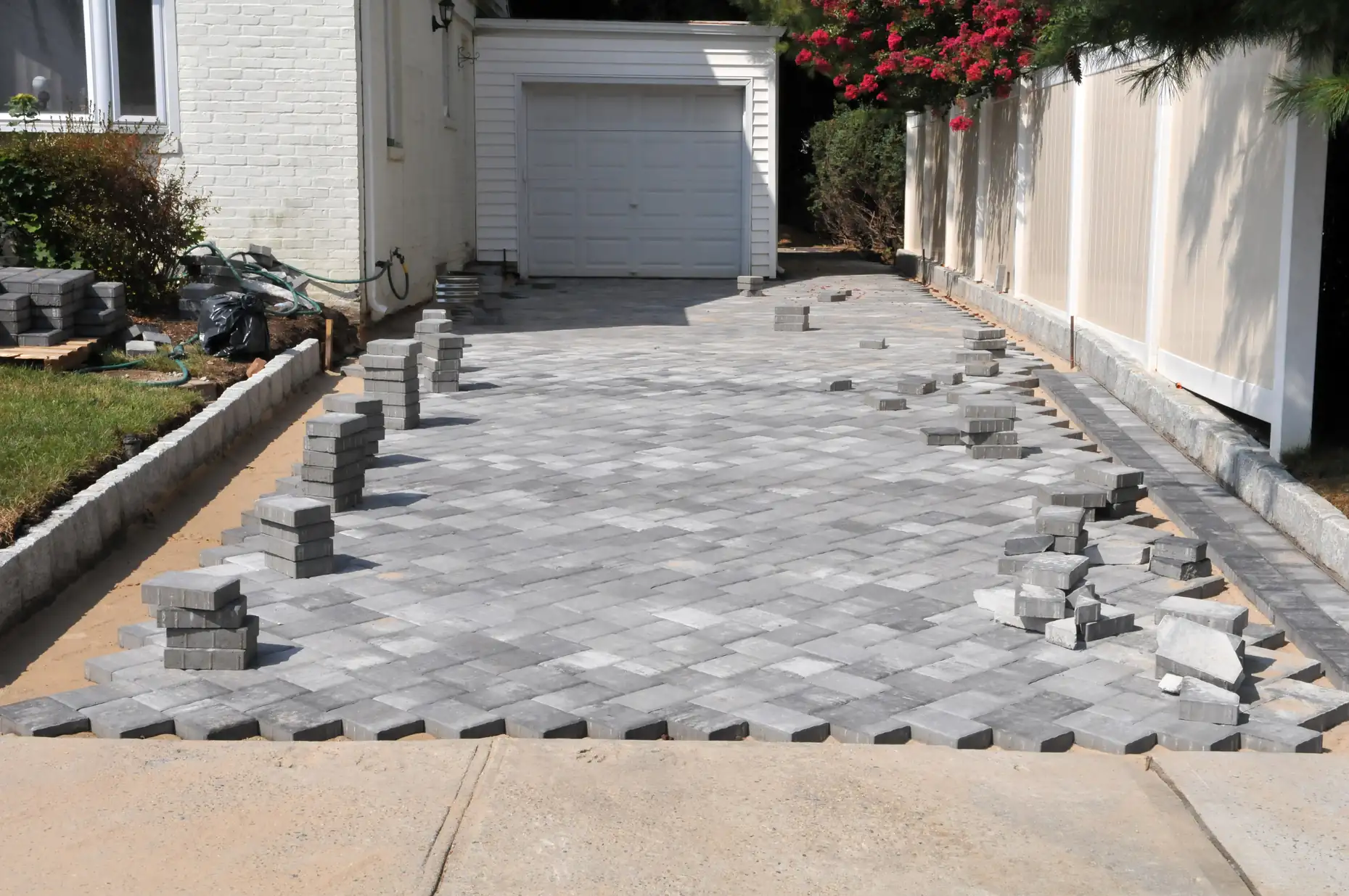
Stamped concrete is poured as one continuous surface and then stamped with patterns to look like brick, stone, or pavers. Pavers are individual pieces installed one by one. Both give you a decorative look, but they differ in cost, maintenance, and durability.
Stamped concrete costs 30 to 45 percent less than pavers—usually $8 to $21 per square foot versus $15 to $30 for pavers. It’s faster to install and creates a solid surface with no gaps where weeds can grow. The downside is if you get a crack, it’s more visible than on pavers, and you can’t just replace one section easily.
Pavers look great initially, but they shift over time, especially in New Jersey where freeze-thaw cycles push things around. You’ll spend time releveling them and dealing with weeds growing between the joints. For driveways in The Hills where you’re parking heavy vehicles and dealing with snow removal, stamped concrete holds up better and requires less ongoing maintenance.
Look for a contractor who’s been working in your area for years and can show you local projects. Anyone can pour concrete, but doing it right in New Jersey requires understanding local soil conditions, drainage issues, and how to build for freeze-thaw cycles.
Ask about their base preparation process. This is where most problems start. A contractor who rushes through excavation and compaction to save time will leave you with a driveway that cracks within a few years. You want someone who explains why they’re doing each step, not just what they’re doing.
Check if they’re licensed and insured, and ask about their warranty. We offer a five-year warranty because we’re confident in our work. If a contractor won’t stand behind their installation for at least a few years, that tells you something. Also pay attention to communication—if they’re hard to reach during the sales process, they’ll be impossible to reach if you need service later.