
Hear from Our Customers
Your driveway should handle everything North Jersey throws at it without falling apart. That means proper base preparation, climate-appropriate concrete mixes with air entrainment, and installation techniques that account for the 40% more freeze-thaw cycles this area sees compared to South Jersey.
When we’re done, you’re looking at a surface that drains correctly, supports vehicle weight without settling, and stays intact through temperature swings that would crack a poorly installed slab. No pooling water. No premature surface deterioration. No callbacks two winters later because someone skipped steps.
The difference shows up in year five, year ten, and year twenty. You’re not patching cracks or dealing with flaking surfaces because the foundation work was done properly from the start. That’s what happens when concrete driveway installation is handled by contractors who understand local conditions instead of treating every job like it’s in a different climate.
Platinum Paving is grounded in Morris County. We’ve handled driveway paving projects throughout Ten Mile Run, Somerset County, and surrounding areas long enough to know what works in this climate and what doesn’t.
You’re working with cement driveway contractors who respond to quote requests within 24-48 hours, show up when scheduled, and provide written estimates with no surprise charges. We’re not a national franchise treating your property like job number 47 this week.
Our reputation depends on driveways that perform decades after installation. That’s why we use 4,000 PSI concrete with proper air entrainment, install rebar reinforcement where needed, and handle base preparation like it matters—because it does.
We start with site analysis. That means checking drainage patterns, soil conditions, and grade to identify issues before they become expensive problems. If water’s going to pool or your base needs additional compaction, you’ll know upfront.
Next comes excavation and base preparation. We remove existing material, grade for proper drainage, and compact the base using heavy vibratory rollers to achieve 92-96% of maximum theoretical density. This step determines whether your driveway lasts three years or thirty.
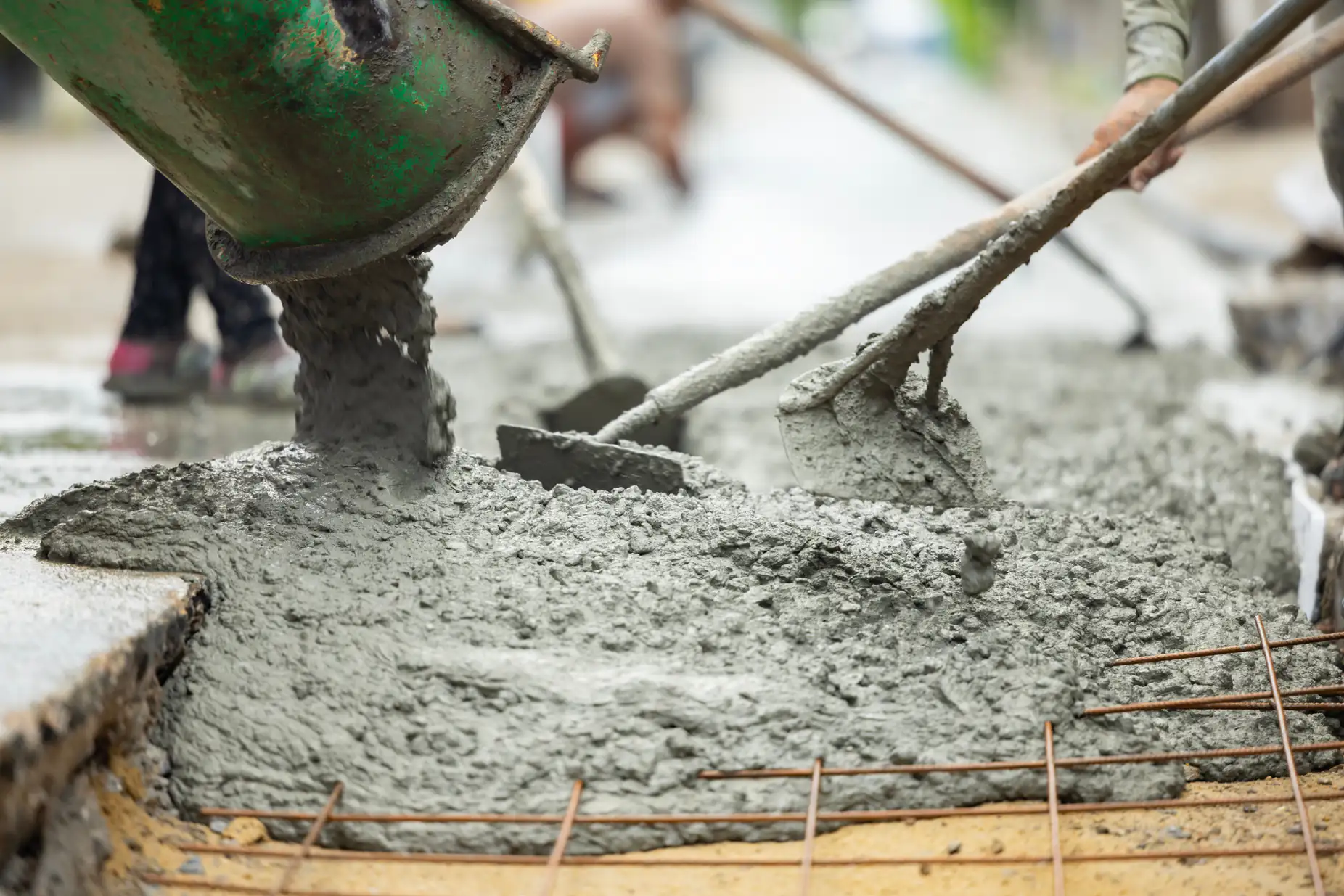
Then we install the concrete. We’re using climate-appropriate mixes designed for North Jersey’s temperature swings, poured at proper thickness with control joints placed to manage cracking. The concrete needs to cure for at least seven days before foot traffic and 28 days before vehicles—we’ll tell you exactly when it’s safe to use.
Final steps include finishing work, cleanup, and a walkthrough so you know what to expect during the curing process. You’ll also get maintenance guidance specific to this area, including how to handle deicing salt and when to reseal.

Ready to get started?
Your project includes permit handling, site preparation, proper base compaction, and installation of 4,000 PSI concrete with air entrainment for freeze-thaw resistance. We’re also handling drainage solutions specific to your property’s grade and water flow patterns.
For a standard 600-square-foot two-car driveway in Ten Mile Run, you’re looking at $4,200-$7,800 for basic installation. Decorative options like stamped concrete patterns or exposed aggregate finishes run higher, typically $7,800-$15,000 depending on design complexity. Those prices include all labor, materials, and site cleanup.
You’ll also get a warranty on workmanship covering settling, cracking due to improper base preparation, and installation-related issues. We’re not disappearing after the pour—if something’s wrong because of how we installed it, we’re fixing it.
The timeline depends on weather and curing requirements, but most residential driveway projects take 3-5 days from excavation to final finishing. Then you’re waiting for the concrete to cure properly before using it. We schedule during optimal conditions to avoid temperature-related problems that lead to surface deterioration.
For a typical two-car driveway around 600 square feet, you’re looking at $4,200-$7,800 for standard concrete installation. That’s $7-$13 per square foot including excavation, base preparation, concrete materials, labor, and finishing work.
Decorative options change the math. Stamped concrete with patterns that complement North Jersey’s architectural styles runs $7,800-$15,000 for the same size driveway. Exposed aggregate or integral color finishes fall somewhere in that range depending on complexity.
What national cost guides won’t tell you is that real New Jersey projects often include extras that add $1,000-$5,000 to the base price. Drainage solutions, additional base work for poor soil conditions, permit fees, or removal of existing pavement all affect your final number. That’s why we provide detailed written estimates that break down exactly what you’re paying for instead of giving you a number that changes later.
When installed correctly with proper base preparation and climate-appropriate materials, concrete driveways last 25-30 years in this area. That’s significantly longer than asphalt, which typically needs replacement after 10-20 years.
The key phrase is “installed correctly.” North Jersey sees 40% more freeze-thaw cycles than Central or South Jersey, which means water infiltration and expansion can destroy a poorly installed driveway in under five years. You need concrete with proper air entrainment, adequate thickness, correctly placed control joints, and a base that’s been compacted to 92-96% density.
Maintenance matters too. Sealing your concrete every few years, addressing small cracks before they expand, and avoiding harsh deicing salts all extend lifespan. But if the installation work is subpar—wrong concrete mix, inadequate base prep, poor drainage—no amount of maintenance saves it. That’s why choosing experienced concrete driveway contractors who understand local climate conditions makes a bigger difference than any other factor.
Cracking happens for three main reasons: improper base preparation, wrong concrete mix for the climate, or inadequate control joints. In North Jersey, freeze-thaw cycles make all three issues worse because water gets into small cracks, freezes, expands, and turns hairline damage into major problems.
Prevention starts with base work. If the soil underneath isn’t properly compacted, the concrete settles unevenly and cracks. We use heavy vibratory rollers to achieve target density before pouring anything. Next is using the right concrete—4,000 PSI with air entrainment that allows for expansion and contraction during temperature swings without breaking apart.
Control joints are planned cracks that let the concrete move where we want it to instead of randomly. They’re placed based on driveway dimensions and expected stress points. Finally, proper drainage keeps water from pooling on the surface and working its way into the slab. If water’s draining away from your driveway and toward appropriate runoff areas, you’re eliminating one of the biggest causes of premature deterioration. These aren’t optional steps—they’re the difference between a driveway that lasts three years and one that lasts thirty.
Concrete installation works best when temperatures stay above 50°F during pouring and for several days after. Cold weather slows curing, increases the risk of surface damage, and can cause freeze damage before the concrete reaches adequate strength.
That means the ideal window for driveway paving in Ten Mile Run runs from April through October. You’re working with stable temperatures, predictable weather patterns, and conditions that let concrete cure properly. Winter installations are possible with special cold-weather mixes and protective measures like insulated blankets, but they add cost and risk.
Here’s what most homeowners don’t realize: scheduling during peak season when crews are busy can sometimes work in your favor if you’re flexible on timing. We may offer better pricing for projects that fill gaps in our schedule. But trying to rush a concrete pour in November because you want it done before snow flies usually backfires. The concrete won’t cure correctly, you’ll end up with surface problems by spring, and you’ve wasted money on an installation that needs repair or replacement sooner than it should. Better to wait for appropriate conditions than deal with premature failure.
You need to wait at least seven days before walking on new concrete and 28 days before driving on it. That’s how long it takes for the concrete to cure enough to handle vehicle weight without damage.
This surprises people because the surface looks solid after a day or two. But concrete reaches full strength gradually through a chemical process that requires time and proper moisture levels. Driving on it too early causes surface cracking, indentations, or structural damage that shortens the driveway’s lifespan.
During those first 28 days, the concrete needs protection from extreme temperature swings, heavy rain, and deicing chemicals. We’ll give you specific guidance on when it’s safe to use and what to avoid during curing. If you absolutely need driveway access sooner, that’s a conversation to have before we start—it might affect project timing or require temporary access solutions. But there’s no shortcut to proper curing. Trying to rush it means you’re compromising the durability you paid for, which defeats the purpose of installing concrete in the first place.
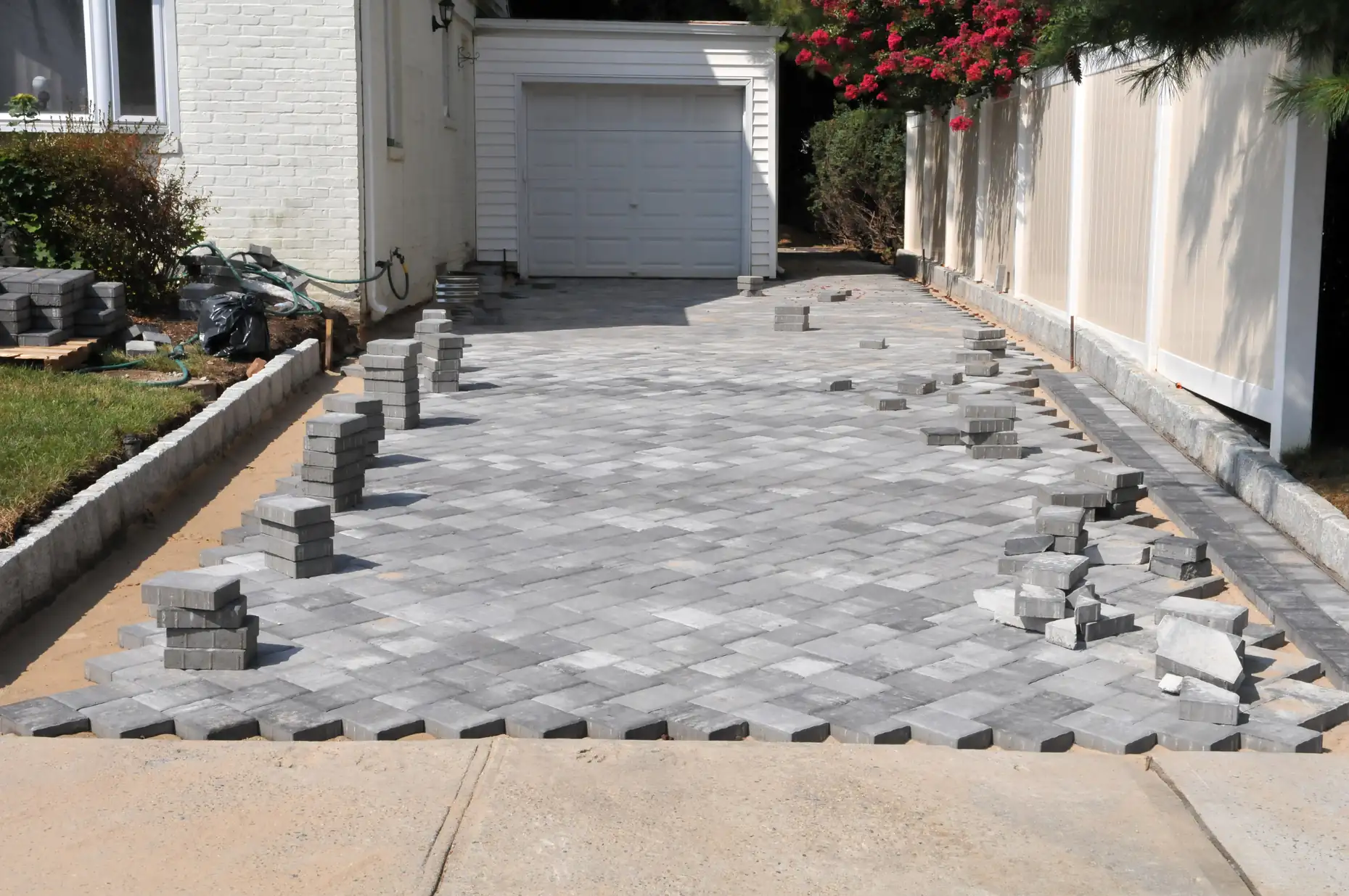
Yes. We install stamped concrete driveways with patterns that complement North Jersey’s architectural styles, along with exposed aggregate finishes and integral color options. Decorative concrete gives you the durability of standard concrete with custom aesthetics that enhance curb appeal.
Stamped patterns can mimic brick, cobblestone, slate, or other materials at a fraction of the cost of actual pavers. The concrete is poured, then stamped with texture mats while still workable, and often colored to complete the look. You’re getting a surface that’s easier to maintain than individual pavers because there are no gaps for weeds or shifting pieces.
Cost runs higher than standard concrete—typically $7,800-$15,000 for a 600-square-foot driveway depending on pattern complexity and color choices. But you’re also increasing property value by 5-10% with professional decorative work. The installation process is similar to standard concrete with the same base preparation and curing requirements. The difference is in finishing techniques that require additional expertise. If you’re considering decorative options, we’ll show you pattern samples and explain how different finishes hold up in this climate so you can make an informed decision based on your priorities and budget.