
Hear from Our Customers
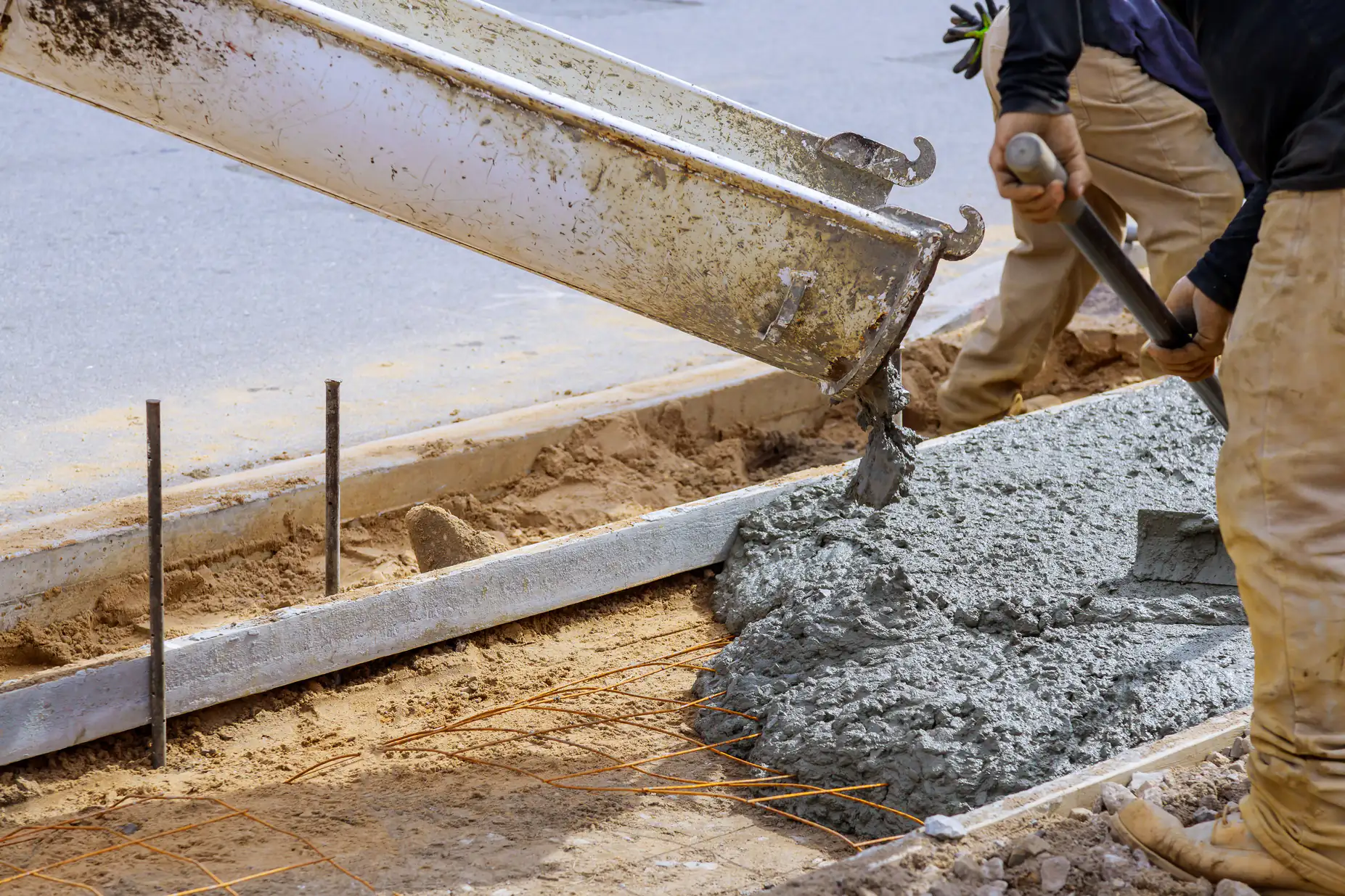
Your driveway takes a beating every winter. Water seeps into cracks, freezes, expands, and turns minor damage into major problems by spring. That’s not just inconvenient—it’s expensive.
Proper concrete installation stops that cycle before it starts. We’re talking about Portland cement mixes reinforced with rebar, not the thin pours that crack within two years. The foundation work matters more than the surface, and that’s where most contractors cut corners.
When the base is prepared correctly and the concrete is poured at proper thickness, your driveway handles Morris County’s temperature swings without breaking apart. No spiderweb cracks by year three. No standing water that turns into ice patches. Just a solid surface that does its job for decades, not seasons.
The difference shows up in February when your neighbors are dealing with potholes and you’re not. It shows up when you sell and buyers see a driveway that actually looks maintained. And it shows up in your bank account when you’re not calling for emergency repairs every spring.
Platinum Paving has spent over 40 years working in Morris, Sussex, and Somerset Counties. We know which streets in Succasunna have drainage issues. We know how soil conditions change between neighborhoods. We know what works here and what fails.
That local knowledge matters when you’re pouring concrete. The same approach that works in central Jersey doesn’t always hold up in Morris County. Our crews understand the specific challenges—older neighborhood quirks, elevation changes, soil composition—that affect how your driveway performs long-term.
We’re licensed, bonded, and insured because that’s baseline. We provide written estimates that break down every cost before work starts. And we guarantee a callback within 24 to 48 hours of your quote request, not whenever we feel like it.
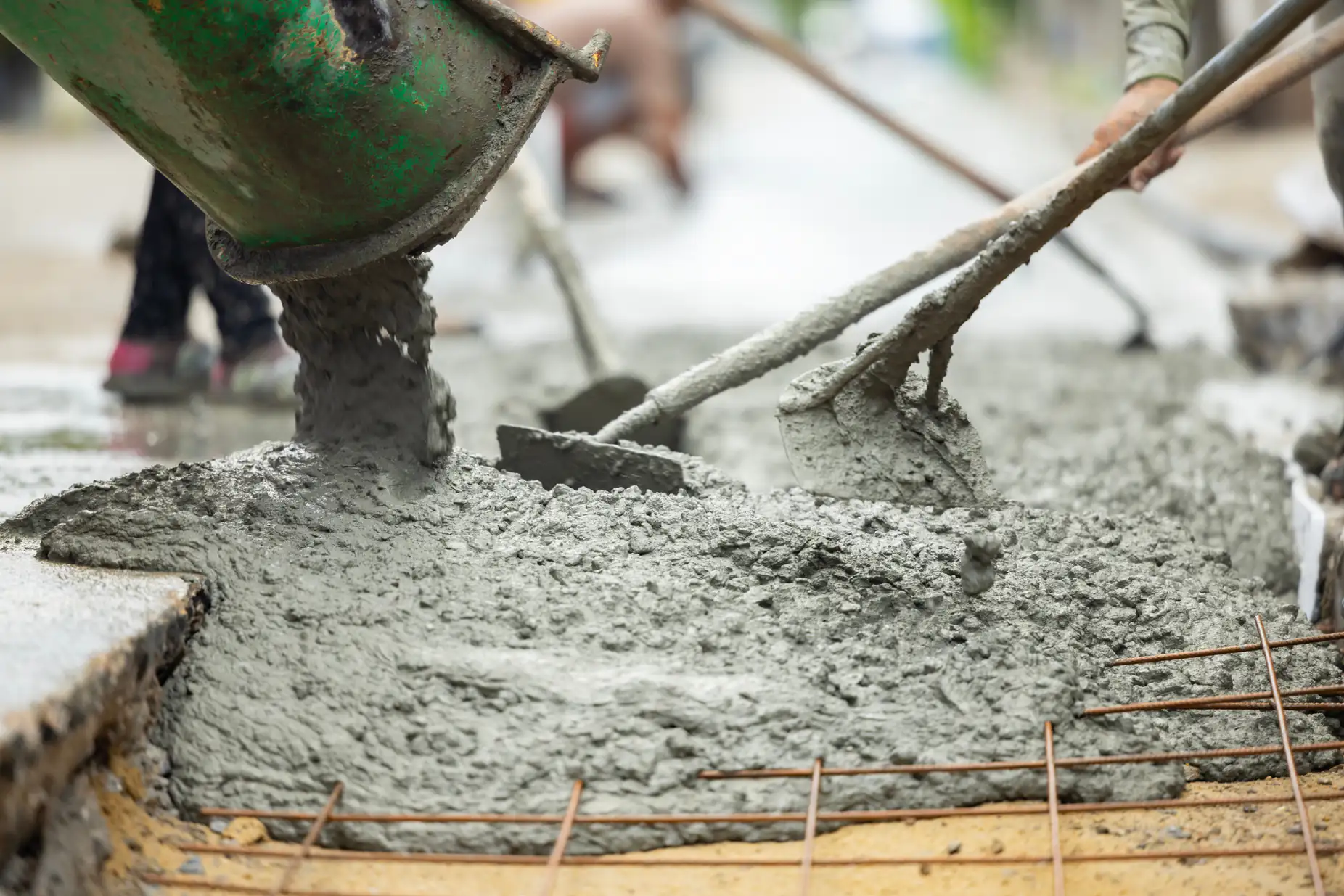
Most residential concrete driveway projects in Succasunna take two to three days from excavation to final cure. Day one focuses entirely on foundation work—excavation, grading, and base preparation. This determines whether your driveway lasts five years or fifty.
We remove the existing surface and dig down to stable subgrade. Then we install a compacted stone base that provides proper drainage and load distribution. This isn’t optional. Skip this step or do it poorly, and the concrete above will crack no matter how good the mix is.
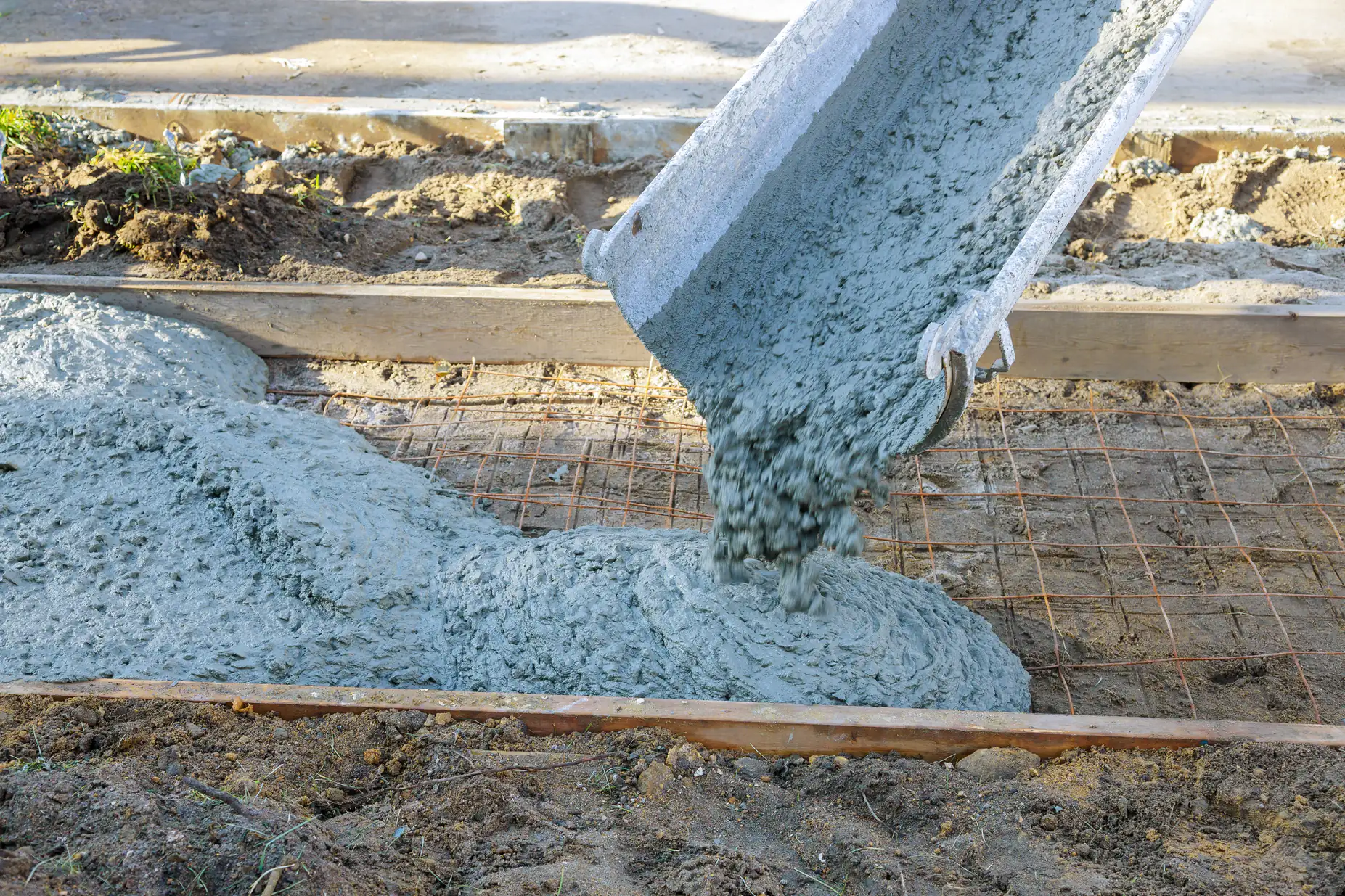
Day two is the concrete pour. We use high-grade Portland cement mixes, often with rebar reinforcement for added strength against freeze-thaw damage. The concrete goes down at proper thickness—not the minimum to save money, but the right depth for your specific usage and soil conditions.
After pouring, we finish the surface based on what you need. Standard broom finish for traction, or decorative stamped patterns if that’s your preference. Then comes the critical part: proper curing time. Concrete needs days to reach full strength, and we don’t rush that process just to close out the job faster.
We handle all permits and inspections required by Succasunna and Morris County. Our work meets local building codes, and we coordinate any required inspections so you don’t have to chase down township officials.

Ready to get started?
Every concrete driveway project includes complete excavation and removal of existing materials. We don’t pour over old surfaces or try to patch around problems. You get a fresh start with proper depth and preparation.
The stone base gets installed and compacted to specifications that match Morris County soil conditions and drainage requirements. This isn’t generic—we adjust based on your specific property’s elevation, water flow patterns, and soil composition.
Concrete installation includes rebar reinforcement in the areas that need it most. High-stress zones like aprons and turning areas get extra attention because that’s where failures typically start. We’re not using the same approach for every driveway regardless of how it’ll actually be used.
You also get proper finishing work. Whether that’s a standard broom finish for maximum traction in winter, or decorative stamped concrete that looks like pavers or stone, the surface treatment is part of the installation—not an upcharge surprise.
All necessary permits, inspections, and coordination with local authorities are handled by us. You’re not navigating township requirements or trying to schedule inspectors. We manage that process because we do it regularly and know exactly what Succasunna and Morris County require.
The project timeline is realistic, not optimistic. We tell you two to three days because that’s what proper installation actually takes. Anyone promising to finish your driveway in a single day is either cutting corners or lying about the scope.
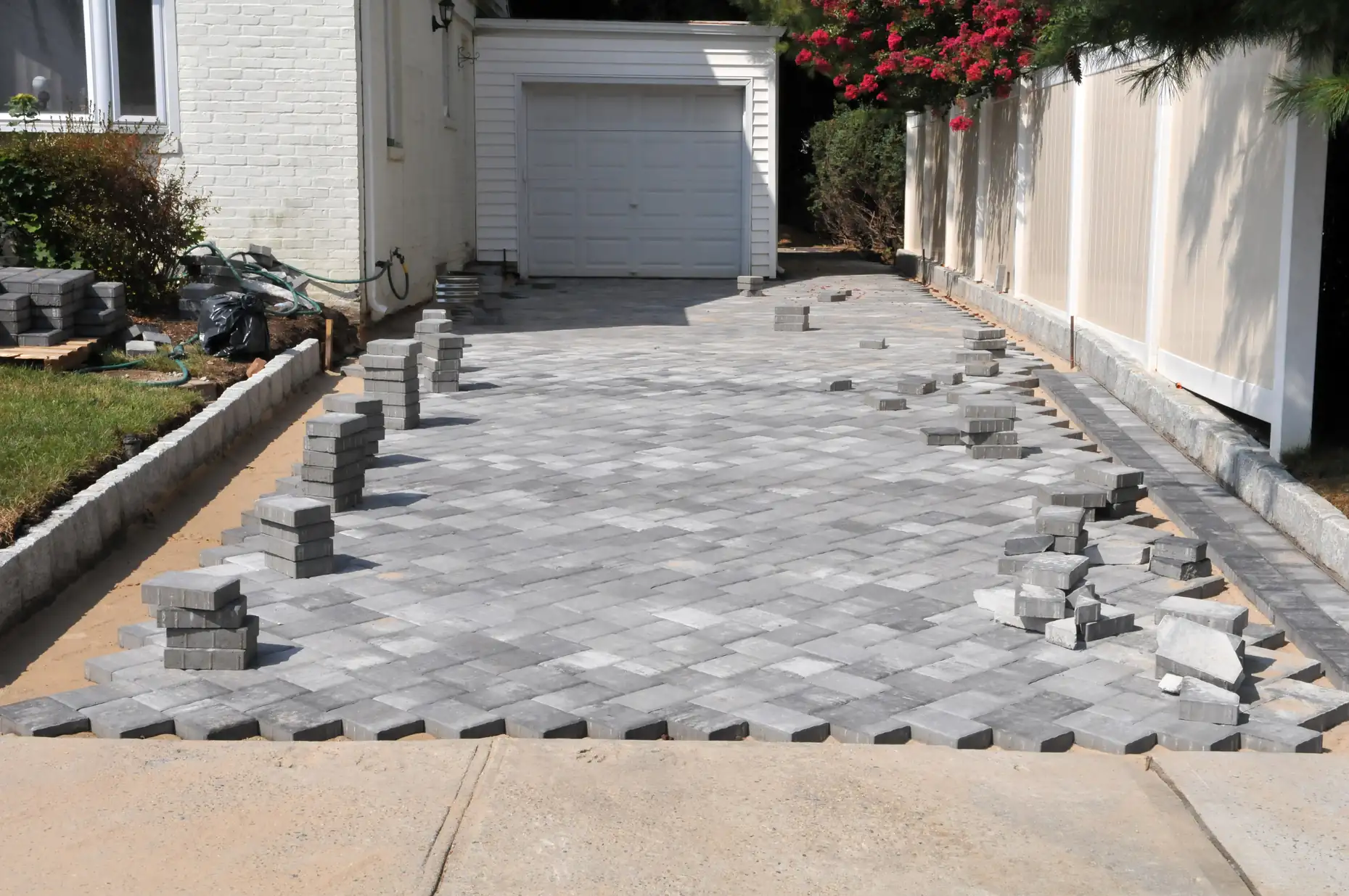
Concrete driveway installation in Succasunna typically runs between $7 and $13 per square foot, depending on site conditions and finishing options. For a standard two-car driveway around 400 to 600 square feet, you’re looking at $2,800 to $7,800.
That range exists for legitimate reasons. Properties with poor drainage need more extensive base preparation. Driveways with steep grades require additional reinforcement. Decorative finishes like stamped patterns cost more than standard broom finishes. And if we’re removing old concrete or asphalt, disposal adds to the total.
We provide detailed written estimates that break down these costs before any work starts. No surprises, no “unforeseen conditions” that magically appear once we’ve already torn up your driveway. The estimate reflects what your specific property needs, not a generic price pulled from a website calculator.
A properly installed concrete driveway in Morris County should last 30 to 40 years with basic maintenance. Improperly installed driveways start showing major problems within 5 to 10 years.
The difference comes down to foundation work and material quality. Driveways poured over inadequate base material or without proper thickness crack quickly under freeze-thaw cycles. Water infiltrates the base, freezes, expands, and destroys the concrete from underneath. By the time you see surface cracks, the damage below is already extensive.
Proper installation means excavating to stable subgrade, installing a compacted stone base with good drainage, and pouring concrete at appropriate thickness with reinforcement. The concrete mix itself matters too—we use formulations designed for New Jersey’s climate, not whatever’s cheapest at the plant that day.
Regular maintenance extends lifespan even further. Sealing every few years protects against water infiltration. Addressing small cracks before they become big ones prevents minor repairs from becoming major replacements. But even with zero maintenance, a well-built concrete driveway will outlast a poorly built one by decades.
Concrete costs more upfront but lasts longer and needs less maintenance. Asphalt is cheaper initially but requires regular sealing and typically needs replacement sooner. The right choice depends on your budget timeline and how long you plan to stay in the property.
Concrete handles New Jersey winters well once it’s properly cured. It doesn’t soften in summer heat like asphalt can. It resists oil and gas stains better. And it maintains its appearance longer without the regular sealing that asphalt demands every few years.
Asphalt has advantages too. It’s more flexible, which helps in areas with significant ground movement. It’s faster to install and ready to use sooner. And if you’re working with a tight budget, the lower initial cost matters.
For most Succasunna homeowners planning to stay long-term, concrete makes more financial sense. The higher upfront cost gets offset by lower maintenance and longer lifespan. But if you’re selling within five years or need the lowest possible initial investment, asphalt might fit your situation better. We install both, so we’re not pushing you toward the more expensive option just to increase our invoice.
Concrete can be installed in cold weather, but it requires special procedures and ideal conditions are rare in Morris County winters. We generally recommend scheduling concrete work for spring through fall when temperatures consistently stay above 40 degrees.
Cold weather slows concrete curing, which affects strength development. If concrete freezes before it properly cures, the damage is permanent and irreversible. You end up with a driveway that looks fine initially but fails prematurely because the chemical process that gives concrete its strength was interrupted.
When we do pour concrete in cooler weather, we use cold-weather mixes with accelerators, insulated blankets to retain heat during curing, and careful monitoring of temperatures. This adds cost and complexity. It’s not impossible, but it’s not ideal either.
The best time for concrete driveway installation in Succasunna is late spring through early fall. You get consistent temperatures that allow proper curing without special measures. The ground is workable for excavation. And you’re not racing against weather forecasts hoping temperatures don’t drop overnight.
If you’re dealing with a damaged driveway in winter, we can discuss temporary repairs to get you through to spring, or evaluate whether conditions allow for full installation. But we won’t pour concrete in conditions that compromise the final result just to book the job.
Most concrete driveway replacements in Succasunna require permits from Morris County or the local township, especially if you’re changing the driveway footprint or affecting drainage patterns. We handle the permit process as part of our service.
Permit requirements exist because driveways affect stormwater runoff and must meet local codes for setbacks, drainage, and accessibility. The township wants to ensure your new driveway doesn’t create flooding problems for neighbors or violate zoning regulations.
The permit process typically involves submitting site plans showing the driveway location, dimensions, and drainage provisions. An inspector may visit during or after installation to verify the work meets approved plans and local codes. This protects everyone—you get confirmation the work is done correctly, and the township ensures compliance with regulations.
We manage this entire process because we do it regularly and know exactly what Succasunna and Morris County require. You don’t need to visit the township office, figure out which forms to file, or schedule inspections. That’s part of what you’re paying us for—not just the physical installation, but the administrative work that makes it legal and compliant.
You can typically walk on new concrete after 24 to 48 hours, but you should wait at least seven days before driving on it. Full strength takes about 28 days, though the surface is usable before then.
Concrete gains strength gradually as it cures. After one week, it’s reached roughly 70% of its final strength—enough for normal vehicle traffic. But heavy loads or aggressive use during that first month can cause surface damage or cracking that shows up later.
We’ll give you specific guidance based on weather conditions during your installation. Hot, dry weather speeds curing. Cool, humid conditions slow it down. If we pour your driveway in July, the timeline might be shorter than the same work done in October.
During the curing period, keep vehicles off the surface entirely for that first week. After seven days, normal passenger vehicles are fine, but avoid heavy trucks or equipment. Don’t turn the steering wheel while stationary—that grinding motion can damage concrete that hasn’t reached full strength. And definitely don’t let anyone skateboard or bike on it during the first month, no matter how much they beg.
Patience during curing pays off in longevity. Rush it, and you risk permanent damage that shortens your driveway’s lifespan. Wait the full week, and you get the decades of service that proper concrete installation should provide.