
Hear from Our Customers
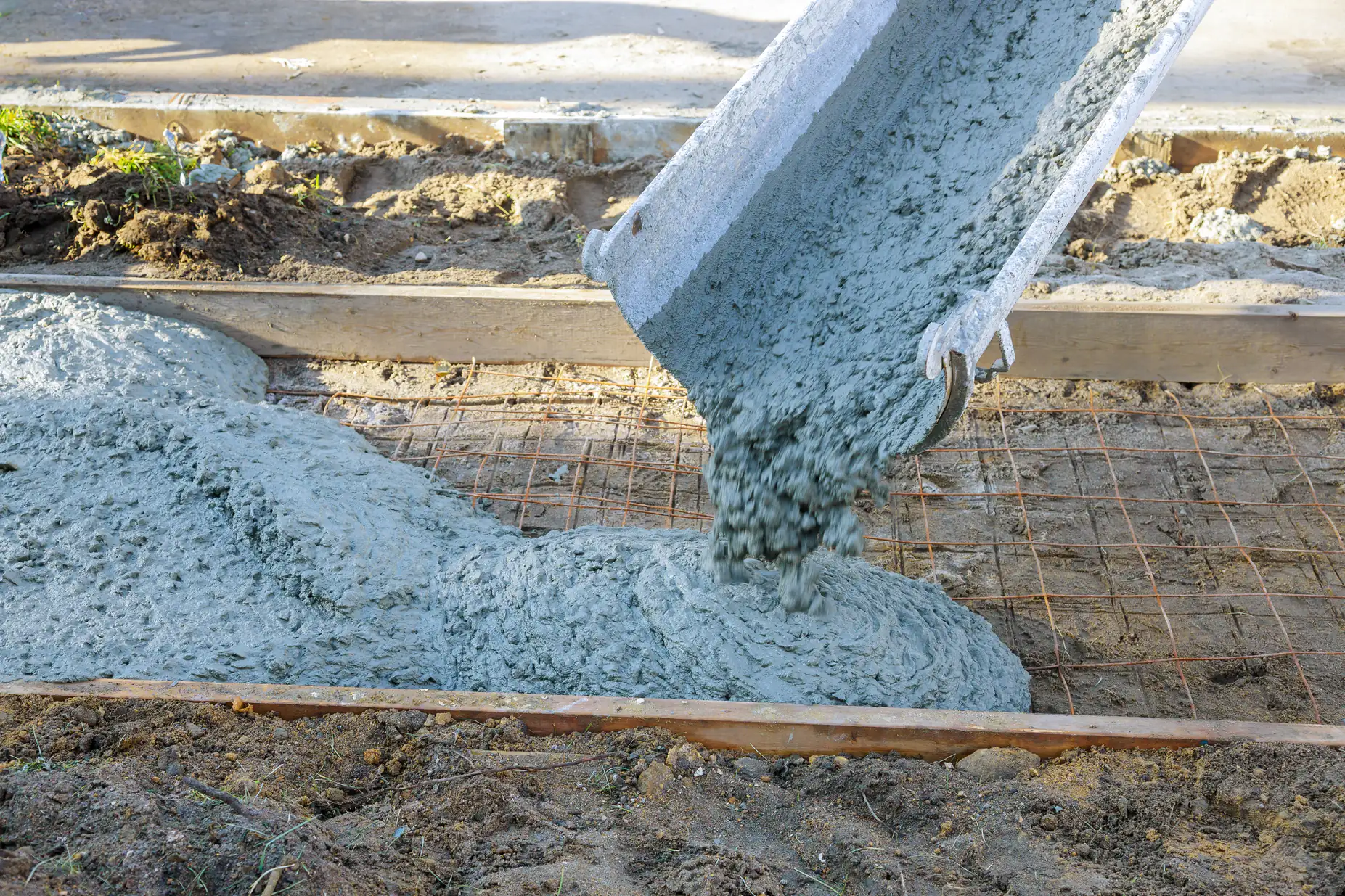
A concrete driveway should last 30 to 50 years if it’s installed correctly. That means proper thickness, the right PSI rating, air entrainment for freeze protection, and rebar reinforcement where it matters.
Most driveways fail because corners were cut during installation. Too thin. Wrong mix. No reinforcement. Poor drainage planning.
You’re looking at this because your current driveway is cracking, settling, or falling apart faster than it should. Or you’re building new and don’t want to deal with repairs in five years. Either way, the installation process determines everything. The materials matter, but how they’re applied matters more. You need someone who understands Morris County soil conditions, knows how water moves across your property, and won’t skip steps to finish faster.
Platinum Paving is a third-generation company based in Dover, NJ. We’ve worked in Stirling, Basking Ridge, Bernardsville, Chatham, and across Morris, Sussex, and Somerset Counties for over 20 years.
We know what works here and what doesn’t. Concrete needs to be mixed, poured, and finished differently depending on your property’s grade, drainage, and soil type. Stirling sits in an area where freeze-thaw cycles hit hard every winter. If your contractor doesn’t account for that, you’ll see surface damage within a few seasons.
We’re not the cheapest option. We use 4,000 PSI concrete with air entrainment and rebar reinforcement as standard. We don’t cut thickness to save on materials. And we don’t rush curing time because we’re behind schedule.
First, we evaluate your property. That means looking at drainage, slope, soil stability, and how water currently moves across your driveway area. If there’s an existing driveway, we remove it and prep the base properly.
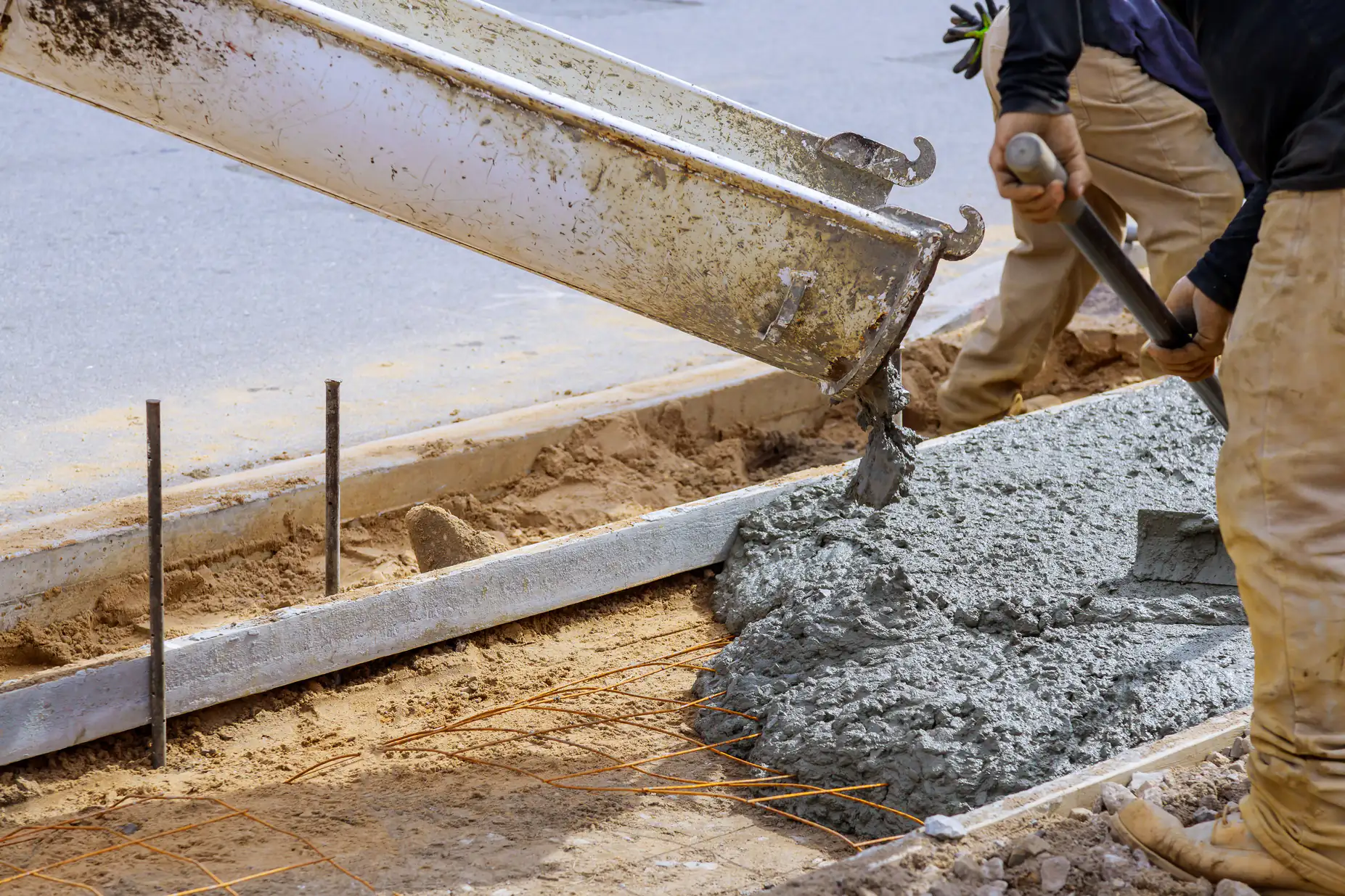
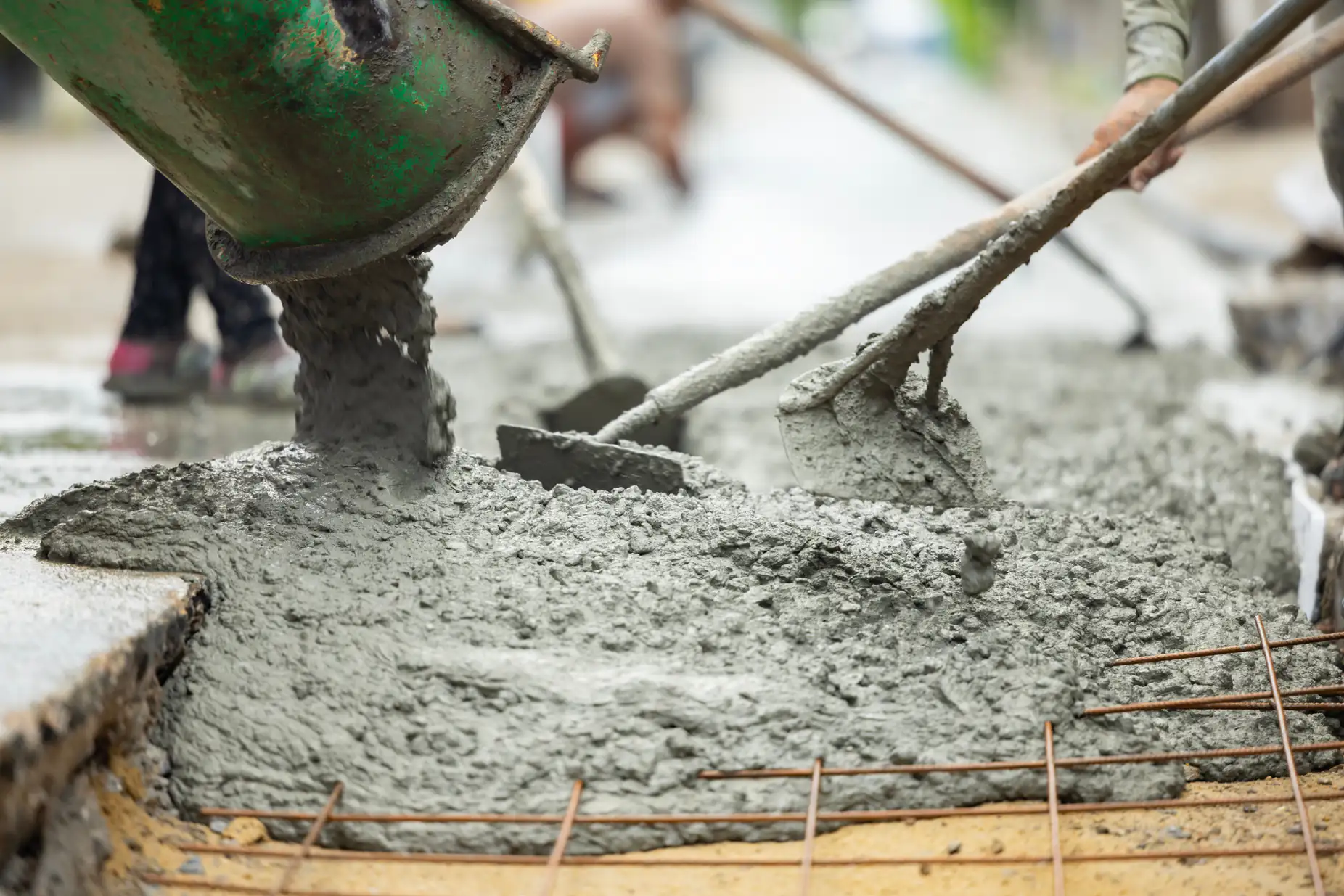
The base is critical. We excavate to the right depth, compact the subgrade, and install a gravel base that won’t shift or settle. Then we set forms, install rebar or wire mesh for reinforcement, and pour the concrete at the correct thickness—typically six inches for residential driveways that handle regular vehicle traffic.
We use Portland cement mixes with the right air content to resist freeze-thaw damage. The concrete is finished with proper slope for drainage and control joints to manage cracking. Then it cures for at least seven days before you drive on it. Rushing that step causes surface damage and shortens the lifespan of your driveway.
You’ll get a clear timeline before we start, and we stick to it unless weather forces a delay. No surprises, no hidden fees for site prep, and no shortcuts that come back to bite you later.

Ready to get started?
Standard concrete driveways in Stirling, NJ run between $7 and $12 per square foot depending on site conditions and thickness requirements. Decorative options like stamped concrete or colored finishes add $1 to $9 per square foot, but they give you the look of pavers without the maintenance hassles.
We also handle concrete patios, walkways, and other flatwork if you want everything done at once. Matching your driveway to a new patio or front walkway makes sense from a cost and aesthetic standpoint.
Morris County requires permits for most driveway installations, and we handle that process. We’re licensed and insured, so you’re covered if anything goes wrong. You’ll also get a five-year warranty on the work, which is longer than most contractors offer because we’re confident in how we install.
If you’re in Stirling, Basking Ridge, Chatham, Bernardsville, or surrounding towns, we’ve worked in your area before. We understand local building codes, soil conditions, and what inspectors look for during permitting.
A properly installed concrete driveway in New Jersey lasts 30 to 50 years. That’s significantly longer than asphalt, which typically needs replacement after 15 to 20 years.
The lifespan depends on three things: installation quality, material specs, and maintenance. If we use the right concrete mix with air entrainment, install it at the correct thickness with reinforcement, and ensure proper drainage, you’re looking at decades of use. Skipping any of those steps cuts the lifespan in half.
Maintenance is minimal compared to asphalt. You’ll want to seal the surface every few years to protect against moisture and deicing salts, but you won’t need to deal with regular patching or resurfacing like you would with asphalt. Concrete handles freeze-thaw cycles better, doesn’t soften in summer heat, and holds up under heavy vehicle loads without rutting.
Concrete driveways in Stirling, NJ cost between $7 and $12 per square foot for standard installations. A typical two-car driveway runs around 600 square feet, so you’re looking at $4,200 to $7,200 depending on site conditions and thickness.
Decorative options like stamped concrete or colored finishes add $1 to $9 per square foot. If you want the look of pavers but prefer concrete’s durability and lower maintenance, stamped concrete is worth considering.
Site prep affects the final cost. If we need to remove an old driveway, address drainage issues, or work around challenging soil conditions, that adds to the price. We give you a clear estimate upfront that includes everything—no surprise charges for site work or permits. Most contractors lowball the estimate and add fees later. We don’t do that.
Concrete handles New Jersey winters better than asphalt. It doesn’t crack as easily from freeze-thaw cycles, and it doesn’t soften or deform in summer heat like asphalt does.
The key is air entrainment. When water gets into concrete and freezes, it expands. Air entrainment creates tiny air pockets in the concrete that give the ice room to expand without cracking the surface. We use mixes with 5 to 7 percent air content specifically for freeze-thaw resistance.
Asphalt is more flexible, which sounds like an advantage, but it also means it shifts and cracks under temperature swings. You’ll see surface cracking, potholes, and edge deterioration faster with asphalt in climates like ours. Concrete stays rigid and stable. It costs more upfront, but you’re not repaving or patching every few years. Over 30 years, concrete is cheaper.
Yes, most driveway installations in Stirling, NJ require a permit. The township wants to ensure proper drainage, setbacks, and compliance with local building codes.
We handle the permit process for you. That includes submitting plans, coordinating inspections, and making sure everything meets code requirements. Skipping permits might save money short-term, but it causes problems when you sell your house or if a neighbor complains.
Permit requirements vary slightly depending on your property’s zoning and whether you’re replacing an existing driveway or installing a new one. If your driveway affects stormwater runoff or requires grading changes, the township will want to review those plans. We’ve worked with Stirling’s building department for years, so we know what they’re looking for and how to get approvals without delays.
Residential concrete driveways in New Jersey should be at least six inches thick. That’s the minimum for handling regular vehicle traffic, freeze-thaw cycles, and the soil conditions common in Morris County.
Some contractors pour four-inch driveways to save on materials. That works in warmer climates with stable soil, but it’s not thick enough here. You’ll see cracking and settling within a few years, especially if you park heavier vehicles or deal with poor drainage.
We also use rebar or wire mesh reinforcement in every driveway. Reinforcement doesn’t prevent cracking entirely—concrete always cracks to some degree—but it keeps cracks tight and prevents sections from settling independently. Combined with proper thickness and the right concrete mix, you get a driveway that handles everything New Jersey weather throws at it.
Yes, and it makes sense to do them together. Matching your driveway, patio, and walkways creates a cohesive look and saves money compared to scheduling separate projects.
Concrete patios cost about the same per square foot as driveways, and you can use the same decorative finishes across all surfaces. Stamped concrete works well for patios because it gives you texture and visual interest without the maintenance headaches of pavers.
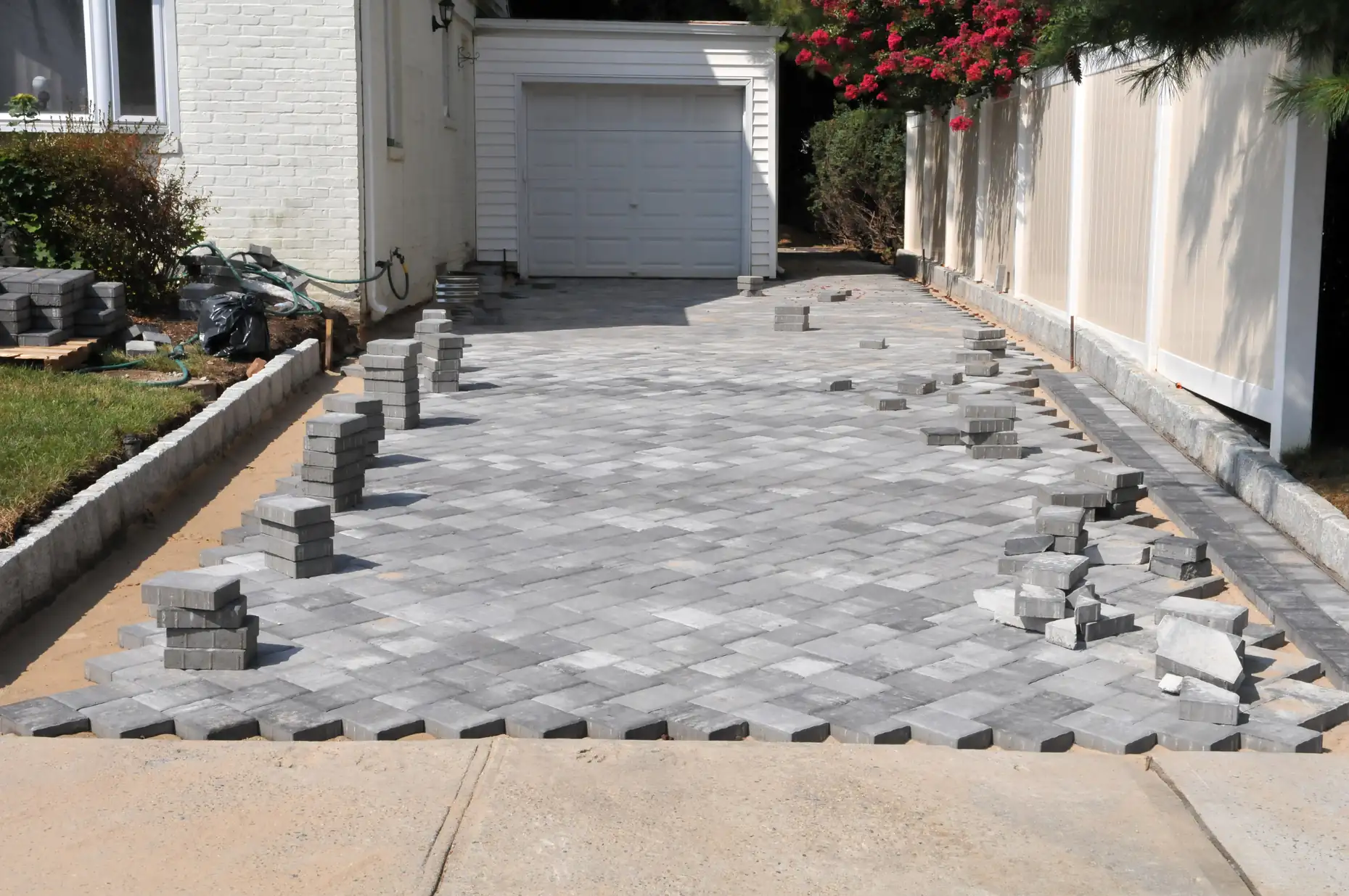
We also install flagstone pavers and Belgard pavers if you prefer that look for patios or walkways. Mixing materials—like a concrete driveway with a paver patio—works fine as long as the design is intentional. We can walk you through options based on your property’s layout and your budget. Doing everything at once means one mobilization, one permit process, and one curing period instead of coordinating multiple projects over several months.