
Hear from Our Customers
You’re looking at a surface that handles everything New Jersey throws at it. No more worrying about cracks spreading every winter or water pooling near your foundation.
A properly installed concrete driveway in Somerville lasts 30 to 40 years with minimal maintenance. That’s two to three times longer than asphalt before you’re dealing with replacement costs. The upfront investment is higher, but you’re not repaving every decade.
The real benefit shows up in year five, year ten, year twenty. While your neighbors are patching and resealing, you’re dealing with a surface that still looks clean and functions the way it should. That’s what proper excavation, drainage planning, and commercial-grade materials get you.
We’ve been installing concrete driveways across Morris, Somerset, and Sussex Counties for years. We’re not a franchise or a crew that shows up from out of state. We’re based in Morris County, and we understand what works here.
Somerville sits in an area where soil conditions and drainage matter. Heavy clay content, seasonal water tables, freeze-thaw cycles that crack poorly installed concrete—these aren’t surprises to us. We plan for them before we dig.
You’re working with contractors who handle permits, use high-grade Portland cement mixes with rebar reinforcement, and don’t disappear after the pour. We’re local, licensed, and we’ll be here if you need us down the road.
First, we visit your property for a free estimate. We measure the area, check the grade and drainage, and talk through what you’re looking for. No pressure, no gimmicks—just a clear breakdown of what the job involves and what it costs.
Once you’re ready to move forward, we handle the permits and schedule the work. Excavation comes first. We remove the old surface, dig down to stable soil, and grade everything so water moves away from your house. This step matters more than most people realize.
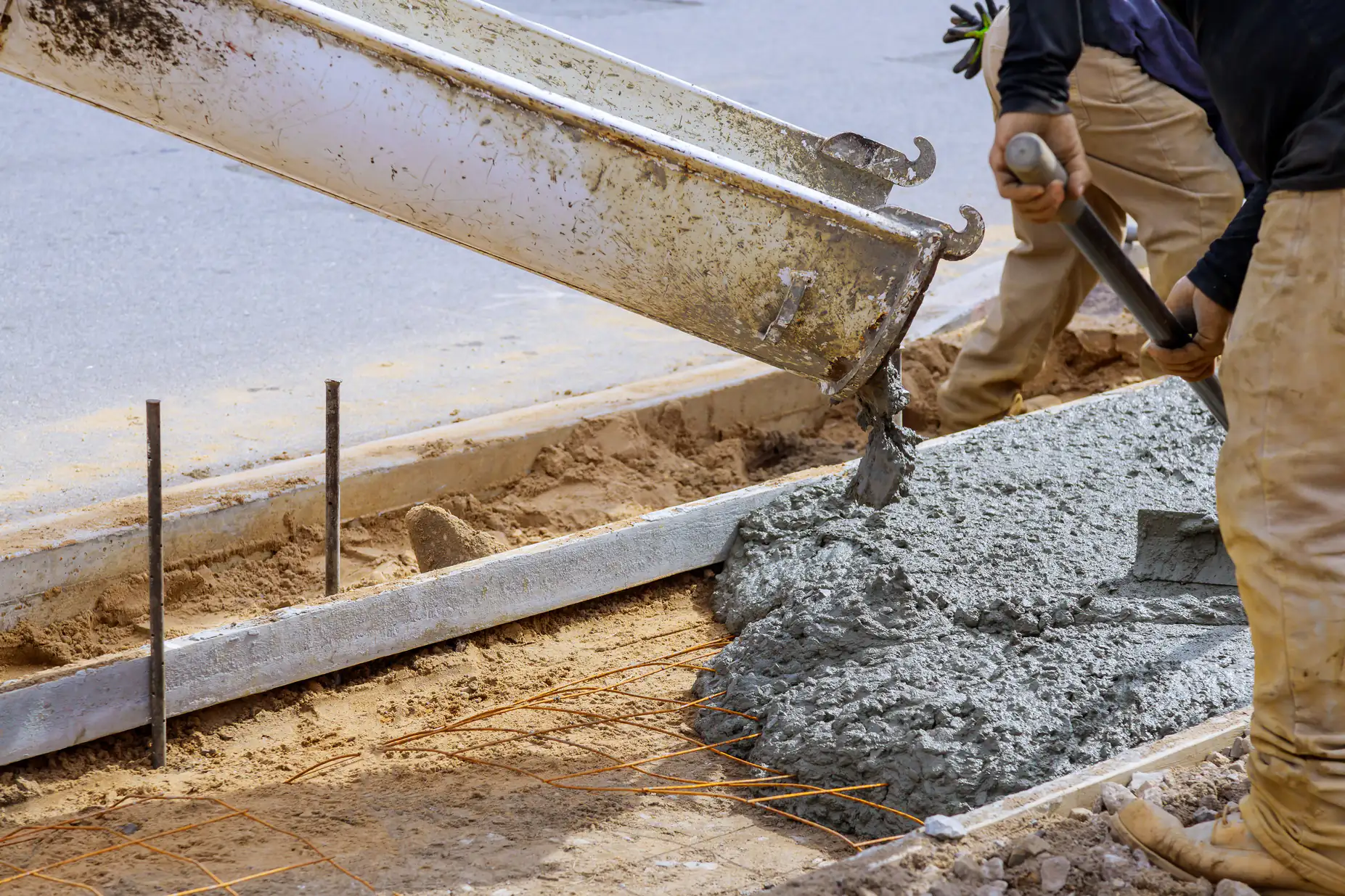
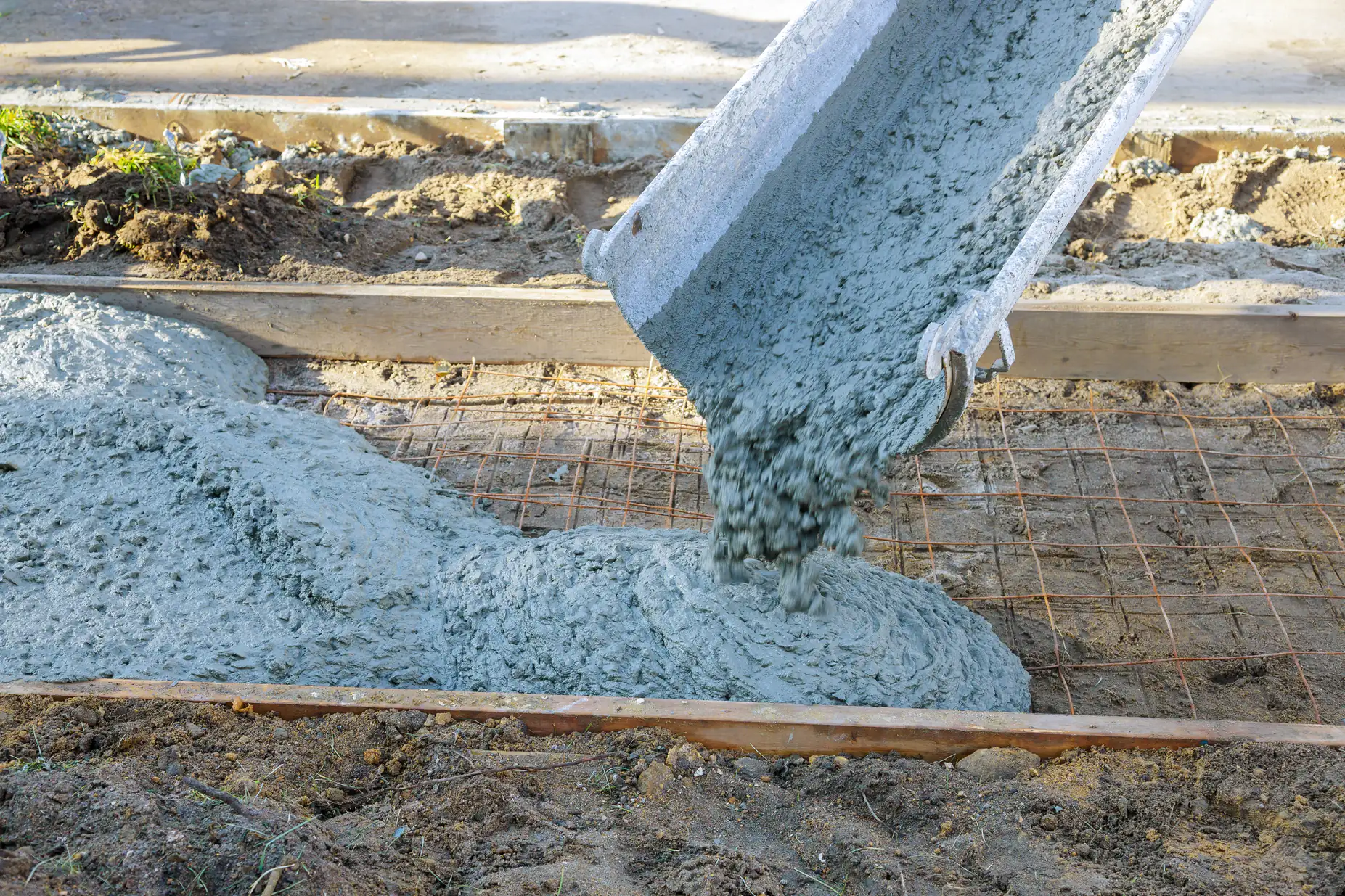
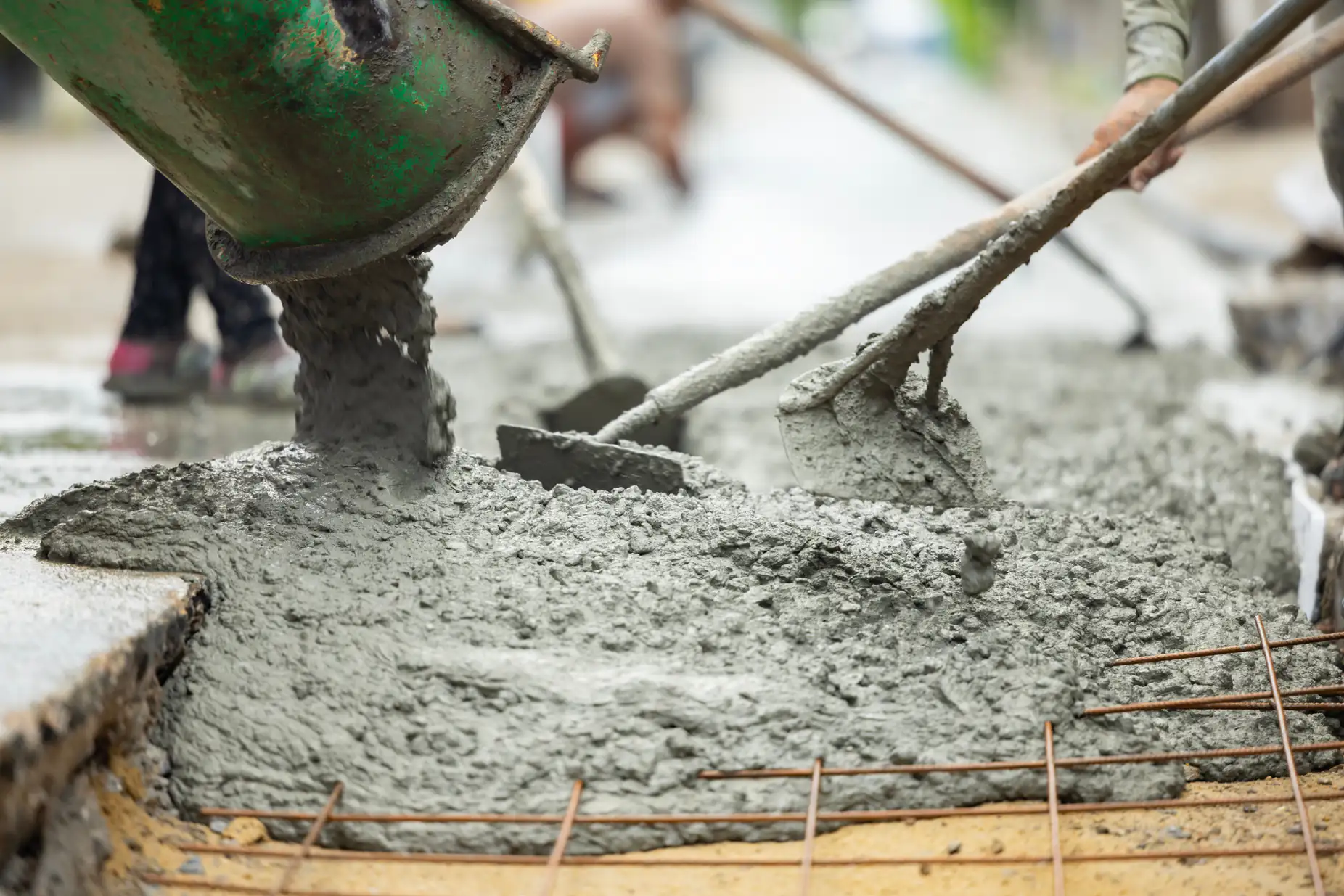
Next, we install a compacted gravel base and set up proper drainage if needed. Then we build forms, place rebar for reinforcement, and pour commercial-grade concrete. We finish the surface, let it cure properly, and clean up the site. You’re left with a driveway that’s ready to handle daily use and decades of weather.

Ready to get started?
Every concrete driveway installation includes full excavation, grading, and base preparation. We’re not pouring over unstable ground or skipping steps to save time. The base gets compacted properly, drainage gets addressed, and the concrete gets reinforced with rebar.
In Somerville and surrounding towns like Bridgewater, Raritan, and Bound Brook, drainage is critical. Heavy rains and spring thaws mean water needs somewhere to go. We slope the driveway correctly and install drainage solutions when the site requires it. You won’t deal with water sitting against your foundation or ice forming in low spots.
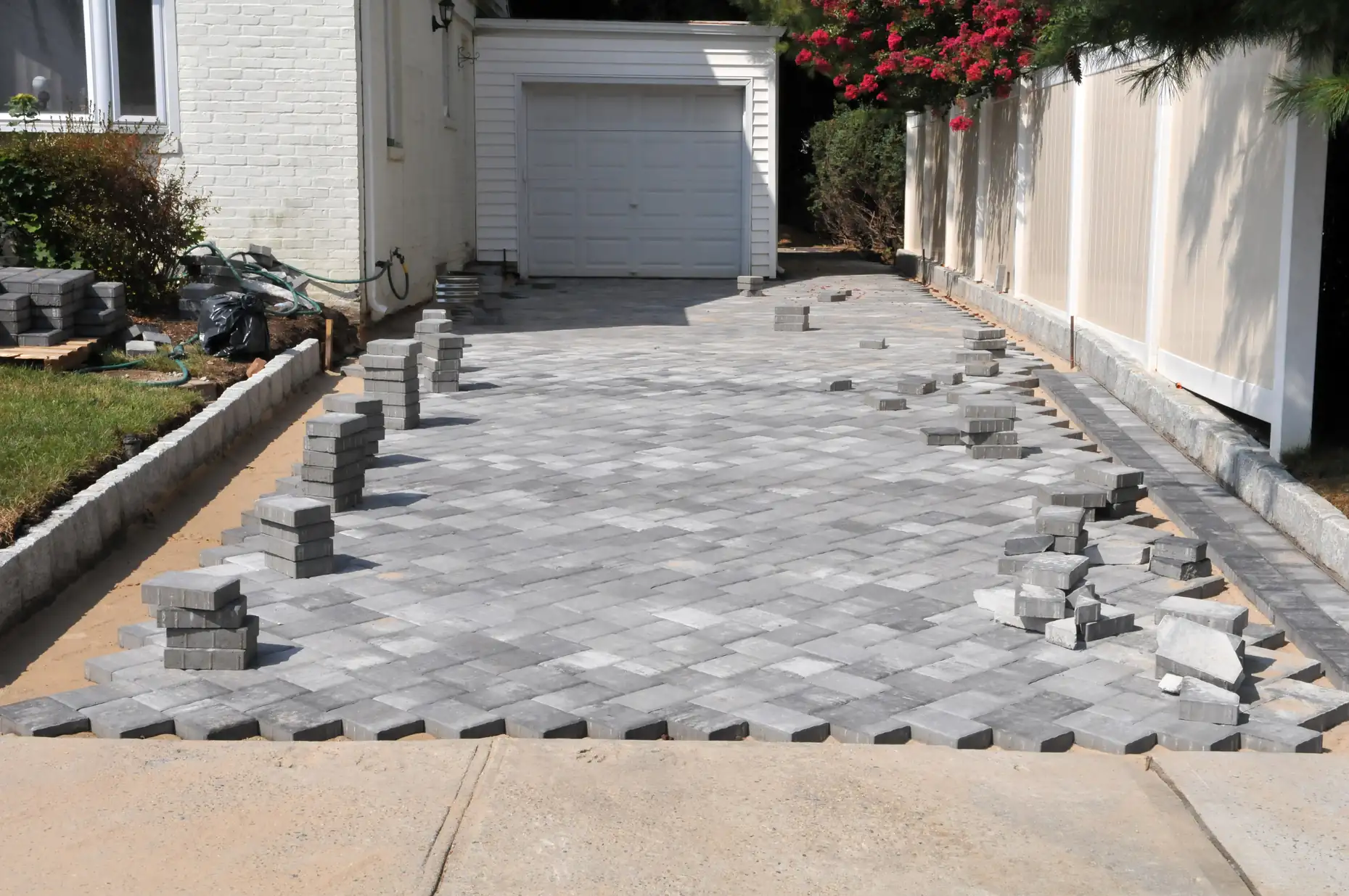
You also get options for decorative finishes if you want something beyond standard gray concrete. Stamped patterns, exposed aggregate, colored concrete—these add curb appeal without sacrificing durability. We walk you through what’s available and what makes sense for your budget.
The project includes all permits, a written contract with timeline and costs, and a warranty on the work. No hidden fees, no surprise charges halfway through the job. You know what you’re paying before we start.
Concrete driveway installation in Somerville typically runs between $7 and $13 per square foot. For a standard 600-square-foot driveway, you’re looking at $4,200 to $7,800 depending on site conditions, thickness, and any decorative finishes.
That’s higher than asphalt upfront, which costs $5 to $8 per square foot. But concrete lasts 30 to 40 years with minimal maintenance, while asphalt needs replacement in 10 to 15 years. Over 20 years, the total cost difference is minimal—and concrete holds up better in New Jersey’s freeze-thaw cycles.
Factors that affect price include excavation depth, drainage work, reinforcement requirements, and site access. If your property has poor drainage or unstable soil, expect additional costs for proper base preparation. Skipping those steps leads to cracking and settling within a few years.
Most residential concrete driveway installations in Somerville take three to five days from start to finish. Day one is excavation and base prep. Day two involves setting forms and placing rebar. Day three is the concrete pour and finishing. Then the concrete needs time to cure.
You can walk on the surface after 24 to 48 hours, but you shouldn’t drive on it for at least seven days. Full strength develops over 28 days, though most driveways are ready for normal use within a week.
Weather affects the timeline. We don’t pour concrete when temperatures drop below 50°F at night or when heavy rain is forecast. Late spring through early fall offers the best conditions in New Jersey. September and early October are ideal—warm days, cool nights, and lower humidity help concrete cure properly without cracking.
Concrete can crack in freeze-thaw cycles if it’s not installed correctly. Water seeps into small cracks, freezes, expands, and makes the cracks worse. That’s why proper installation matters more than the concrete itself.
We prevent cracking by using the right concrete mix, installing rebar reinforcement, and ensuring proper drainage so water doesn’t pool on the surface. The base also needs to be compacted and stable—if the ground settles unevenly, the concrete will crack no matter how thick it is.
You’ll also need to seal the concrete every few years and avoid using harsh de-icing salts in winter. Calcium chloride and rock salt damage the surface. Sand or calcium magnesium acetate work better for traction without eating away at the concrete. Small hairline cracks are normal over time, but major cracking usually means something went wrong during installation.
Yes. Many homeowners in Somerville bundle driveway and patio work into one project. It’s more efficient—we’re already on site with equipment, materials, and crew. You save on mobilization costs and get everything done at once.
Concrete patios follow the same installation process as driveways: excavation, base prep, reinforcement, and pouring. The difference is in thickness and finishing. Patios don’t need to support vehicle weight, so they can be thinner. You also have more flexibility with decorative finishes like stamped patterns or exposed aggregate.
If you’re considering both, mention it during the estimate. We can plan the grading and drainage to work together, which matters if the patio sits near the house. Poor drainage between a driveway and patio can funnel water toward your foundation. We make sure everything slopes correctly from the start.
Yes. We coordinate all necessary permits and inspections with Somerville and surrounding municipalities. Every town has different requirements for driveway work, and some require permits for excavation, drainage changes, or work near the street.
You don’t need to visit municipal offices or figure out what paperwork is required. We handle the submissions, pay the fees, and schedule inspections. It’s included in the project—no separate charges or surprise permit costs halfway through the job.
Permit requirements also depend on what’s being done. A simple replacement on the same footprint might not need a permit, but expanding the driveway or changing drainage usually does. We know the local codes and make sure everything is compliant before we start digging.
Concrete costs more upfront but lasts two to three times longer than asphalt. Asphalt is cheaper to install—around $5 to $8 per square foot compared to concrete’s $7 to $13—but it needs resealing every few years and replacement in 10 to 15 years.
Concrete handles New Jersey’s freeze-thaw cycles better if it’s installed correctly. Asphalt softens in summer heat and can develop ruts from heavy vehicles. Concrete stays stable in high temperatures and doesn’t need frequent maintenance beyond occasional sealing.
The long-term cost difference is smaller than most people think. Over 20 years, asphalt costs $5,000 to $8,300 including maintenance and replacement. Concrete costs $5,400 to $9,800 for the same period. You’re paying more upfront for concrete, but you’re dealing with fewer repairs and no mid-life replacement. It depends on how long you plan to stay in the house and whether you want to handle ongoing maintenance.