
Hear from Our Customers
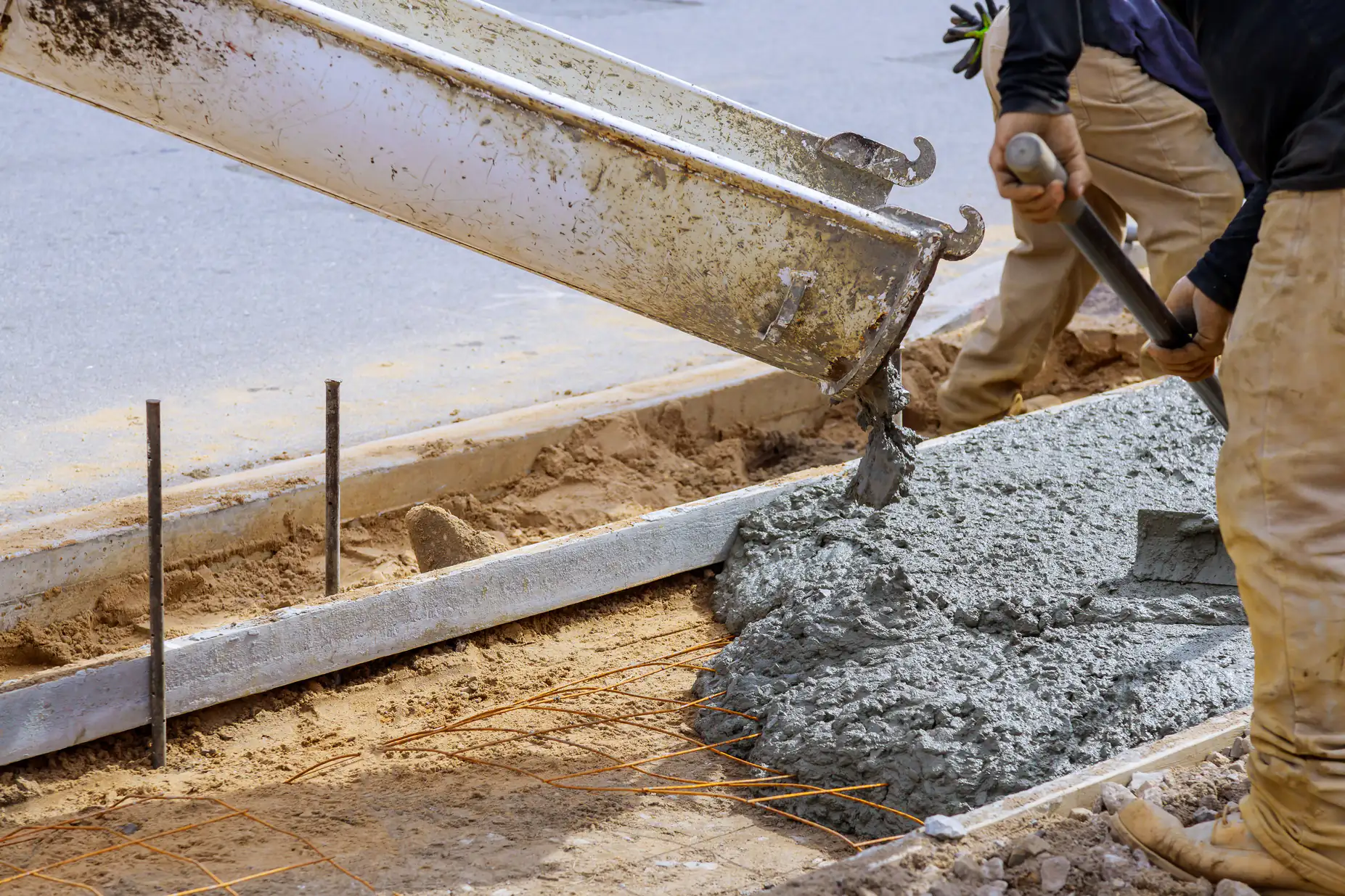
Your driveway takes a beating every winter. Water seeps into cracks, freezes, expands, and turns small problems into expensive ones by spring. You need a surface that handles Somerset’s weather without cracking apart in three years.
When concrete is installed correctly, you’re looking at 25 to 30 years of performance. That means proper site prep, the right base material, Portland cement mixes with rebar reinforcement, and grading that moves water away from your foundation instead of pooling on the surface.
You also get a driveway that doesn’t embarrass you when someone pulls up. Clean lines, smooth finish, and a surface that adds value instead of making you cringe every time you come home.
We have over 20 years of experience installing concrete and asphalt driveways across Morris, Sussex, and Somerset County. We’re licensed, bonded, and insured, and we handle the permits and inspections that local townships require.
We know Somerset’s soil conditions, drainage quirks in older neighborhoods, and how North Jersey winters destroy shortcuts. That’s why we don’t cut corners on materials or skip steps during installation. You get a written estimate that breaks down costs before we start, and a 24-48 hour callback guarantee when you request a quote online.
This isn’t about being the cheapest option. It’s about doing the work once and having it perform the way you expect for the next few decades.
First, we assess your property. That includes looking at drainage, slope, soil conditions, and any site-specific challenges that affect how we prep the base. If water isn’t draining correctly now, it won’t magically fix itself after we pour concrete.
Next comes excavation and base prep. We remove old material, grade for proper drainage, and install a compacted aggregate base that won’t shift or settle. This is where most problems start if someone rushes through it.
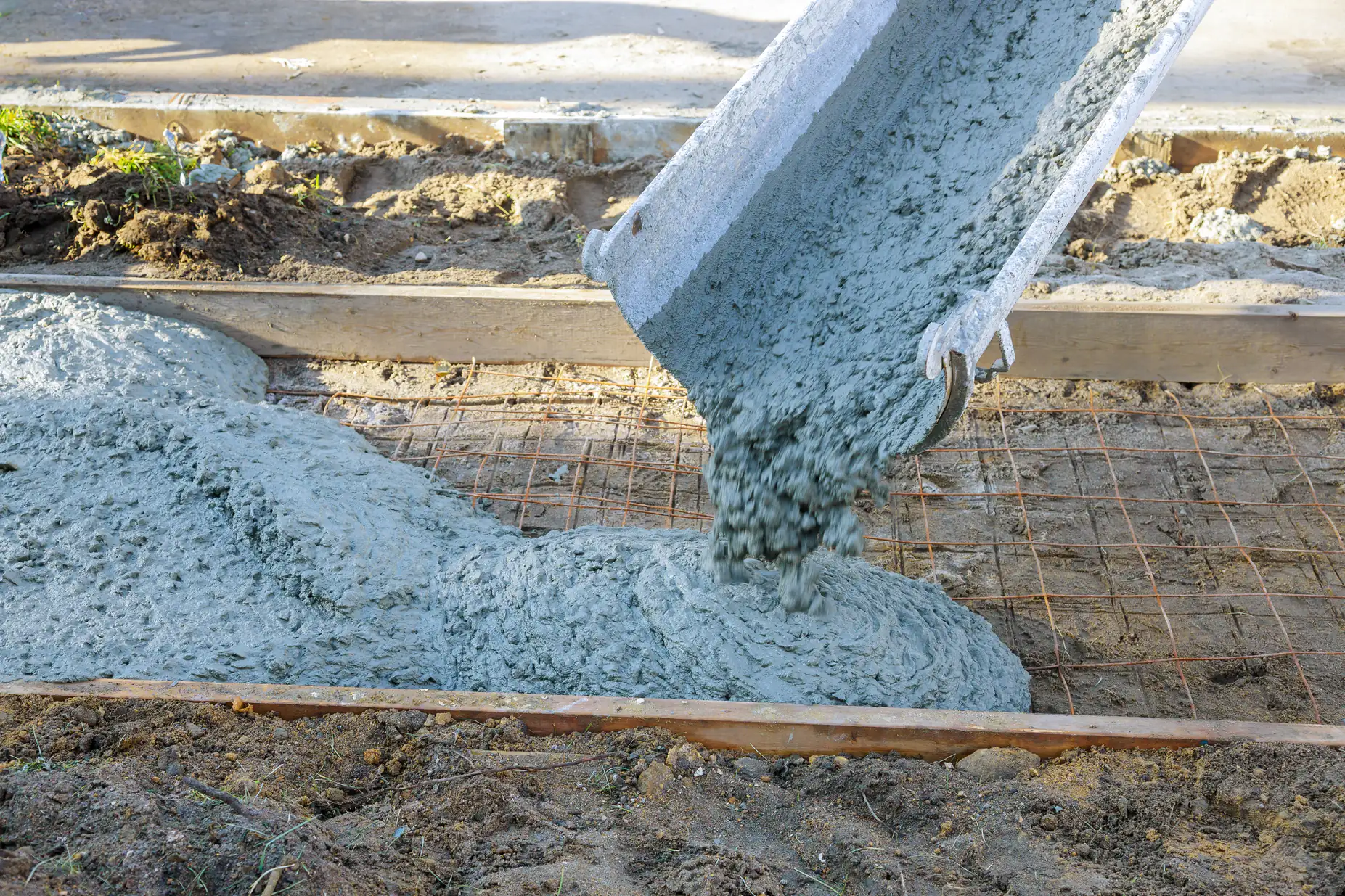
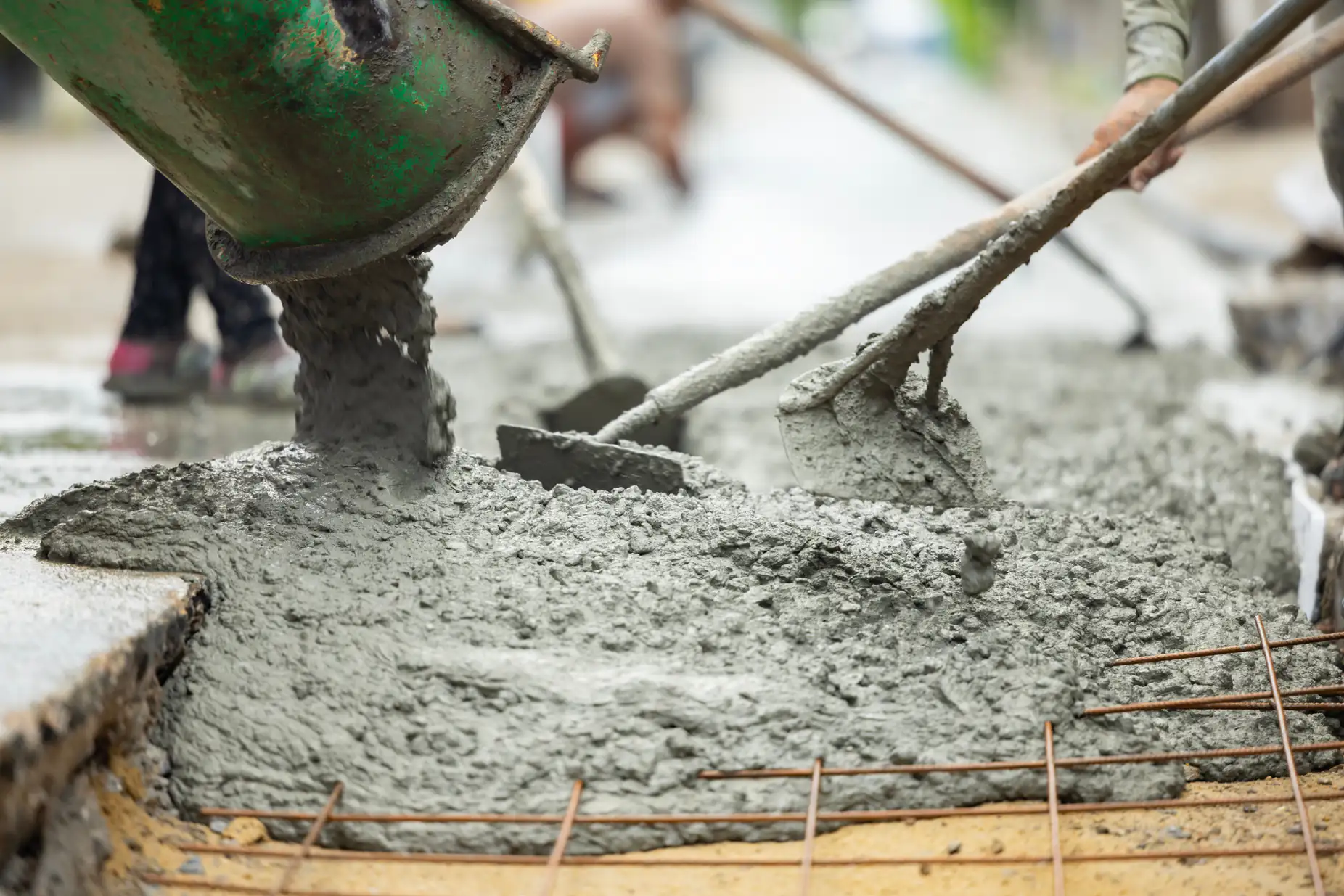
Then we build the forms, install rebar reinforcement, and pour high-grade Portland cement mix. Proper curing matters here—concrete needs time to reach full strength, especially before winter hits. We also handle any decorative finishes like stamped patterns if that’s part of your plan.
Finally, we clean up, handle inspections, and walk you through basic maintenance that keeps your driveway looking good and performing well for years.

Ready to get started?
You’re not just getting concrete poured on dirt. You’re getting proper site preparation, engineered drainage solutions, and materials chosen specifically for New Jersey’s climate. That includes hot mix asphalt for certain applications and Portland cement mixes with rebar for concrete work.
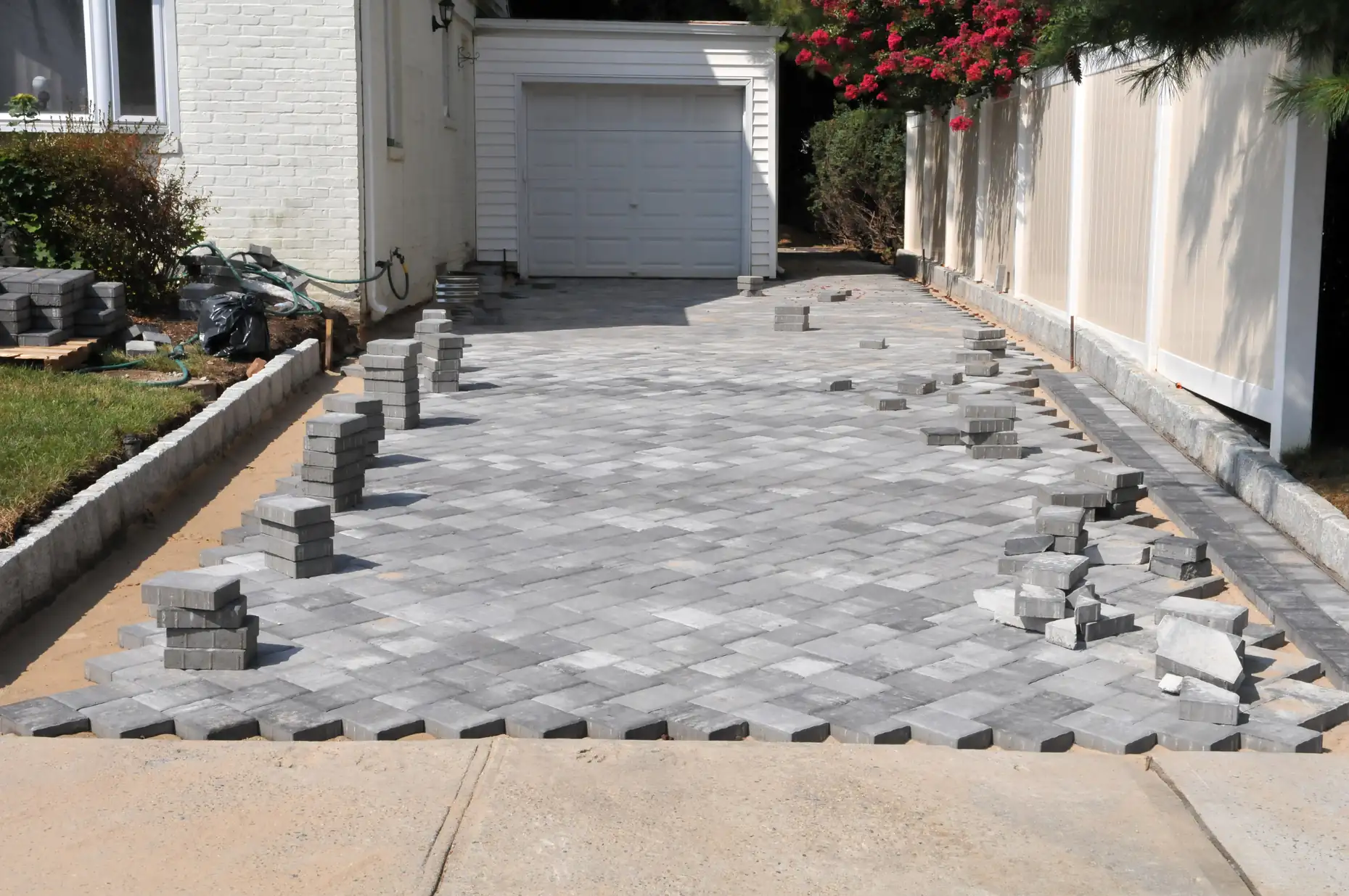
We also handle decorative options like stamped concrete if you want something beyond a standard finish. Patterns like herringbone, running bond, or basketweave are popular in Somerset right now, and they coordinate with your home’s exterior without looking overdone.
If you’re adding a concrete patio, walkway, or considering flagstone pavers or Belgard pavers alongside your driveway, we can coordinate that work to match. Everything gets permitted correctly, inspected properly, and finished on schedule. No surprises, no hidden fees, and no disappearing after the job wraps up.
For a standard two-car driveway around 500 square feet, you’re looking at roughly $1,500 to $4,500 depending on site conditions, thickness, reinforcement, and any decorative finishes. Smaller driveways around 200 square feet run between $600 and $1,800.
The range exists because every property is different. If your site has drainage issues, poor soil, or requires significant excavation, costs go up. If you want stamped patterns or decorative borders, that adds to the price. We give you a written estimate that breaks down exactly what you’re paying for before any work starts.
Concrete costs more upfront than asphalt, but it lasts longer—25 to 30 years with proper maintenance versus 15 to 20 for asphalt. Repairs are less frequent but more expensive when they happen, typically $300 to $3,000 depending on damage. You’re making a long-term investment, so understanding what drives the cost helps you make the right call for your property.
Most residential concrete driveway installations take three to five days from start to finish, but curing time adds another week before you can drive on it. Weather plays a role here—if it rains or temperatures drop too low, we delay the pour to avoid problems.
Day one usually involves excavation and site prep. Day two is base installation and compaction. Day three is forming and rebar placement, and day four is the actual concrete pour and finishing. Day five is cleanup and final grading.
After that, concrete needs time to cure properly. You can walk on it after about 24 hours, but you shouldn’t drive on it for at least seven days. Full strength takes about 28 days, which is why we recommend scheduling installations in spring or early fall when weather is stable and you have time before winter freeze-thaw cycles start.
Both work in North Jersey winters if installed correctly, but they perform differently. Concrete lasts longer—25 to 30 years versus 15 to 20 for asphalt. It handles freeze-thaw cycles well when it’s reinforced with rebar and poured at the right thickness.
Asphalt is more flexible, which means it’s less likely to crack from ground movement, but it needs more frequent maintenance. You’re sealing it every two to three years and patching cracks more often. Concrete requires less ongoing maintenance but costs more upfront and repairs are pricier when they’re needed.
For Somerset specifically, both materials handle the climate fine. The bigger issue is installation quality—proper drainage, a solid base, and correct material application matter more than which material you choose. If water pools on your driveway or the base isn’t compacted correctly, neither option will last. We install both, and the right choice depends on your budget, how long you plan to stay in the home, and how much maintenance you want to deal with.
Yes, most townships in Somerset County require permits for new driveway installation or replacement. Requirements vary by municipality, but generally you need approval before excavation starts and an inspection after the work is complete.
Permits ensure the work meets local building codes, especially around drainage and stormwater management. Somerset has specific regulations about how water runoff is handled to prevent flooding and foundation issues. If your driveway doesn’t drain correctly, it affects more than just your property.
We handle permit applications and coordinate inspections as part of the installation process. That includes submitting site plans, drainage details, and material specifications to your local building department. Skipping permits might save money short-term, but it creates problems when you sell the house or if the township notices unpermitted work. It’s not worth the risk, and it’s built into our process so you don’t have to think about it.
Seal it every two to three years with a quality concrete sealer. This protects against water infiltration, freeze-thaw damage, and surface deterioration from road salt. Clean off oil stains and deicing chemicals promptly—they break down the surface over time.
Fix small cracks as soon as you notice them. Hairline cracks turn into bigger problems when water gets in, freezes, and expands during winter. A $50 repair in spring prevents a $2,000 problem by next year. Keep the surface clean and avoid using metal shovels or sharp tools that gouge the concrete.
Make sure drainage is working correctly. If water pools instead of running off, you’ll see faster deterioration and potential foundation issues. Check that downspouts and grading are directing water away from the driveway. In Somerset, winter is tough on driveways, so fall maintenance—sealing, crack repair, and drainage checks—pays off when spring arrives and you’re not dealing with major damage.
Yes, stamped concrete is popular in Somerset right now. You can get patterns like herringbone, running bond, or basketweave that mimic pavers or natural stone without the maintenance. Color options let you coordinate with your home’s exterior, and the finish is applied during installation so it’s integrated into the surface.
Stamped concrete costs more than a standard finish—expect to add $2 to $5 per square foot depending on pattern complexity and color. It still lasts 25 to 30 years like regular concrete, and maintenance is the same: seal it every few years and fix cracks promptly.
Other options include exposed aggregate for texture, colored concrete for a custom look, or borders and accents using different materials. If you’re installing a concrete patio or walkway at the same time, we can match finishes so everything looks cohesive. Decorative concrete works well in North Jersey—it handles the weather and gives you a finished look that adds curb appeal without constant upkeep.