
Hear from Our Customers
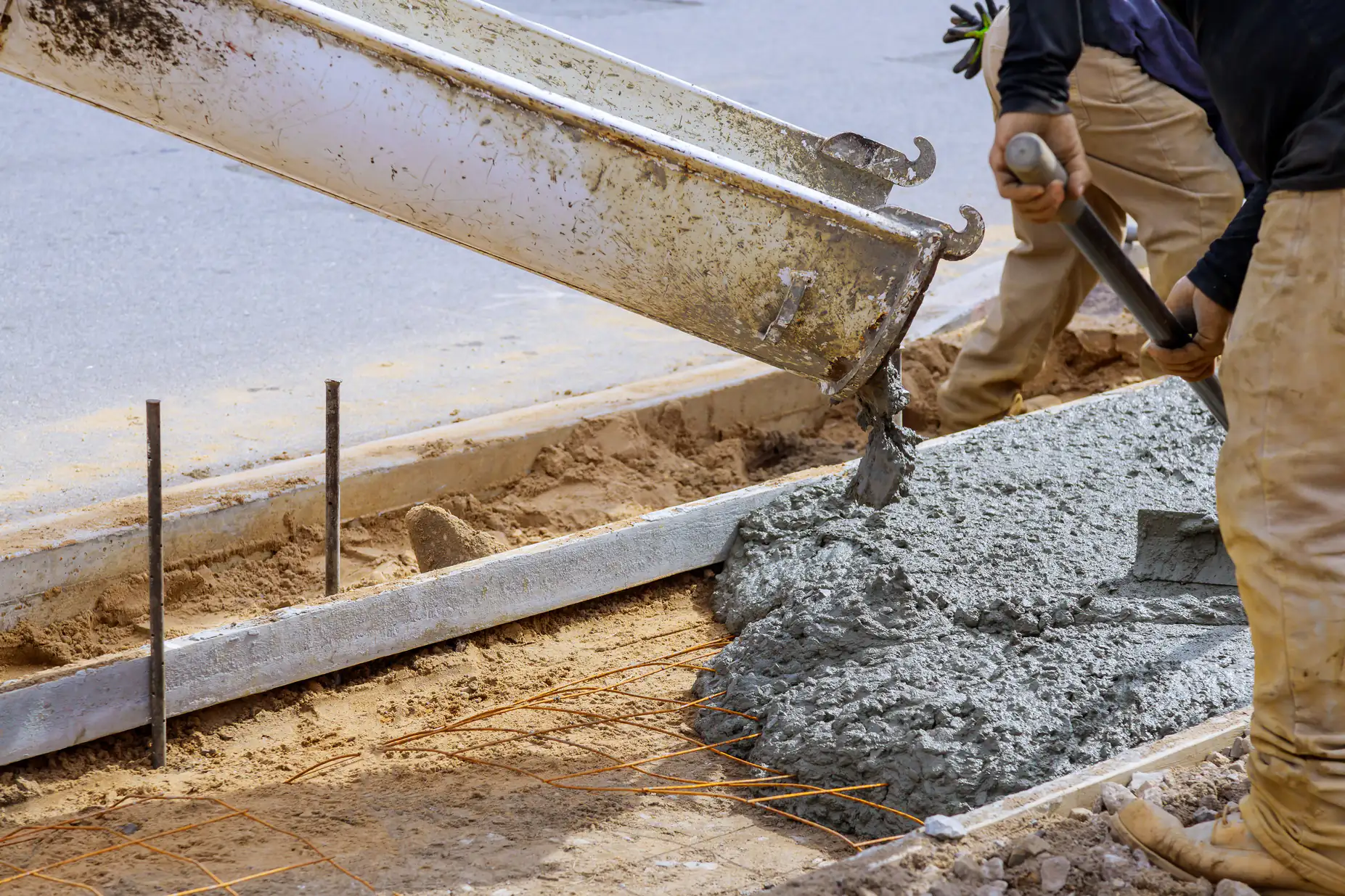
You’re looking at 50 years of use when concrete is installed right. That’s not marketing talk—it’s what happens when the base is compacted correctly, the Portland cement mix includes proper rebar reinforcement, and the contractor understands how Morris County’s temperature swings affect curing.
Most concrete driveway failures happen in the first five years because of shortcuts during installation. Poor drainage planning. Inadequate base prep. Wrong cement ratios for New Jersey’s climate. You end up with cracks, settling, and water pooling near your foundation.
A properly installed concrete driveway means you’re resealing every 3-5 years instead of patching cracks annually. It means your driveway can handle 80,000 pounds without stress fractures. It means you’re not calling for repairs when your neighbors are replacing their asphalt for the second time. The upfront cost is higher, but you’re dividing that investment across decades, not years.
We’ve been pouring concrete driveways in Morris County since before stamped patterns were trendy. Third-generation family business means we learned this trade from people who did it when shortcuts actually mattered to your reputation.
Rockaway’s soil conditions aren’t the same as Dover’s. The drainage requirements in Parsippany differ from what works in Morristown. We know this because we’ve worked in all 95+ municipalities we serve, and we’ve seen what happens when contractors treat every job like it’s the same.
You’re not getting a crew that learned paving from YouTube. You’re getting licensed, insured contractors who understand why proper base preparation matters more than the concrete itself. We’re grounded in Morris County, we return calls within 24-48 hours, and our pricing is clear before we start—not after you’re committed.
First, we assess your existing driveway and drainage situation. If water’s been pooling or your current surface is sinking, we need to understand why before we pour anything. Most driveway problems start with what’s underneath, not the concrete itself.
Next comes excavation and base preparation. We’re removing the old surface, grading for proper water runoff, and compacting a stone base that won’t shift when the ground freezes. This step takes longer than most homeowners expect, and it’s where cheaper contractors cut corners. The base determines whether your driveway lasts 10 years or 50.
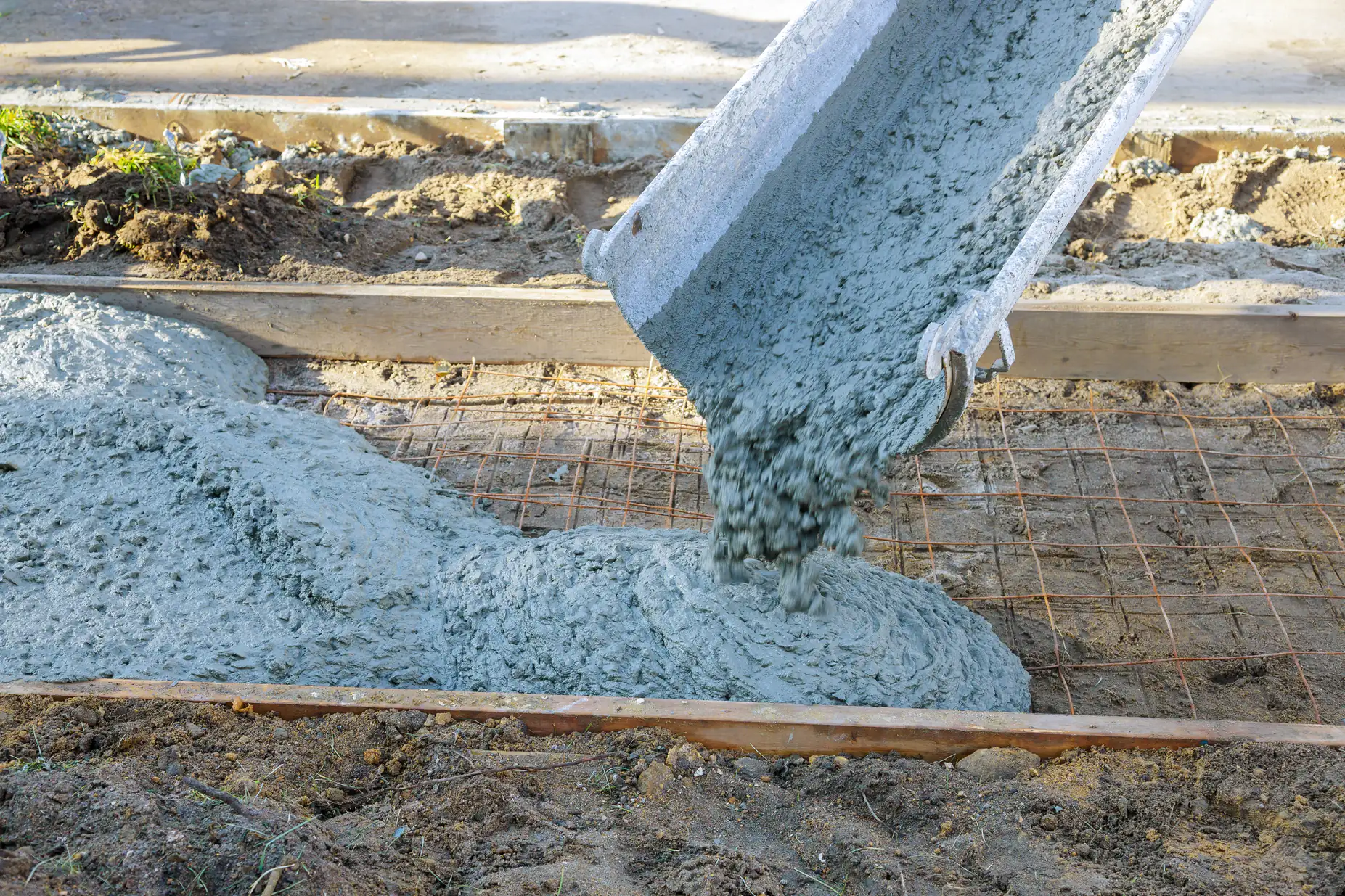
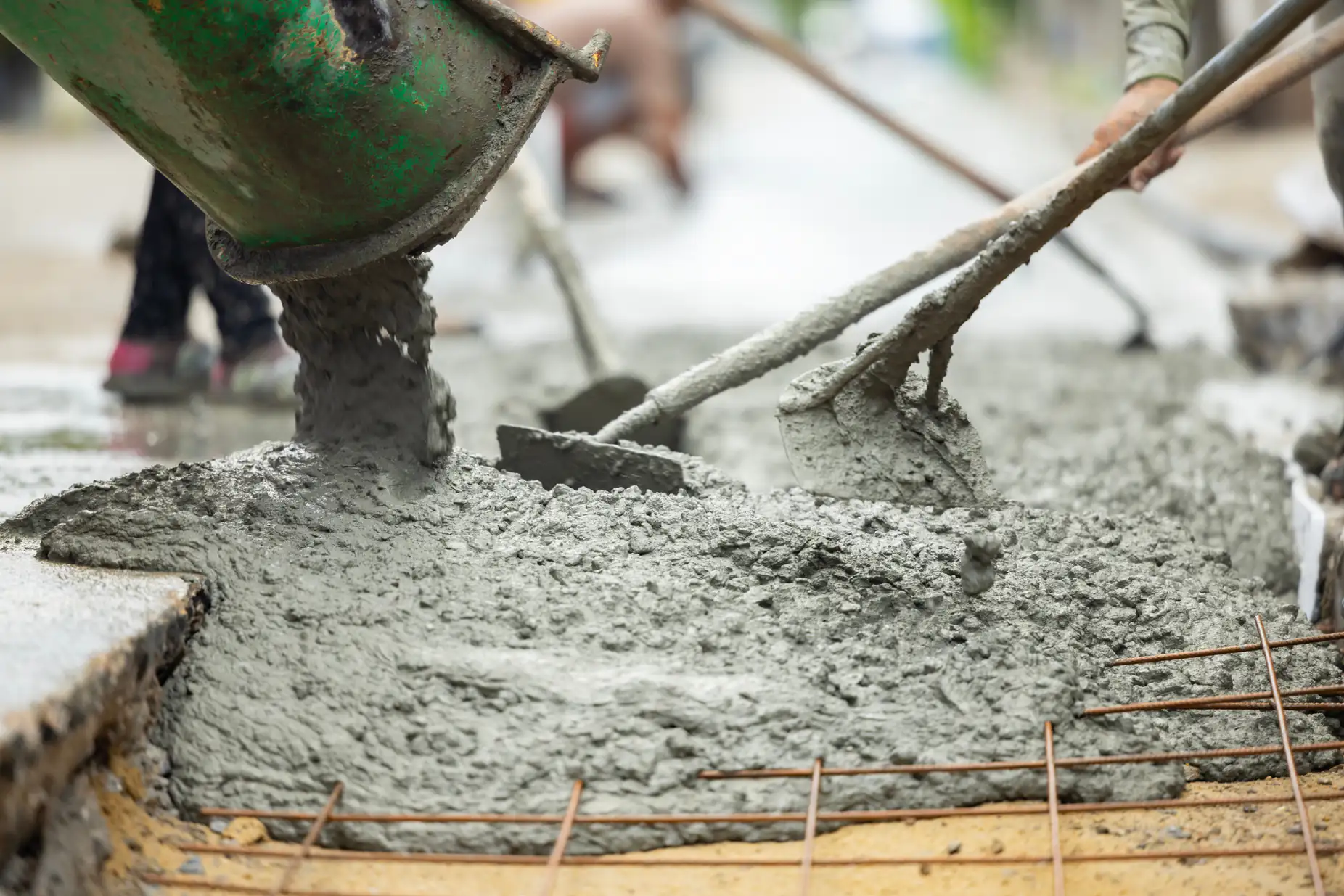
Then we build the forms, install rebar reinforcement, and pour the concrete mix. We’re using Portland cement formulated for New Jersey’s temperature variations—not whatever’s cheapest that week. The concrete needs to cure at the right temperature and humidity, which means we’re monitoring conditions and adjusting our schedule if the weather doesn’t cooperate.
If you want decorative stamped concrete or custom patterns, that work happens while the concrete is still workable. Once it’s cured, we apply sealant to protect against moisture, salt, and UV damage. You’re waiting about a week before you can drive on it, longer if we’re dealing with cold weather.

Ready to get started?
Standard concrete driveways give you durability and longevity without decoration. You’re looking at $7-13 per square foot in Morris County, depending on site conditions and driveway size. That includes excavation, proper base prep, rebar reinforcement, and professional-grade sealant.
Stamped and decorative concrete runs $8-21 per square foot because you’re adding custom patterns that mimic natural stone, brick, or wood. Popular options in Rockaway right now include slate textures and geometric patterns that complement colonial and contemporary architecture. The stamping happens during installation, not after, so the pattern is integral to the concrete—not a surface treatment that wears off.
We also handle concrete patios, walkways, and parking areas using the same installation standards. Many homeowners are extending their driveway work to include a patio or front walkway, creating a cohesive look across their property. The same base preparation and reinforcement principles apply whether we’re pouring 200 square feet or 2,000.
Morris County’s median home value sits around $557,000, and curb appeal matters in this market. A concrete driveway that’s cracked or stained hurts your property value more than most homeowners realize. Realtors consistently recommend driveway improvements before listing because buyers notice within seconds of pulling up. You’re not just getting a place to park—you’re protecting your largest investment.
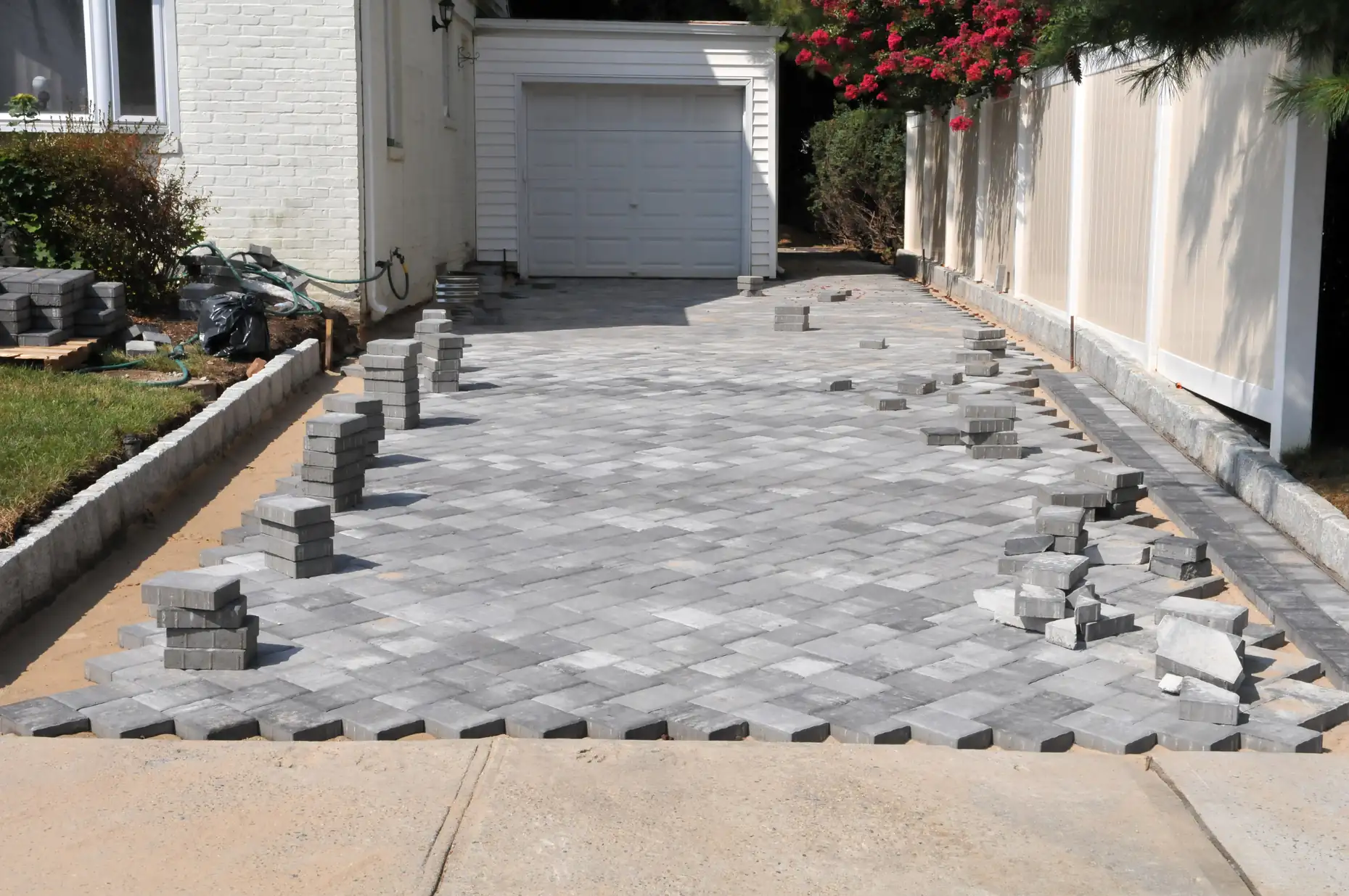
Properly installed concrete driveways last 50+ years in New Jersey when they’re maintained correctly. That’s not theoretical—it’s what happens when the base is compacted right, the concrete mix is appropriate for our climate, and you reseal every 3-5 years.
The key word is “properly installed.” Most concrete failures happen because of inadequate base preparation or poor drainage planning, not because the concrete itself failed. If water pools on your driveway or the ground underneath wasn’t compacted correctly, you’ll see cracks and settling within five years regardless of concrete quality.
Maintenance is minimal but not optional. You’re resealing every few years to protect against moisture infiltration and salt damage from winter de-icing. You’re filling minor cracks before they become major problems. But compared to asphalt driveways that need resurfacing every 15-20 years, concrete’s maintenance requirements are significantly lighter. You’re looking at decades of use with basic upkeep, not constant repairs.
Concrete costs more upfront—typically $7-13 per square foot in Morris County versus $3-7 for asphalt. For a standard two-car driveway (about 600 square feet), you’re looking at $4,200-7,800 for concrete versus $1,800-4,200 for asphalt.
But that upfront cost comparison misses the bigger picture. Asphalt driveways last 15-30 years and require resealing every 2-3 years. Concrete lasts 50+ years and needs resealing every 3-5 years. Over 30 years, you’re either maintaining one concrete driveway or replacing an asphalt driveway entirely, plus all the maintenance in between.
The real cost difference also depends on what you’re comparing. Basic concrete versus basic asphalt shows the gap I mentioned. But decorative stamped concrete versus standard asphalt changes the equation—you’re paying for aesthetic value that asphalt can’t match. Many Morris County homeowners choose concrete because it better fits their home’s architecture and the neighborhood’s appearance standards, not just because of longevity. The cost makes sense when you’re dividing it across 50 years instead of 20.
Concrete can be installed in cold weather, but it requires different techniques and careful temperature monitoring. The ideal installation temperature is between 50-80°F, but we can work in colder conditions using insulated blankets, heated enclosures, and cold-weather concrete mixes.
The challenge with winter installation is that concrete needs to cure properly, and cold temperatures slow that process significantly. If concrete freezes before it’s cured, you’ll have surface scaling and reduced strength that shows up as premature cracking. That’s why many contractors won’t work below 40°F—not because it’s impossible, but because it requires more expertise and equipment.
We adjust our approach based on the forecast. If temperatures are dropping below freezing at night, we’re using insulated curing blankets and sometimes temporary enclosures to maintain proper curing temperatures. The concrete mix itself gets modified with accelerators that help it cure faster in cold conditions. Installation takes longer and costs slightly more because of these extra steps, but it’s absolutely possible to get a quality concrete driveway installed outside of summer. We just won’t cut corners to meet a timeline if the weather isn’t cooperating.
Cracking prevention starts with proper base preparation and adequate reinforcement. The stone base underneath needs to be compacted in layers so it doesn’t shift when the ground freezes and thaws. We’re also installing rebar or wire mesh reinforcement throughout the concrete to control where cracks appear and prevent them from spreading.
Control joints are the next critical element. These are deliberate weak points cut or formed into the concrete at regular intervals. They give the concrete a designated place to crack as it expands and contracts with temperature changes. Without control joints, the concrete will crack randomly across the surface. With them, any cracking happens along those joints where it’s less visible and easier to maintain.
Drainage planning matters more than most homeowners realize. If water pools on or under your driveway, it will cause problems—either through freeze-thaw damage or by undermining the base. We grade the driveway for proper runoff and sometimes install drainage solutions if your property has water management issues. The concrete mix itself also matters. We’re using Portland cement formulated for New Jersey’s climate with the right water-to-cement ratio. Too much water makes the concrete easier to work with but weaker once cured. These details separate driveways that crack in five years from those that last fifty.
It depends on how extensive the damage is and what’s causing it. Minor surface cracks that aren’t growing can be filled and sealed as part of regular maintenance. If you’re seeing isolated cracks less than a quarter-inch wide and the driveway surface is still level, repair makes sense.
Replace when you’re seeing significant settling, multiple large cracks, or surface deterioration across more than 30% of the driveway. If sections have sunk or you’re dealing with drainage problems that are causing ongoing damage, patching won’t solve the underlying issue. You’re just delaying the inevitable while spending money on repairs that won’t last.
The decision also depends on the driveway’s age. If your concrete driveway is 40+ years old and starting to show problems, replacement makes more sense than investing in extensive repairs. But if it’s only 10-15 years old and having issues, that suggests installation problems or drainage issues that need to be addressed regardless. We can assess your specific situation and give you an honest recommendation. Sometimes repair buys you another 5-10 years. Sometimes it’s throwing money at a problem that needs a permanent solution. We’ll tell you which situation you’re in.
Stamped concrete uses the same base preparation and installation process as regular concrete, but we add texture and pattern to the surface before it fully cures. The concrete is poured, leveled, and then stamping mats are pressed into the surface to create patterns that mimic stone, brick, slate, or custom designs.
The durability is identical to regular concrete because the pattern is integral to the surface, not a coating applied afterward. You’re getting the same 50-year lifespan and structural strength. The difference is purely aesthetic—stamped concrete gives you design options that complement your home’s architecture and landscaping.
Cost runs $8-21 per square foot in Morris County versus $7-13 for standard concrete. You’re paying for the additional labor and expertise required to create those patterns while the concrete is still workable. Popular choices in Rockaway right now include slate textures and geometric patterns that work with both traditional and contemporary homes. The stamping happens during installation, so you need to decide on the pattern before we pour. Once the concrete cures, you can’t add stamping later. Color can be added through integral pigments mixed into the concrete or through surface-applied stains after curing.