
Hear from Our Customers
You’re not looking for the cheapest option. You’re looking for a driveway that won’t crack apart in three winters, pool water by your garage, or need a redo in five years.
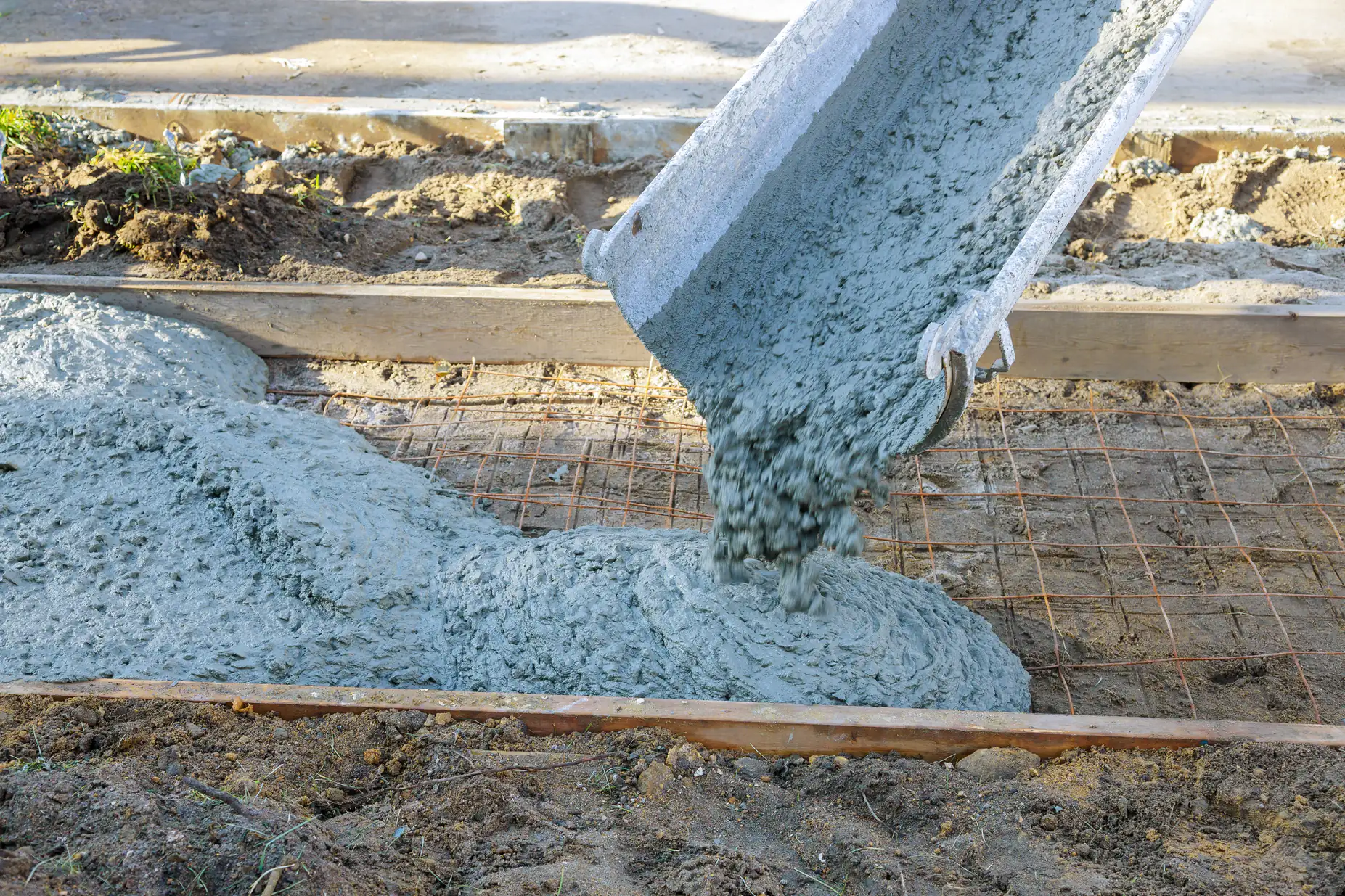
That means proper base prep. Rebar reinforcement on 24-inch centers. Air-entrained concrete mix at 5–7% to handle freeze-thaw cycles. And a crew that knows the difference between doing it fast and doing it right.
Most concrete driveways in Morris County fail because of what you don’t see—poor grading, thin base layers, no drainage plan. We handle all of it upfront so your driveway doesn’t become your problem two seasons later.
We’ve been installing concrete driveways across Morris, Somerset, and Sussex Counties for over 20 years. Fully licensed, BBB accredited, and insured. We’re not a national franchise or a guy with a truck—we’re a local team that shows up when we say we will.
Pine Brook sits right in our service area. We know the soil conditions, the permitting process, and what winter does to poorly installed concrete around here. That local knowledge matters when you’re pouring a surface that needs to last decades.
You’ll get a clear quote within 48 hours. No vague estimates. No pressure tactics. Just straightforward pricing and a timeline you can actually count on.
First, we assess your site. That means checking drainage, measuring slope, and looking at your existing base. If there’s a grading issue or poor soil, we’ll tell you before we start—not after.
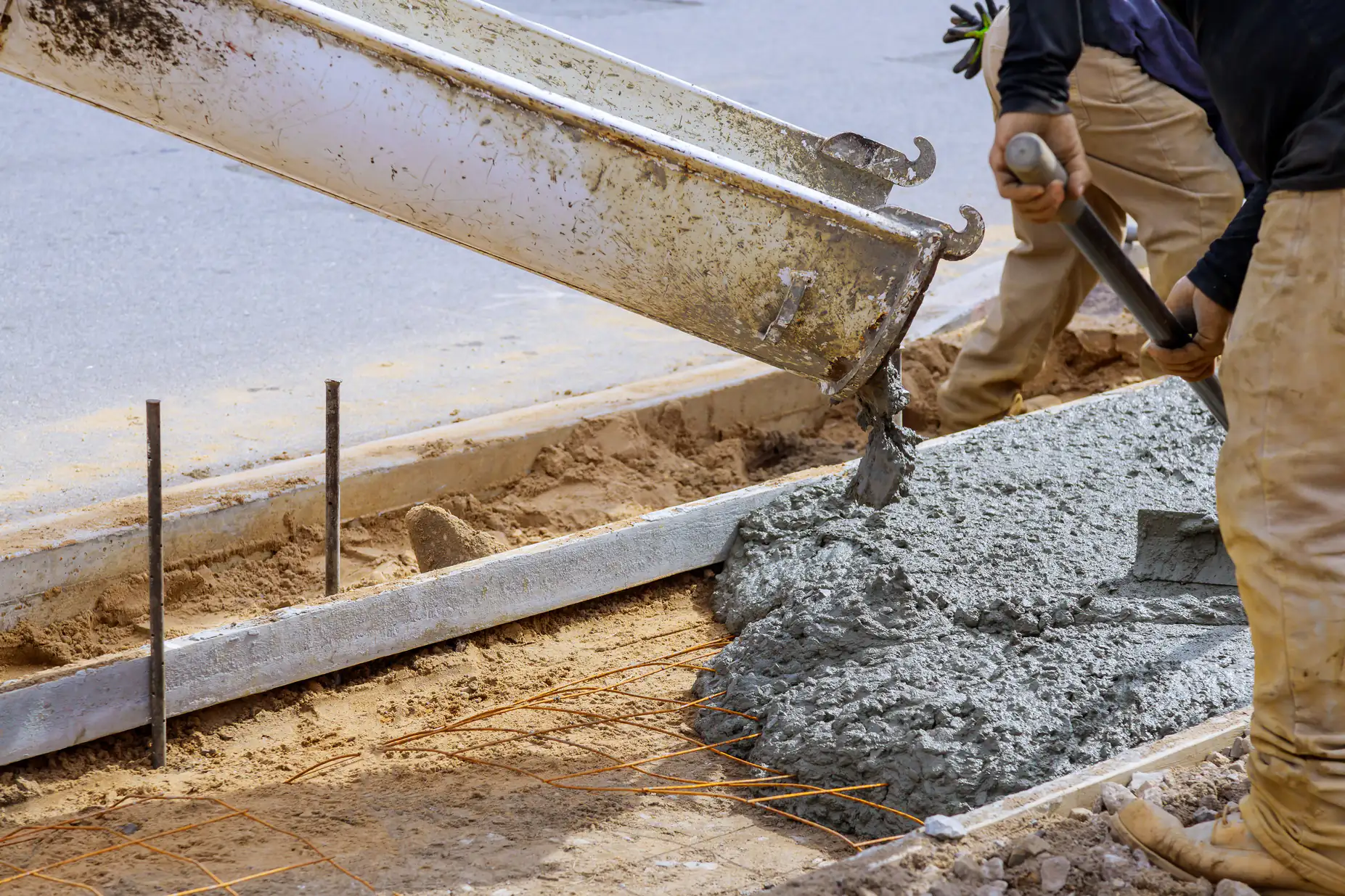
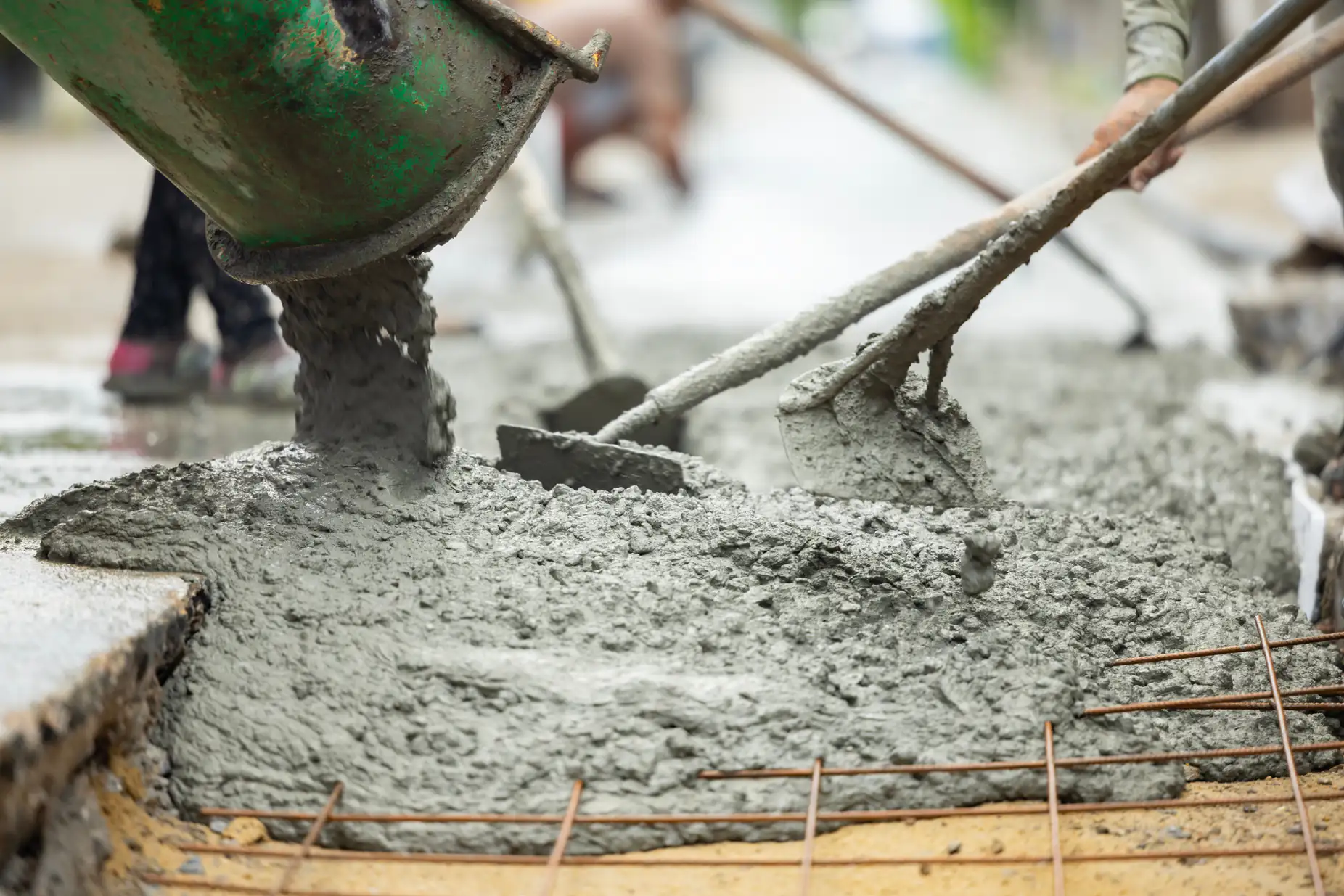
Next, we excavate and prep the base. This is where most contractors cut corners. We use compacted gravel, proper depth, and make sure water flows away from your foundation. Then we set forms, install rebar or wire mesh, and pour 4,000 PSI concrete with air entrainment for freeze protection.
Most residential driveways take two to three days. Day one is excavation and base work. Day two is the pour and finish. Day three is cleanup, grading, and final inspection. You’ll know the timeline before we start, and we stick to it unless weather forces a delay—which we’ll communicate immediately.

Ready to get started?
Every project starts with proper site prep—grading, drainage planning, and base compaction. We don’t pour over dirt and hope it holds. The base gets built to support the load, whether that’s your daily sedan or a loaded pickup.
We use Portland cement mixes with rebar reinforcement, not just wire mesh. Rebar on 24-inch centers gives you real crack resistance. We also add polypropylene fibers to the mix for extra durability. Air entrainment is non-negotiable in New Jersey—it’s what keeps your concrete from spalling when water freezes inside it.
If you want decorative options, we offer stamped concrete in patterns that mimic stone, brick, or wood. It’s a way to get a high-end look without sacrificing the durability of a solid concrete surface. We also handle concrete patios, walkways, and any flatwork that needs the same level of attention. Around Pine Brook and Parsippany, drainage is critical—we make sure water moves away from your home, not toward it.
For a standard two-car driveway around 600 square feet, expect to pay between $4,200 and $7,800. That’s based on $7 to $13 per square foot for basic installation in North Jersey.
The range depends on site conditions, thickness, reinforcement, and finish. If your property has poor drainage or needs significant grading work, that adds to the cost. Decorative stamped concrete or custom borders will push the price higher, but you’re paying for a surface that looks better and lasts just as long.
We give you a clear quote upfront. No hidden fees for “unexpected” base work or drainage fixes. If we see an issue during the site visit, it’s in the estimate before you sign anything.
A properly installed concrete driveway lasts 25 to 30 years in New Jersey—sometimes longer if it’s sealed and maintained. That’s significantly longer than asphalt, which typically needs replacement or major repairs every 15 to 20 years.
The key is installation quality. Concrete needs air entrainment to survive freeze-thaw cycles, a solid compacted base to prevent settling, and proper reinforcement to control cracking. Skipping any of those steps cuts the lifespan in half.
Maintenance is minimal. Seal it every three to five years to protect against stains and surface damage. Fill small cracks as they appear. That’s it. No annual sealcoating, no patching potholes every spring.
Concrete costs more upfront but lasts longer and needs less maintenance. Asphalt is cheaper to install but requires sealcoating every few years and typically needs replacement sooner.
Concrete handles heat better—it doesn’t soften in summer sun like asphalt does. It also gives you more design flexibility with stamped patterns, colors, and textures. Asphalt is black, and that’s your only option.
For North Jersey weather, both can work if installed correctly. Concrete is the better long-term investment if you plan to stay in your home for more than a decade. Asphalt makes sense if you’re on a tighter budget or expect to move within 10 years. We install both, so we’re not pushing you toward the more expensive option—we’re just laying out what each one actually delivers.
Concrete can be poured in cooler weather, but temperatures need to stay above 40°F for at least three days after the pour. Below that, the concrete won’t cure properly, and you’ll end up with a weak surface that cracks prematurely.
We don’t pour in freezing conditions or when snow and ice are forecasted. It’s not worth the risk to your investment. If you’re planning a project for late fall or early spring, we’ll monitor the forecast closely and adjust the schedule if needed.
The best time for concrete work in Morris County is late spring through early fall. The ground is stable, temperatures are consistent, and curing conditions are ideal. If you’re planning ahead, reach out in winter or early spring to get on the schedule for optimal installation timing.
Most driveway replacements in Pine Brook require a permit, especially if you’re changing the size, grade, or drainage pattern. The township wants to make sure water runoff is managed properly and that the work meets local codes.
We handle the permit process as part of the project. That includes submitting plans, coordinating inspections, and making sure everything is up to code before we start. You don’t need to deal with the township directly—we take care of it.
Skipping permits might seem like a shortcut, but it causes problems if you ever sell your home. Unpermitted work can delay closings, reduce your home’s value, or require expensive corrections. It’s not worth the risk, and it’s not how we operate.
Cracking happens when concrete shrinks as it cures or when the base settles unevenly. You can’t eliminate it completely, but you can control where it happens and minimize how much occurs.
We use control joints—intentional grooves cut into the surface—to direct cracks along planned lines where they’re less visible. Rebar reinforcement on 24-inch centers keeps cracks tight and prevents them from spreading. Adding polypropylene fibers to the concrete mix gives extra tensile strength.
The base is just as important. We excavate to proper depth, compact the gravel base in layers, and make sure the subgrade is stable. If the base shifts, the concrete will crack no matter how strong the mix is. Around Pine Brook, we also watch for clay soils that expand and contract with moisture—those need extra base depth or stabilization before we pour.