
Hear from Our Customers
You’re tired of watching hairline cracks turn into potholes. Every freeze-thaw cycle makes it worse. Water gets in, freezes, expands, and suddenly you’re explaining to guests why they need to watch their step in your own driveway.
A properly installed concrete driveway changes that. You get a surface engineered for Morris County’s climate—one that drains correctly, resists freeze-thaw damage, and doesn’t need patching every spring. Your property value goes up immediately. A well-paved driveway isn’t just functional, it’s the first thing people notice about your home.
The difference is in the foundation work. Most problems start below the surface—poor grading, inadequate base material, or drainage that sends water toward your foundation instead of away from it. When the base is right and the concrete mix is designed for New Jersey winters, you’re looking at 25 to 30 years of performance, not constant repairs.
We work exclusively in Morris, Sussex, and Somerset Counties. We’re not a statewide operation trying to cover everything from Cape May to High Point. We know Oak Ridge soil conditions, local permit requirements, and exactly how many freeze-thaw cycles your driveway will face each winter.
That matters because concrete installation isn’t one-size-fits-all. The mix design, reinforcement placement, and drainage solutions that work in central Jersey don’t always translate to northern properties. Oak Ridge sits at a higher elevation with different soil composition and more severe winter conditions than towns 20 miles south.
We’ve been installing concrete driveways and paving throughout Morris County long enough to know what holds up and what fails. When you call, you’ll talk to someone who understands your specific property challenges, not a call center reading from a script.
First, we come out to look at your property. We’re measuring slope, checking drainage patterns, looking at soil conditions, and figuring out how water moves across your driveway area. This site analysis determines everything that comes next.
Then we excavate and build the foundation. This is where most contractors cut corners and where most problems start. We remove existing material, grade for proper drainage, and install a compacted aggregate base that won’t shift or settle. The base has to be right because concrete is only as good as what’s underneath it.
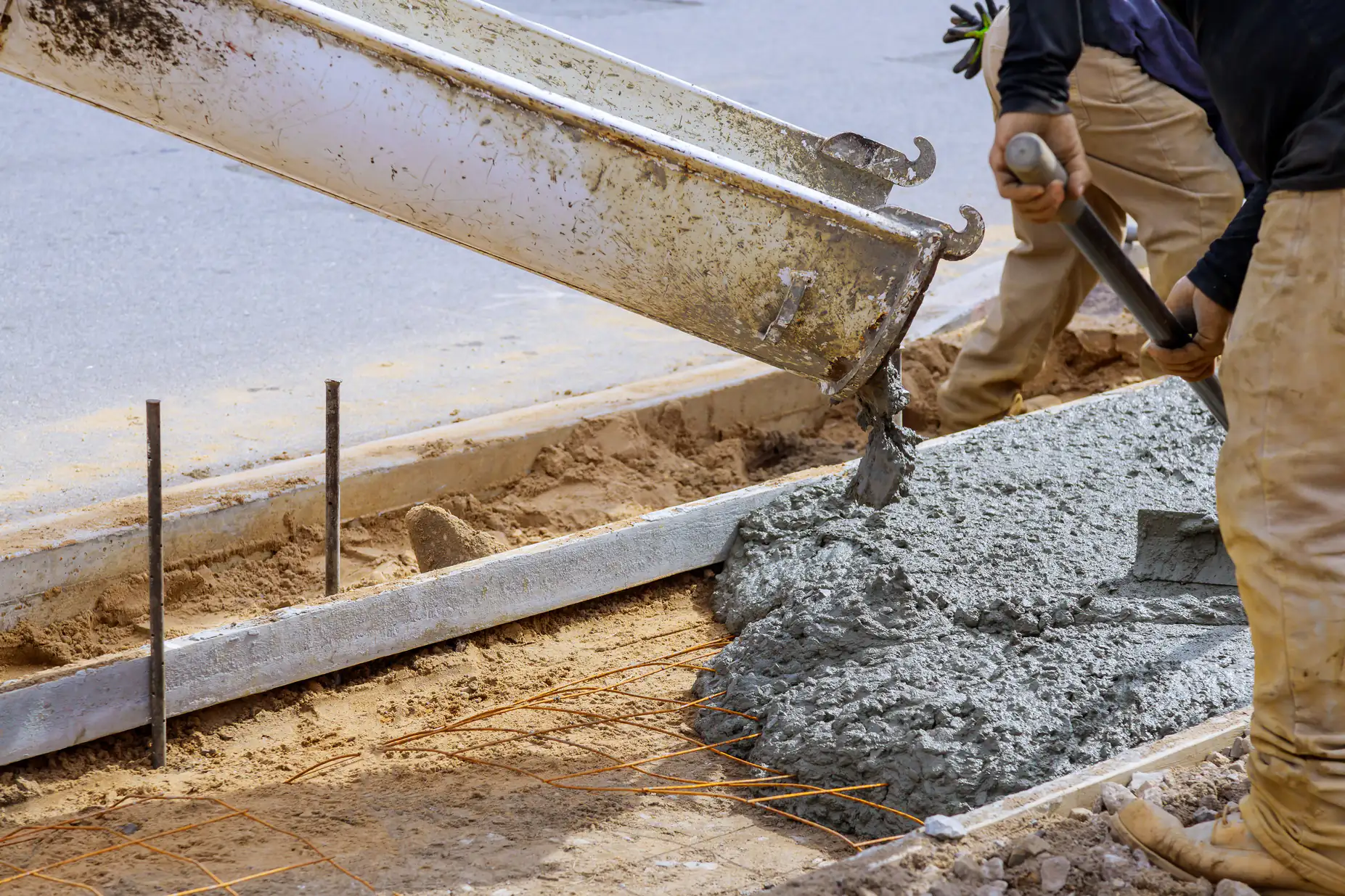
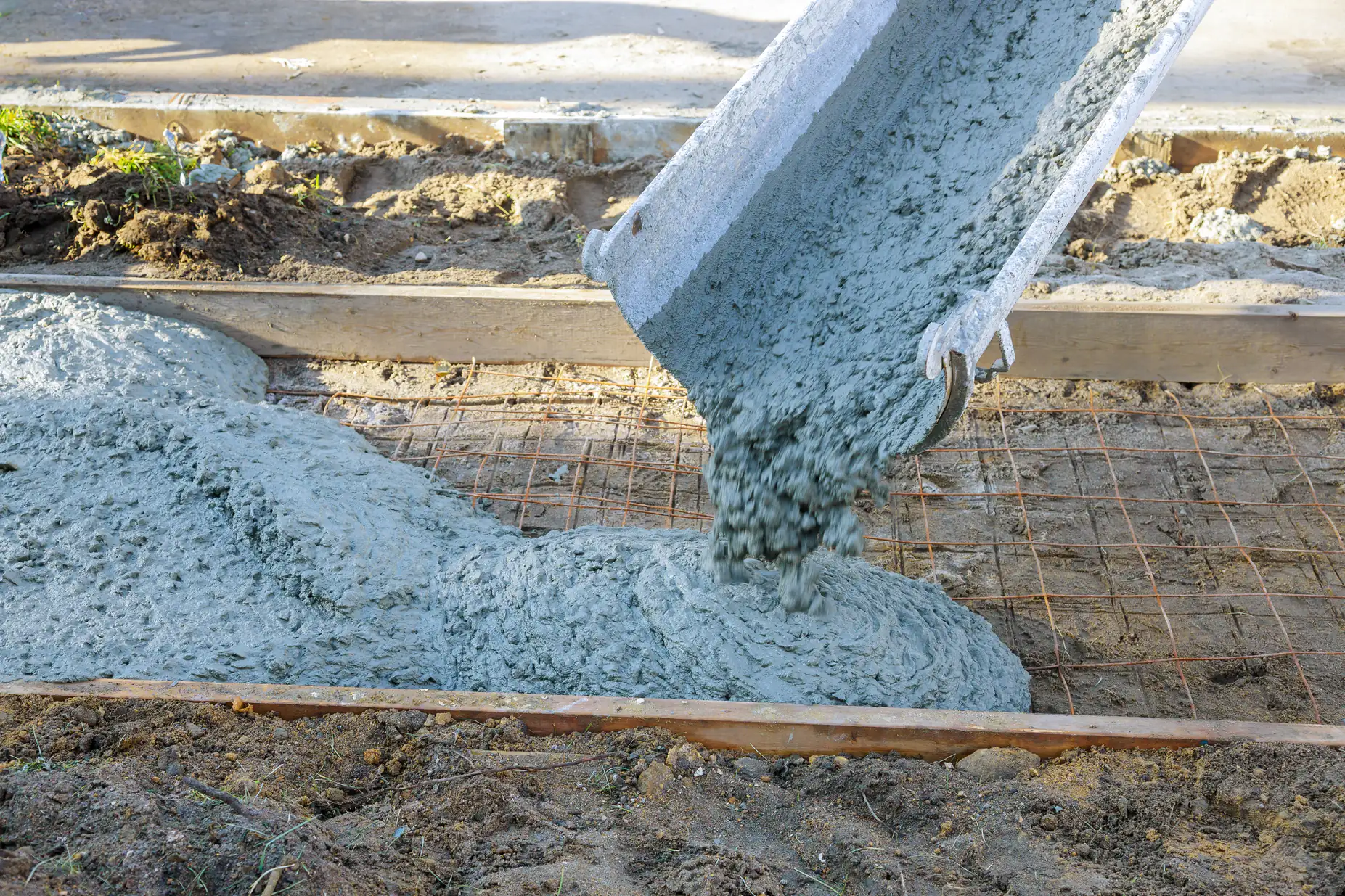
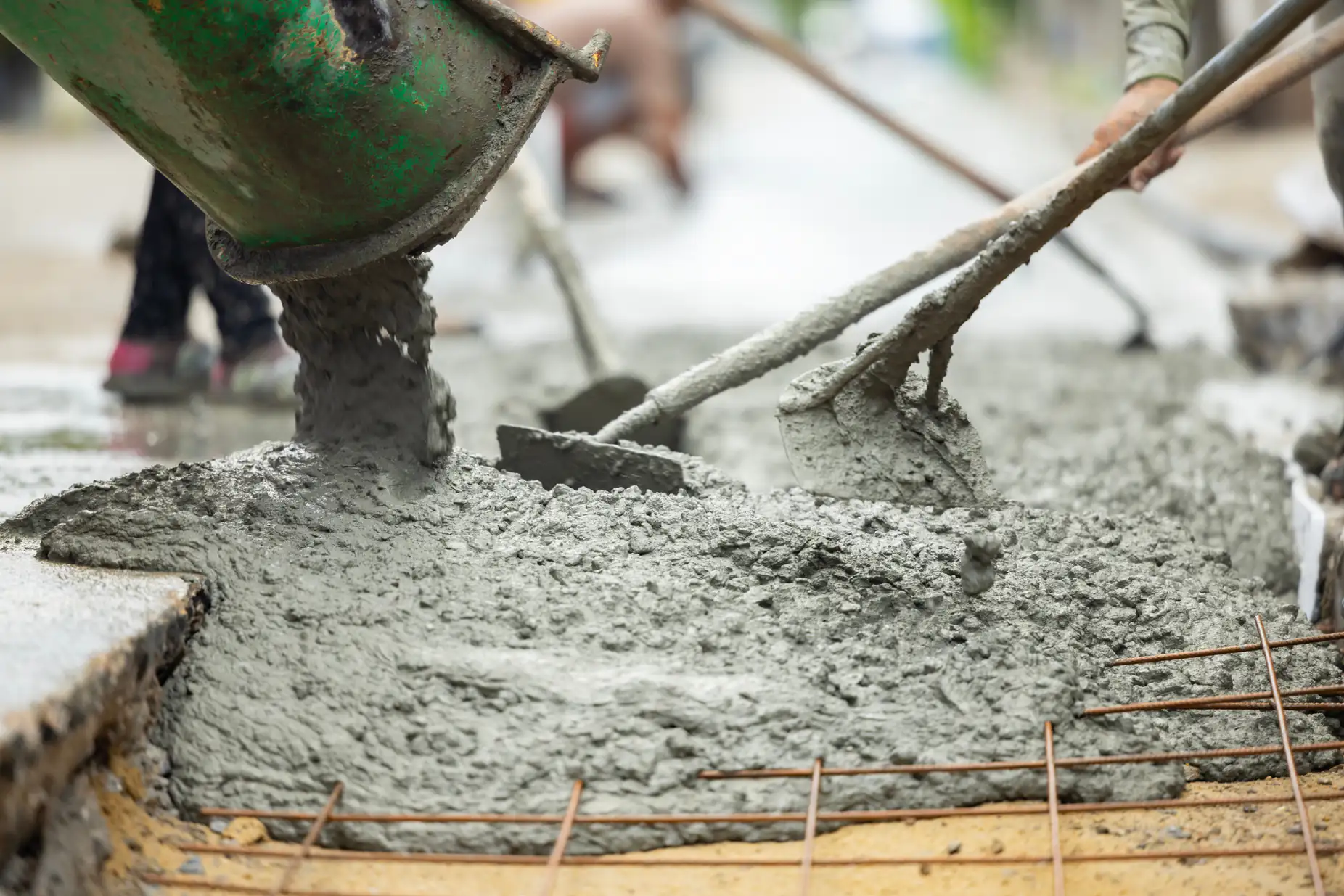
Next comes the concrete pour. We use Portland cement mixes with rebar reinforcement placed strategically based on your driveway’s size and the load it’ll carry. The concrete goes in at the right temperature, gets finished to your specs—whether that’s a standard broom finish or decorative stamped patterns—and then needs time to cure properly.
You’ll stay off it for about a week while it cures. After that, you’ve got a driveway that’s ready for whatever you throw at it. We clean up completely, haul away all debris, and make sure drainage works correctly before we consider the job done.

Ready to get started?
Every concrete driveway installation includes complete site analysis, excavation, and foundation building. We’re not pouring concrete over whatever’s there now. You get proper measurement, marking, excavation to the right depth, and aggregate base construction that’s compacted in layers.
The concrete itself is high-grade Portland cement mixed specifically for New Jersey’s climate. We install rebar reinforcement—not just wire mesh—positioned to handle stress points and prevent cracking. Control joints get cut at proper intervals to manage where any minor cracking occurs, keeping it controlled and nearly invisible.
Drainage gets built in from the start. Your driveway will slope away from your garage and foundation, with grading that moves water where it needs to go. No more ice patches in winter or standing water that turns your driveway into a skating rink.
For Oak Ridge properties, this matters more than you might think. With median home values over $580,000, your driveway is a significant part of your curb appeal and property value. The homes here are primarily single-family, owner-occupied properties where homeowners plan to stay long-term. You’re not looking for a quick fix—you want something that’ll still look good and function properly 20 years from now.
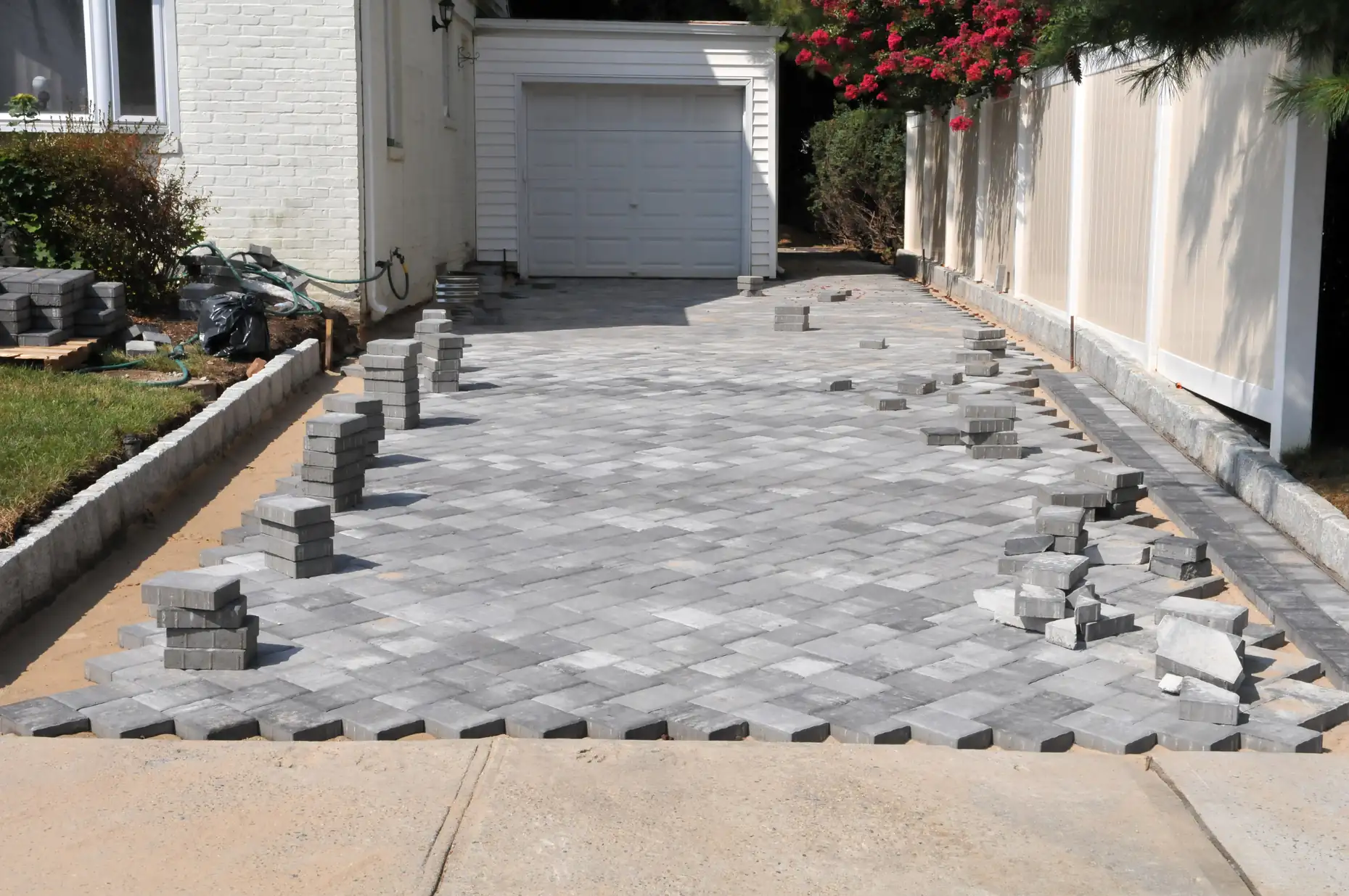
We also handle decorative options if you want more than standard gray concrete. Stamped concrete patterns, exposed aggregate finishes, or colored concrete all work with the same durable foundation and installation process.
Concrete driveway installation in Oak Ridge typically runs between $7 and $13 per square foot for standard reinforced concrete. A typical two-car driveway measuring about 400-600 square feet will cost somewhere between $2,800 and $7,800, depending on site conditions and any decorative finishes you choose.
The wide range comes down to what’s happening below the surface. If your property has drainage issues, poor soil conditions, or significant slope that requires extra grading work, costs go up. If we’re removing an old driveway, that’s additional excavation and hauling. Decorative stamped concrete or colored finishes add to the base price but give you a completely different look.
Here’s what matters more than the per-square-foot number: what you’re actually getting for that price. Cheap concrete work fails fast in North Jersey. When contractors skip proper base preparation or use inadequate reinforcement, you’ll see cracking within a few years. Then you’re either living with an ugly driveway or paying for repairs that cost almost as much as doing it right the first time.
We give you a detailed written estimate after looking at your property. No surprises, no change orders, no “we found something” calls halfway through the job. You’ll know exactly what you’re paying and what you’re getting before we start.
A properly installed concrete driveway in Oak Ridge should last 25 to 30 years, sometimes longer with basic maintenance. That’s significantly longer than asphalt, which typically needs replacement or major resurfacing every 15 to 20 years in this climate.
The lifespan depends almost entirely on installation quality and how well the driveway handles freeze-thaw cycles. New Jersey gets 40-plus freeze-thaw cycles every winter. Water seeps into any cracks or porous areas, freezes, expands with about 30,000 psi of pressure, and makes those cracks wider. One season of this and a hairline crack becomes a real problem. Five seasons and you’re looking at significant damage.
Concrete that’s mixed correctly for cold climates, poured over a proper base, and reinforced with rebar holds up much better than concrete that skips any of those steps. The mix design matters—you need the right cement-to-water ratio and air entrainment that gives the concrete tiny air pockets to handle freeze-thaw expansion.
Basic maintenance extends the life even further. Sealing your concrete every few years, keeping it clean, and addressing any minor issues early means you could easily get 35 or 40 years from a quality installation. Compare that to the ongoing patching, sealing, and eventual replacement that asphalt requires, and concrete makes sense as a long-term investment.
Concrete costs more upfront but lasts longer and needs less maintenance. Asphalt is cheaper initially but requires regular sealing and typically needs replacement sooner. For Oak Ridge properties where homeowners plan to stay long-term, concrete usually makes more financial sense.
Here’s the real difference: asphalt is petroleum-based and softens in summer heat, which means it can develop ruts and impressions from parked vehicles. It needs resealing every two to three years to prevent water penetration and oxidation. In North Jersey’s climate, you’re looking at 15 to 20 years before major resurfacing or replacement.
Concrete doesn’t soften in heat, doesn’t need regular sealing, and handles freeze-thaw cycles better when properly installed. You might pay $3 to $5 more per square foot upfront, but you’re not paying for resealing every few years or replacement after 15 years. Over a 30-year period, concrete often costs less when you factor in maintenance.
There’s also the curb appeal factor. Concrete looks cleaner and more finished, especially with decorative options like stamped patterns or exposed aggregate. For homes in Oak Ridge where median values exceed $580,000, that visual difference matters. Your driveway is the first thing people see when they pull up to your home.
The choice also depends on your specific property. If you have significant slope or drainage challenges, concrete’s rigidity and durability might be necessary. If you’re planning to sell within five to ten years, asphalt’s lower upfront cost might make sense. For most long-term homeowners, concrete is the better investment.
Late spring through early fall gives you the best conditions for concrete installation in Oak Ridge. You want consistent temperatures above 50 degrees during the day and above 40 degrees at night for at least a week after the pour. That usually means May through October in Morris County.
Concrete needs time to cure properly, and temperature matters more than most people realize. If it’s too cold, the concrete won’t reach full strength and you’ll have durability problems down the road. If it’s too hot, the concrete can cure too quickly and develop surface cracking. The ideal range is 60 to 80 degrees with moderate humidity.
Summer installation works well, but we have to manage the heat. That might mean starting early in the morning, using cooler water in the mix, or applying curing compounds to slow down the process. Fall is often ideal because temperatures are moderate and there’s less chance of extreme heat or unexpected cold snaps.
Winter installation is possible but tricky. We can use heated enclosures and special cold-weather concrete mixes, but it adds cost and complexity. Unless you have an urgent need, it makes more sense to wait for better weather.
One thing to consider: contractors book up during peak season. If you’re planning a spring or summer installation, reach out in late winter or early spring to get on the schedule. Waiting until June to call might mean waiting until August or September for installation.
Most driveway replacements in Oak Ridge don’t require a permit if you’re staying within your existing driveway footprint and not changing drainage patterns. If you’re expanding your driveway, adding new impervious surface, or altering how water drains from your property, you’ll likely need approval from the town.
Morris County has specific regulations about stormwater management and impervious surface coverage. Oak Ridge enforces these pretty carefully, especially for properties near wetlands or in areas with known drainage issues. The town wants to make sure new or expanded driveways don’t create runoff problems for neighboring properties or overload the stormwater system.
Here’s what typically triggers permit requirements: increasing the size of your driveway beyond the original footprint, changing the grade significantly, or adding more than a certain amount of impervious surface to your property. The exact thresholds vary based on your lot size and zoning district.
We handle permit research and applications as part of our service. Before we give you a final quote, we’ll check whether your project needs town approval and factor that timeline into the schedule. If permits are required, we’ll prepare the application, submit the plans, and deal with the building department so you don’t have to.
The permit process usually adds two to four weeks to the timeline, but it’s not something you want to skip. Working without required permits can create problems when you sell your home or if a neighbor complains. The town can require you to remove unpermitted work, which means tearing out your new driveway and starting over.
Keep it clean, avoid harsh deicing chemicals, and seal it every few years. That’s really all most concrete driveways need to last decades in North Jersey’s climate. The key is preventing water penetration and protecting the surface from freeze-thaw damage.
Deicing salts are the biggest threat to concrete driveways. Rock salt and calcium chloride can damage the surface and accelerate deterioration, especially during the first year after installation. Use sand for traction instead, or switch to calcium magnesium acetate if you need a deicer that won’t harm concrete. It costs more but it’s worth it.
Sealing your driveway every three to five years creates a protective barrier that keeps water out. This is especially important in Oak Ridge where you’re dealing with 40-plus freeze-thaw cycles every winter. Water that can’t penetrate the surface can’t freeze and expand inside the concrete. The sealer wears off over time from traffic and weather, so it needs reapplication.
Clean up oil spills and other stains quickly. Oil penetrates concrete and can break down the surface over time. A simple degreaser and some scrubbing usually handles it if you catch it early. For tougher stains, a pressure washer works, but keep the pressure reasonable—you’re cleaning, not trying to blast the surface off.
Watch for any cracks that develop and fill them promptly. Even properly installed concrete can develop minor cracks over time. Small cracks aren’t structural problems, but they give water a way in. Fill them with a concrete crack filler before winter and you’ll prevent them from becoming bigger problems.
That’s it. Concrete is low-maintenance compared to asphalt. You’re not resealing every two years or patching constantly. Basic care keeps it looking good and functioning properly for decades.