
Hear from Our Customers
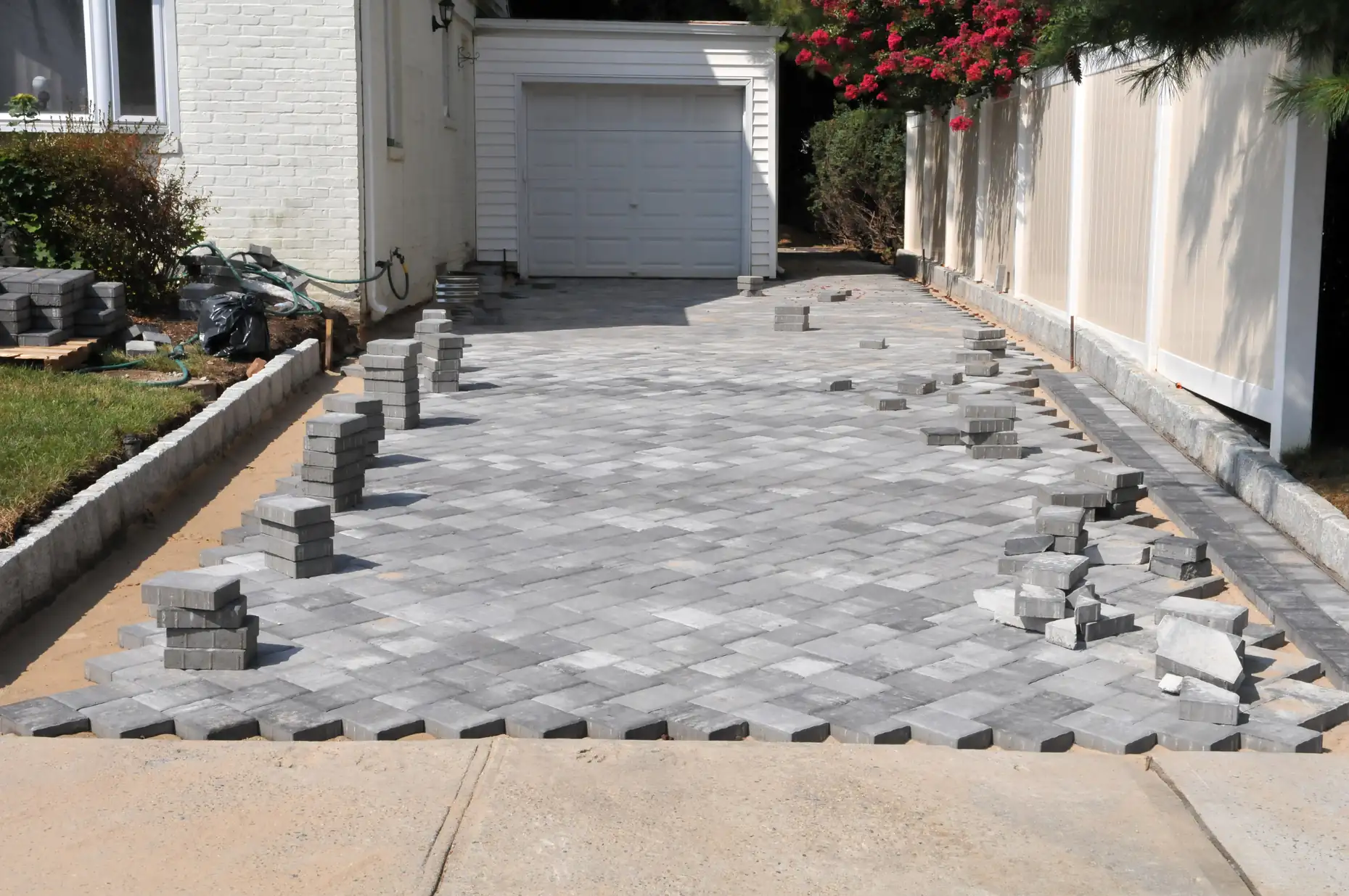
When we complete your driveway project, you get a smooth, professionally installed surface that enhances your property value. Not just for a season—for decades.
The difference shows up immediately. No more cringing when you pull in after work. No more worrying about what winter will do to your pavement. Your driveway becomes something you’re actually proud of instead of something you avoid looking at.
That peace of mind comes from proper installation. We handle everything from excavation and grading to the final surface, so your new driveway performs beautifully through North Plainfield’s freeze-thaw cycles, summer heat, and everything in between. The prep work separates driveways that last from ones that crack within a year or two.
We serve Morris, Sussex, and Somerset County with asphalt and concrete paving that’s engineered for this climate. We’re grounded in Morris County, which means we understand what North Plainfield driveways go through.
The older neighborhoods here have drainage quirks. The soil conditions require particular attention to base preparation. The weather hits hard—those freeze-thaw cycles aren’t gentle on poorly installed pavement.
We’re licensed, bonded, and insured because that’s how you run a real business. Every job gets the same attention whether it’s simple resurfacing or a complete new installation. You get clear upfront pricing with no unexpected charges, and we guarantee a callback within 24-48 hours when you request a quote online.
We start with an initial consultation to assess your site, discuss what you’re looking for, and determine the best path forward. That includes talking through material options—asphalt costs less initially and handles freeze-thaw cycles well but requires periodic sealing. Concrete costs more upfront but lasts longer with minimal maintenance plus offers more design options like stamped patterns or decorative finishes.
Next comes the groundwork. Proper excavation, clearing, and grading create the foundation that determines how your driveway performs. We install a robust aggregate base and compact it correctly. This step matters more than most homeowners realize—it’s where cheap contractors cut corners.
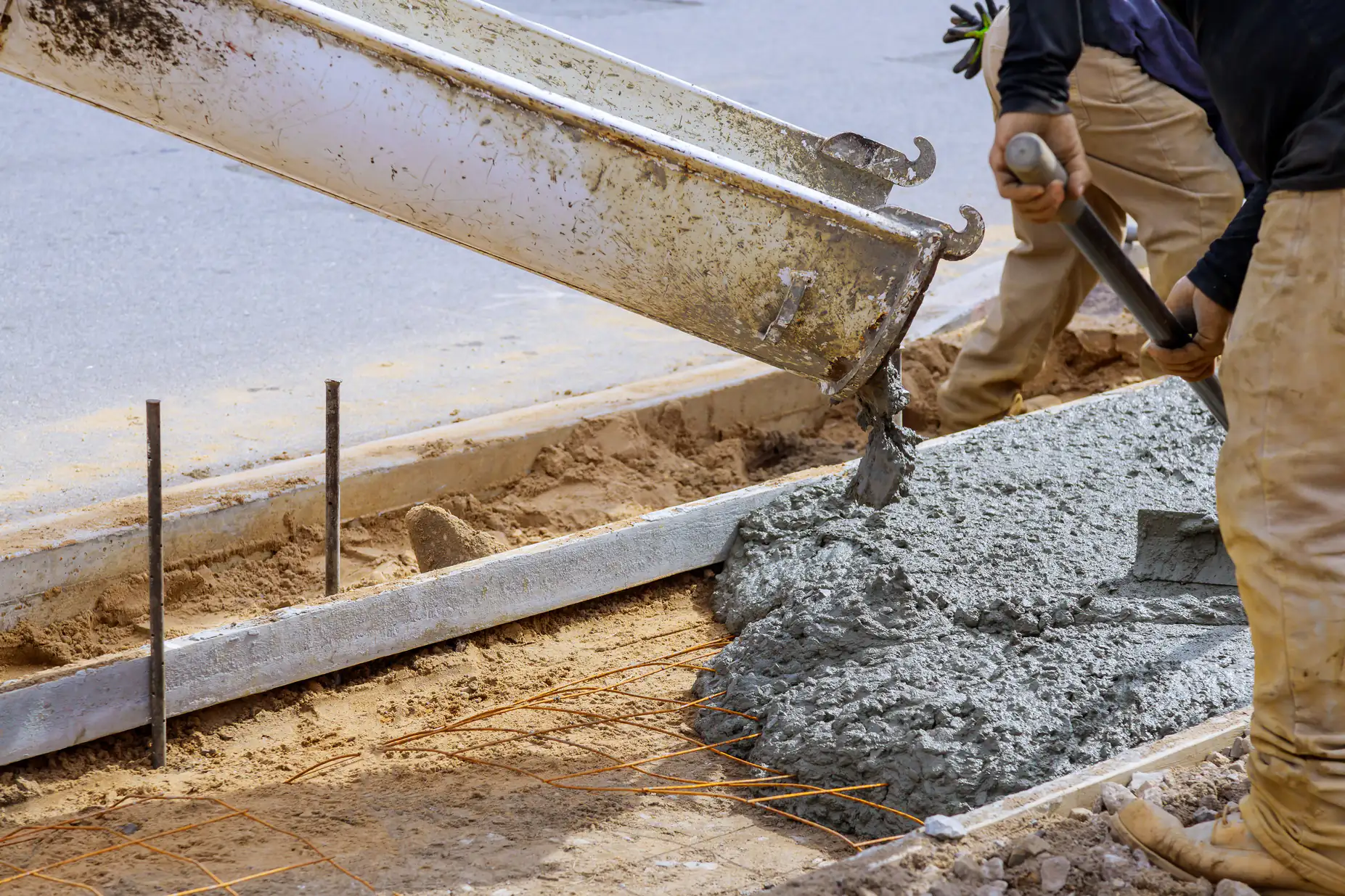
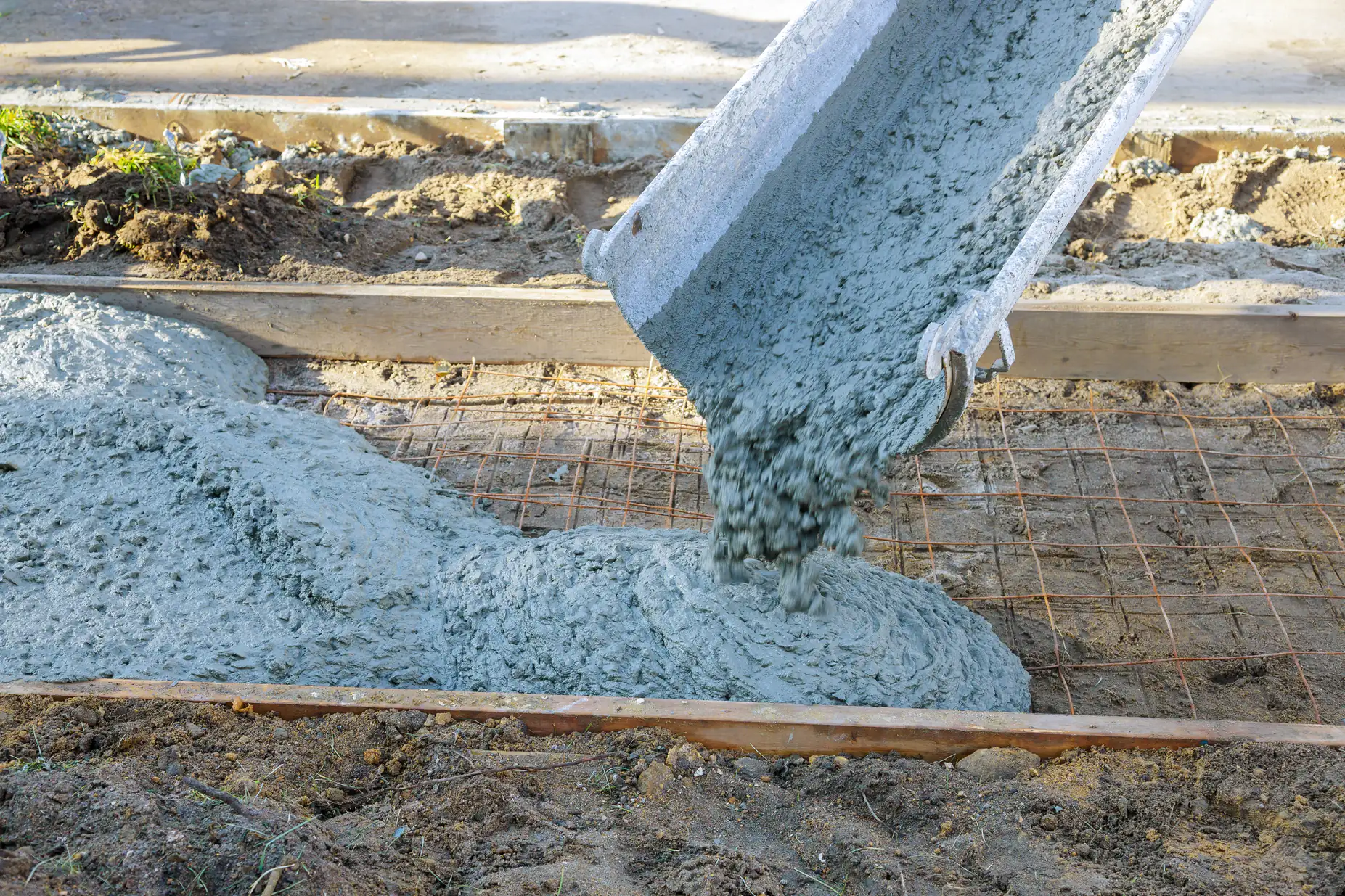
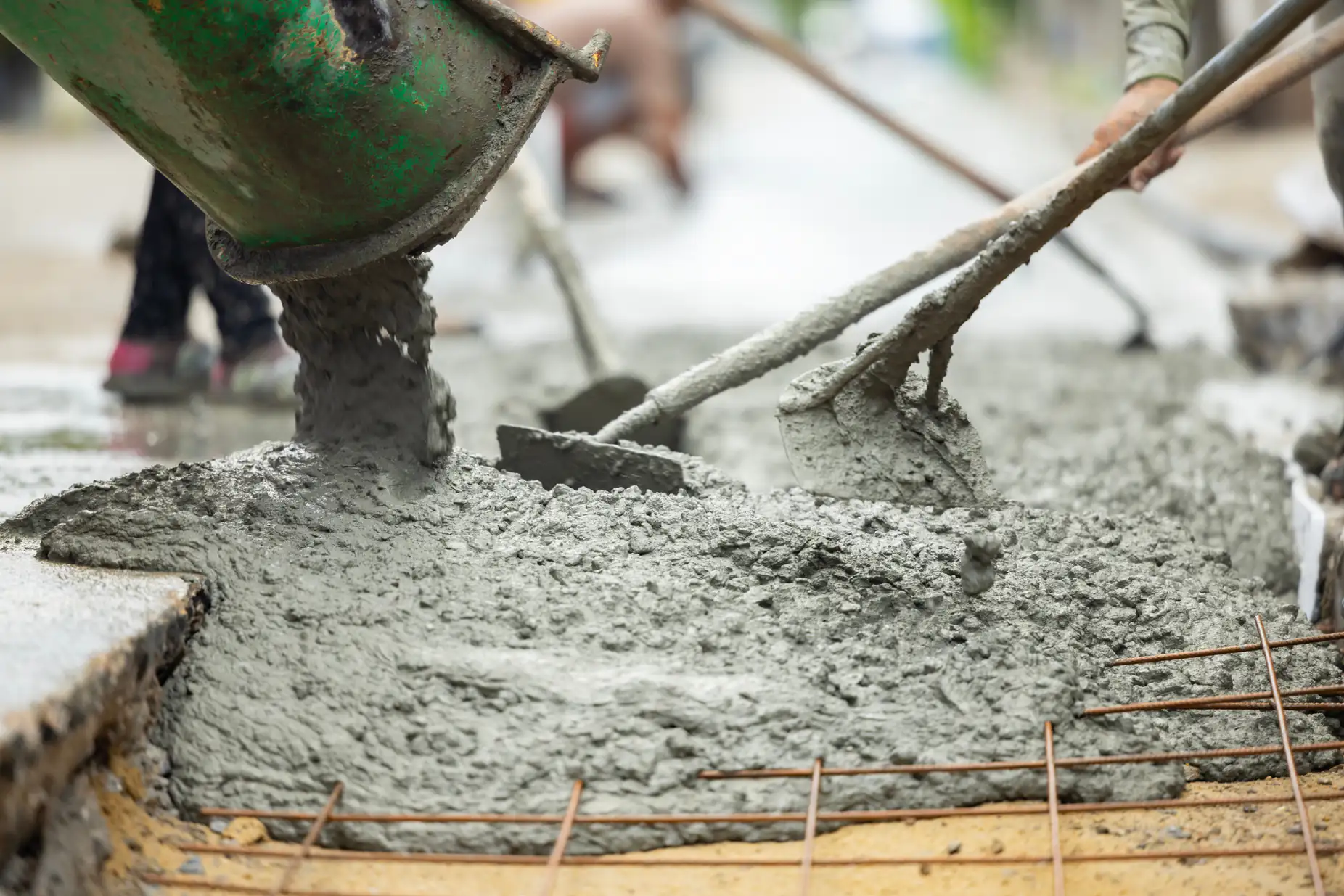
Then we install your chosen surface material. For concrete, that means strong Portland cement mixes, often with rebar reinforcement for added strength. For asphalt, we use high-grade hot mix applied at the right temperature so it bonds correctly and creates a dense, resilient finish. Both materials work well when installed properly—the difference is in the details.

Ready to get started?
Every driveway project includes proper excavation, base preparation, and grading for drainage. We handle permits when required and coordinate with utility companies if needed. You’re not managing multiple contractors—we handle the full scope.
For concrete driveways in North Plainfield, you’re typically looking at $7-$12 per square foot depending on thickness, reinforcement, and finish. Standard broom finish costs less than decorative stamped concrete or exposed aggregate. A typical two-car driveway runs 600-800 square feet, which puts most projects in the $4,200-$9,600 range.
Asphalt runs $4-$7 per square foot, making it more affordable upfront. That same 600-800 square foot driveway costs $2,400-$5,600 for asphalt. Both materials last when installed correctly—asphalt typically needs resurfacing every 15-20 years, while concrete can go 30+ years with minimal maintenance.
North Plainfield’s clay soil conditions mean proper base prep isn’t optional. Water that doesn’t drain away naturally will find its way under your pavement, and when it freezes, you get cracks and heaving. We account for local conditions in every installation because that’s what determines long-term performance.
A properly installed concrete driveway in North Plainfield typically lasts 30-40 years with minimal maintenance. The key word there is “properly installed.”
The lifespan depends entirely on three things: base preparation, material quality, and drainage. North Plainfield’s freeze-thaw cycles are brutal on pavement. Water seeps into cracks, freezes, expands, and creates bigger cracks. By spring you’re staring at potholes and crumbling edges.
Proper installation prevents that cycle from starting. We excavate to the right depth, install a compacted aggregate base that doesn’t shift, and grade everything so water flows away from your foundation instead of pooling on the surface. Then we use strong Portland cement mixes with rebar reinforcement. That combination handles the weather and gives you decades of reliable performance instead of a few good years followed by constant repairs.
Both work well in North Plainfield when installed correctly. The choice comes down to budget, maintenance preference, and aesthetics.
Asphalt costs less upfront—typically $4-$7 per square foot versus $7-$12 for concrete. It handles freeze-thaw cycles well and repairs are straightforward. The tradeoff is maintenance. You’ll need to seal it every few years and plan for resurfacing every 15-20 years. It also offers limited design options—you get black pavement.
Concrete costs more initially but requires almost no maintenance for 30+ years. You can choose from standard broom finish, stamped patterns, exposed aggregate, or decorative colors. It doesn’t need sealing in most cases. The main consideration is that concrete repairs are more visible than asphalt patches, so proper installation matters even more.
For North Plainfield specifically, both materials perform well. We install plenty of each. The decision usually comes down to whether you want lower upfront cost with ongoing maintenance (asphalt) or higher initial investment with minimal upkeep (concrete).
Cracks form when water gets under your pavement, freezes, and expands. That’s the short answer. The longer answer involves understanding why water gets under there in the first place.
Poor base preparation is the main culprit. If the aggregate base isn’t properly compacted or if it’s too thin, the pavement above it will shift and settle unevenly. That creates low spots where water pools. In North Plainfield’s clay soil, improper grading compounds the problem because water doesn’t drain naturally—it sits there waiting to cause damage.
We prevent cracks by doing the prep work that matters. Proper excavation to the right depth. A thick aggregate base that’s compacted in layers, not dumped and smoothed. Grading that directs water away from the driveway and your foundation. Control joints in concrete that give the material room to expand and contract without random cracking.
The other factor is material quality and installation temperature. Concrete needs the right mix strength and proper curing time. Asphalt must be applied hot enough to bond correctly and compacted while it’s still workable. Shortcuts in either area lead to premature failure regardless of how good the base is.
Most residential driveway projects in North Plainfield take 3-5 days from excavation to final surface. That timeline assumes normal conditions—no utility conflicts, reasonable weather, and a straightforward site.
Day one typically involves excavation and hauling away old material if you’re replacing an existing driveway. Day two is base installation and compaction. For concrete, we then build forms and install rebar, pour the concrete, and let it cure. You can walk on it after 24-48 hours but shouldn’t drive on it for at least seven days. Full cure takes 28 days.
Asphalt moves faster. After base prep, we can usually pave and compact in one day. You can drive on it within 24-48 hours, though we recommend waiting three days in hot weather so it fully sets.
Weather affects the timeline more than most homeowners expect. We won’t pour concrete if temperatures will drop below 40°F within 48 hours or if heavy rain is forecast. Asphalt needs dry conditions and temperatures above 50°F. Spring and fall are ideal in North Plainfield—summer works but requires more careful timing, and winter installation isn’t recommended for either material.
Most driveway replacements in North Plainfield don’t require a permit if you’re staying within your existing footprint and not changing drainage patterns. New driveways or significant expansions typically do require permits.
The permit process involves submitting a site plan showing the driveway location, dimensions, and drainage details. North Plainfield wants to ensure your driveway doesn’t create runoff problems for neighboring properties or overload the stormwater system. If your property slopes toward the street or neighbors, they’ll pay extra attention to how you’re managing water.
We handle permit applications when they’re required. That includes coordinating with the building department, submitting the necessary documentation, and scheduling inspections. You don’t need to visit township offices or figure out what forms to file.
The other consideration is utility location. Before any excavation, we contact New Jersey One Call to mark underground utilities. That’s required by law and protects you from liability if we accidentally hit a line. Gas, electric, water, sewer, cable, and phone lines all get marked before we dig. It adds a few days to the timeline but it’s not optional.
Concrete driveways need surprisingly little maintenance compared to asphalt. The main tasks are cleaning, occasional sealing, and addressing any cracks early before they spread.
Cleaning means hosing it down periodically and removing oil stains when they happen. Oil breaks down concrete slowly over time, so hitting fresh stains with degreaser prevents long-term damage. Snow removal in winter is straightforward—just avoid metal shovels that can chip the surface and go easy on deicing salts, which can cause surface scaling after repeated exposure.
Sealing isn’t always necessary but it helps in North Plainfield’s climate. A quality concrete sealer applied every 3-5 years protects against moisture penetration and makes the surface easier to clean. It’s optional for standard concrete but recommended for decorative stamped or colored finishes to maintain their appearance.
The most important maintenance is addressing small cracks quickly. Concrete will develop some hairline cracks over time—that’s normal. But cracks wider than 1/4 inch let water penetrate to the base, especially during freeze-thaw cycles. Filling them with concrete crack filler when they’re small prevents them from becoming major problems. Catch them early and your driveway will look good for decades with minimal intervention.