
Hear from Our Customers
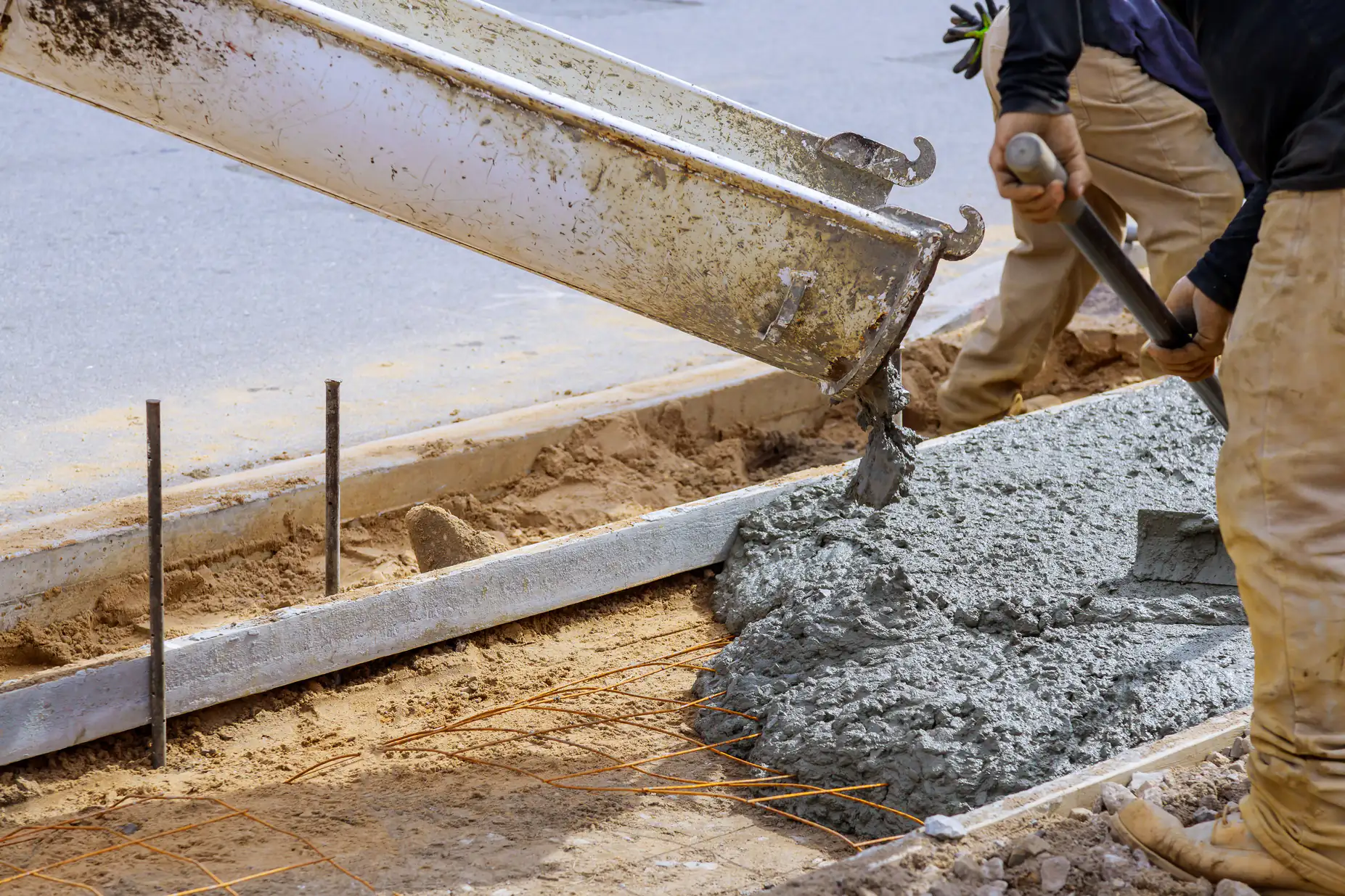
Your driveway takes a beating. North Caldwell winters crack inferior concrete when water seeps in and freezes. Summer heat causes expansion. Daily vehicle weight creates stress points.
Proper installation means you’re not dealing with spiderweb cracks in three years. It means water drains where it should, not into your foundation. It means a surface that handles freeze-thaw cycles without breaking apart.
Most concrete driveways in this area last 30-40 years when installed correctly. That’s not marketing talk—it’s what happens when the base is compacted right, the mix is reinforced properly, and drainage is handled before pouring. You get decades of use without constant repairs eating into your budget.
We’ve been handling driveway paving in North Caldwell and surrounding Morris County communities since the early 1980s. That’s four decades of working with the same soil conditions, the same weather patterns, and the same municipal requirements you’re dealing with now.
North Caldwell’s clay soil and elevation changes require specific base preparation. The freeze-thaw cycles here are harder on concrete than most of New Jersey. We use Portland cement mixes with rebar reinforcement because we know what fails and what doesn’t in this area.
You’ll get a detailed written estimate that breaks down material costs, labor, and any prep work needed. No high-pressure sales tactics. No surprise charges when the job’s done.
First, we evaluate your existing driveway and drainage. North Caldwell’s terrain means water flow matters—a lot. We measure, check grades, and identify any issues that’ll cause problems later if ignored.
Next comes removal and base prep. This is where most cement driveway contractors cut corners, and it’s the most critical phase. We excavate to proper depth, compact the subgrade, and install a stone base that won’t shift or settle. For North Caldwell’s conditions, this typically means 4-6 inches of compacted stone.
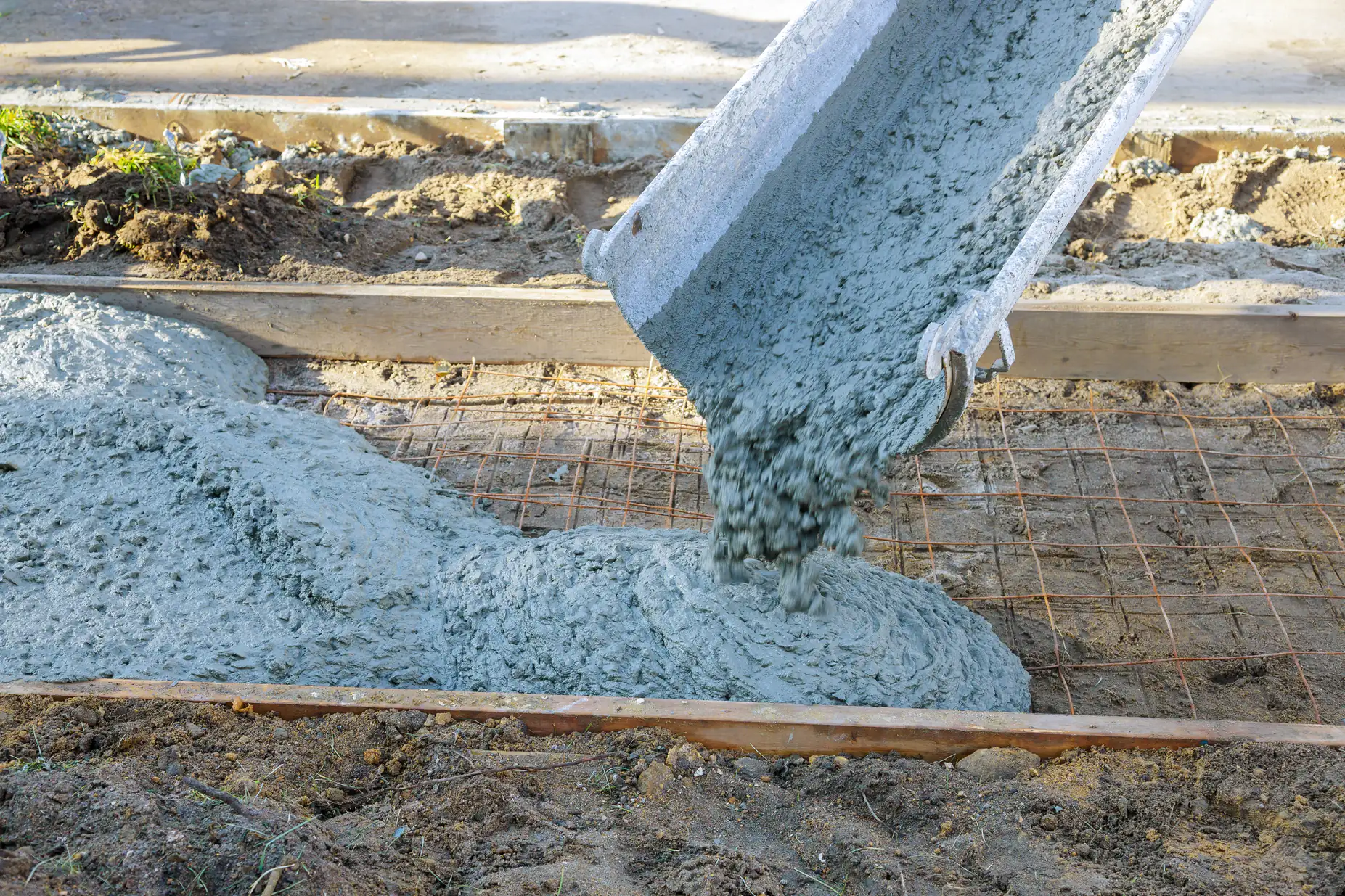
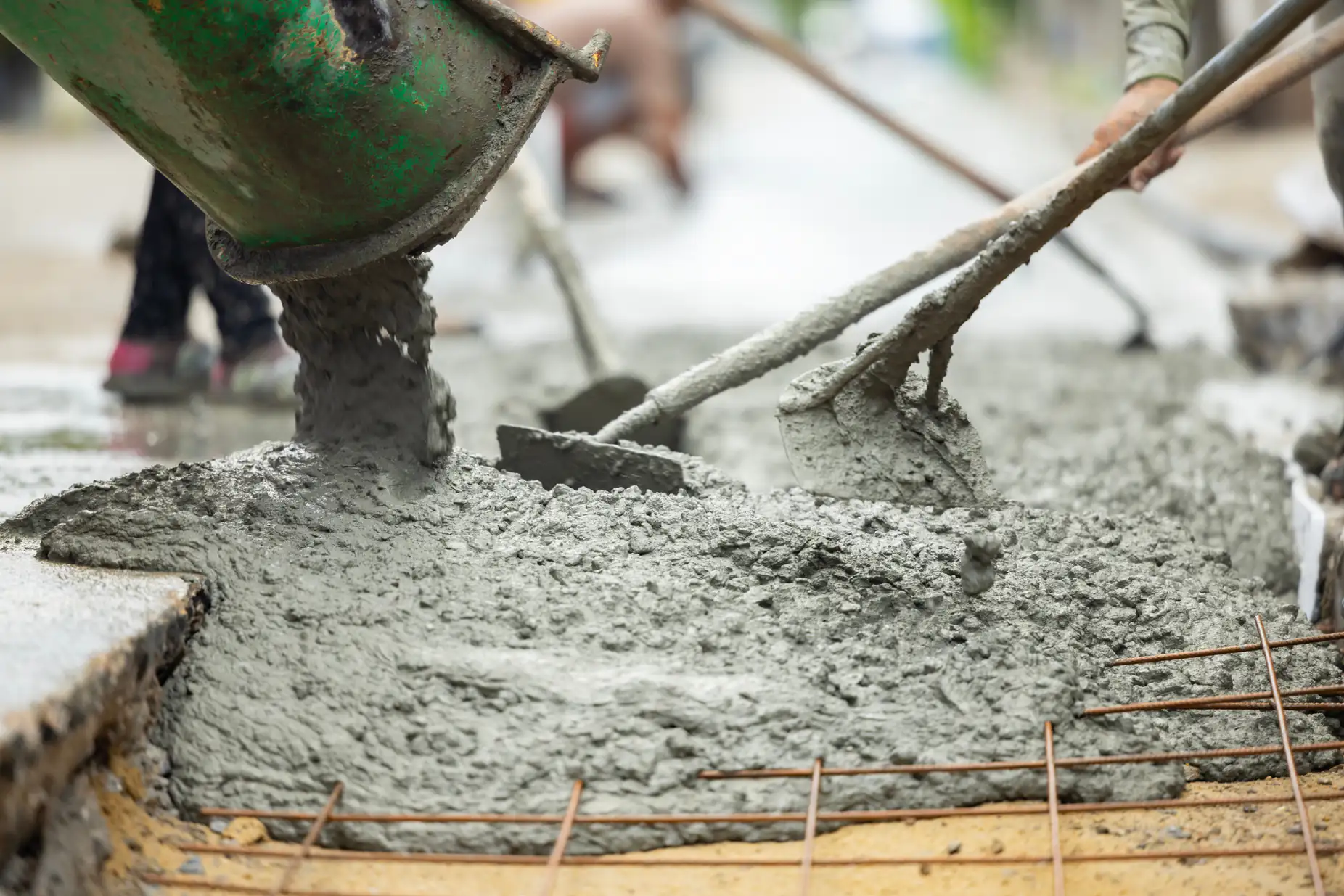
Then we form, reinforce, and pour. We use rebar or wire mesh reinforcement in a grid pattern to prevent cracking. The concrete is poured at proper thickness—usually 4 inches for residential driveways—and finished to your specifications. Curing takes about a week before you can drive on it.
Most residential projects take 2-3 days from start to finish once we begin. We coordinate timing to minimize disruption and arrange alternative parking when needed.

Ready to get started?
Standard concrete driveways in North Caldwell run $7-13 per square foot installed. For a typical 600-square-foot two-car driveway, that’s $4,200-7,800 depending on site conditions and finish options. This includes removal of existing pavement, proper base preparation, reinforced concrete, and standard broom finish.
Decorative options like stamped concrete patterns add $3-5 per square foot but can significantly boost curb appeal. Popular patterns in North Caldwell include slate, cobblestone, and brick designs that complement the area’s architectural styles.
We also handle concrete patios, walkways, and other flatwork using the same installation standards. Many homeowners coordinate driveway and patio work together since the equipment and crew are already on site. The base preparation and reinforcement methods are identical—proper compaction, adequate stone base, and Portland cement mixes designed for New Jersey’s climate.
Every project includes proper drainage evaluation and solutions. North Caldwell’s rainfall and terrain mean water management isn’t optional. We grade and slope correctly so water moves away from your foundation and doesn’t pool on the surface.
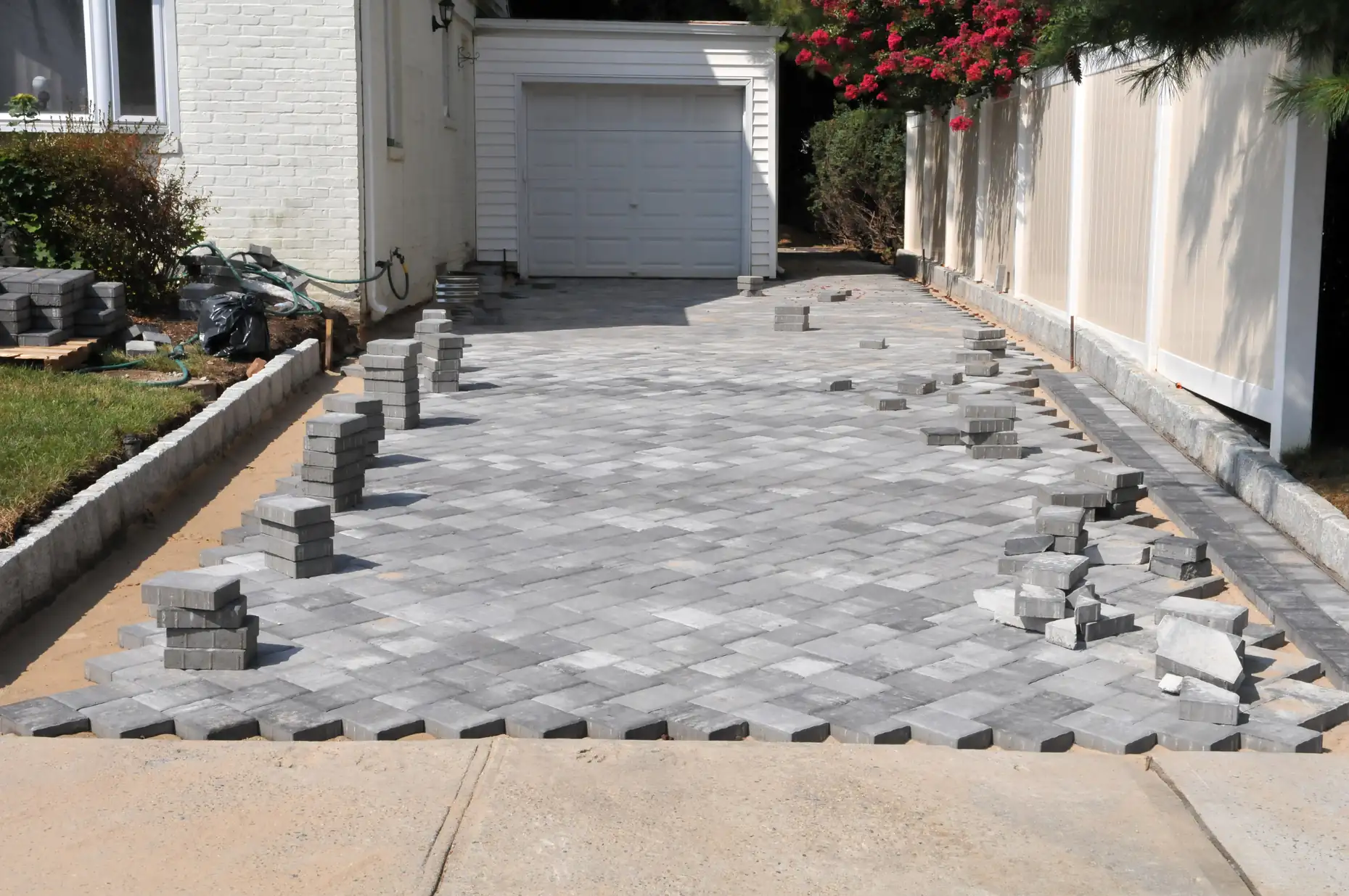
A properly installed concrete driveway in North Caldwell typically lasts 30-40 years. The key word is “properly.”
North Caldwell’s freeze-thaw cycles are the main enemy. When water infiltrates concrete and freezes, it expands and creates cracks. Those cracks let in more water, which causes more damage. The cycle repeats until you’re looking at replacement.
Proper installation prevents this. That means adequate base preparation with 4-6 inches of compacted stone, reinforcement with rebar or wire mesh, correct concrete thickness (4 inches minimum for residential), and proper curing time. It also means sealing the surface every 2-3 years to prevent water infiltration. Do it right from the start, maintain it minimally, and you’re looking at decades of use.
Concrete costs more upfront but lasts longer. Asphalt costs less initially but needs more maintenance. Both work in North Caldwell if installed correctly.
Concrete runs $7-13 per square foot installed versus $5-8 for asphalt. For that 600-square-foot driveway, you’re looking at $4,200-7,800 for concrete or $3,000-4,800 for asphalt. Concrete lasts 30-40 years with minimal maintenance. Asphalt lasts 20-30 years but needs sealcoating every 2-3 years.
North Caldwell’s winters are hard on both materials. Asphalt’s flexibility helps it handle ground movement from frost, but it deteriorates faster from UV exposure and oxidation. Concrete is rigid and can crack if the base isn’t prepared correctly, but it holds up better long-term once cured. Your choice depends on budget, aesthetic preferences, and how long you plan to stay in the home.
Late spring through early fall—roughly May through October in North Caldwell. Concrete needs temperatures above 50°F during pouring and curing to set properly.
Cold weather slows the curing process and can cause surface damage if temperatures drop below freezing before the concrete fully hardens. Hot weather above 85°F causes concrete to cure too quickly, which can lead to cracking. The sweet spot is 60-75°F with low humidity.
Summer is our busiest season because weather conditions are most predictable. If you’re planning a concrete driveway installation, reach out in early spring to get on the schedule for optimal weather windows. We can usually complete most residential projects in 2-3 days once we start, but scheduling fills up fast during peak season. Winter work is possible with special cold-weather mixes and curing blankets, but it adds cost and risk.
Minor repairs like crack sealing run $200-500. Resurfacing costs $3-5 per square foot. Full replacement is $7-13 per square foot. The decision depends on how much damage exists.
If you’ve got a few hairline cracks and the base is still solid, repairs make sense. Crack sealing and surface patching can extend life by several years for a fraction of replacement cost. But if you’re seeing widespread cracking, settling, or chunks breaking off, you’re likely looking at base failure. Repairs won’t fix that.
A good rule: if more than 25-30% of the surface is damaged, replacement usually makes more financial sense than ongoing repairs. In North Caldwell, we often see driveways that were installed without proper base preparation failing after 10-15 years. The concrete itself might look okay in spots, but the base has shifted or settled. At that point, you’re better off removing everything and starting fresh with proper compaction and drainage.
Yes, North Caldwell requires permits for driveway installation and replacement. Your contractor should handle this, but it’s worth confirming before work begins.
The permit process involves submitting site plans showing the driveway location, dimensions, and drainage details. North Caldwell’s building department reviews these to ensure compliance with setback requirements, drainage regulations, and zoning codes. The permit typically costs $50-150 depending on project scope.
Most reputable concrete contractors include permit acquisition in their services. We handle all paperwork, submit plans, and coordinate inspections as part of the project. This protects you legally and ensures the work meets municipal standards. If a contractor tells you a permit isn’t needed or suggests skipping it to save money, that’s a red flag. Unpermitted work can cause issues when you sell the property and may not be covered by insurance if problems arise.
Seal it every 2-3 years. Clean it regularly. Address cracks immediately. That’s the maintenance formula for 30+ year lifespan.
Sealing prevents water infiltration, which is critical in North Caldwell’s freeze-thaw climate. A quality concrete sealer costs $0.50-1.00 per square foot applied and takes a few hours to dry. This simple step prevents most of the damage that shortens driveway life.
Clean the surface a few times per year to remove oil, dirt, and deicing chemicals. A pressure washer works well, or just a stiff broom and hose. If you use deicing salt in winter, choose calcium chloride instead of rock salt—it’s less damaging to concrete. Small cracks should be filled as soon as you notice them. A $10 tube of concrete crack filler prevents a small crack from becoming a major problem. The maintenance is minimal compared to asphalt, which needs sealcoating every 2-3 years regardless of condition.