
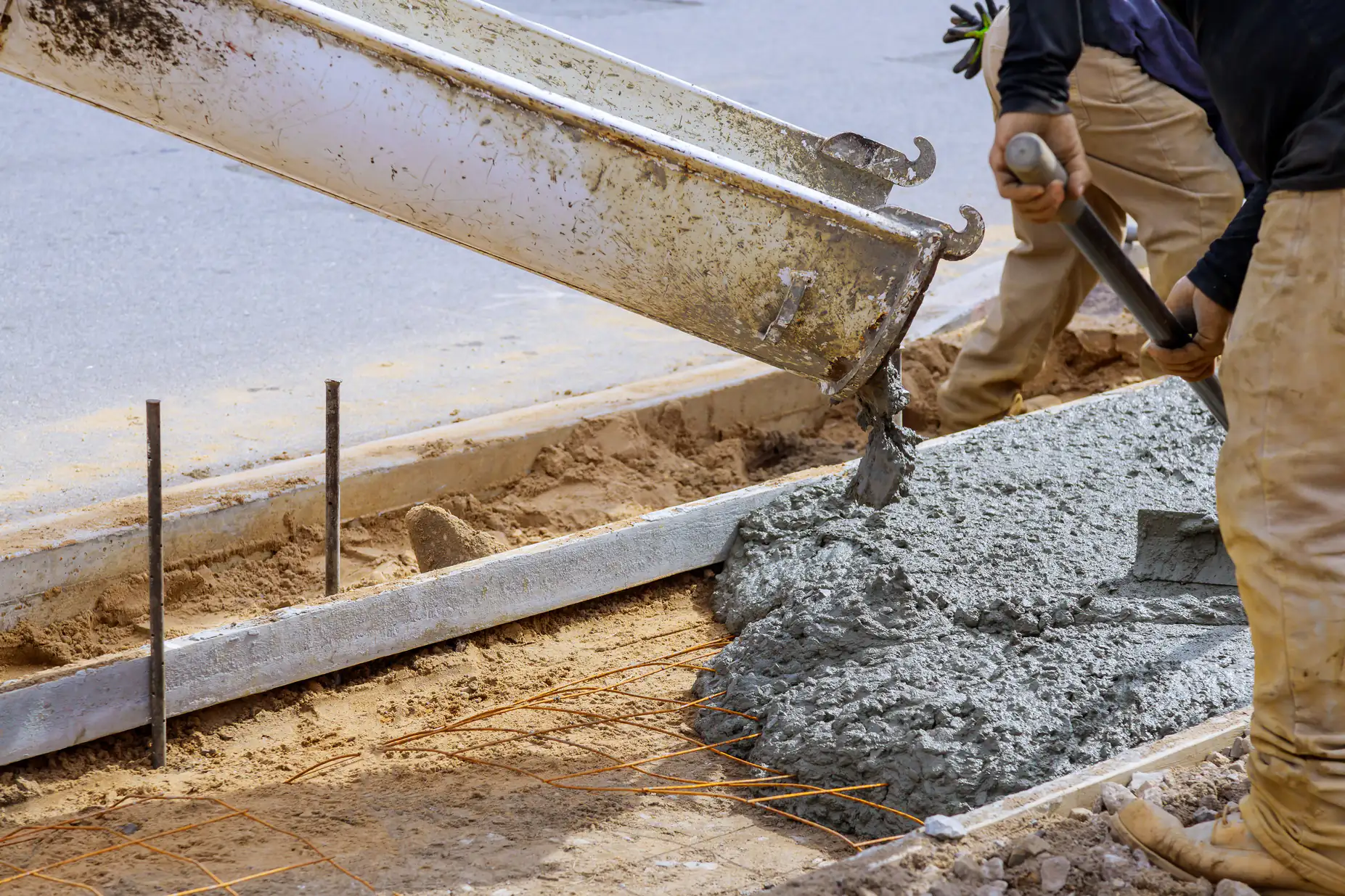
Hear from Our Customers
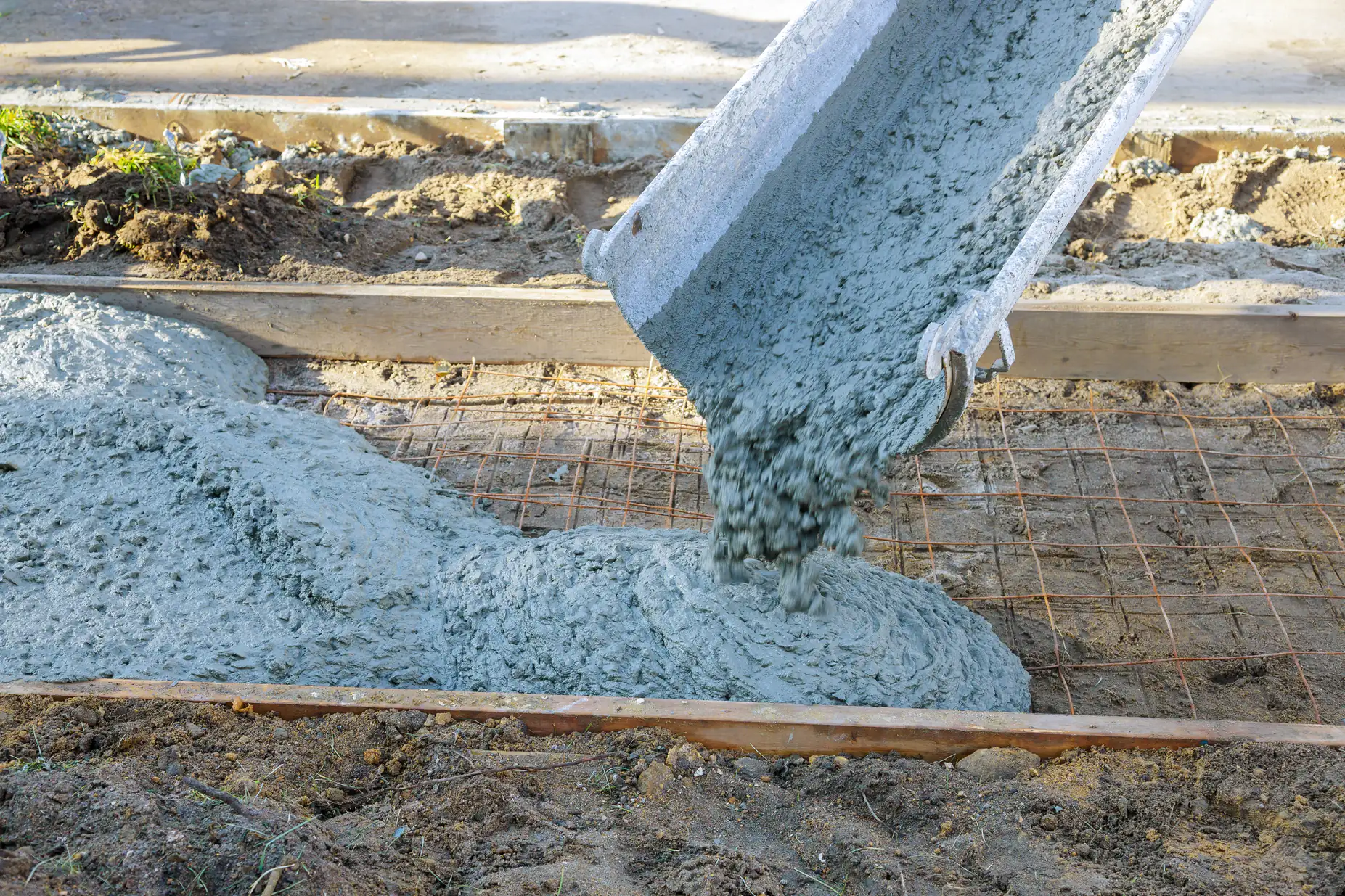
You stop worrying about water pooling near your foundation every spring. Your driveway handles 40+ freeze-thaw cycles without turning into a patchwork of cracks and temporary fixes.
The difference shows up in year three, when your neighbor’s driveway starts crumbling and yours still looks clean. It shows up again in year fifteen, when you’re not calling around for quotes on a full replacement.
Proper base preparation, the right concrete mix for New Jersey’s climate, and attention to drainage mean you’re done thinking about your driveway for the next two decades. That’s what changes when cement driveway contractors actually understand what Mountain Lakes properties need. No corner-cutting on compaction, no skipping the rebar, no hoping the base holds up.
We work across Morris, Sussex, and Somerset Counties because we understand what happens to concrete here. The freeze-thaw cycles, the drainage challenges that come with Mountain Lakes’ topography, the soil conditions that cause settling if the base isn’t done right.
We’ve handled enough driveway paving projects in this area to know which shortcuts cause problems three winters later. Our crews use 4,000 PSI concrete with air entrainment, install proper edge restraints, and grade for drainage before pouring. You get a detailed written estimate that breaks down every cost, and we’re available to answer questions throughout the job.
Mountain Lakes homeowners deal with specific challenges – from water flow patterns to township requirements. You need someone who’s done this before and knows how to handle it correctly the first time.
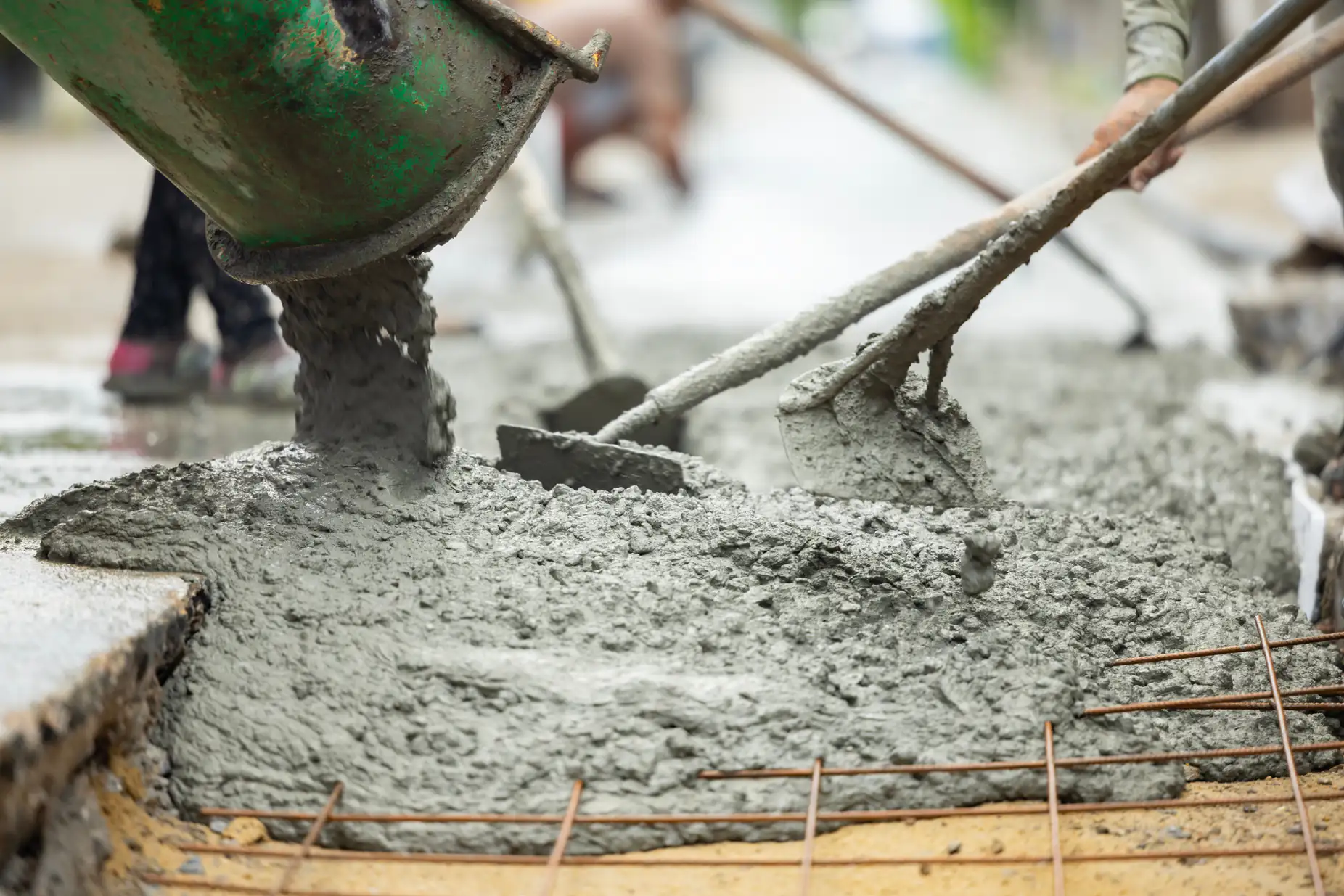
First, we remove your existing driveway and haul away all debris. You don’t deal with disposal or cleanup.
Then comes the part that determines whether your driveway lasts five years or twenty-five: base preparation. We excavate to proper depth, install and compact the base in layers, and grade for drainage that directs water away from your foundation. Edge restraints go in to prevent crumbling at the sides.
The concrete pour uses a Portland cement mix with rebar reinforcement and air entrainment for freeze-thaw resistance. We can add stamped patterns if you want decorative finishes that complement your landscaping. Proper curing time matters, so we’ll tell you exactly when you can drive on it.
The whole process typically takes three to five days depending on size and weather. We keep you informed at each stage and make sure you know what to expect next.

Ready to get started?
Every driveway installation includes complete removal and disposal of your old surface, proper excavation, base installation with compaction, drainage grading specific to your property’s slope and water flow, and edge restraints that prevent the sides from crumbling over time.
Mountain Lakes properties often need customized drainage solutions because of local topography. Water doesn’t flow the same way on every lot, and generic grading causes foundation problems down the line. We assess your specific property and grade accordingly.
You also get professional-grade materials designed for New Jersey winters – concrete with 5-7% air content to handle freeze-thaw cycles, rebar reinforcement for structural integrity, and proper PSI ratings that meet township requirements. If you’re considering decorative options, stamped concrete patterns are available and installed at the same time as the main pour.
The cost for a standard two-car driveway in Mountain Lakes typically runs between $6,000 and $12,000 depending on size, current condition, and any drainage work needed. That’s a 2-3% investment on a $350,000 home that protects your property value for the next 25-30 years.
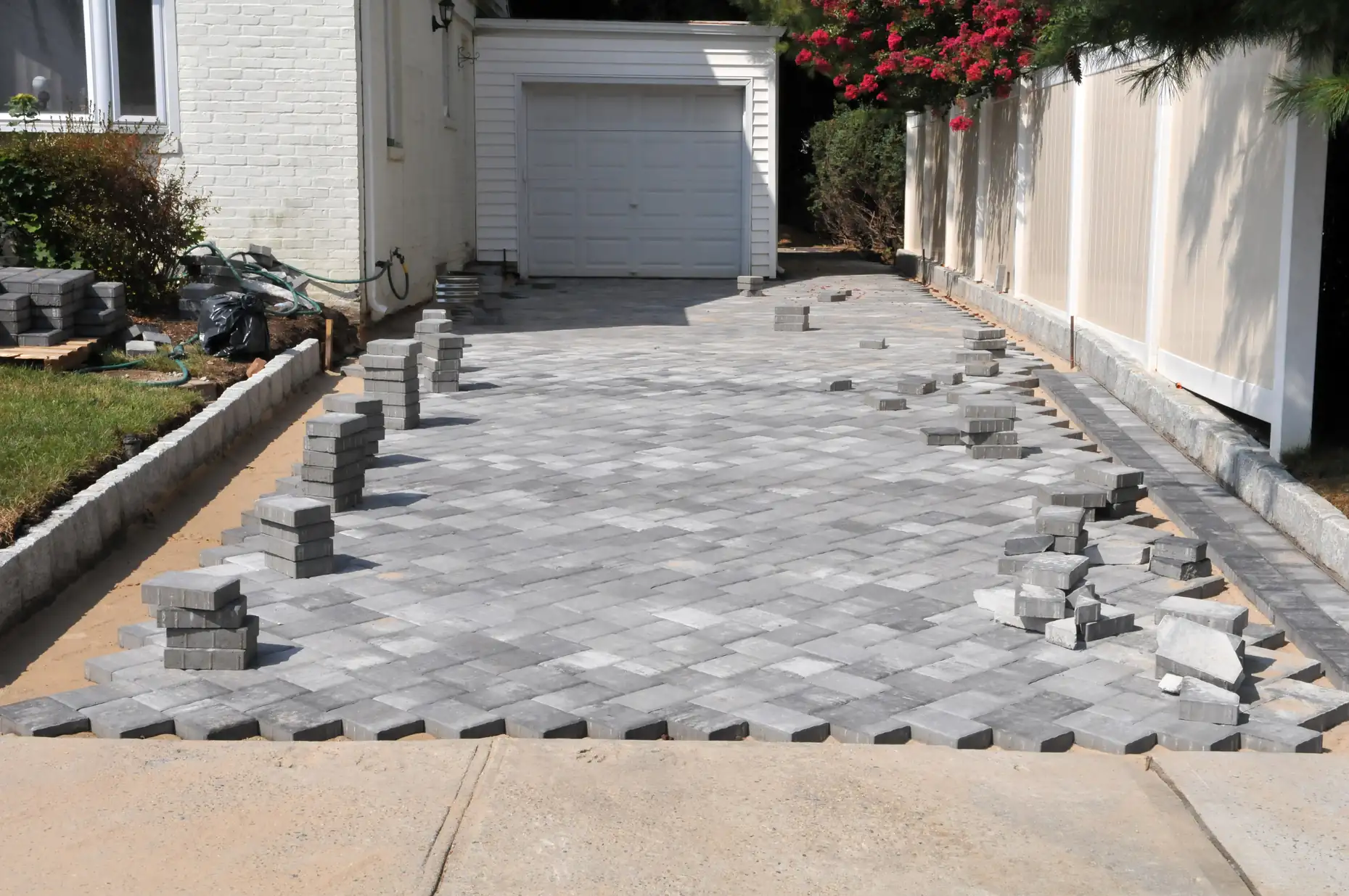
A properly installed concrete driveway should last 25-30 years in New Jersey if the base preparation and materials are done right. The driveways that fail early usually have problems with the base – inadequate compaction, poor drainage, or shortcuts during installation that cause settling and cracking within five years.
New Jersey’s freeze-thaw cycles are hard on concrete. Water gets into small cracks, freezes, expands, and makes those cracks bigger. Over one winter, a hairline crack can become a major problem. That’s why air entrainment in the concrete mix matters – it gives water somewhere to expand without breaking the concrete apart.
The base is just as important as the concrete itself. If the ground underneath isn’t properly compacted in layers, settling happens. Once settling starts, cracks follow. You can’t fix a bad base after the concrete is poured, which is why that step determines whether you get 25 years or need repairs in year three.
Concrete costs more upfront but lasts longer and needs less maintenance over its lifetime. Asphalt is cheaper initially but requires resealing every few years and typically needs replacement after 15-20 years. For Mountain Lakes homes, concrete often makes more sense because of the long-term value and curb appeal.
Concrete handles New Jersey winters differently than asphalt. It doesn’t soften in summer heat, doesn’t develop ruts from repeated parking in the same spot, and holds up better against salt and chemical deicers. The tradeoff is that concrete takes longer to install and costs about 30-40% more than asphalt for the same area.
If you’re planning to stay in your home long-term or preparing to sell, concrete typically adds more to property value. A clean, well-installed concrete driveway improves curb appeal more than asphalt, and buyers notice. The decision usually comes down to budget and how long you plan to own the property.
Proper drainage starts with grading the base so water flows away from your foundation and doesn’t pool on the driveway surface. Mountain Lakes properties have specific drainage challenges because of local topography, so generic solutions don’t work. The grading needs to account for your lot’s natural water flow and slope.
During installation, we create a slight crown or slope – usually about a quarter inch per foot – so water runs off to the sides instead of sitting on the surface. Water that sits eventually finds its way into the concrete through tiny pores, and when that water freezes, it causes damage from the inside out.
The other piece is making sure water that runs off your driveway goes somewhere useful – not toward your foundation or into areas where it causes erosion. Sometimes that means adding drainage solutions like French drains or adjusting the grading around the driveway edges. Every property is different, which is why we assess drainage before starting any driveway paving project.
Stamped concrete lets you get the look of brick, stone, or pavers while keeping the durability and lower maintenance of a solid concrete surface. The stamping happens during installation while the concrete is still workable, so it’s not something you can add later to an existing driveway.
Common patterns for Mountain Lakes homes include ashlar slate, cobblestone, and herringbone brick designs that complement traditional architecture. You can also add color to the concrete mix or apply color hardeners to the surface for a more custom look. The decorative finish doesn’t compromise durability if it’s done correctly during the pour.
The cost for stamped concrete runs about $3-5 more per square foot than plain gray concrete, but it significantly improves curb appeal. If you’re already replacing your driveway, adding the decorative finish during installation makes more sense than trying to dress up plain concrete later. Most homeowners who choose stamped concrete also coordinate the pattern and color with their walkways or concrete patio areas for a cohesive look.
Late spring through early fall gives you the most reliable weather for concrete installation. Concrete needs temperatures above 50°F for proper curing, and you want several days without heavy rain right after the pour. Summer is busy season, which sometimes means higher prices and longer wait times for scheduling.
Early spring or late fall can save you money if weather cooperates. Material costs are often lower, and contractors have more availability. The tradeoff is that weather becomes less predictable – a cold snap or heavy rain can delay the project or affect curing time.
If your driveway has significant cracking, settling, or drainage problems, don’t wait for the perfect season. Water damage gets worse with every freeze-thaw cycle, and foundation issues from poor drainage compound over time. Sometimes the best time to replace your driveway is as soon as you can schedule it, especially if you’re seeing water pooling near your foundation or large cracks that are getting bigger each winter.
A standard two-car driveway in Mountain Lakes typically costs between $6,000 and $12,000 depending on size, current condition, and drainage work needed. That breaks down to about $8-15 per square foot for basic gray concrete with proper base preparation and installation. Stamped concrete or decorative finishes add $3-5 per square foot.
The total cost depends on what your property needs. If there’s significant drainage work, extra excavation because of poor soil conditions, or township requirements for specific base depth, those factors increase the price. Properties with difficult access or steep slopes also cost more because of the extra labor and equipment needed.
You’re looking at a 2-3% investment on a $350,000 home that protects property value and eliminates driveway problems for 25-30 years. Compare that to repeated patching and repairs on a failing driveway – those costs add up quickly and you still end up needing full replacement eventually. The detailed written estimate we provide breaks down every cost upfront so you know exactly what you’re paying for and why.