
Hear from Our Customers
Your driveway stops being something you worry about. No more standing water pooling near your foundation after every storm. No more jagged cracks that make you wince every time someone pulls in.
A properly installed concrete driveway in Millington lasts 25 to 50 years when the base is compacted correctly and the mix includes proper rebar reinforcement. That’s double what you’d get from asphalt, with far less maintenance over time.
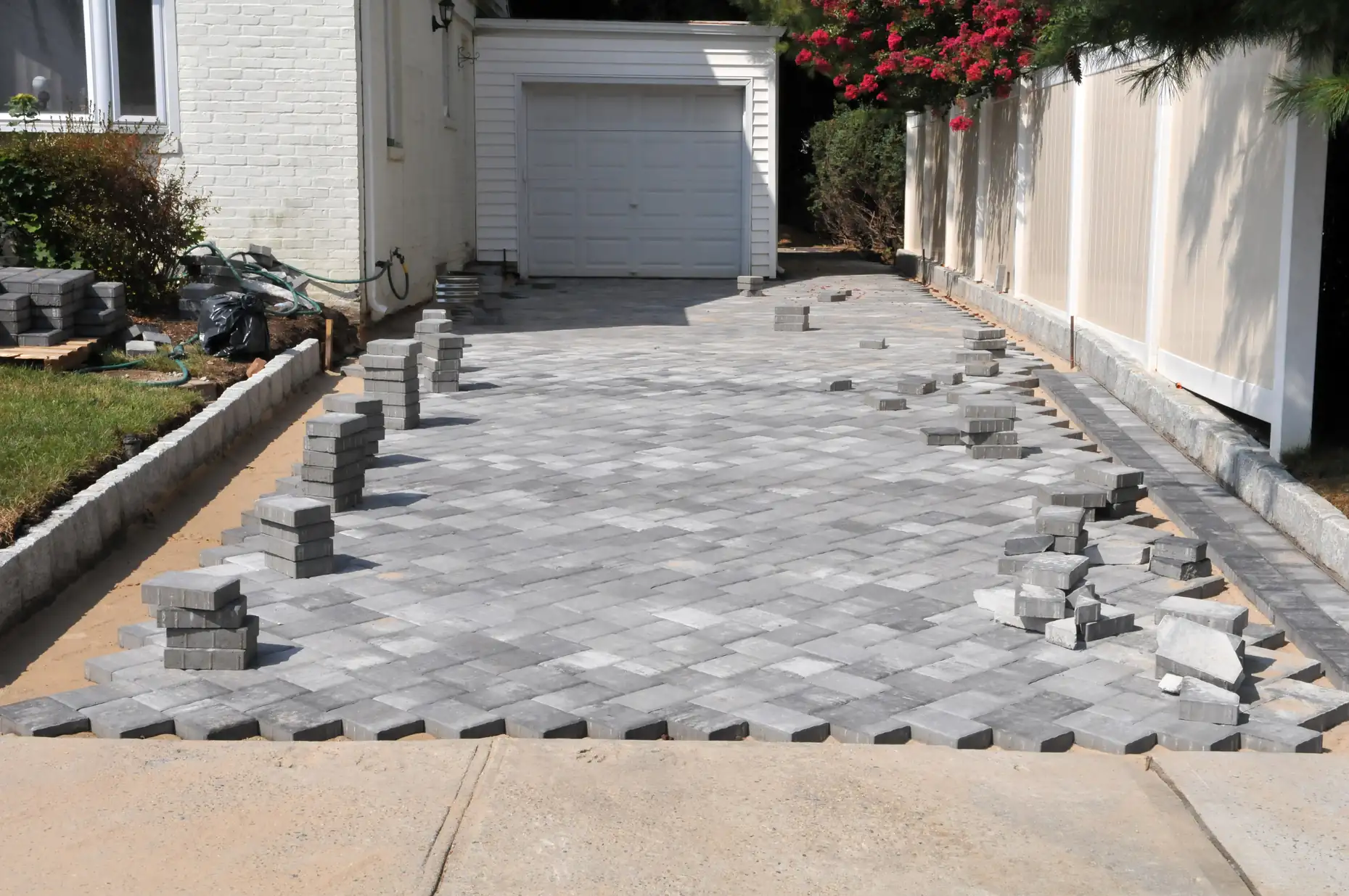
You also get options. Stamped concrete that looks like natural stone. Exposed aggregate that adds texture and grip. Plain gray that’s clean and classic. Whatever fits your home and your budget, without the decorative elements peeling off in five years because they weren’t installed with the right technique.
We’ve been working in Morris County for over 20 years. We’re a third-generation, family-owned company that handles residential and commercial paving across Millington, Long Valley, Stirling, and the surrounding area.
We’re not trying to be the cheapest option. We’re trying to be the last contractor you ever have to call for your driveway. That means using Portland cement mixes with rebar, not cutting corners on base prep, and actually pulling permits when your town requires them.
Millington sits in an area where soil settlement is a real issue. The clay-heavy ground here expands and contracts with moisture, which means your base layer matters more than most contractors want to admit. We compact it right the first time because we know what happens when you don’t.
First, we handle the permit if your town requires one. Many municipalities in Morris County do, and skipping that step creates problems down the road.
Next, we excavate and grade the area to ensure proper drainage. Water needs to move away from your foundation, not toward it. We compact the base using heavy rollers to hit the density needed for long-term stability—this is where most driveway failures start, so we don’t rush it.
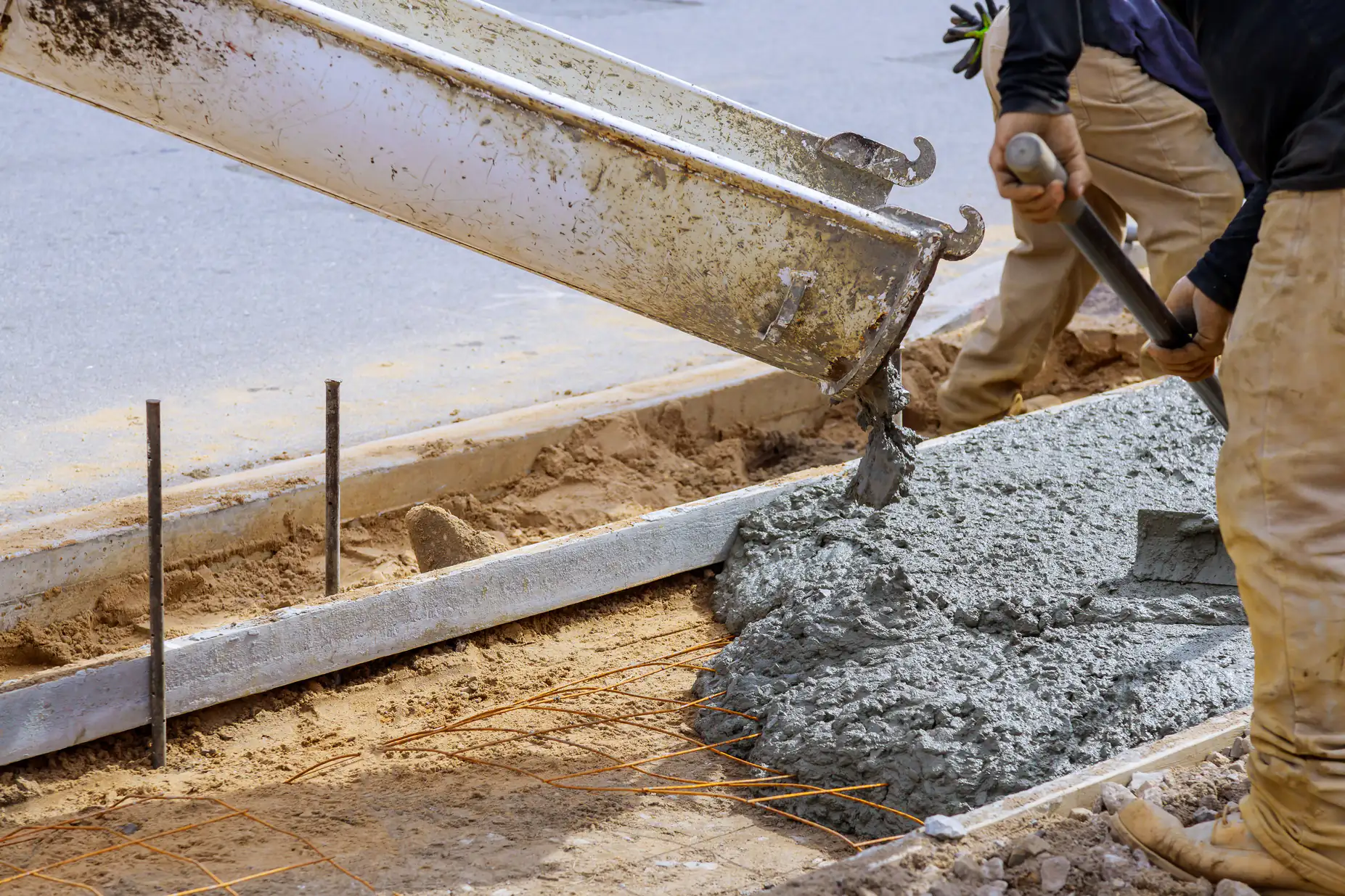
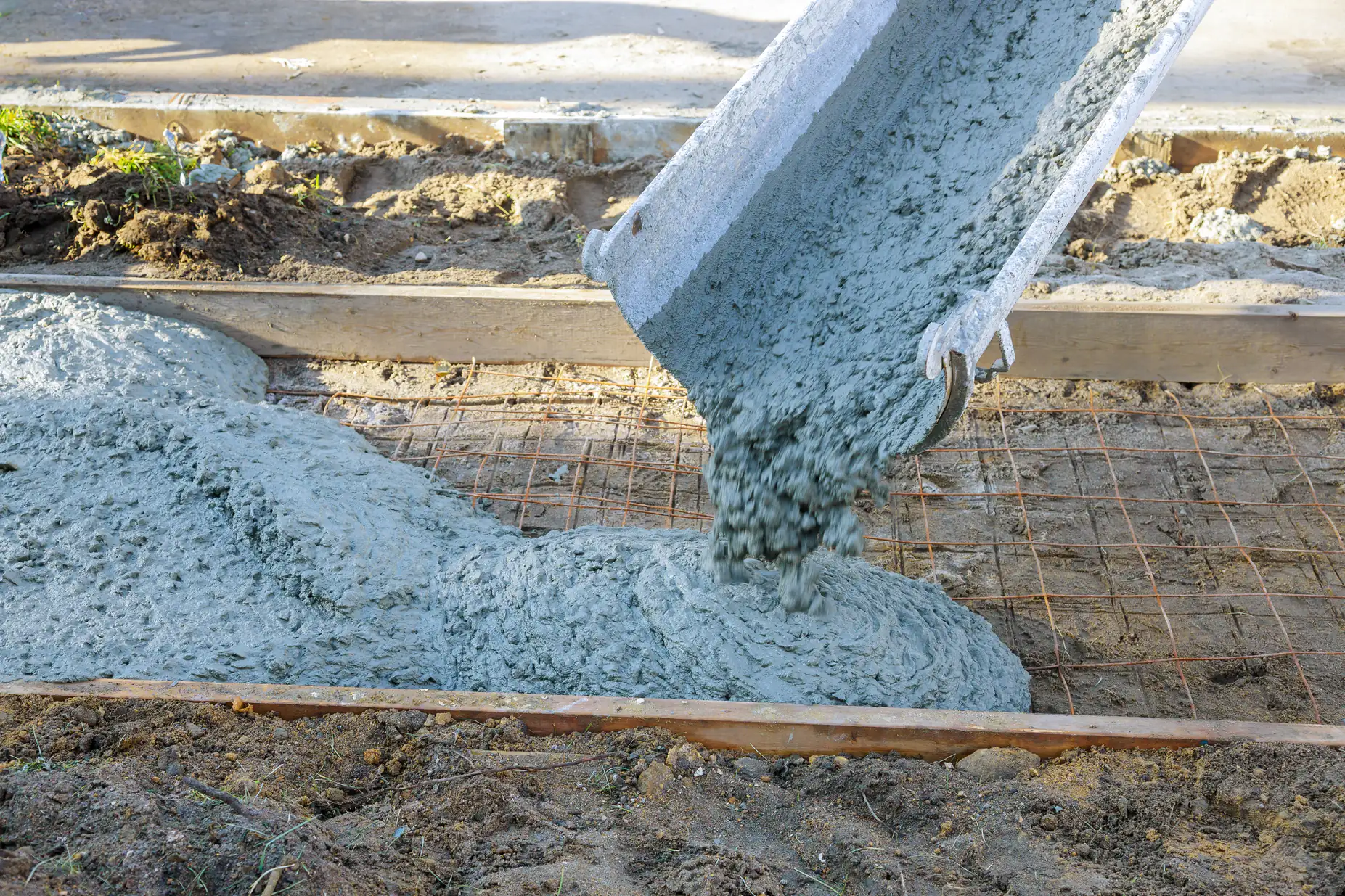
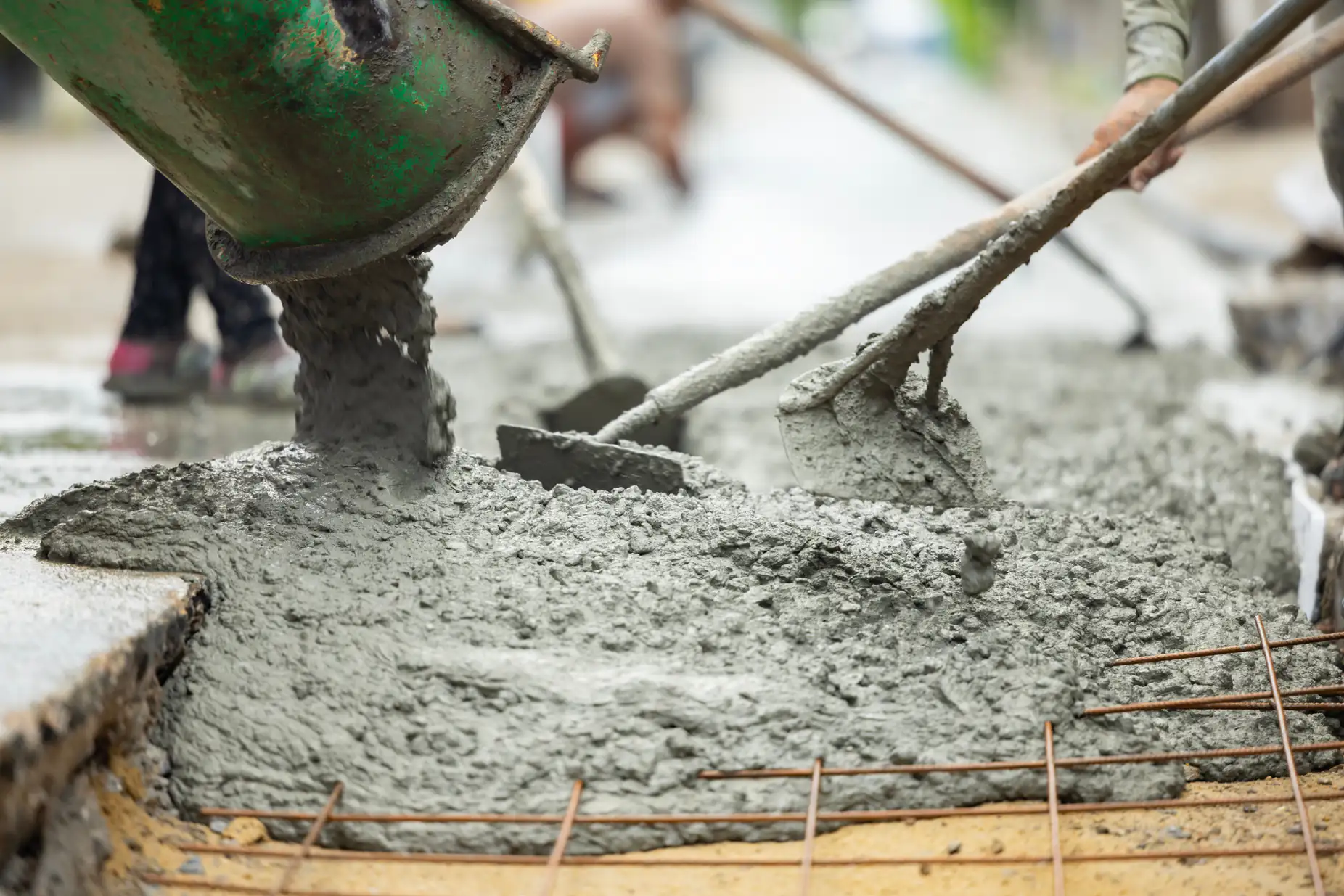
Then we set forms and install rebar reinforcement before pouring the concrete at a minimum of four inches thick. For heavier vehicle traffic, we go thicker. The concrete cures for 24 to 48 hours before you can walk on it, and we recommend waiting at least seven days before driving on it.
Most projects take three to five days from start to finish, depending on size and weather. We give you a clear timeline upfront and stick to it.

Ready to get started?
Concrete driveway installation in Millington typically runs $7 to $12 per square foot, depending on the finish you choose and the site conditions. Plain gray concrete sits at the lower end. Stamped or stained finishes cost more because they require additional labor and materials.
A standard two-car driveway is around 400 to 576 square feet, which puts most projects between $2,800 and $6,900. If your property has access issues or needs significant grading work, that affects the price. We give you a detailed written estimate that breaks down every cost before we start.
You’re also getting a driveway engineered for New Jersey freeze-thaw cycles. That means proper drainage, the right concrete mix for our climate, and a surface that resists damage from deicing salt. Morris County winters are tough on pavement, and we build for that reality.
We also offer concrete patio installation, walkways, and other flatwork if you’re looking to tie everything together visually. Same standards, same process.
A properly installed concrete driveway in New Jersey lasts 25 to 50 years. That’s significantly longer than asphalt, which typically needs replacement after 15 to 20 years.
The key word is “properly installed.” If the base isn’t compacted correctly or the concrete mix isn’t right for our climate, you’ll see problems much sooner. New Jersey soil—especially in Morris County—has a lot of clay that expands and contracts with moisture. That movement cracks concrete from below if the base isn’t stable.
We use a minimum four-inch thickness with rebar reinforcement and a high-grade Portland cement mix. The concrete itself has a PSI range between 3,600 and 6,500, which gives it the strength to handle freeze-thaw cycles without breaking apart. You’ll still need to seal it every few years and avoid using rock salt in winter, but the structure itself should outlast your mortgage.
Concrete costs more upfront but lasts longer and requires less maintenance. Asphalt is cheaper initially but needs resealing every few years and typically requires replacement sooner.
Concrete driveways last 25 to 50 years with minimal upkeep. Asphalt lasts 10 to 20 years and needs regular maintenance to prevent cracking and deterioration. If you’re planning to stay in your home long-term, concrete usually makes more financial sense.
Concrete also gives you more design options. You can do stamped patterns, stained colors, or exposed aggregate finishes. Asphalt is black, and that’s about it. On the downside, concrete takes longer to install and cure—you’re looking at a week before you can drive on it, versus a day or two for asphalt. It also shows oil stains more easily, though sealing helps with that.
Most towns in Morris County require permits for driveway work, and Millington is no exception. The permit ensures the work meets local codes for drainage, setbacks, and construction standards.
Skipping the permit might seem like a shortcut, but it creates problems if you ever sell your home. Unpermitted work shows up during inspections and can delay or kill a sale. It also means you have no official record that the work was done to code, which matters if something goes wrong.
We handle the permit process as part of the project. It adds a little time to the schedule but not much, and it’s worth doing right. The permit also ensures your driveway meets township requirements for stormwater management, which is increasingly important as towns crack down on runoff issues.
Concrete driveway installation in Millington typically costs $7 to $12 per square foot. A standard two-car driveway runs between $2,800 and $6,900, depending on size and finish.
Plain gray concrete sits at the lower end of that range—around $5 to $8 per square foot. Decorative finishes like stamped concrete or exposed aggregate cost more, usually $10 to $14 per square foot, because they require additional labor and materials.
Site conditions also affect price. If your property has poor drainage, limited access, or needs significant excavation, that adds to the cost. We provide a detailed written estimate before starting so there are no surprises. The estimate includes everything: excavation, base prep, materials, labor, and cleanup. We don’t tack on hidden fees halfway through the job.
It depends on the extent of the damage. Small cracks and surface spalling can often be repaired. Large cracks, widespread settling, or structural failure usually means replacement makes more sense.
If the cracks are less than a quarter-inch wide and the surface is still level, we can fill and seal them to prevent water infiltration. If the driveway has settled unevenly or has cracks wider than half an inch, repair becomes a temporary fix that won’t last. You’re better off replacing it and addressing the underlying base issues.
New Jersey freeze-thaw cycles are brutal on damaged concrete. Water gets into cracks, freezes, expands, and makes the damage worse every winter. A repair might buy you a year or two, but if the base has failed, you’re just delaying the inevitable. We’ll give you an honest assessment of whether repair or replacement makes more sense for your situation and budget.
Seal your driveway every two to three years and avoid using rock salt for deicing. Those two steps prevent most of the damage that shortens concrete lifespan in New Jersey.
Sealing protects the surface from water infiltration and chemical damage. Water is the enemy—it seeps into tiny cracks, freezes, expands, and breaks the concrete apart from the inside. A good sealer keeps water out and extends the life of your driveway significantly.
Rock salt accelerates surface deterioration through a process called spalling, where the top layer flakes off. Use sand or calcium chloride-based deicers instead. Also, fix small cracks as soon as you notice them. A hairline crack this year becomes a major problem next year if water gets in and freezes. Clean oil stains promptly and avoid parking heavy equipment or dumpsters on the driveway for extended periods. Concrete is strong, but it’s not indestructible.