
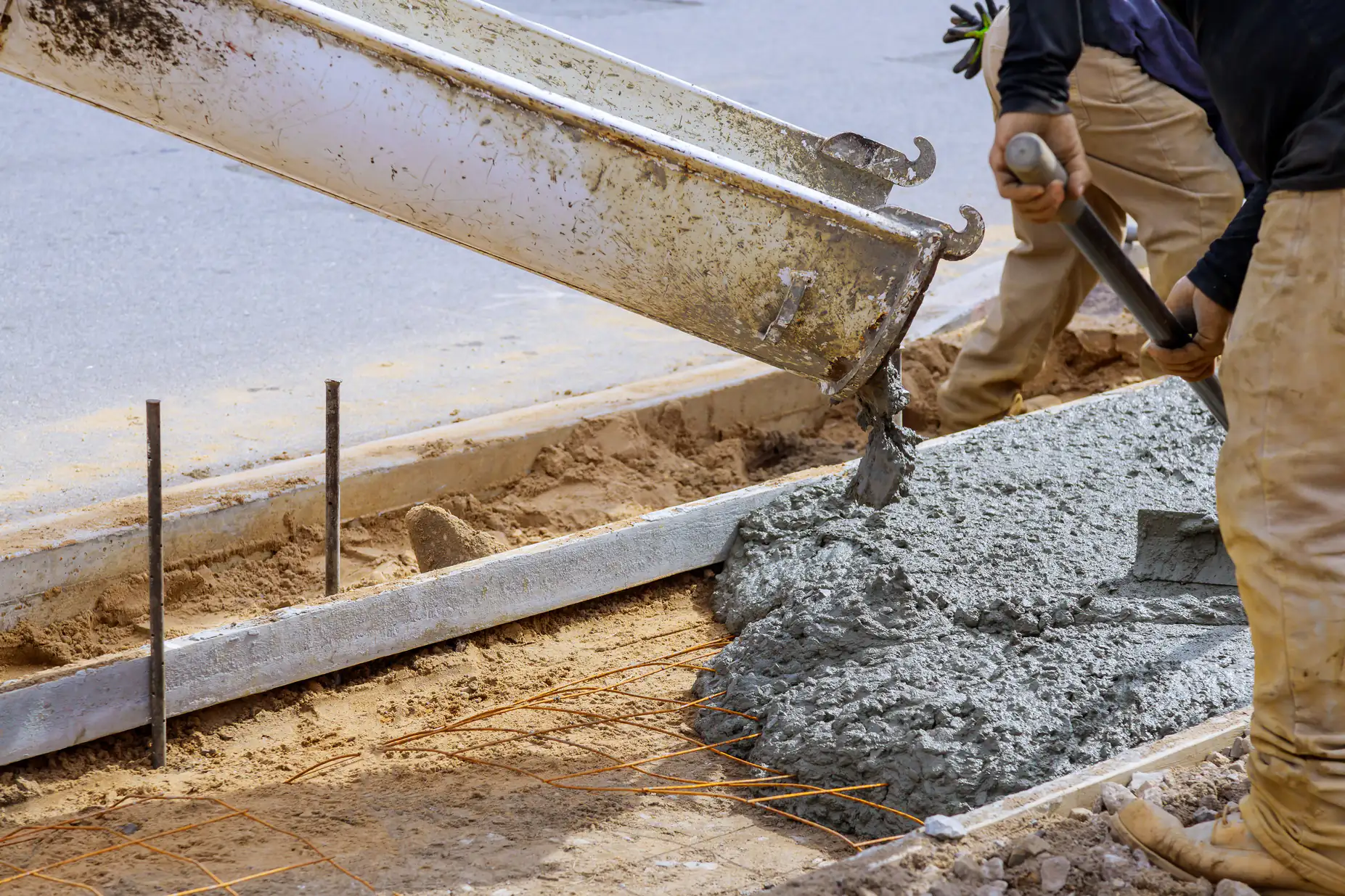
Hear from Our Customers
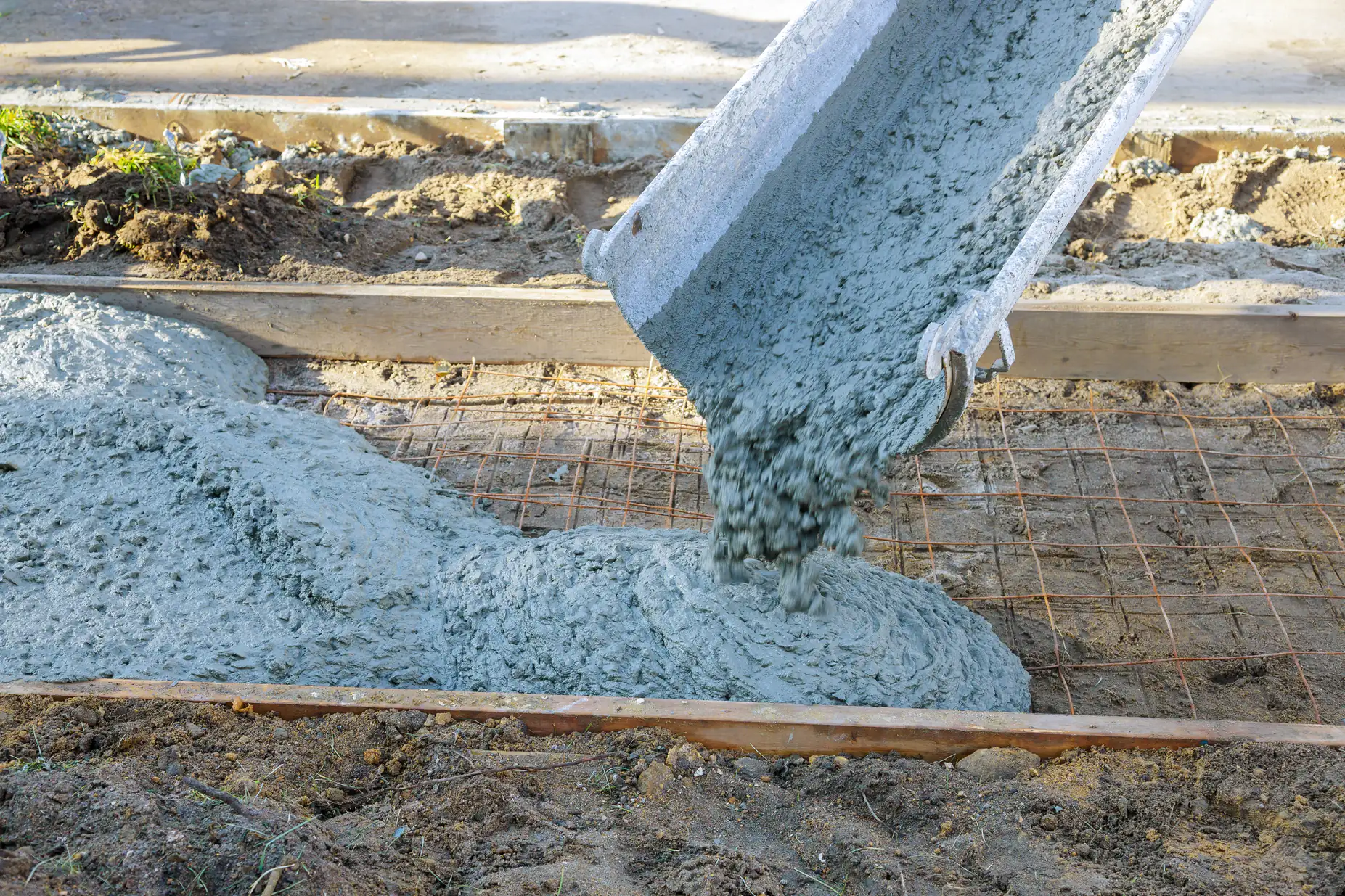
Your driveway should handle New Jersey winters without cracking apart by spring. It should drain water away from your foundation, not pool it near your garage. And it shouldn’t need constant patching or resealing every few years just to stay functional.
That’s what you get with properly installed concrete. A 4,000 to 6,500 psi mix with rebar reinforcement, poured over a compacted gravel base that won’t shift or settle. The kind of work that holds up to freeze-thaw cycles, heavy vehicles, and decades of use.
Most concrete driveways in Martinsville last 30 years or more when installed correctly. Compare that to asphalt, which needs resealing every 3-5 years and starts showing wear much sooner. Concrete costs more upfront—usually $7 to $12 per square foot around here—but you’re not paying for maintenance every few years. You’re done.
We work throughout Morris, Sussex, and Somerset County. We know how soil conditions shift across different neighborhoods in Martinsville, where drainage tends to be an issue, and what actually holds up after a hard winter.
We’re not learning on your property. We’ve seen what works here and what fails after the first freeze. That’s why we handle everything—permits, utility coordination, site prep, and cleanup—so there’s no confusion about who’s responsible for what.
You’ll get a written estimate that breaks down every cost. No surprises halfway through when we “discover” something that requires more money. If your driveway needs work, we’ll tell you whether repair makes sense or if replacement is the smarter long-term move.
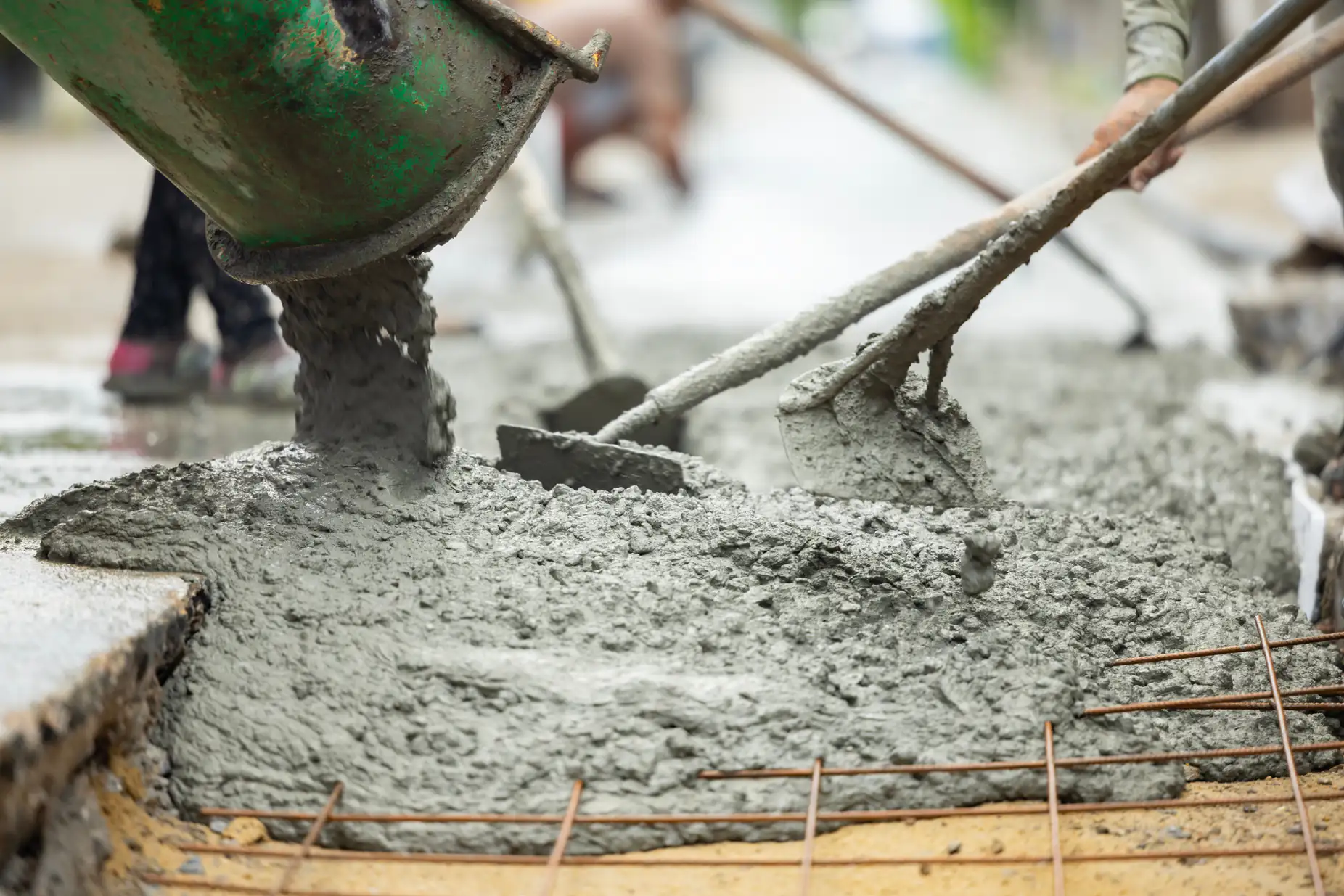
First, we assess your existing driveway and drainage. If water’s pooling now, it’ll get worse with a new pour unless we fix the grade. We’ll also check your base—if it’s not stable, the concrete will crack no matter how good the mix is.
Next, we remove the old surface if needed and excavate down to stable soil. Then we install a compacted gravel base, usually 4-6 inches depending on your soil and expected load. This is where most cheap jobs cut corners. A weak base means cracks within a year or two.
We set forms, install rebar or wire mesh for reinforcement, and pour a Portland cement mix at the right psi for your needs. Residential driveways typically use 4,000 psi, but if you’re parking heavier vehicles, we’ll go higher. We finish the surface, add control joints to manage cracking, and let it cure properly—no shortcuts.
Most driveways take 2-3 days from start to finish. You can walk on it after 24-48 hours, but we recommend waiting a full week before driving on it. After that, it’s ready for decades of use.

Ready to get started?
Concrete costs more upfront than asphalt—around $7-12 per square foot in Martinsville compared to $3-7 for asphalt. For a standard two-car driveway (about 600 square feet), you’re looking at $4,200 to $7,200 for concrete versus $1,800 to $4,200 for asphalt.
But asphalt needs resealing every 3-5 years at $300-600 per application. It also shows wear faster, develops soft spots in summer heat, and typically needs replacement after 15-20 years. Concrete lasts 30+ years with minimal maintenance—occasional cleaning and resealing every 5-10 years if you want to protect the surface.
Concrete also gives you more design options. Plain gray is the most affordable, but you can add color, stamped patterns, or exposed aggregate for a custom look. Decorative concrete runs $8-18 per square foot depending on complexity. It’s not just about curb appeal—it’s about creating a driveway that fits your property and holds its value.
Somerset County properties have a median value around $523,900. A quality concrete driveway is an investment that matches that. It improves function, appearance, and resale value without requiring constant upkeep.
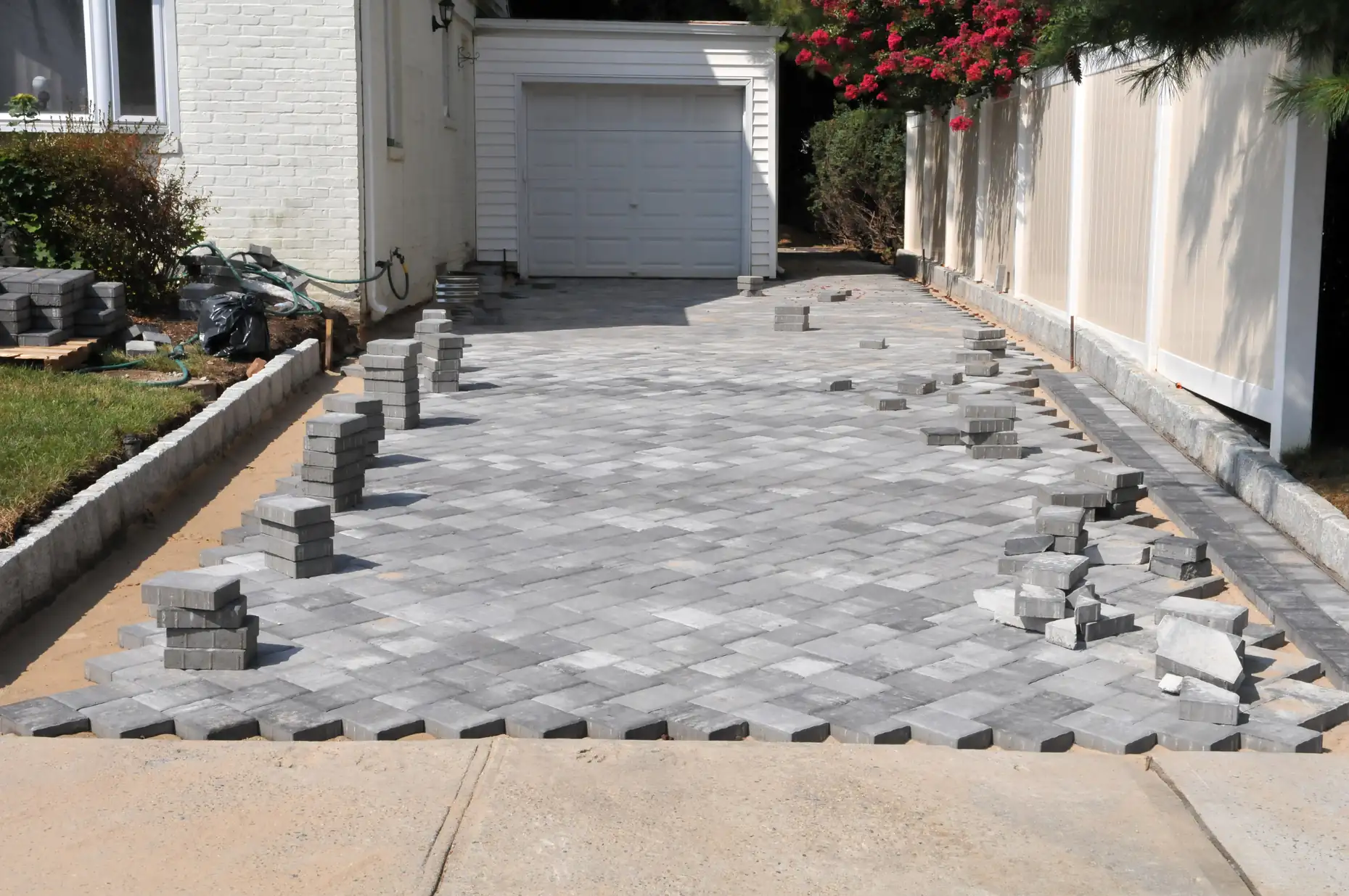
A properly installed concrete driveway in New Jersey lasts 30 to 40 years, sometimes longer. The key factors are base preparation, concrete strength, reinforcement, and drainage.
New Jersey’s freeze-thaw cycles are hard on driveways. Water seeps into small cracks, freezes, expands, and makes those cracks bigger. That’s why we use 4,000 to 6,500 psi concrete with rebar or wire mesh reinforcement—it resists cracking under stress. We also install control joints, which are planned weak points that let the concrete crack in straight lines you can’t see, rather than random spiderweb patterns across the surface.
The base matters just as much. If your soil shifts or the gravel base isn’t compacted correctly, the concrete will crack no matter how strong the mix is. We excavate to stable soil and install a 4-6 inch compacted gravel base that won’t settle over time. Proper drainage keeps water from undermining that base, which is why we grade everything to move water away from the driveway and your foundation.
It depends on your budget, how long you plan to stay in your home, and how much maintenance you want to deal with. Concrete costs more upfront but requires almost no maintenance and lasts decades. Asphalt is cheaper initially but needs resealing every few years and wears out faster.
Asphalt costs $3-7 per square foot in Martinsville. It’s ready to use in 24-48 hours and handles freeze-thaw cycles reasonably well. But it softens in summer heat, can develop ruts from heavy vehicles, and needs resealing every 3-5 years to prevent cracking and deterioration. Most asphalt driveways need replacement after 15-20 years.
Concrete costs $7-12 per square foot and takes a week to fully cure before you can drive on it. But once it’s cured, it’s done. No resealing every few years. No soft spots in summer. No ruts from parking in the same spot. Just occasional cleaning and maybe a sealer every 5-10 years if you want extra protection. It lasts 30+ years with minimal effort.
If you’re planning to stay in your home long-term and want to stop thinking about driveway maintenance, concrete makes sense. If you need the lowest upfront cost and don’t mind ongoing maintenance, asphalt works.
Most concrete driveways in Martinsville cost between $4,200 and $7,200 for a standard two-car driveway (around 600 square feet). That’s based on $7-12 per square foot, which is typical for this area. Plain gray concrete sits at the lower end. Decorative options like stamped patterns or color run $8-18 per square foot.
Your final cost depends on several factors. If we need to remove an old driveway, that adds to the price. If your property has drainage issues or unstable soil, we’ll need to address those before pouring concrete. Thicker concrete or higher psi mixes for heavy vehicles cost more. And if you want decorative finishes, that increases labor and material costs.
We give you a written estimate that breaks down every cost before we start. No hidden fees for “unexpected” issues we should have caught during the initial assessment. If your project needs extra work—better drainage, more excavation, a stronger base—we’ll tell you upfront so you can decide whether to move forward.
The goal is a driveway that lasts 30+ years without constant repairs. That’s worth paying for quality installation rather than going with the cheapest quote and dealing with problems two years later.
It depends on your specific property and what work you’re doing. Some towns in Somerset County require permits for new driveway installation or significant changes to existing driveways, especially if you’re altering drainage patterns or expanding the paved area. Other towns don’t require permits for simple replacements.
Martinsville falls under multiple municipal jurisdictions, so requirements vary by your exact location. We handle permit research and applications as part of our service. We’ll check with your local building department, submit the necessary paperwork, and make sure everything’s compliant before we start work.
If utilities run under or near your driveway, we’ll also coordinate with utility companies to mark lines before excavation. This is required by law in New Jersey and prevents costly damage to electric, gas, water, or sewer lines.
Skipping permits when they’re required can cause problems later—especially if you sell your home and the buyer’s inspector flags unpermitted work. It’s not worth the risk. We make sure everything’s done correctly from the start so you don’t have compliance issues down the road.
Drainage is the most important part of driveway installation. Poor drainage destroys driveways faster than anything else. Water that pools on the surface seeps into cracks, freezes, expands, and breaks the concrete apart. Water that sits under the driveway softens the base and causes settling.
We grade your driveway with a minimum 2% slope so water runs off the surface instead of pooling. That slope directs water away from your house and garage—never toward your foundation. If your property has natural drainage issues, we’ll install additional solutions like French drains, catch basins, or channel drains to move water where it needs to go.
The base also plays a role. We install a 4-6 inch compacted gravel base that allows water to percolate through rather than sitting under the concrete. This prevents the freeze-thaw damage that happens when water gets trapped between the concrete and the soil.
We assess drainage during the initial site visit. If your current driveway has standing water, ice patches that won’t melt, or cracks near the garage, those are signs of drainage problems we’ll need to fix. Ignoring drainage and just pouring new concrete over the same problem doesn’t solve anything—it just delays the inevitable.
Yes, but only under the right conditions. Concrete can be poured in winter as long as temperatures stay above freezing during installation and for several days afterward while it cures. If it’s too cold, the concrete won’t cure properly and you’ll end up with a weak surface that cracks prematurely.
We don’t pour concrete if temperatures are below 40°F or if there’s a hard freeze expected within the first week after installation. Concrete needs time to reach sufficient strength before freezing temperatures hit it. In winter, that means using cold-weather concrete mixes, insulated blankets, or heated enclosures to protect the pour while it cures.
Most concrete driveway work in New Jersey happens between late spring and early fall when temperatures are consistently above 50°F. The concrete cures faster, we don’t need special cold-weather precautions, and there’s less risk of weather delays.
If you need driveway work done in winter, we’ll assess current conditions and give you an honest answer about whether it makes sense to proceed or wait. Rushing a pour in bad conditions just to get it done faster isn’t worth the risk of ending up with a driveway that fails in a few years.