
Hear from Our Customers
A concrete driveway that’s installed right doesn’t crack after two winters. It doesn’t pool water near your garage or develop that spiderweb pattern of surface damage you see on half the driveways in Morris County.
What it does do is last 25 to 30 years without major repairs. It handles the freeze-thaw cycles that come every January and February without crumbling. It gives you a smooth, stable surface that doesn’t need patching every spring or resealing every other year like asphalt does.
You get a driveway that actually protects your property value instead of dragging it down. One that doesn’t embarrass you when guests pull up. One that you don’t think about until someone compliments it.
That’s what proper installation gets you. Not just concrete poured over dirt, but a system designed for Lake Mohawk’s climate, soil conditions, and the kind of weather that tests every shortcut a contractor might take.
We’ve been installing driveways in Lake Mohawk and throughout Morris County for over 20 years. Platinum Paving is a third-generation, family-owned company, which means we’ve seen what works and what fails when New Jersey weather gets involved.
We’re not the cheapest option, and that’s intentional. The contractors who underbid us are the same ones who skip proper base preparation, use inadequate concrete mixes, or disappear when warranty issues come up. We’ve repaired enough of those jobs to know exactly where they cut corners.
Our crews are certified, our equipment is commercial-grade, and we’re fully licensed and insured with the Home Improvement Contractor credentials New Jersey requires. We also offer a 5-year warranty on every installation because we know our work holds up.
First, we assess your property. That means looking at drainage patterns, existing soil conditions, and how your driveway connects to the street and garage. We’re checking for issues that will cause problems later if they’re not addressed now.
Next comes excavation and base preparation. We remove old material, grade for proper drainage, and compact the base using heavy rollers. This step determines whether your driveway lasts 5 years or 25. Most failures happen because the base wasn’t compacted correctly.
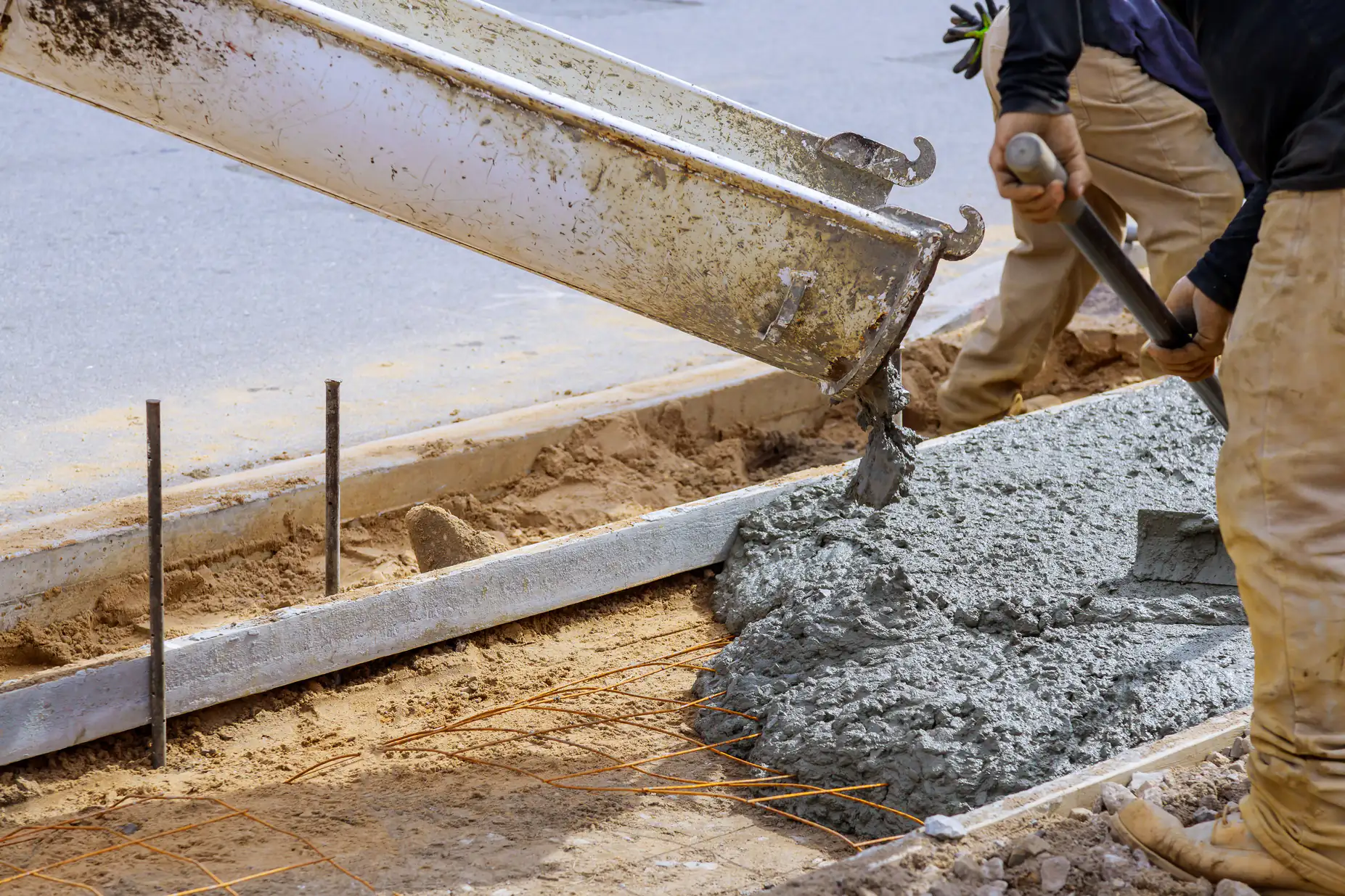
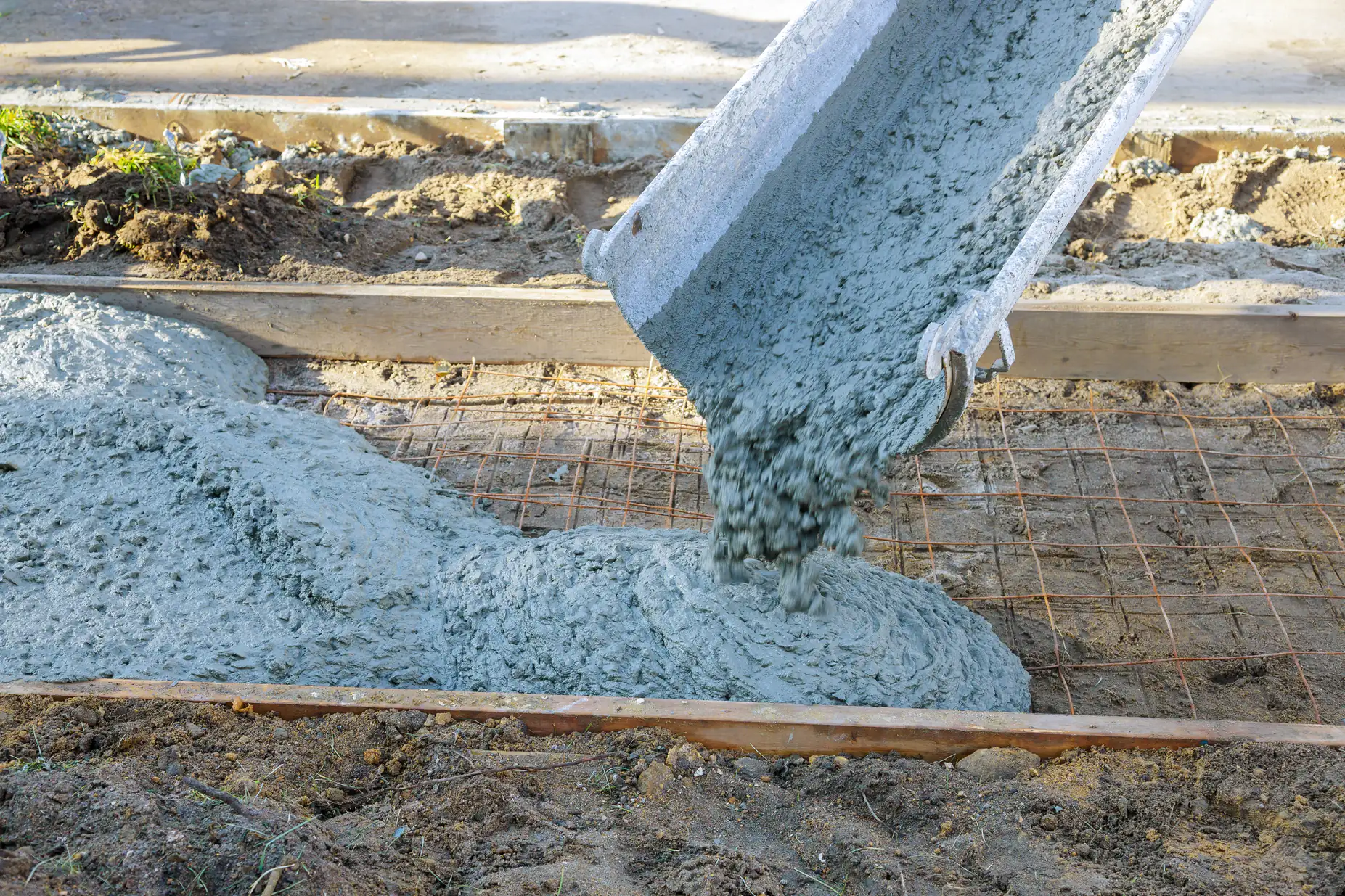
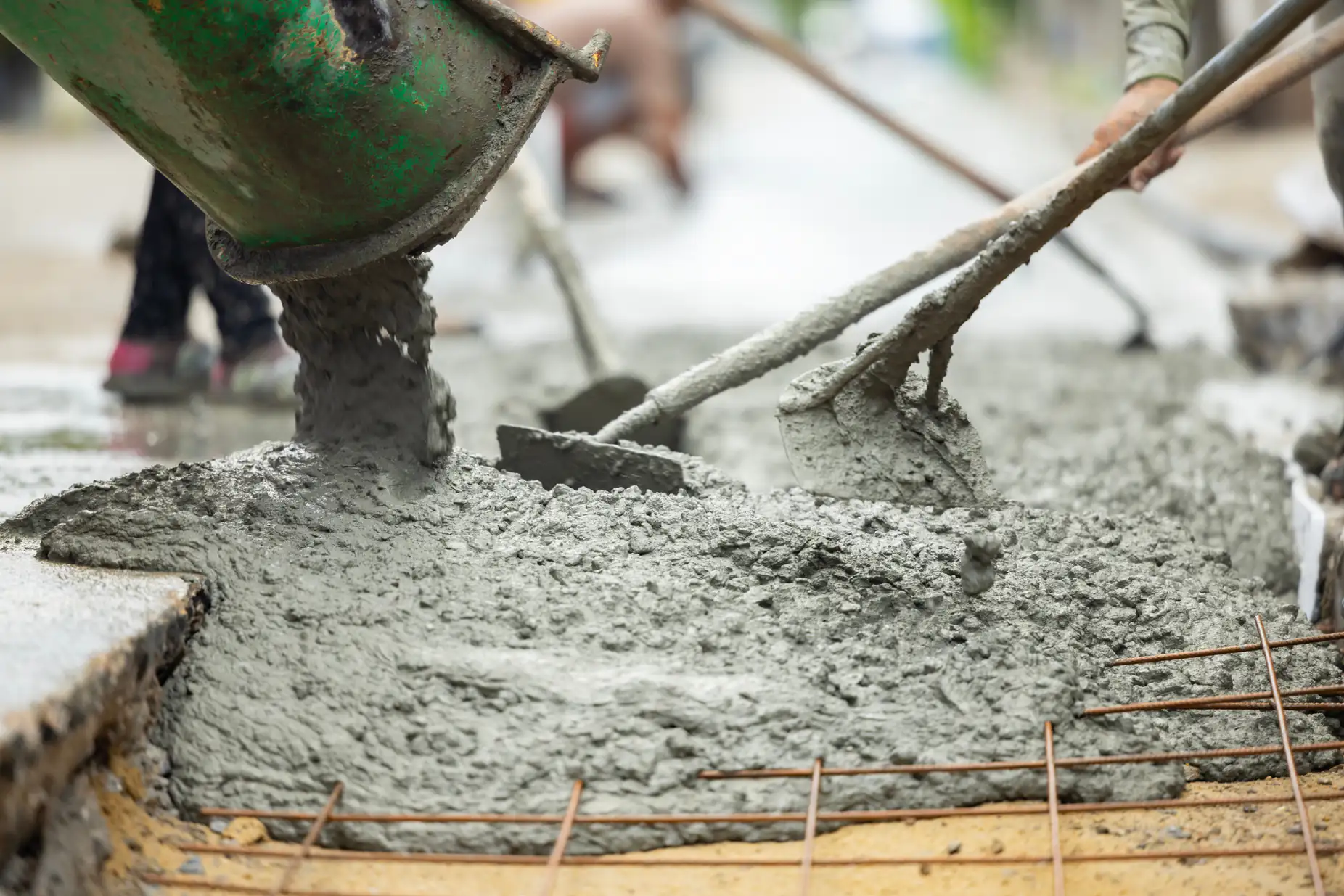
Then we install the concrete. We use Portland cement mixes designed for New Jersey’s temperature swings, with air entrainment to handle freeze-thaw cycles. We add rebar reinforcement where needed and finish the surface based on what you’ve chosen—broom finish for traction, smooth trowel, or stamped patterns if you want a decorative look.
After pouring, the concrete needs time to cure properly. We control the curing process to prevent cracking and ensure full strength. Then we seal it to protect against moisture, salt, and weathering.
You’ll know the timeline before we start, and we stick to it. No surprises, no delays unless weather makes it unsafe to pour.

Ready to get started?
Every concrete driveway installation includes full excavation, graded base preparation with proper compaction, and a concrete mix engineered for New Jersey winters. We’re not pouring the same mix in July that we’d use in October—temperature matters, and we adjust accordingly.
You also get rebar reinforcement, which prevents the kind of structural cracking that happens when concrete shifts over time. We install control joints in the right locations to manage where minor cracks appear, keeping them small and controlled rather than random and damaging.
In Lake Mohawk, drainage is critical. Properties here deal with varied grades and soil conditions that can cause water to pool or undermine your driveway if it’s not managed. We design drainage into every installation so water moves away from your foundation and doesn’t sit on the surface.
If you want decorative options, we offer stamped concrete that mimics stone, brick, or pavers without the maintenance headaches those materials bring. We also install concrete patios, walkways, and other flatwork using the same climate-tested approach.
Everything gets sealed after curing to protect the surface from moisture infiltration, salt damage, and UV exposure. That seal is what keeps your driveway looking clean and prevents the surface spalling you see on older concrete that wasn’t properly protected.
A properly installed concrete driveway in Lake Mohawk should last 25 to 30 years, even with the freeze-thaw cycles we get every winter. The key phrase there is “properly installed.”
Concrete fails early when contractors skip steps. If the base isn’t compacted correctly, the driveway will settle unevenly and crack. If the concrete mix isn’t designed for cold weather, it won’t have the air entrainment needed to handle freezing water. If drainage isn’t planned, water sits under the slab and causes heaving.
When those steps are done right, concrete outlasts asphalt by a decade or more. Asphalt driveways typically need replacement after 10 to 15 years in New Jersey. Concrete keeps going, especially if you reseal it every few years and address small cracks before they spread.
Concrete driveway installation in Lake Mohawk typically runs between $7 and $15 per square foot, depending on site conditions, driveway size, and whether you want decorative finishes. A standard two-car driveway usually falls between $6,000 and $12,000.
That’s higher than asphalt, but you’re paying for a surface that lasts twice as long and requires less maintenance. Asphalt needs resealing every few years and often needs repairs after harsh winters. Concrete doesn’t.
If your property has drainage issues, steep grades, or requires significant excavation, costs go up. Same with decorative stamped concrete or custom colors. We give you a detailed estimate upfront so there’s no confusion about what you’re paying for.
The cheapest bid isn’t always the best value. We’ve replaced driveways that were installed for $4 per square foot and failed within three years. Spending a bit more now saves you from paying for a full replacement in five years.
Yes, but only when temperatures are above 40°F and expected to stay there for several days. Concrete needs time to cure properly, and cold temperatures slow that process or stop it entirely.
If concrete freezes before it cures, the water inside expands and weakens the structure. That leads to surface scaling and internal cracking that shows up later. Responsible contractors won’t pour in conditions that compromise the final product.
Late fall and early spring are usually fine in Lake Mohawk as long as weather forecasts cooperate. We monitor temperatures closely and won’t schedule a pour if conditions aren’t right. That might mean a short delay, but it’s better than installing a driveway that fails prematurely.
If you’re planning a concrete driveway installation, late spring through early fall gives you the most flexibility. Winter projects are possible but require more careful timing.
Most towns in New Jersey require permits for driveway work, and Lake Mohawk is no exception. The permit process ensures your driveway meets local codes for drainage, setbacks, and construction standards.
We handle permit applications as part of our service. We know what Lake Mohawk’s building department requires, and we make sure everything is submitted correctly. That saves you from dealing with paperwork or making multiple trips to the municipal building.
Skipping permits is a risk some contractors take to save time or avoid inspections. That’s a problem for you later if you sell your property and unpermitted work shows up during a home inspection. It can also mean fines or being forced to remove the driveway and start over.
Permits aren’t expensive, and the inspection process protects you by ensuring the work meets code. It’s worth doing right.
Stamped concrete uses the same structural installation as a standard concrete driveway, but the surface is textured and colored to look like stone, brick, or pavers. It gives you a decorative appearance without the maintenance issues that come with actual pavers.
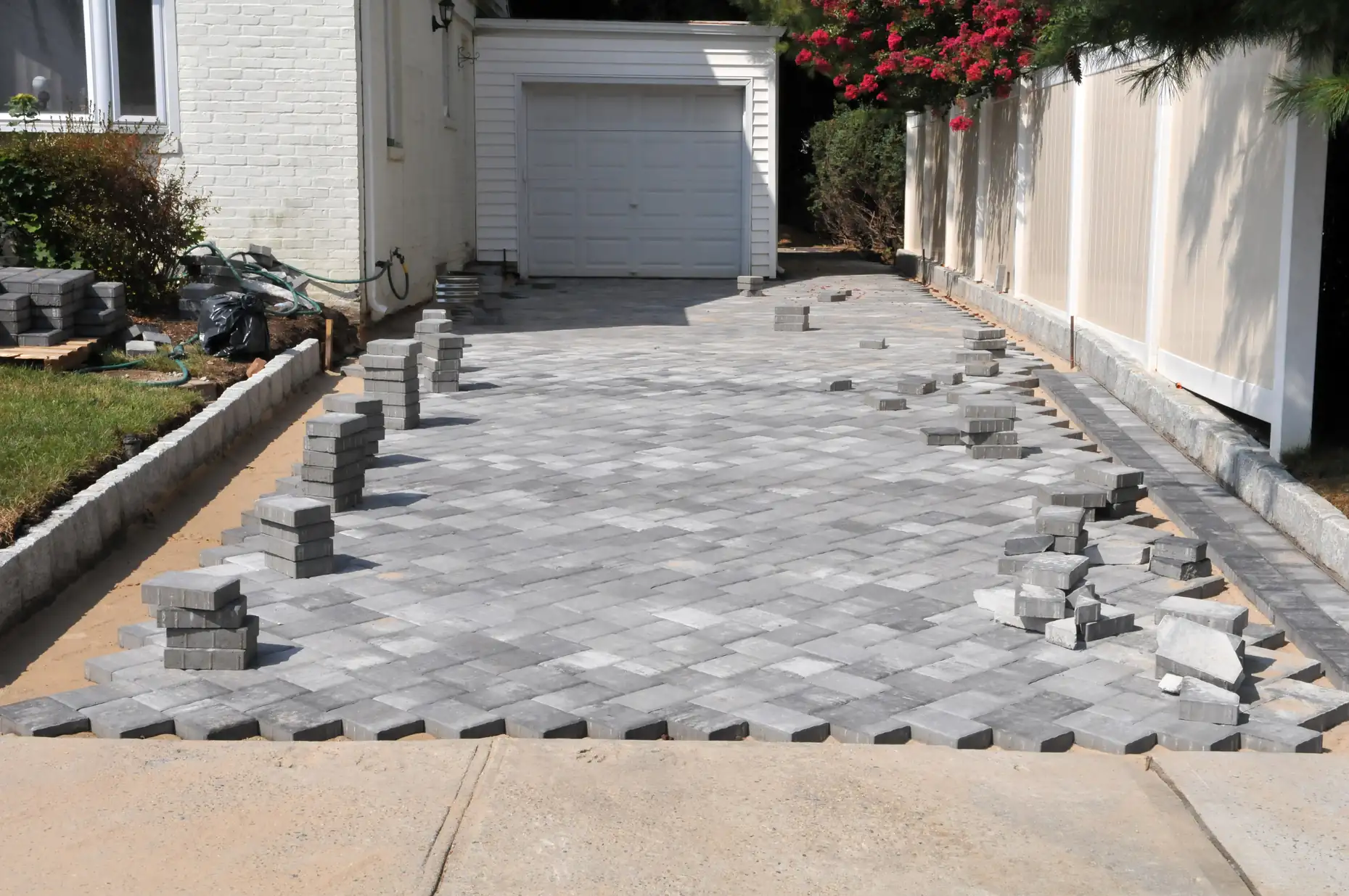
Real pavers shift over time, especially in New Jersey winters. They develop uneven spots, weeds grow between them, and they need periodic releveling. Stamped concrete stays flat and stable because it’s a single solid surface.
The cost difference is usually $3 to $5 more per square foot for stamped concrete compared to a standard broom finish. You’re paying for the additional labor and materials needed to create the pattern and color.
If curb appeal matters to you and you want something more distinctive than plain gray concrete, stamped concrete is a good option. It holds up just as well structurally and gives you more design flexibility. We can show you samples of different patterns and colors so you know exactly what the finished driveway will look like.
Concrete driveways need less maintenance than asphalt, but they’re not maintenance-free. The biggest thing is resealing every 3 to 5 years. Sealer protects the surface from water infiltration, salt damage, and staining.
During winter, avoid using deicing salt directly on the concrete if possible. Salt accelerates the freeze-thaw cycle and causes surface spalling over time. Sand or calcium chloride-based products are less damaging. If you do use salt, rinse the driveway when temperatures rise to remove residue.
Clean your driveway a few times a year to remove dirt, oil, and organic material. A pressure washer works well, but you don’t need harsh chemicals. Plain water and a stiff brush handle most stains.
If small cracks appear, fill them promptly. Water gets into cracks, freezes, and makes them bigger. Crack filler is inexpensive and easy to apply. Catching cracks early prevents them from becoming structural problems.
That’s really it. Reseal periodically, go easy on salt, keep it clean, and fix small issues before they grow. Do that and your concrete driveway will last decades without major repairs.