
Hear from Our Customers
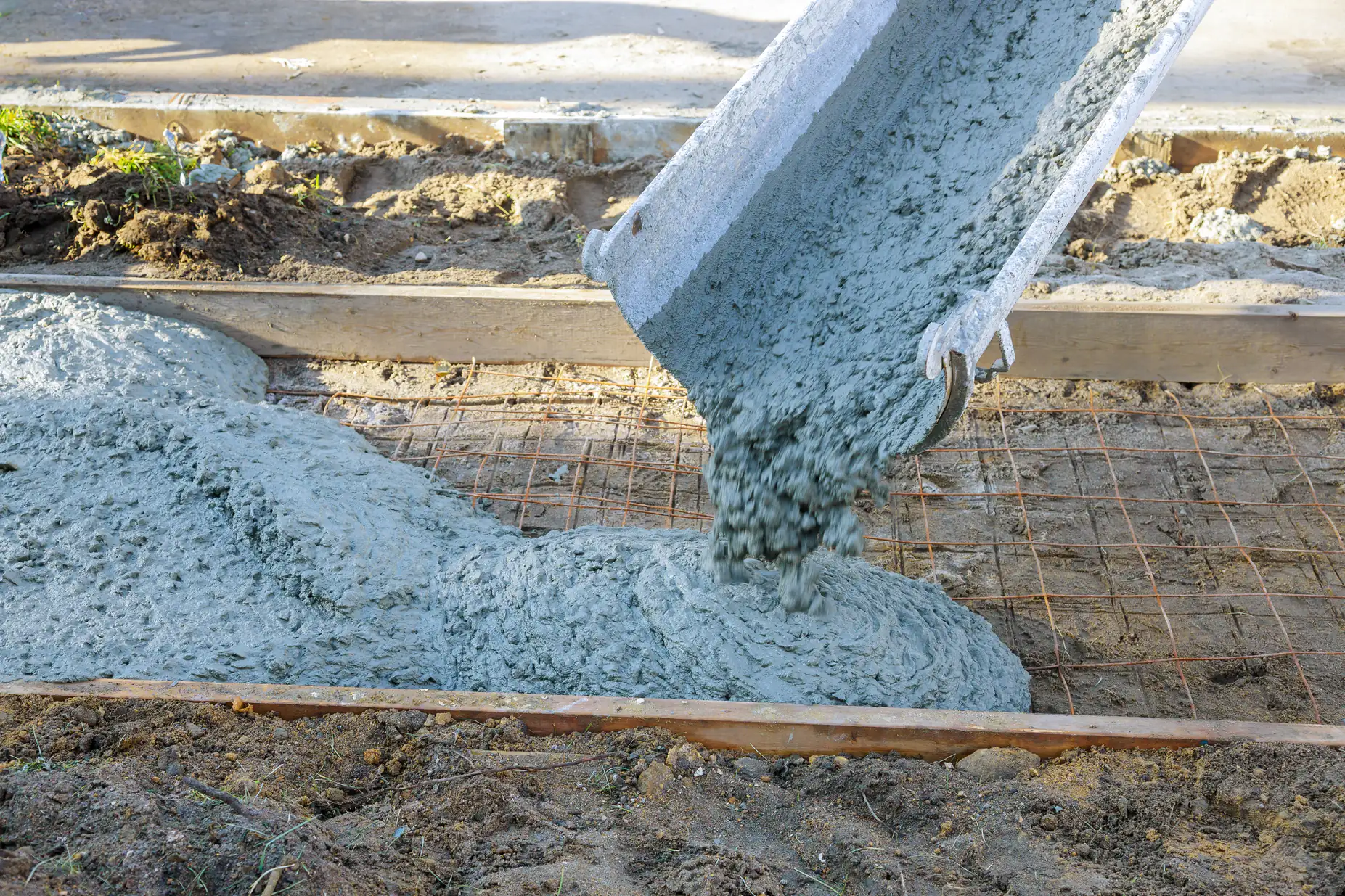
You’re looking at a 30-50 year lifespan when concrete gets installed correctly. That means proper base prep, 4,000 PSI minimum strength, and air entrainment so winter moisture doesn’t destroy the slab from the inside out.
Most concrete failures happen because someone skipped the foundation work or rushed the cure time. Water pools instead of draining. Cracks show up before the first winter ends. You end up paying twice.
The right installation gives you a surface that handles Morris County winters without turning into a spiderweb of cracks. It stays level so water runs off instead of pooling near your garage. And if you want decorative stamped patterns or exposed aggregate, those hold up too when the base is solid.
We’ve spent over 20 years working in Morris, Sussex, and Somerset County. We know what North Jersey soil does when it gets wet, how clay expands and contracts, and what happens when you pour concrete in less-than-ideal conditions.
Lake Hiawatha sits in an area where proper drainage isn’t optional. The water table, soil composition, and seasonal temperature swings all affect how long your driveway lasts. We account for those factors before the first truck shows up.
You’ll get clear pricing upfront, a 24-48 hour callback on quote requests, and work that sticks to the schedule. No surprise charges, no disappearing crews.
First, we assess your existing driveway and property grade. If drainage is poor or the base has failed, we address that before pouring anything. You’ll know exactly what needs fixing and why.
Next comes excavation and base prep. We remove old material, grade for proper water runoff, and compact a stable base. This step determines whether your driveway lasts five years or fifty.
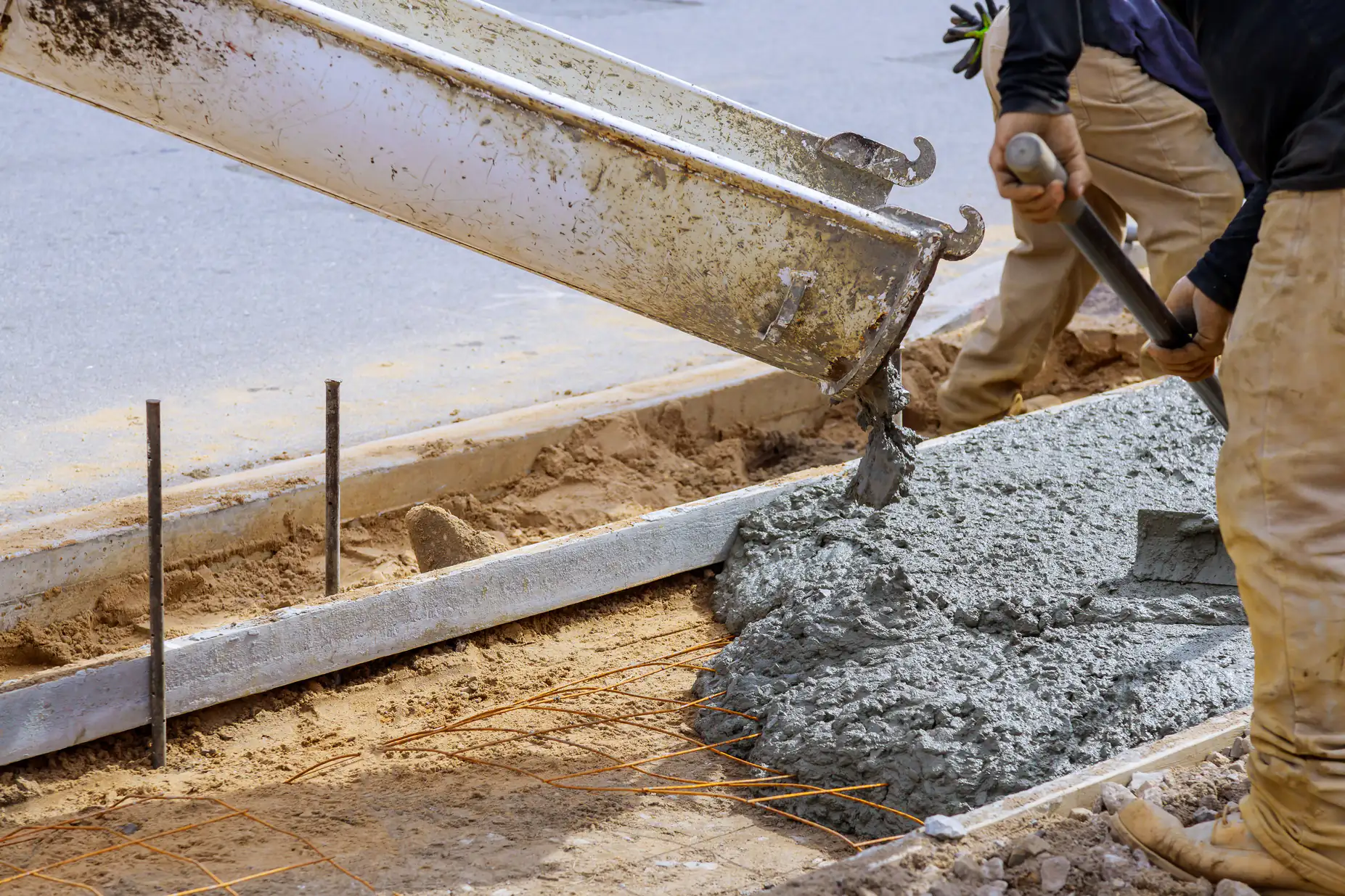
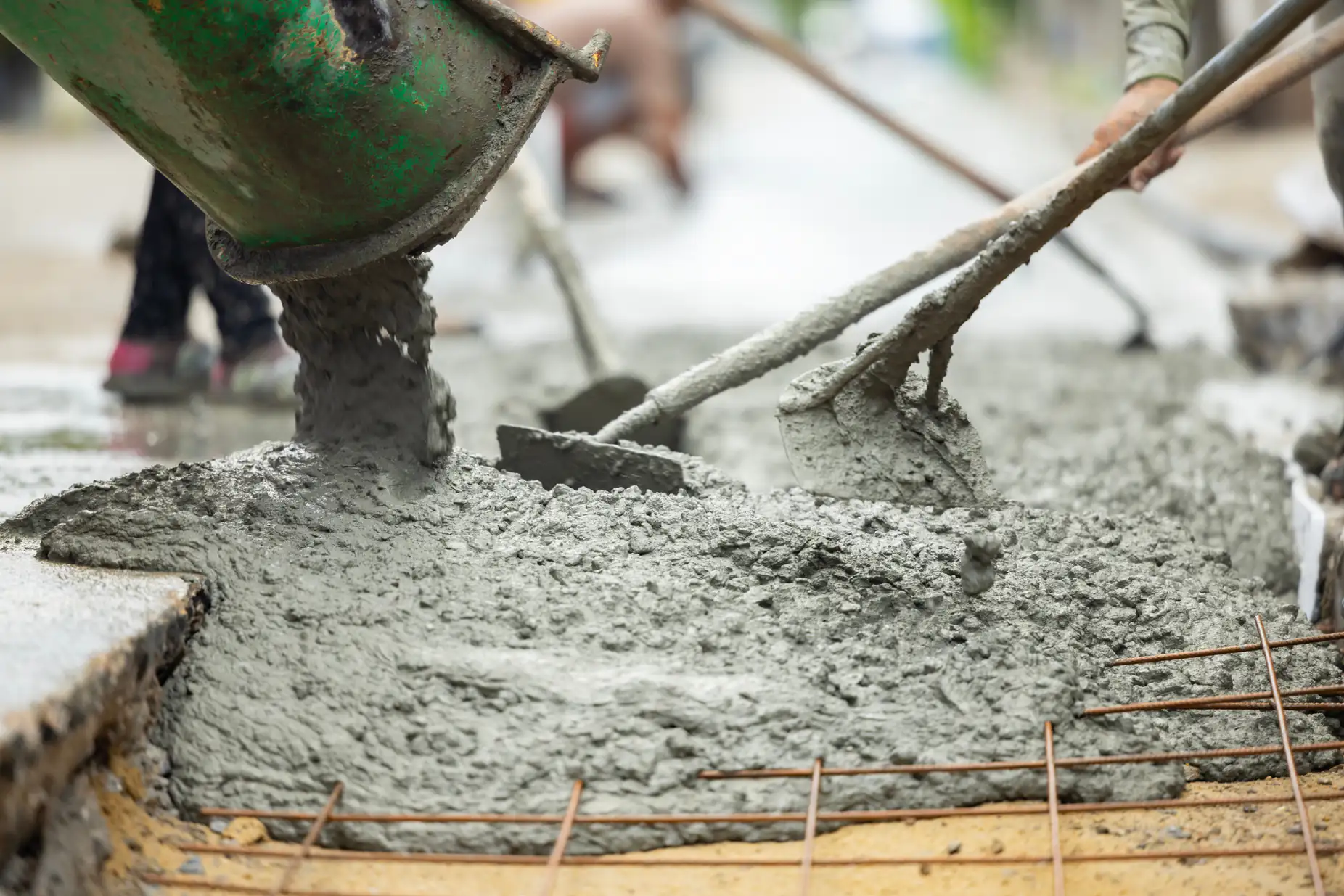
Then we set forms, place rebar reinforcement, and pour Portland cement concrete mixed to handle New Jersey freeze-thaw cycles. Proper curing takes time. We don’t rush it because weak concrete shows up fast once traffic starts.
If you want stamped patterns or decorative finishes, those get applied while the concrete is still workable. Final sealing happens after the cure is complete, usually within a few weeks depending on weather.

Ready to get started?
You can go with a standard broom finish that provides traction and costs less, or choose stamped concrete that mimics stone, brick, or slate. Both options last decades when installed properly. The difference is mostly aesthetic and budget.
Lake Hiawatha homes typically have driveways ranging from 400 to 800 square feet. At $7-13 per square foot for basic installation, you’re looking at $2,800 to $10,400 depending on size and finish. Stamped or decorative concrete adds to that cost but gives you a premium look.
We also handle concrete patios, walkways, and other flatwork using the same installation standards. Many homeowners coordinate driveway and patio work to get consistent appearance and better project pricing.
With a median home value around $390,000 in Lake Hiawatha, a quality concrete driveway protects your investment and improves curb appeal. It’s one of the first things people see, and a cracked, sunken driveway hurts your property value more than most realize.
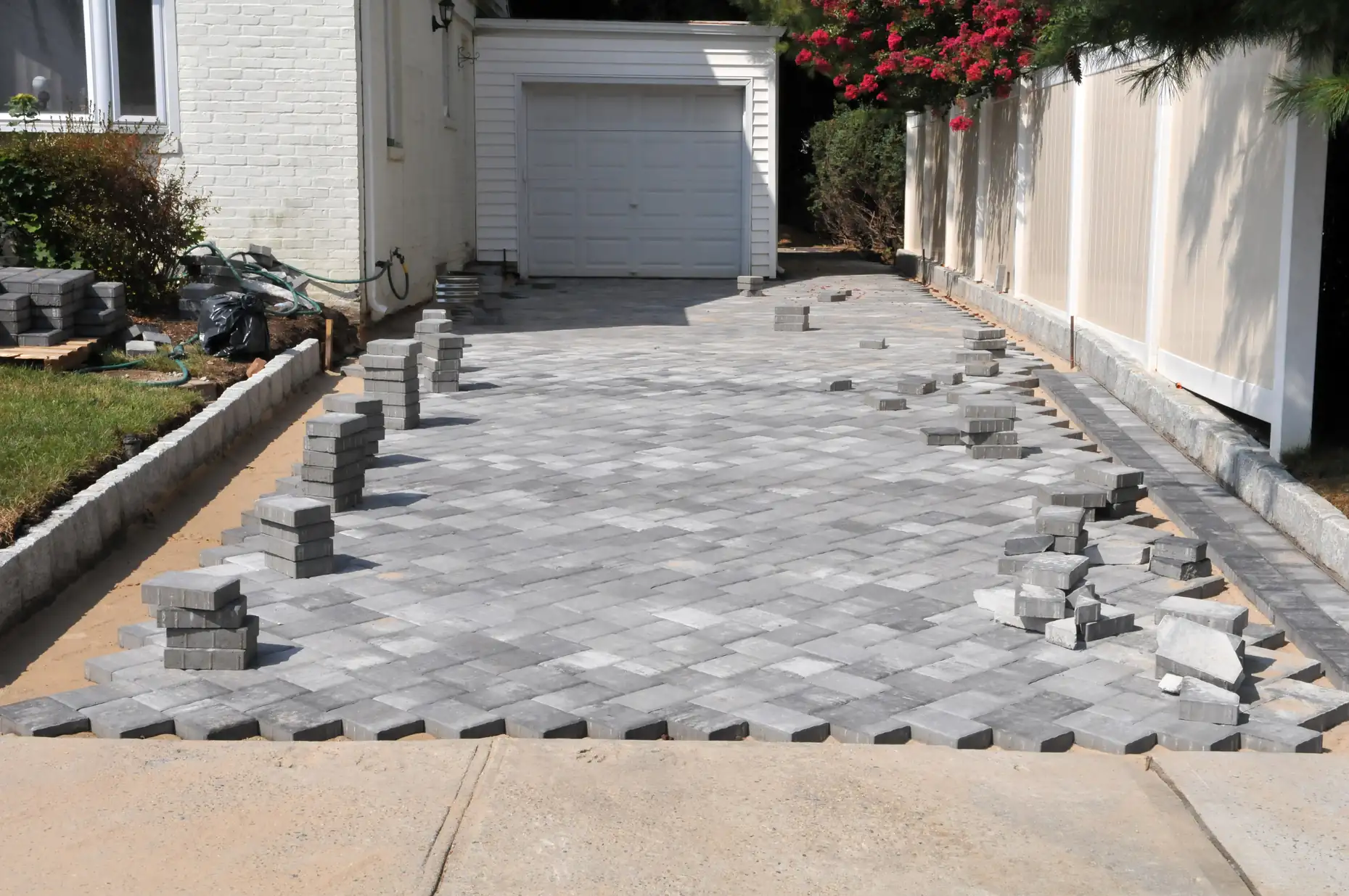
A properly installed concrete driveway lasts 30-50 years in North Jersey climate conditions. That lifespan depends entirely on three factors: base preparation, concrete strength, and proper drainage.
The freeze-thaw cycles we get in Morris County are brutal on concrete. Water seeps into small cracks, freezes, expands, and turns hairline cracks into major structural problems within a few seasons. Air-entrained concrete with 4,000 PSI minimum strength resists this damage.
Your driveway also needs resealing every 2-3 years to protect against moisture penetration, deicing salt, and surface wear. Skip the maintenance and you’ll cut that 30-50 year lifespan in half. But compared to asphalt that needs resurfacing every 10-15 years, concrete still wins on longevity.
Concrete costs more upfront but less over time. You’ll pay $7-13 per square foot for concrete installation versus $3-7 for asphalt. On a 500 square foot driveway, that’s $3,500-6,500 for concrete compared to $1,500-3,500 for asphalt.
But asphalt needs resealing every 2-3 years and resurfacing every 10-15 years. Over a 30-year period, you’ll spend $5,400-9,800 maintaining concrete versus $9,000-15,000 for asphalt when you factor in multiple resurfacing jobs.
Concrete also handles New Jersey summers better. Asphalt softens in high heat and can develop ruts from parked vehicles. Concrete stays rigid and cool to the touch even when temperatures spike. For Lake Hiawatha’s climate, concrete makes more financial sense long-term.
Not if you want it to last. Pouring concrete over asphalt creates a weak bond that fails quickly. The two materials expand and contract at different rates, especially during temperature swings. Cracks appear within the first year.
The right approach is removing the existing asphalt, evaluating the base underneath, and rebuilding from a stable foundation. If the original base has failed or drainage is poor, you’ll have the same problems with new concrete that you had with the old asphalt.
Complete removal adds to project cost, but it’s the only way to get a 30+ year lifespan. Shortcuts save money now and cost more later when you’re replacing the entire driveway again in five years. We remove the old surface, fix drainage issues, compact a proper base, and pour concrete that actually lasts.
Most driveway replacements in Lake Hiawatha require a permit from Parsippany-Troy Hills Township, which governs the area. Requirements vary based on whether you’re replacing an existing driveway in the same footprint or expanding the paved area.
New construction or expansions typically need site plan approval to ensure proper drainage, setbacks, and stormwater management. Even straightforward replacements often require permits to verify the work meets township codes.
We handle permit applications as part of the project. You’ll need property surveys and site plans, but we coordinate with the township to get approvals before starting work. Skipping permits creates problems when you sell your home or if a neighbor complains. It’s not worth the risk.
Wait at least seven days before driving on new concrete. Full cure strength takes 28 days, but concrete reaches about 70% strength in the first week. Light vehicle traffic is usually safe after seven days in good weather conditions.
Temperature and humidity affect cure time. Cold weather slows the process. High heat can cause surface cracking if the concrete dries too fast. We monitor conditions and adjust the timeline based on what’s actually happening, not just what the calendar says.
Some contractors let you drive on concrete after three days. That’s too soon. The surface might look hard, but the concrete hasn’t developed full strength. Early traffic can cause micro-cracking that shortens the driveway’s lifespan. A few extra days of patience buys you years of durability.
Late spring through early fall gives you the best installation conditions. Concrete needs temperatures above 50°F during the pour and for several days after. Cold weather slows curing and can damage the surface before it hardens properly.
Summer heat works fine as long as we take precautions to prevent rapid drying. We use curing compounds and keep the surface moist so it doesn’t crack from dehydration. Extreme heat requires more attention, but it’s manageable.
Winter pours are risky in North Jersey. Even with blankets and heaters, freezing temperatures can ruin fresh concrete. We schedule most driveway work between April and October. If you’re planning a project, book early because schedules fill up fast during prime season.