
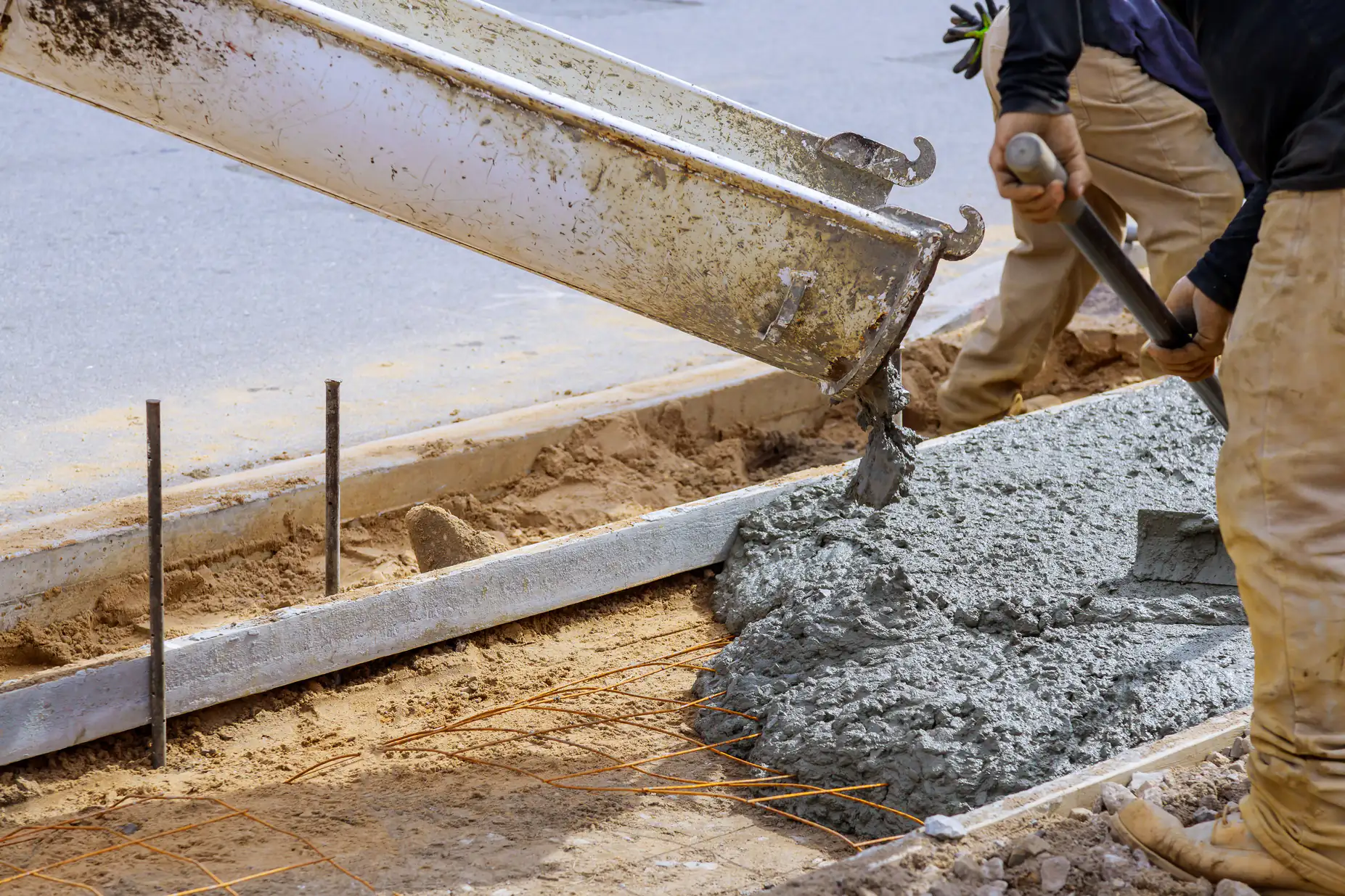
Hear from Our Customers
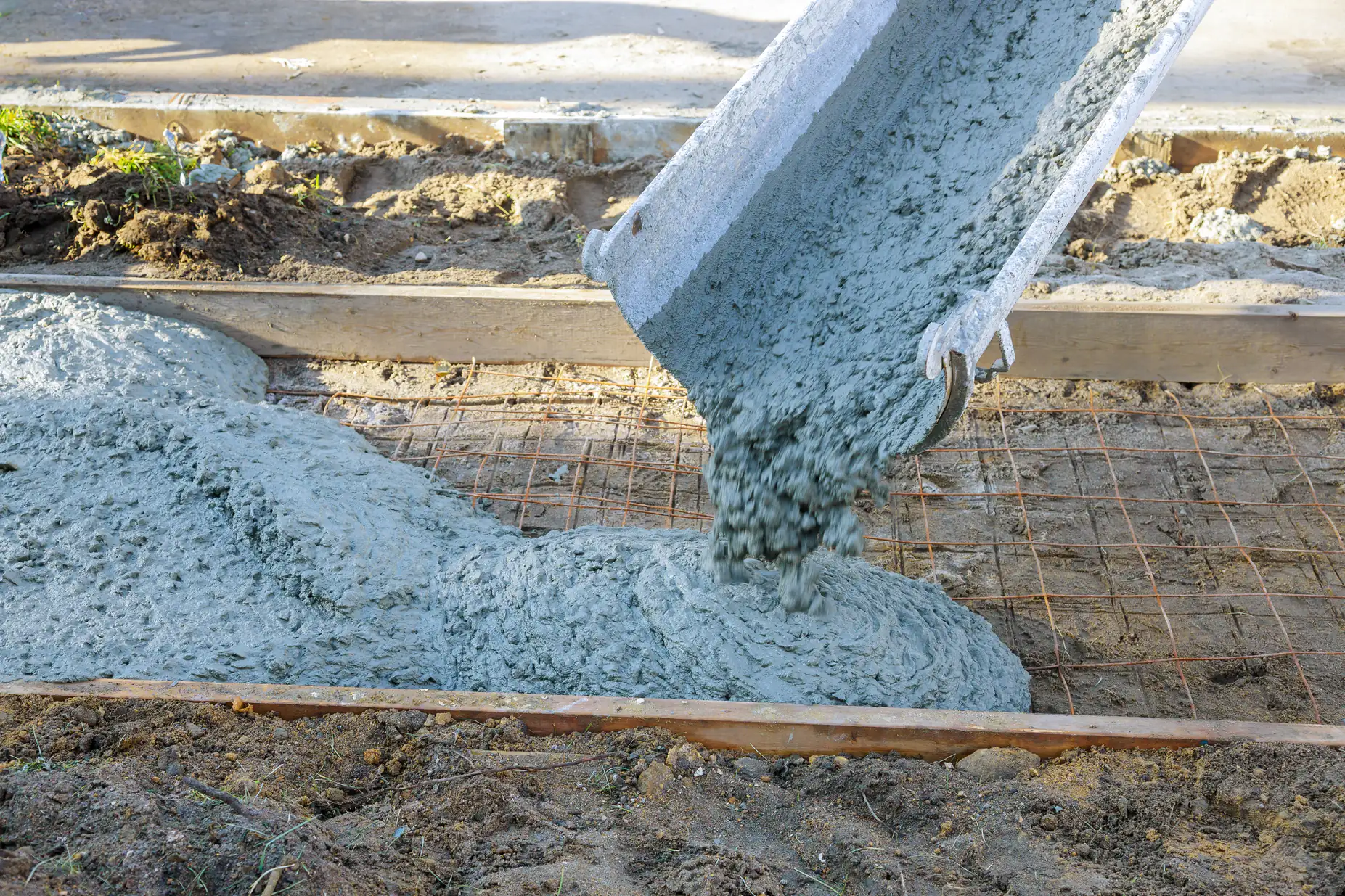
You’re looking at a driveway that doesn’t crack after two winters. One that doesn’t pool water near your foundation or settle unevenly because someone skipped the base prep. A properly installed concrete driveway in Glen Ridge adds $5,000 to $7,000 to your property value—but only if it’s done right the first time.
Glen Ridge’s freeze-thaw cycles are brutal. Temperatures swing from 21°F to 86°F, with 20 inches of snow and 49 inches of rain annually. That’s why drainage planning isn’t optional here—it’s the difference between a driveway that lasts three decades and one that needs repair in three years.
You also want a driveway that fits your home. Glen Ridge has tree-lined streets, mature landscaping, and homes built in the 1930s. That means working around established roots, historic features like gas lamp streetlights, and existing grades without tearing up what you’ve spent years cultivating.
When the job’s done, you get smooth vehicle access, no trip hazards, and a finished surface that looks intentional—not like someone poured concrete and hoped for the best.
We’ve been serving Morris County homeowners since before decorative stamped concrete became a trend. We know Glen Ridge’s soil conditions, drainage challenges, and what it takes to install a driveway that doesn’t embarrass your $750,000 home.
We’re not the cheapest option—and that’s a good thing. You’re paying for proper excavation, compacted base material, rebar reinforcement, and Portland cement mixes that handle North Jersey’s climate. We don’t skip steps to save time, and we don’t leave you guessing about costs.
Most of our clients are professionals and families who expect their contractor to show up on time, communicate clearly, and finish the job in 2-3 days. We handle permits, assess drainage patterns before we dig, and give you upfront pricing with a 24-48 hour callback guarantee when you request a quote online.
First, we visit your property to assess drainage, grade, and base conditions. Glen Ridge’s clay-heavy soil and mature landscaping mean every site is different. We’re looking at how water moves, where tree roots might interfere, and whether your existing base needs full excavation or can be salvaged.
Next, we give you a detailed estimate that includes excavation depth, base material, concrete thickness, rebar placement, and any decorative finishes like stamped patterns. You’ll know exactly what you’re paying for before we start.
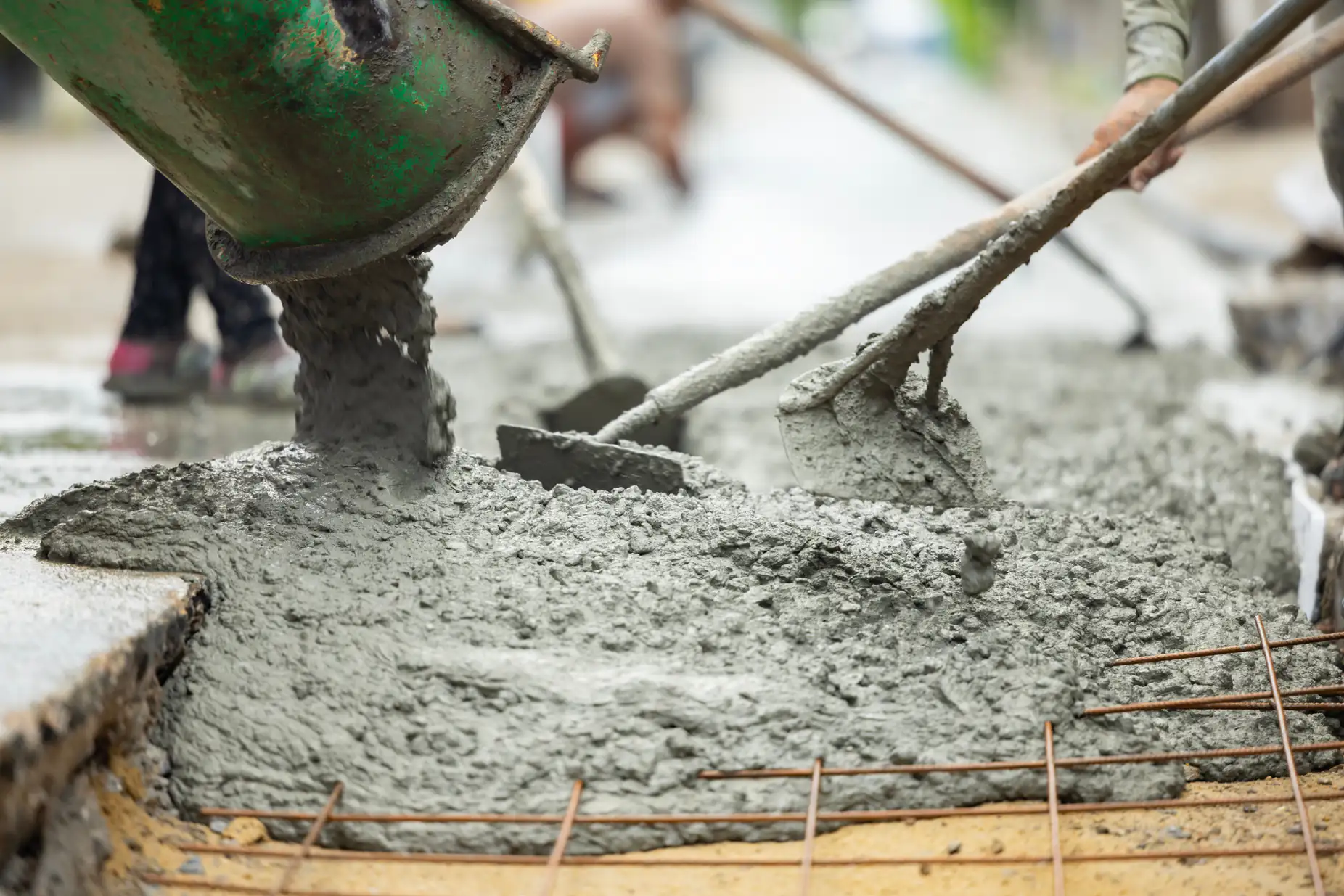
Once you approve, we pull permits and schedule the work. Most residential driveways take 2-3 days from excavation to final pour. We excavate to the proper depth, install a compacted gravel base (critical for preventing settling), place rebar for reinforcement, and pour high-grade concrete mixed for New Jersey’s freeze-thaw conditions.
After the pour, we finish the surface—smooth, broom-textured, or stamped depending on what you chose. Then it cures for 7 days before you can drive on it. We clean up the site, haul away old material, and walk you through basic maintenance so your driveway lasts 25-30 years instead of needing repairs in five.

Ready to get started?
Every concrete driveway project includes full excavation, compacted base installation, rebar reinforcement, and a Portland cement mix designed for freeze-thaw performance. We’re not pouring a 3-inch slab on dirt and calling it done. You’re getting 4-6 inches of concrete over a properly prepared base that won’t shift when the ground freezes.
Drainage is built into every job. Glen Ridge gets 49 inches of rain a year, and water that pools near your foundation causes expensive problems. We grade your driveway to direct water away from your home, and we install proper drainage solutions if your property needs them.
You also get options. Standard broom finish is durable and slip-resistant. Stamped concrete mimics natural stone, brick, or wood if you want something decorative. We use high-grade materials—no shortcuts, no surprises.
Glen Ridge homeowners typically spend $7-$13 per square foot for concrete driveway installation. A standard two-car driveway runs $4,200 to $7,200 depending on size, access, and finish. That’s competitive for Morris County, and it reflects the quality of materials and installation techniques that make your driveway last.
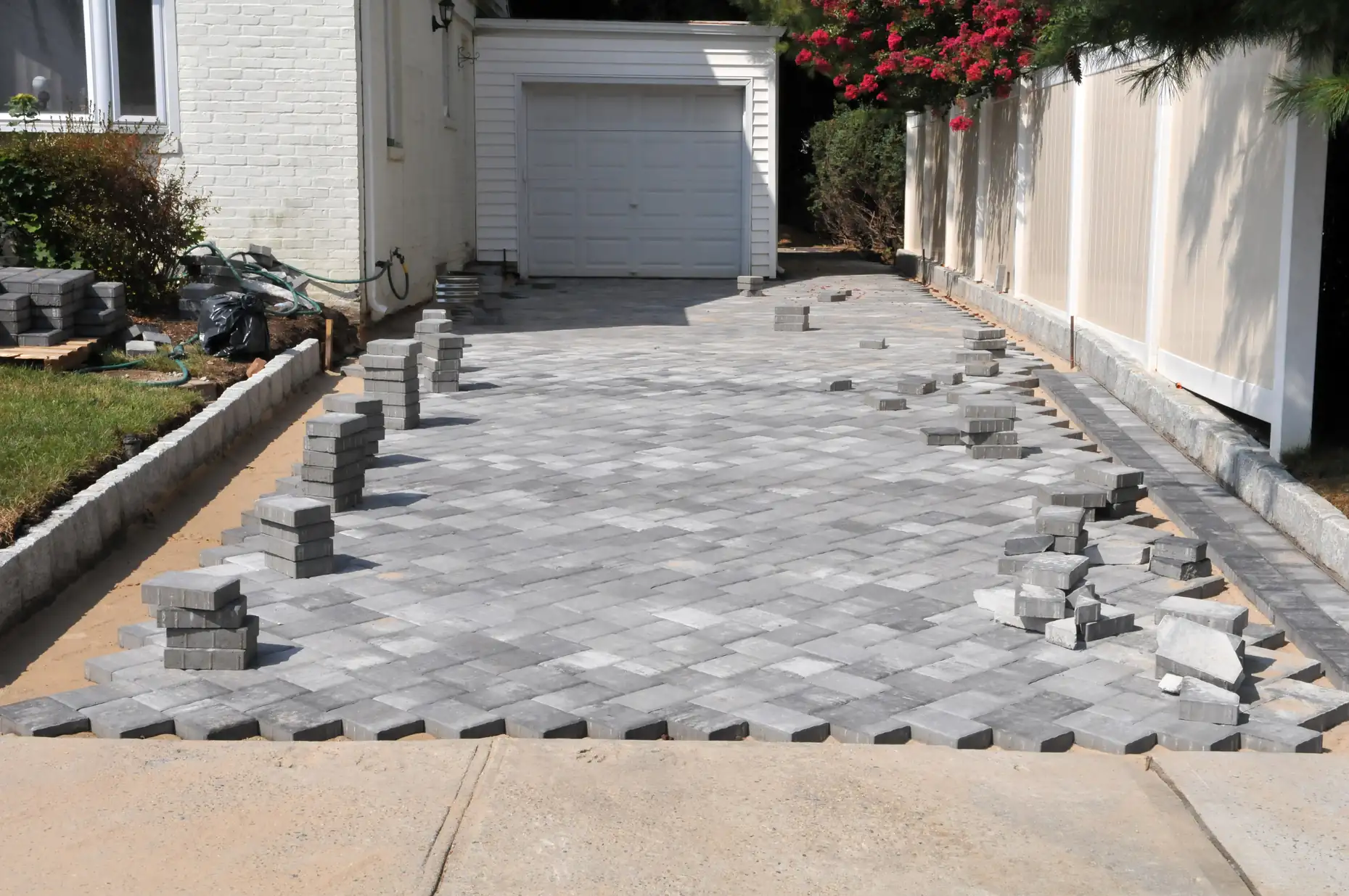
A properly installed concrete driveway lasts 25-30 years in Glen Ridge if it’s built to handle freeze-thaw cycles and has proper drainage. The key is base preparation and material quality—not just the concrete itself.
Glen Ridge’s climate is tough. You get 20 inches of snow, 49 inches of rain, and temperature swings from 21°F to 86°F. That freeze-thaw action cracks concrete that wasn’t installed with the right base or reinforcement. If your contractor skips the compacted gravel base or doesn’t use rebar, you’ll see cracking and settling within 5-10 years.
Maintenance matters too. Sealing your concrete every 2-3 years protects it from water infiltration and de-icing salts. Fixing small cracks early prevents them from spreading. Most concrete driveways that fail early do so because of poor installation—not because concrete is a bad material.
It depends on your priorities. Concrete lasts longer and needs less maintenance, but asphalt is more flexible in freeze-thaw conditions and costs less upfront. Both work in Glen Ridge if installed correctly.
Concrete costs $7-$13 per square foot and lasts 25-30 years with minimal maintenance. It handles heavy loads, resists oil stains better than asphalt, and offers decorative options like stamping. The downside is higher upfront cost and more expensive repairs if cracking does occur—concrete repairs run $300-$3,000 depending on severity.
Asphalt costs $4-$8 per square foot and lasts 20-25 years with regular sealcoating every 3-5 years. It’s more forgiving in freeze-thaw cycles because it flexes instead of cracking. Repairs are cheaper ($250-$800), but you’ll need to maintain it more often. For Glen Ridge’s older properties with mature landscaping, asphalt often makes sense because it integrates better with established grades and tree roots.
Freeze-thaw cycles, poor drainage, and inadequate base preparation cause most concrete driveway cracking in North Jersey. Water seeps into small cracks, freezes, expands, and makes the damage worse every winter.
Glen Ridge experiences some of the highest freeze-thaw cycles in New Jersey. When water gets under your concrete and freezes, it lifts the slab. When it thaws, the slab settles—but not always evenly. Over time, this creates cracks and uneven sections.
Poor base prep accelerates the problem. If your contractor doesn’t excavate deep enough, compact the base properly, or install adequate drainage, water will pool under your driveway. Clay-heavy soil (common in Glen Ridge) holds water and shifts when it freezes, which puts stress on concrete that wasn’t reinforced with rebar. That’s why proper installation costs more upfront but saves you thousands in repairs later.
Concrete driveway installation in Glen Ridge costs $7-$13 per square foot, or $4,200-$7,200 for a typical two-car driveway (500-600 square feet). The final price depends on excavation depth, base conditions, decorative finishes, and site access.
If your existing driveway needs full removal and disposal, add $2-$4 per square foot. If your property has drainage issues or requires grading work, that’s extra. Decorative stamped concrete costs $10-$15 per square foot because of the additional labor and materials.
Glen Ridge’s mature landscaping and older homes sometimes complicate access. If we can’t get equipment close to the work area, labor costs go up. Tree roots may require hand excavation in certain spots. These aren’t surprises we spring on you during the job—they come up during the site visit, and we include them in your estimate upfront so you know exactly what you’re paying before we start.
Yes, but it requires careful planning. Glen Ridge’s tree-lined streets and established landscaping mean we often work around root systems, existing grades, and features you don’t want disturbed. It’s doable—it just takes more precision than an open lot.
We assess root locations during the site visit. If roots are close to the surface, we may need to adjust the driveway edge or hand-excavate certain areas to avoid damaging the tree. Cutting major roots can destabilize a mature tree, so we work with the existing landscape instead of against it.
Drainage becomes even more critical when you’re working around trees. Tree roots can interfere with water flow, and compacted soil near the driveway can affect root health. We plan drainage routes that protect both your foundation and your landscaping. The goal is a driveway that fits your property—not one that forces you to remove trees or tear up gardens you’ve spent years cultivating.
You can walk on your new concrete driveway after 24-48 hours, but you need to wait 7 days before driving on it. Full curing takes 28 days, but the surface is strong enough for vehicle traffic after a week.
Concrete gains strength as it cures. After 7 days, it’s reached about 70% of its full strength—enough for cars and light trucks. After 28 days, it’s fully cured and can handle heavy loads without risk of surface damage.
Driving on concrete too early causes surface cracking, tire marks, and uneven wear that shortens your driveway’s lifespan. We know waiting a week is inconvenient, but it’s the difference between a driveway that lasts 25 years and one that needs repairs in five. If timing is tight, we’ll schedule the pour so the curing period doesn’t disrupt your schedule more than necessary.