
Hear from Our Customers
Your driveway stops being something you worry about. No more standing water after storms because the slope was eyeballed instead of engineered. No more cracks spreading across the surface by the second winter because the base was too thin or the concrete mix was weak.
You get a surface that handles Gillette’s weather without falling apart. That means proper excavation depth, compacted aggregate base, rebar reinforcement in the concrete, and a finish that sheds water where it’s supposed to go. Not toward your foundation or pooling in low spots.
The difference shows up in year five when your neighbor’s driveway looks like a patchwork quilt and yours still looks clean. It shows up when you sell and buyers see a well-maintained property instead of deferred maintenance. You’re not just paying for concrete—you’re paying for the engineering that makes it last.
We’ve been handling driveway installations across Morris, Sussex, and Somerset Counties long enough to know what works here and what doesn’t. We’re licensed, insured, and we pull permits the right way because we’re not disappearing after the job.
Gillette homeowners deal with specific challenges—tight lot lines, mature trees affecting root systems, soil conditions that shift, and HOA requirements that matter. We’ve worked in this area enough to anticipate those issues before they become problems. You’re hiring people who know the local building inspector by name, not a crew passing through with leftover asphalt.
We don’t do high-pressure sales or bait-and-switch pricing. You get a written estimate that breaks down the work, and that’s what you pay. If something changes, we talk about it before we proceed—not after we’ve already torn out your driveway.
We start with a site visit to assess drainage, slope, soil conditions, and any existing issues. You get a written estimate that includes excavation depth, base material, concrete specs, rebar placement, and finish options. No guessing.
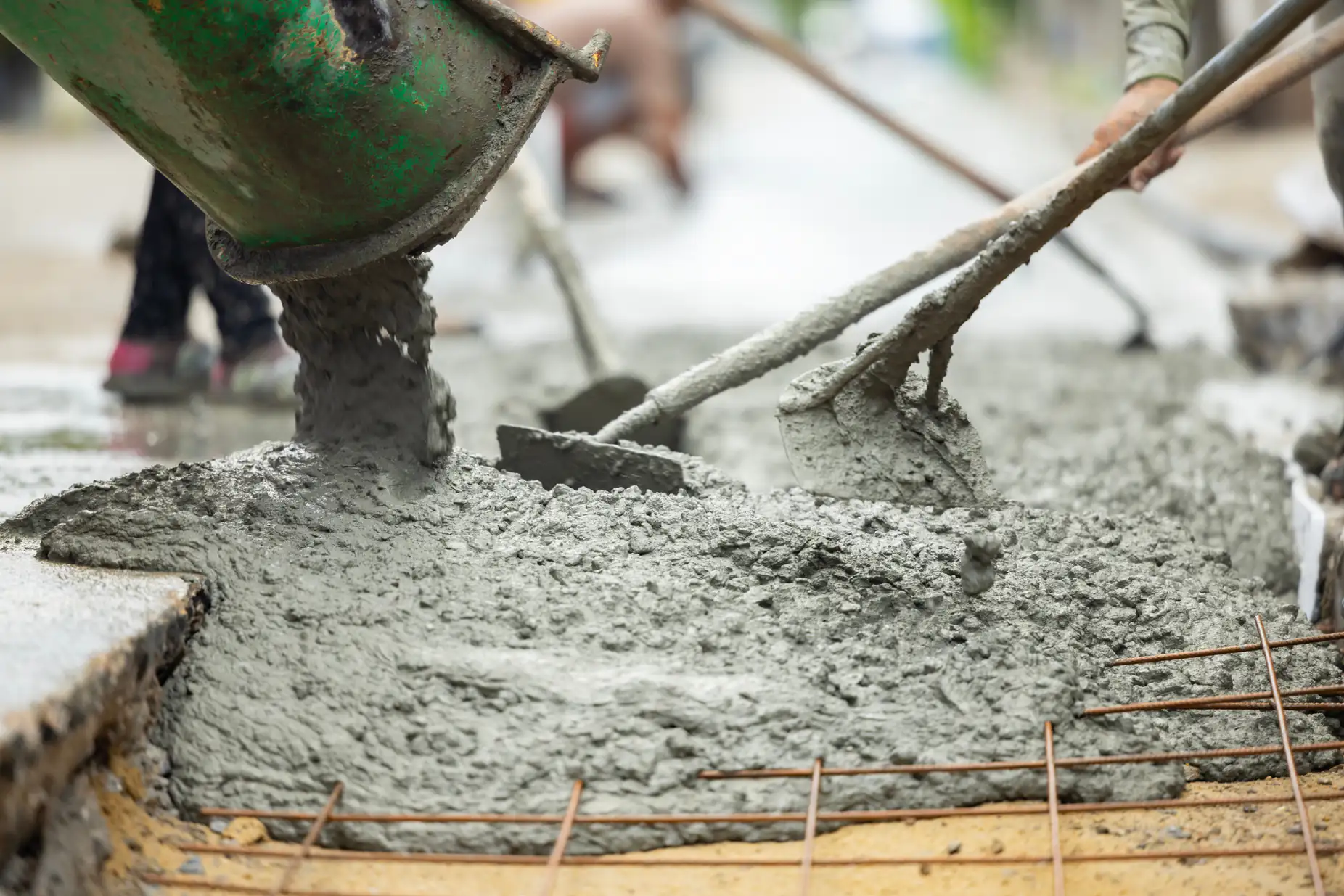
Once you approve, we handle the permits with Gillette’s building department. Then we excavate to the proper depth—usually 8 to 12 inches depending on soil and usage. The base gets compacted in layers, not dumped and smoothed. This is where most contractors cut corners, and it’s why driveways fail early.
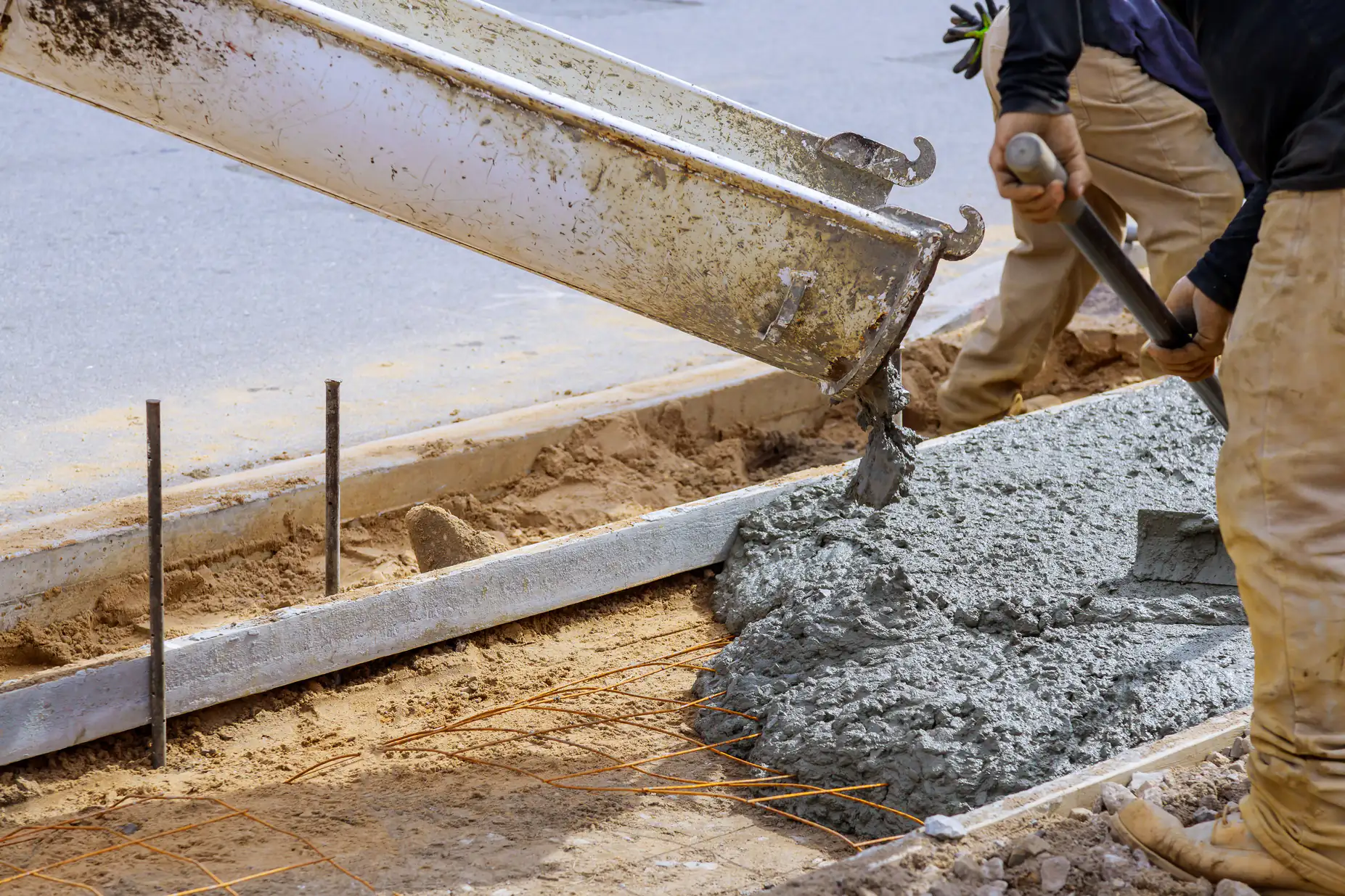
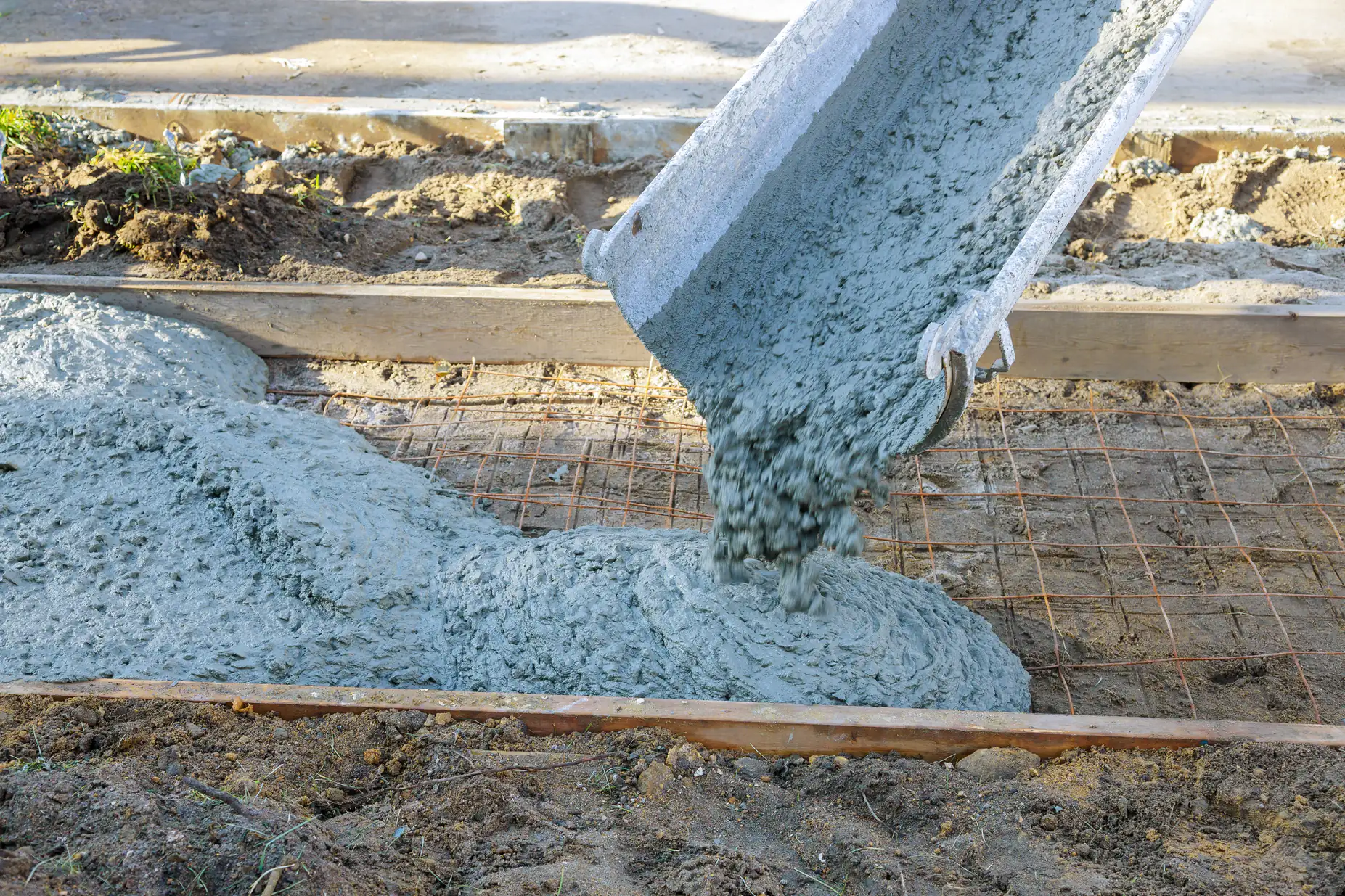
We pour concrete mixed to the right strength for New Jersey winters, with rebar grid for reinforcement. The surface gets finished to your spec—standard broom, exposed aggregate, or stamped patterns if you want decorative. We cut control joints to manage cracking in predictable lines instead of random spider webs. Then it cures for at least seven days before you drive on it.
You get a driveway built to handle decades of freeze-thaw cycles, not just pass inspection.

Ready to get started?
We install concrete driveways, asphalt driveways, and decorative paver options depending on what makes sense for your property and budget. Concrete costs more upfront but lasts 30+ years with minimal maintenance. Asphalt is cheaper initially but needs resealing every few years and typically needs replacement sooner.
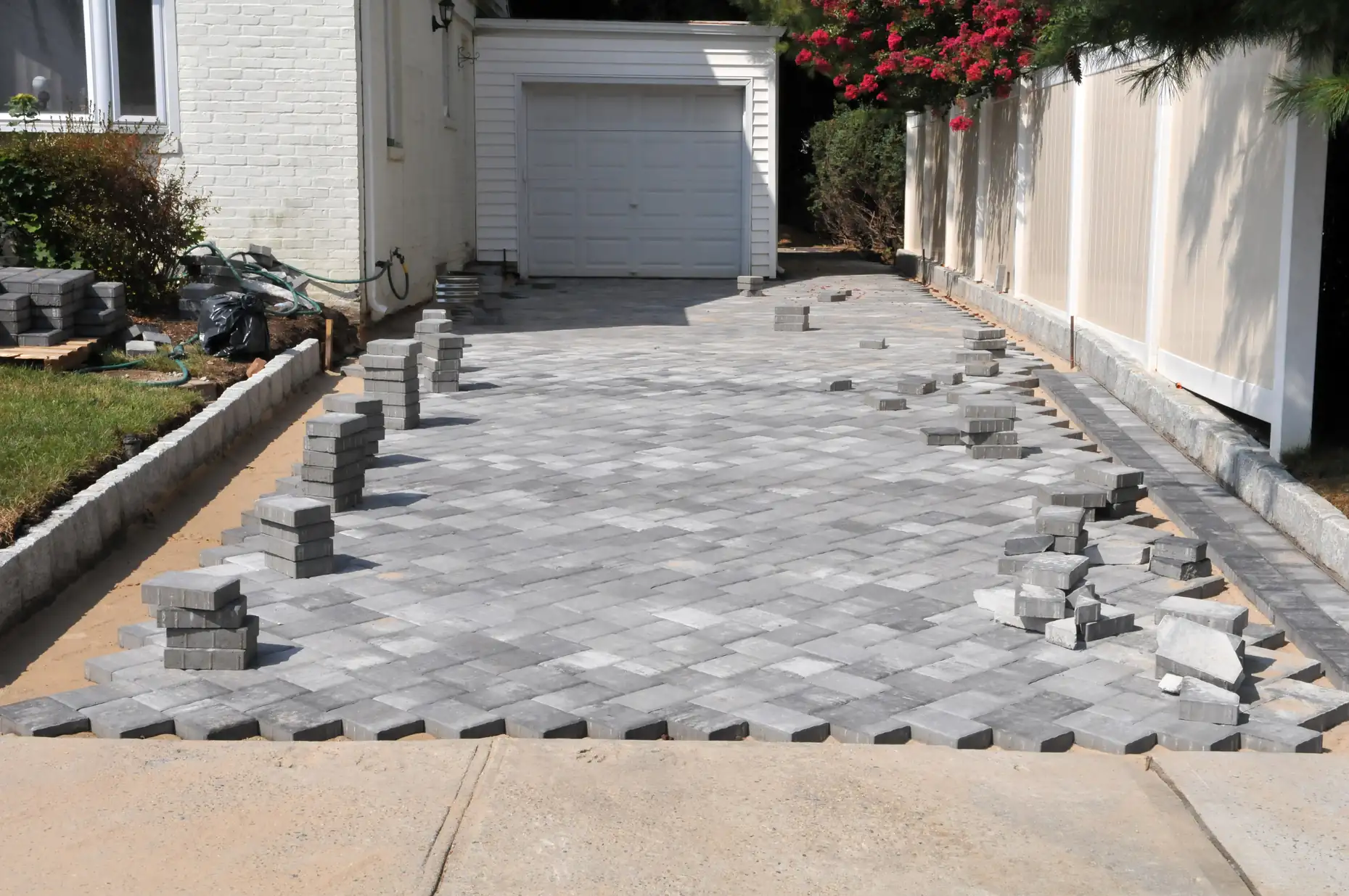
For Gillette’s higher-end properties, stamped concrete and decorative pavers are popular because they add curb appeal without sacrificing durability. We also handle concrete patios, walkways, and belgard paver installations if you’re upgrading multiple surfaces at once.
Drainage is non-negotiable here. Gillette gets heavy rain, and Morris County soil doesn’t drain fast. We grade for positive drainage away from structures, install channel drains where needed, and make sure water doesn’t pool on the surface or undercut the base. Water destroys pavement faster than traffic, so we engineer around it from the start.
Pricing depends on size, access, demolition requirements, and finish options. Concrete in this area typically runs $7 to $12 per square foot installed. Asphalt is less. Decorative options cost more. We give you the breakdown upfront so you can make an informed decision, not guess what the final bill will be.
For a standard two-car driveway in Gillette—around 600 square feet—you’re looking at $4,200 to $7,200 for basic concrete installation. That includes demolition of the old surface, proper base prep, rebar-reinforced concrete, and a broom finish.
Decorative options like stamped concrete or exposed aggregate add $2 to $8 per square foot depending on the pattern and complexity. Larger driveways or properties with access challenges cost more because of the equipment and labor involved.
The price reflects real materials and real labor. Concrete that’s mixed correctly for New Jersey winters, rebar reinforcement that prevents cracking, and a base that’s compacted in layers instead of just smoothed over. If someone quotes you significantly less, ask what they’re skipping—because they’re skipping something.
Concrete lasts longer and requires less maintenance, but costs more upfront. Asphalt is cheaper initially but needs resealing every 2-3 years and typically needs replacement in 15-20 years. Concrete can last 30+ years with minimal upkeep if it’s installed correctly.
In Gillette, where home values are high and curb appeal matters, most homeowners go with concrete or decorative pavers. It’s a better long-term investment, especially if you’re planning to stay in the home or want to maximize resale value.
Asphalt makes sense if budget is tight or you’re paving a long driveway where concrete costs become prohibitive. Both work fine in New Jersey’s climate as long as the base is done right and drainage is handled properly. The base matters more than the surface material.
Plan on 3 to 5 days from start to finish for a typical residential driveway. Day one is demolition and excavation. Day two is base installation and compaction. Day three is forming and rebar placement. Day four is the concrete pour and finishing.
Then the concrete needs to cure for at least 7 days before you can drive on it. You can walk on it after 24-48 hours, but full strength takes a week. Rushing this causes surface damage and early cracking.
Weather affects the timeline. We don’t pour concrete if it’s going to freeze overnight or rain heavily during the cure period. Gillette’s weather can be unpredictable in spring and fall, so we schedule around forecasts to protect your investment. A delayed start is better than a failed driveway.
Yes, most driveway work in Gillette requires a permit from the local building department, especially if you’re changing the footprint, altering drainage, or doing a full replacement. Even resurfacing sometimes requires approval depending on scope.
We handle the permit process as part of the job. That includes submitting plans, coordinating inspections, and making sure the work meets local building codes. It’s not optional, and contractors who skip permits are putting you at risk—both for fines and for issues when you sell.
Permits exist to ensure proper drainage, setbacks, and construction standards. Inspectors check that water isn’t being redirected onto neighboring properties and that the driveway meets township requirements. It’s a protection for you, not just red tape.
Late spring through early fall—roughly May through October—is ideal for concrete work in Gillette. You need consistent temperatures above 50°F for proper curing, and you want to avoid ground freeze during the base prep phase.
Summer is the busiest season, so if you want work done then, book early. Late spring and early fall often have better availability and sometimes better pricing because demand is lower. Just avoid late fall when overnight temps start dropping into the 30s.
Winter concrete pours are possible with blankets and additives, but they’re riskier and more expensive. If your driveway fails in winter and needs emergency replacement, we can do it—but if you’re planning ahead, wait for better weather. The concrete will cure stronger and you’ll get a better result.
Check that the contractor has a valid New Jersey Home Improvement Contractor (HIC) license and current liability insurance. Ask for proof, not just their word. Legitimate contractors expect this question and have documents ready.
Get everything in writing—scope of work, materials, timeline, payment schedule, and warranty. Never pay the full amount upfront. Standard practice is a deposit to start, progress payments at milestones, and final payment when the job is complete and you’re satisfied.
Avoid door-to-door contractors offering deals on “leftover materials” or pressure to sign same-day. That’s a classic scam in New Jersey. Real contractors give you time to think, provide references, and don’t disappear after they cash your check. If the price seems too good compared to other quotes, it’s because they’re planning to cut corners or upcharge you once they’ve torn out your old driveway.