
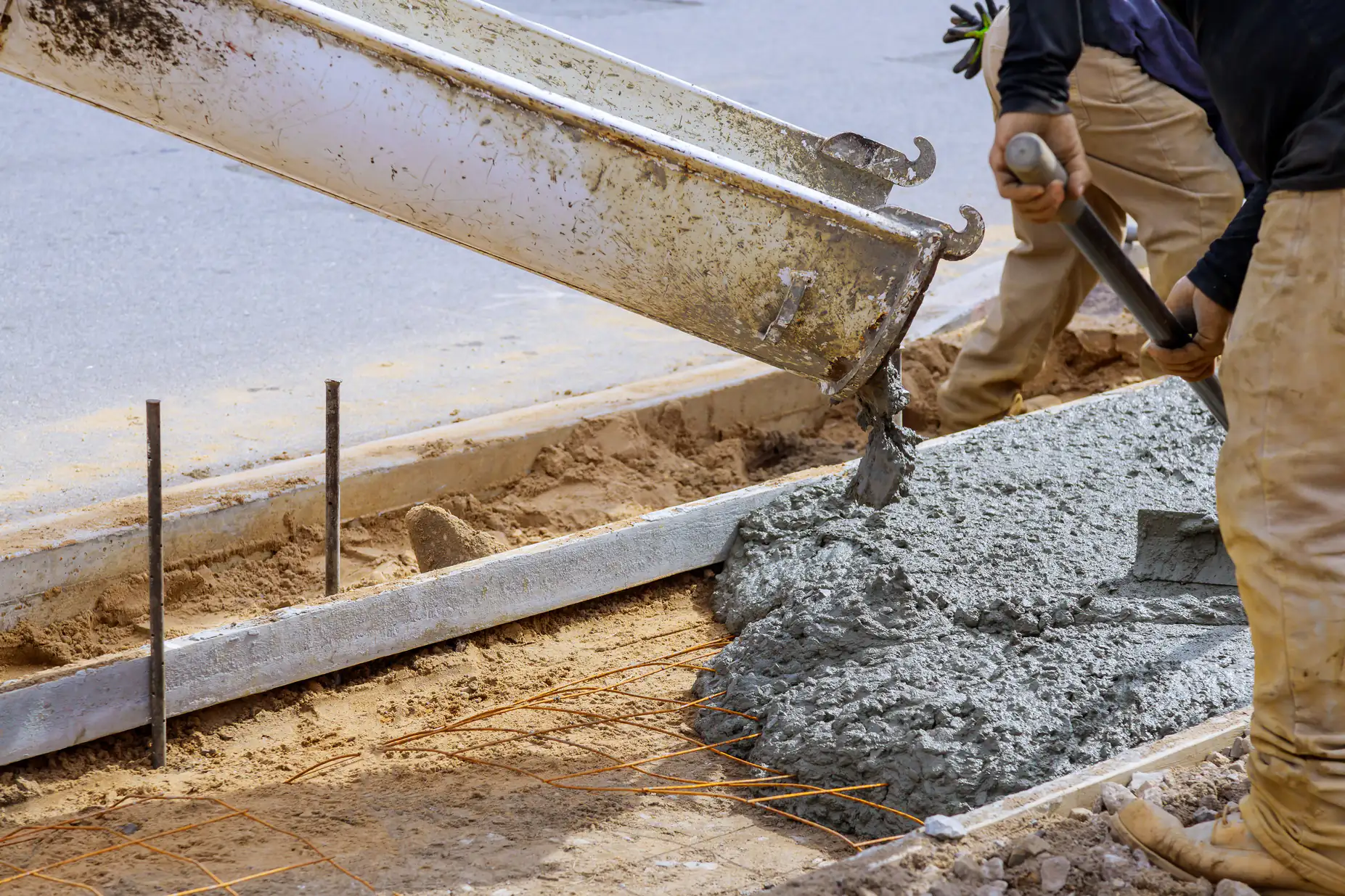
Hear from Our Customers
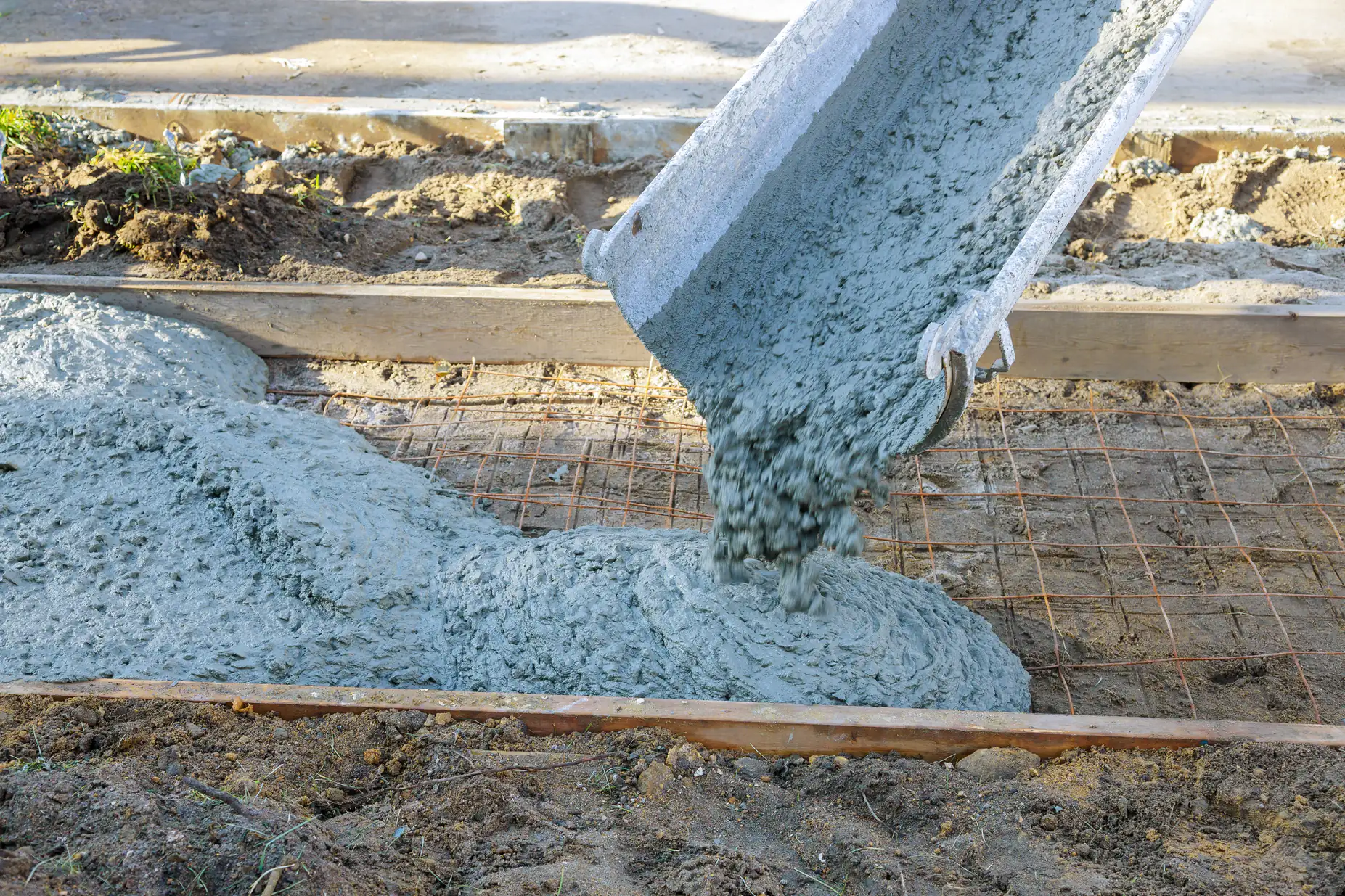
You’re looking at 25 to 30 years of reliable performance when the job’s done right. That means proper excavation depth, compacted aggregate base, rebar reinforcement, and concrete mix designed for New Jersey’s temperature swings.
Most Florham Park properties sit on soil that shifts with moisture and freeze cycles. If your base isn’t graded and compacted correctly, you’ll see settling cracks within the first few winters. We account for that upfront.
A well-poured concrete driveway also means fewer repairs, better curb appeal, and a surface that handles heavy vehicles without breaking down. It’s not the cheapest option, but it’s the one that saves you money over time because you’re not patching, resurfacing, or replacing every few years.
The difference shows when guests pull up, when you’re shoveling snow off a smooth surface instead of fighting potholes, and when you’re not calling contractors back to fix what should’ve been done right the first time.
We’ve been handling driveway installations across Morris, Sussex, and Somerset Counties for over 20 years. We know Florham Park’s soil conditions, permit requirements, and what it takes to build a driveway that survives New Jersey winters.
Our crews are certified, insured, and experienced with both residential and commercial paving projects. We’ve poured over 5 million square feet across the region, and we’re still here because we don’t cut corners on base prep or materials.
When you call us, you’re getting a local team that understands how humidity, cold snaps, and heavy snow loads affect concrete performance. We’re not subbing out your job or disappearing after the pour. We’re the ones who show up when you need warranty work or have questions down the road.
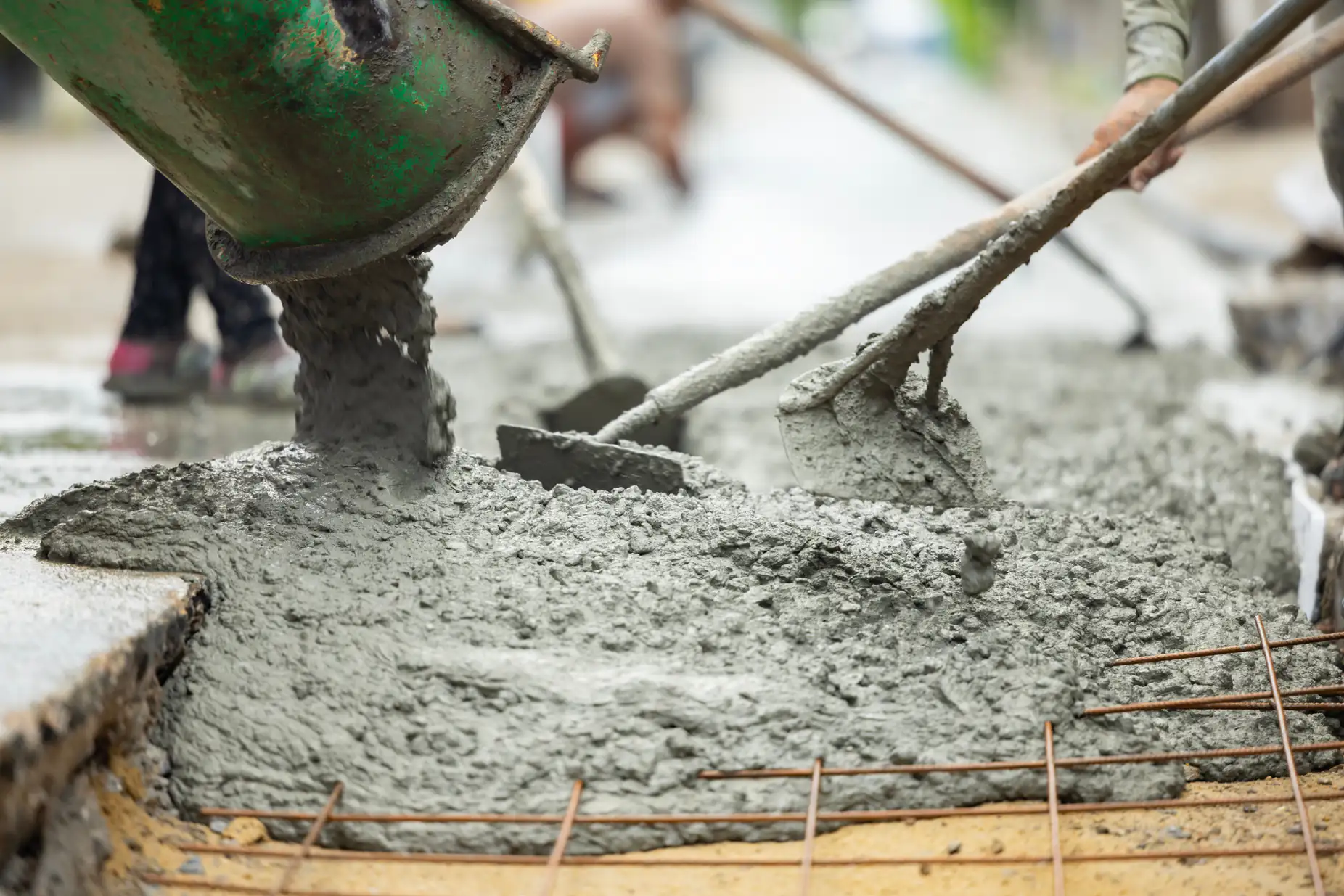
First, we evaluate your property’s drainage, soil type, and existing base conditions. If there’s an old driveway, we remove it completely and haul away the debris. Then we excavate to the proper depth, usually 8 to 12 inches depending on soil stability and expected load.
Next comes base preparation. We lay down a compacted aggregate base using heavy vibratory rollers to hit target density. This step is critical because a weak base leads to settling, cracking, and premature failure. We’re checking compaction levels, not just eyeballing it.
Once the base is solid, we set forms, install rebar or wire mesh reinforcement, and pour high-grade Portland cement concrete mixed to the right slump and PSI for driveway applications. We control the pour temperature, finish the surface properly, and apply curing compounds to prevent surface cracking.
The actual pouring process typically takes one to two days depending on size. After that, you’re looking at a curing period of about seven days before you can drive on it. We handle permit applications with the town if required, and we walk you through maintenance recommendations before we leave.

Ready to get started?
Every installation includes complete site prep, proper excavation, aggregate base installation with compaction testing, rebar reinforcement, high-grade concrete mix, professional finishing, and cleanup. We’re also handling permits if your Florham Park project requires them, which varies by location in Morris County.
You’re getting materials selected specifically for New Jersey weather. That means concrete mixes with air entrainment to resist freeze-thaw damage, proper aggregate selection to avoid base erosion, and reinforcement that prevents cracking from settling or heavy loads.
We also offer decorative options like stamped concrete patterns if you want something beyond a standard finish. Stamped concrete costs more upfront but gives you the look of pavers or stone without the maintenance issues that come with segmented surfaces.
Florham Park properties often have specific drainage considerations because of the area’s topography and soil composition. We grade your driveway to direct water away from your foundation and prevent pooling that leads to ice buildup in winter. That’s part of the base design, not an add-on.
Pricing for concrete driveway installation in Florham Park typically runs between $7 and $13 per square foot depending on thickness, reinforcement, and finish options. We give you clear upfront pricing with no surprise charges when we’re halfway through the job.
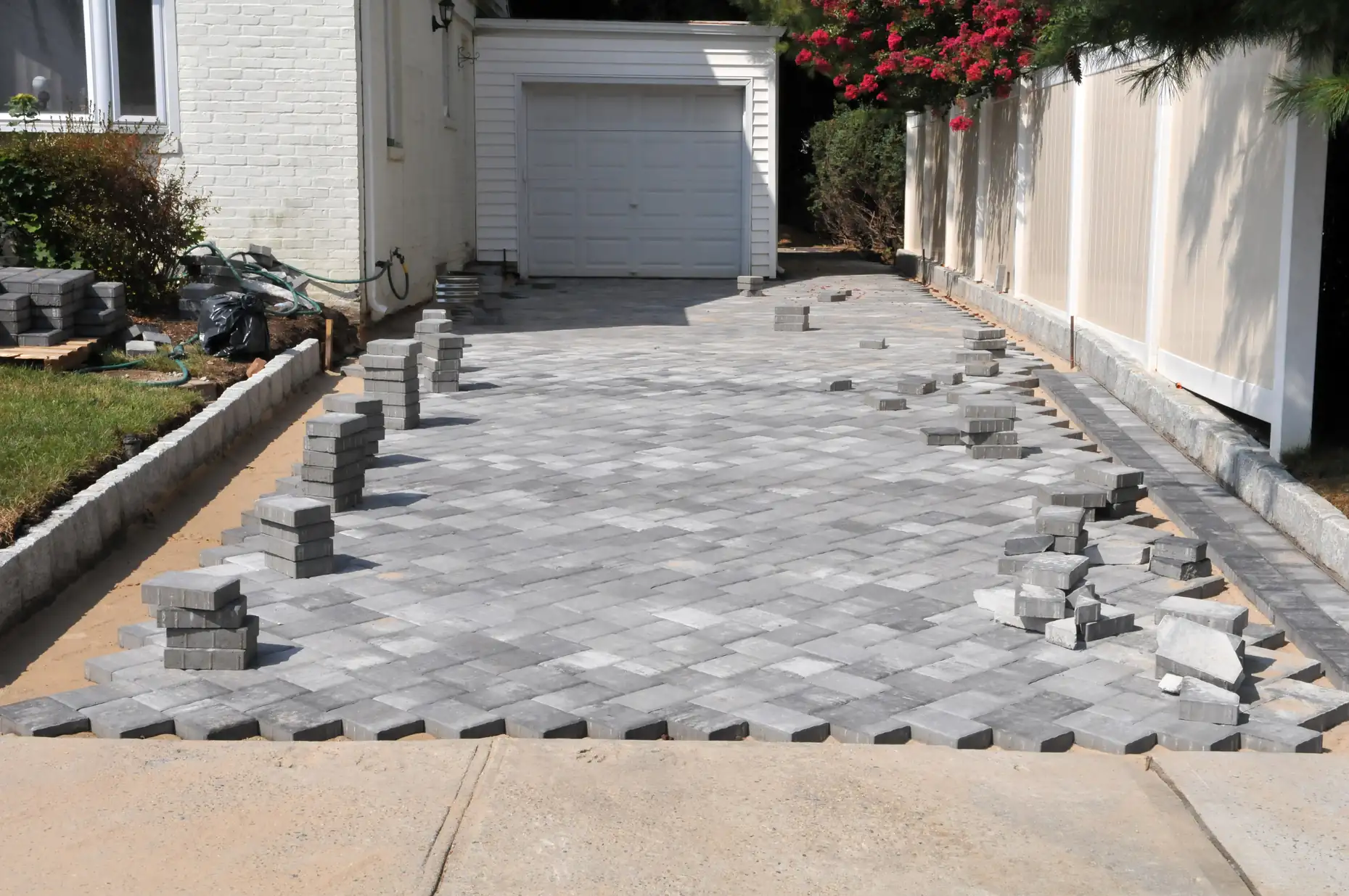
You’re looking at $7 to $13 per square foot for a standard concrete driveway installation in Florham Park. That range depends on the thickness you need, reinforcement type, site conditions, and whether you want decorative finishes like stamping or coloring.
A typical two-car driveway around 600 square feet runs between $4,200 and $7,800 for basic installation. If you’re dealing with poor soil that needs extra base work, steep grades that complicate forming and pouring, or if you want stamped patterns, expect to be on the higher end of that range.
The cost difference between concrete and asphalt matters too. Asphalt runs cheaper upfront, usually $3 to $7 per square foot, but concrete lasts longer and needs less maintenance over its lifespan. When you’re planning to stay in your Florham Park home long-term, concrete often makes more financial sense even with the higher initial investment.
We don’t give low-ball quotes that change once we start digging. You get a detailed estimate that accounts for actual site conditions, proper materials, and the labor required to do the job right. That’s why we do on-site evaluations before quoting, not just phone estimates based on square footage alone.
Most concrete driveway installations take one to three days from start to finish, depending on size and weather conditions. The actual concrete pouring process typically happens in one to two days, but you need to factor in prep work and curing time.
Day one usually involves removing the old driveway if there is one, excavating to proper depth, and preparing the aggregate base. Day two is forming, reinforcement installation, and pouring the concrete. If it’s a larger driveway or if weather doesn’t cooperate, we might stretch that timeline to ensure quality isn’t compromised.
After the pour, concrete needs about seven days to cure before you can drive on it. You can walk on it after 24 to 48 hours, but full strength takes a week. We’ll give you specific guidance based on temperature and humidity conditions during your installation.
Permit processing can add time to the overall project timeline if Florham Park requires one for your property. Some towns in Morris County need permits for driveway work, others don’t. We handle that paperwork and let you know upfront what to expect so you’re not surprised by delays.
Both materials work in New Jersey, but they perform differently. Concrete lasts longer, typically 25 to 30 years with proper maintenance, while asphalt driveways usually give you 15 to 20 years. Concrete also handles heavy loads better and doesn’t soften in summer heat like asphalt can.
Asphalt performs slightly better in freeze-thaw cycles because it’s more flexible, which means it’s less prone to cracking from ice expansion. It’s also easier and cheaper to repair through resurfacing. Concrete, once it cracks, requires more involved repair work, though proper installation with reinforcement and control joints minimizes that risk significantly.
For Florham Park specifically, concrete makes sense if you’re prioritizing long-term durability and lower maintenance. You’re not dealing with the seal coating that asphalt needs every few years, and you’re not worried about deicing salt causing as much surface damage. Concrete also gives you more design options if curb appeal matters for your property.
The cost difference is real though. Concrete runs nearly double what asphalt costs upfront. If budget is tight or you’re planning to move within ten years, asphalt might make more sense. If you’re staying long-term and want something that adds value and lasts, concrete is the better investment for most Florham Park homeowners.
Permit requirements vary by town in Morris County, and Florham Park has specific regulations about driveway work. In most cases, if you’re replacing an existing driveway in the same footprint, you might not need a permit. If you’re expanding the driveway, changing drainage patterns, or installing a new driveway where there wasn’t one, you’ll likely need approval.
We handle permit applications as part of our service because we know what the local building department requires. That includes site plans, drainage calculations, and documentation showing the work meets township codes. Trying to skip permits can cause problems when you sell your property or if a neighbor complains.
The permit process typically adds one to two weeks to your project timeline depending on how backed up the building department is. There’s also a fee, usually a few hundred dollars, that goes directly to the township. We factor that into your project estimate upfront so there are no surprises.
Some contractors will tell you permits aren’t necessary to speed up the job or avoid the paperwork. That’s a red flag. Working without required permits puts you at risk for fines and can complicate future property transactions. We do it right, which means following Florham Park’s regulations even when it adds time to the schedule.
Seal your concrete driveway every two to three years with a quality concrete sealer. That protects against water infiltration, which is what causes freeze-thaw damage when temperatures drop. Water gets into small cracks, freezes, expands, and turns hairline cracks into bigger problems over multiple winters.
Avoid using deicing salts directly on concrete if possible. Salt accelerates surface deterioration and can cause spalling, where the top layer of concrete flakes off. Sand or calcium magnesium acetate work better for traction without the chemical damage. If you do use salt, rinse the driveway when temperatures rise to remove residue.
Address cracks early. Small cracks can be filled with concrete crack filler to prevent water intrusion. Once cracks widen beyond a quarter inch or you see sections settling, you need professional repair. Ignoring small issues in year one leads to expensive resurfacing or replacement by year five.
Keep your driveway clean of oil, gasoline, and other chemicals that break down concrete over time. Sweep regularly to prevent dirt and debris buildup that holds moisture against the surface. In winter, shovel snow promptly rather than letting it melt and refreeze repeatedly, which accelerates wear.
Poor base preparation is the number one cause. If the aggregate base isn’t properly compacted or if the subgrade soil isn’t stable, the concrete will settle unevenly and crack. Florham Park’s soil conditions require specific attention to base depth and compaction because of how the ground shifts with moisture and temperature changes.
Freeze-thaw cycles are the second major factor. Water infiltrates small cracks or porous concrete, freezes when temperatures drop, expands, and creates larger cracks. This happens every winter in New Jersey, which is why proper concrete mix design with air entrainment and regular sealing are critical for longevity.
Lack of reinforcement or improper control joint placement also leads to cracking. Rebar or wire mesh gives concrete tensile strength to resist cracking from stress. Control joints create intentional weak points where concrete can crack in straight lines rather than randomly across the surface. Without these, you get spiderweb cracking that looks terrible and compromises structural integrity.
Heavy loads beyond what the driveway was designed for can cause cracking too. If you’re parking commercial vehicles, boats, or RVs regularly, you need thicker concrete with more reinforcement than a standard residential driveway. We account for expected use during design so your driveway is built to handle what you’ll actually put on it, not just minimum code requirements.