
Hear from Our Customers
You’re looking at a surface that can handle New Jersey winters without cracking apart in three years. Concrete driveways installed correctly manage water runoff, resist freeze-thaw damage, and hold up under daily vehicle traffic without sinking or shifting.
The difference shows up in year five, year ten, year twenty. No major repairs. No sections breaking away. No water pooling near your foundation because someone didn’t understand grading.
You get curb appeal that actually adds value to your property. You get a driveway that doesn’t need replacement when your neighbors are tearing theirs out. And you get to stop thinking about your driveway entirely, which is exactly how it should be.
We’ve been handling driveway paving throughout Somerset County for years. We’re based in Morris County and we’ve worked enough properties in East Franklin to know exactly what the soil does, how water moves, and what base preparation actually holds up here.
We’re licensed and insured. We use Portland cement mixes that meet local standards, and we don’t cut corners on base work or drainage. You’ll get a realistic timeline, clear pricing upfront, and a crew that shows up when we say we will.
East Franklin’s clay soil requires specific base materials and grading techniques. We’ve dealt with it enough times to know what works and what fails two winters later.
We start with a site evaluation at your property. We’re looking at your current driveway condition, drainage patterns, soil type, and grading issues. This tells us what preparation work is actually needed and whether you need full replacement or if repairs make sense.
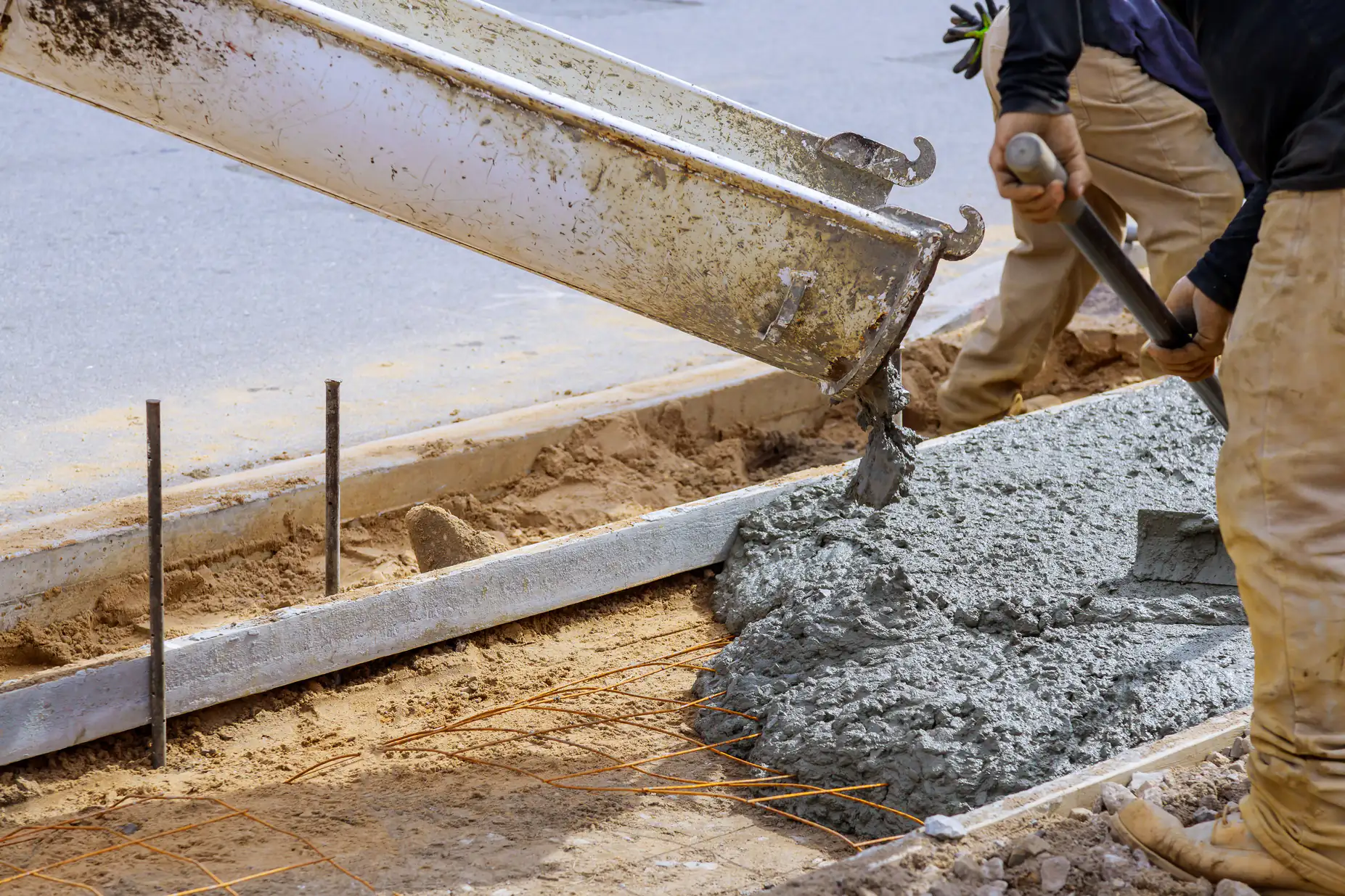
Once we agree on scope and pricing, we handle any permits required by your township. Then we excavate and remove old material, establish proper grades for drainage, and install the right aggregate base for East Franklin’s soil conditions. This foundation work determines whether your driveway lasts five years or fifty.
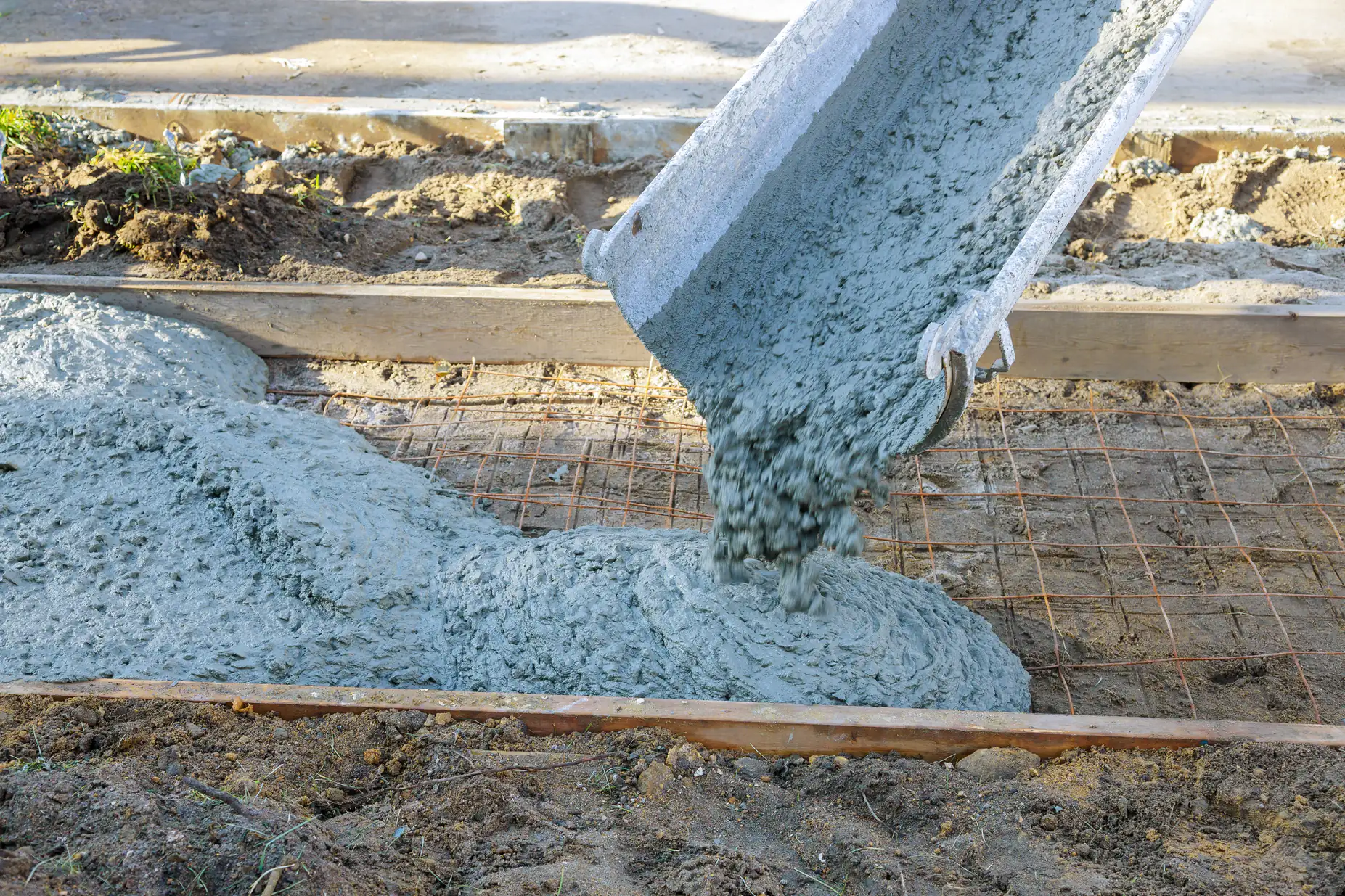
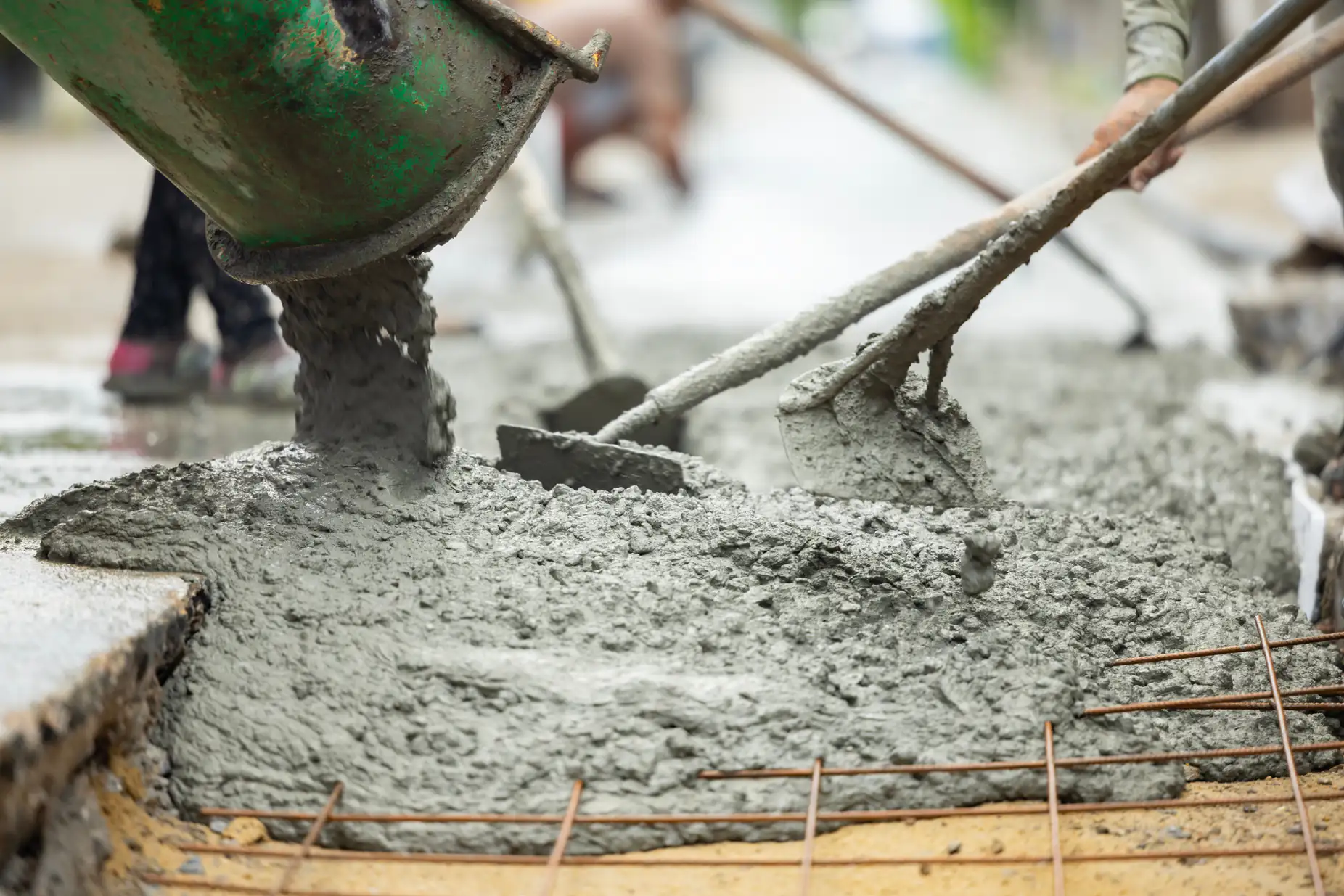
We pour concrete mixed to withstand local weather, typically at 4000 psi from New Jersey certified suppliers. The pour takes one to two days depending on size. Then it’s a waiting game: you can walk on it after five to seven days, but you’ll need to wait the full 28 days before parking vehicles on it.
We’re communicating with you through each phase. You’ll know what’s happening, when it’s happening, and what to expect next.

Ready to get started?
You’re getting complete excavation and base preparation, not just concrete poured over whatever’s there now. We remove failing material, address drainage problems, and build a foundation that won’t settle or shift.
Concrete driveways in East Franklin typically run $7 to $13 per square foot depending on site conditions and any decorative options. That’s for properly reinforced concrete with rebar, not thin unreinforced slabs that crack the first winter. We also offer stamped concrete patterns if you want something beyond standard finish.
The project includes grading work to direct water away from your foundation, installation of any necessary drainage solutions like catch basins, and coordination with your township on permits. Most driveways are completed in two to three days, though larger or more complex projects take longer.
You’re also getting a driveway that handles freeze-thaw cycles without spalling or surface deterioration. Somerset County winters are hard on concrete, and the mix quality and installation technique make all the difference in how your surface holds up long-term.
A properly installed concrete driveway should last 30 to 40 years in East Franklin, sometimes longer. That’s assuming correct base preparation, proper concrete mix, adequate reinforcement, and appropriate drainage.
The key factors are soil preparation and water management. East Franklin has clay soil that expands and contracts with moisture changes. If your base isn’t built to handle that movement, you’ll see cracking and settling within a few years regardless of concrete quality.
Freeze-thaw cycles are the other major factor. Water gets into small cracks, freezes, expands, and turns hairline cracks into structural problems. Using the right concrete mix with proper air entrainment and ensuring good drainage prevent most of this damage. You’ll still need to seal cracks as they appear and reseal the surface every few years, but the driveway itself should remain structurally sound for decades.
Concrete costs more upfront but lasts significantly longer and needs less maintenance. Asphalt is cheaper initially but typically needs replacement after 10 to 15 years. For most East Franklin homeowners, concrete makes more financial sense long-term.
Concrete handles our freeze-thaw cycles well when installed correctly, and it gives you more decorative options if appearance matters to you. Stamped patterns, different finishes, borders—you can’t do that with asphalt. Concrete also reflects heat rather than absorbing it, so it stays cooler in summer.
Asphalt does have advantages. It’s more flexible, which can be better if you have significant soil movement issues. It’s also easier to repair in sections. But you’re looking at resurfacing every five to seven years and full replacement much sooner than concrete. For a permanent solution that adds property value, concrete is usually the better choice despite the higher initial cost.
Most cracking comes from poor base preparation, inadequate drainage, or soil movement underneath the slab. You can minimize it but not eliminate it entirely—some hairline cracking is normal and doesn’t indicate structural problems.
The critical prevention happens before concrete is ever poured. Your base needs to be properly compacted and thick enough for local soil conditions. In East Franklin, that means accounting for clay soil behavior and ensuring water drains away from the slab. Control joints are cut into the concrete to direct where cracks form, keeping them straight and manageable rather than random.
Concrete also needs time to cure properly. Pouring in extreme temperatures, letting it dry too fast, or driving on it too soon all cause cracking. We use the right mix for New Jersey weather and give clear guidance on cure times. Even with perfect installation, you might see some minor cracking over the years—that’s concrete being concrete. But structural cracks, settling, or major damage indicate installation problems, not normal aging.
Most concrete driveways in East Franklin run between $7 and $13 per square foot installed. A standard two-car driveway around 600 square feet typically costs $4,200 to $7,800. Larger driveways, difficult site conditions, or decorative options increase that price.
That pricing includes excavation, base preparation, concrete materials, labor, and finishing. It doesn’t include permit fees or any major drainage work beyond standard grading. If your property has significant drainage problems, needs retaining walls, or requires extensive excavation, expect additional costs.
The cheapest quote isn’t usually the best value. Concrete work lives or dies on base preparation and material quality. Contractors cutting prices are cutting corners somewhere—thinner base, lower-grade concrete, no rebar, rushed installation. You’ll pay less now and pay again in five years when you’re replacing it. Focus on contractors who explain their process, use proper materials, and have verifiable experience with local soil conditions.
Most New Jersey townships require permits for new driveway installation or major driveway work. Franklin Township, where East Franklin is located, typically requires permits for driveway projects. Requirements vary based on project scope and property specifics.
The permit process ensures your driveway meets local codes for drainage, setbacks, and construction standards. It’s not just bureaucracy—these codes exist because improper drainage affects neighboring properties and local stormwater systems. Your contractor should handle permit applications and coordinate any required inspections.
Don’t skip permits to save money or time. Unpermitted work can create problems when you sell your property, and you may be required to remove and redo the work to get proper approvals. We coordinate all necessary permits as part of our service, so you don’t have to deal with township offices or figure out what’s required. It’s built into the timeline and process from the start.
Late spring through early fall offers the most consistent conditions for concrete work in New Jersey. You want temperatures reliably above 50 degrees during the day and above 40 at night for at least a week after the pour.
Concrete cures through a chemical reaction that requires specific temperature ranges. Too cold and it won’t cure properly, leading to weak surface and cracking. Too hot and it cures too fast, also causing problems. Mild, dry weather gives the best results and the most predictable timeline.
That said, we can pour concrete during mild winter conditions if temperatures cooperate. It just requires more planning and sometimes additional measures to protect the concrete during curing. If you’re planning a project, reaching out in early spring gets you on the schedule for ideal installation weather. Summer and early fall book up quickly because everyone wants their driveway done before winter.