
Hear from Our Customers
A properly installed concrete driveway in Butler means no more standing water after storms. No more cracks spreading across your surface every spring. No more watching your property value drop because your driveway looks like a patchwork quilt.
You get a surface engineered for New Jersey’s climate. That means Portland cement mixes with rebar reinforcement, not the shortcuts that fail in three years. It means proper base preparation so your driveway doesn’t settle into a wavy mess. And it means drainage solutions that actually move water away from your foundation instead of pooling it right where it’ll freeze.
The difference shows up in year five when your neighbor’s driveway is cracking and yours still looks new. It shows up when you sell and buyers see a well-maintained property instead of a repair project. Most concrete driveways in Morris County last 30+ years when installed correctly. Yours should too.
We’ve worked in Butler and throughout Morris County for over 20 years. We’re not a crew that shows up with leftover materials from another job. We’re licensed, bonded, and insured because that’s how you run a legitimate paving business.
You’re hiring local contractors who know that Butler’s soil conditions require different base prep than what works in other parts of New Jersey. We handle permits and inspections with Morris County. We schedule around weather because concrete needs specific temperature ranges to cure properly—something fly-by-night contractors ignore until your driveway fails.
Our work meets local building codes, and we use professional-grade equipment that most residential contractors don’t own. That’s not bragging. That’s explaining why our installations last while others crack within five years.
First, we excavate your existing driveway or prepare the site if it’s new construction. Depth matters here—we’re going down far enough to install a proper aggregate base that won’t shift when the ground freezes. Shortcuts at this stage cause 90% of driveway failures.
Next comes base preparation and compaction. We’re installing 4-6 inches of compacted aggregate depending on your soil conditions and drainage needs. This is where we solve drainage problems before they start. If water pools on your current driveway, we’re fixing that now with proper grading and potentially installing drainage systems.
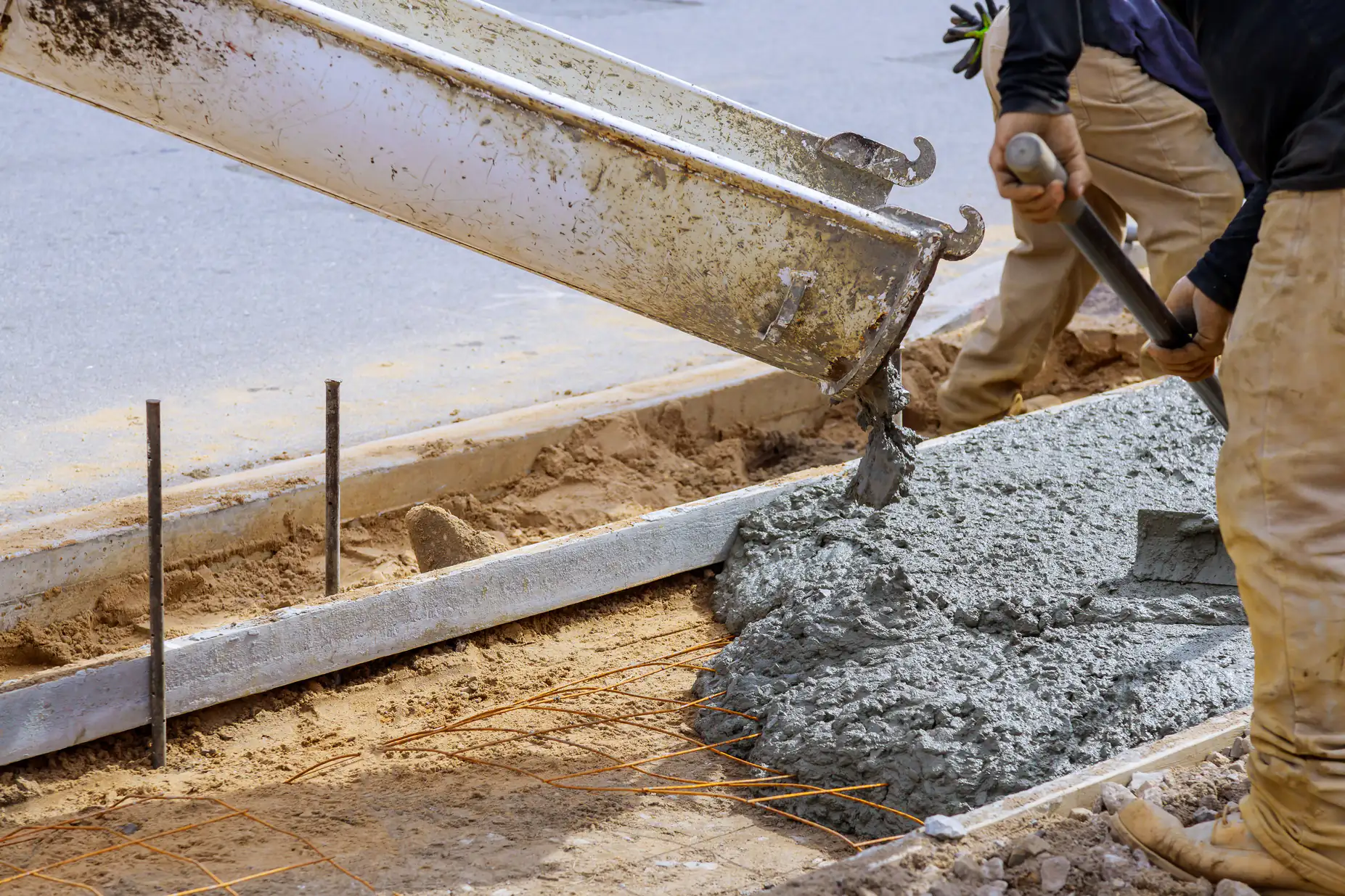
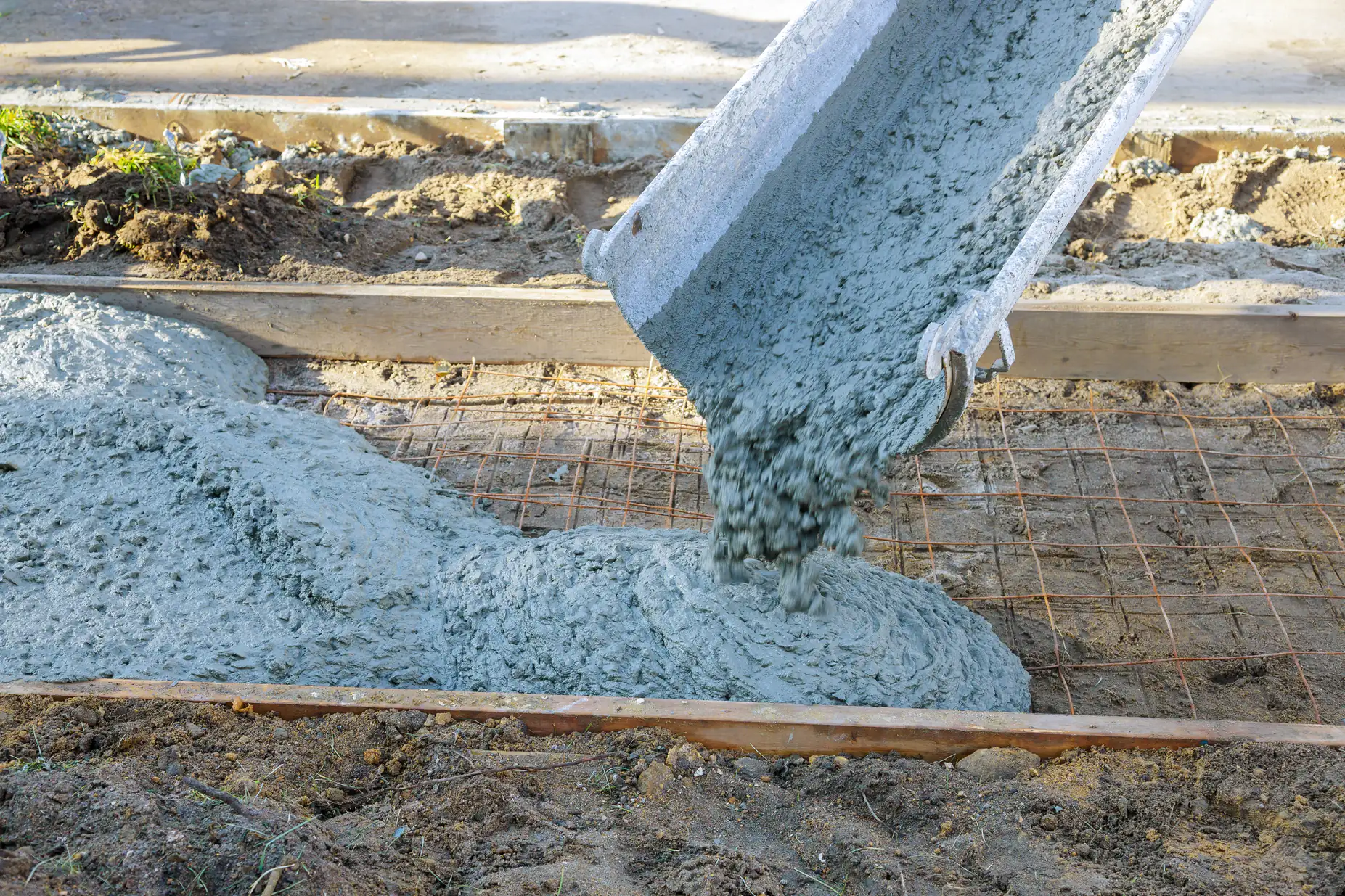
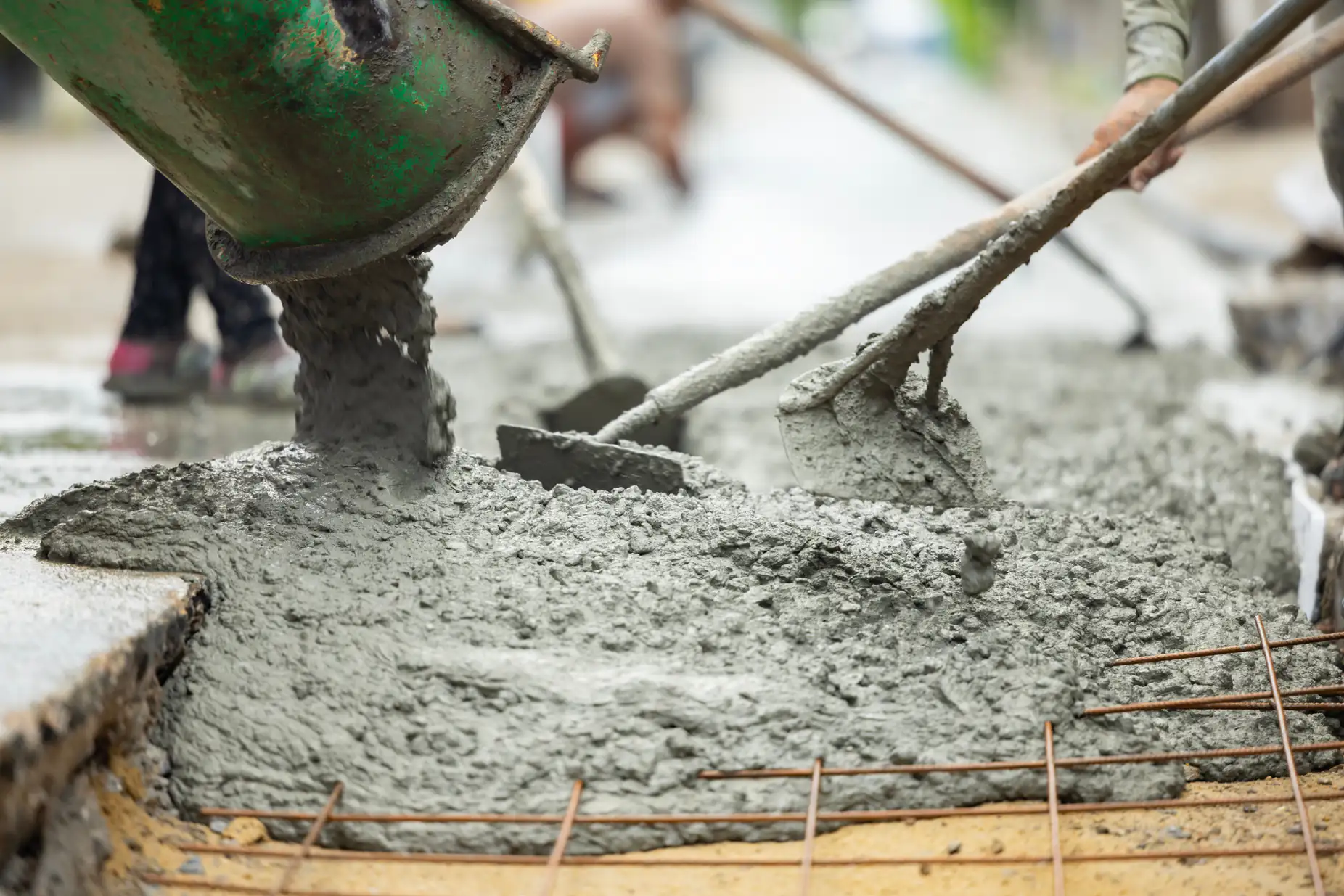
Then we form and pour the concrete. We use Portland cement mixes with rebar reinforcement for structural integrity. The concrete goes in at proper thickness—typically 4 inches for residential driveways, thicker if you’re parking heavier vehicles. We finish the surface based on what you need: broom finish for traction, stamped patterns if you want decorative concrete, or smooth if that’s your preference.
Curing takes time. You’re looking at 24-48 hours before you can walk on it, seven days before light vehicle traffic, and 28 days for full cure. We don’t rush this because proper curing determines how well your concrete handles freeze-thaw cycles for the next 30 years.

Ready to get started?
Every concrete driveway installation includes complete site preparation, proper base installation, and professional-grade materials. We’re not just pouring concrete over dirt and hoping it works.
You’re getting drainage solutions designed for Butler’s weather patterns. Morris County sees some of the highest freeze-thaw cycles in New Jersey. That means water management isn’t optional—it’s the difference between a driveway that lasts and one that cracks within three winters. We grade for proper runoff and install drainage systems when needed.
The concrete itself uses high-grade Portland cement with rebar reinforcement. If you want decorative options, we install stamped concrete patterns that mimic natural stone, brick, or custom designs. These aren’t surface treatments that wear off—the pattern goes through the entire pour.
We handle all permits and coordinate required inspections with Morris County. Most driveway replacements don’t need permits, but new installations or significant drainage changes often do. We manage that process so you’re not figuring out municipal requirements on your own.
You’re also getting clear pricing upfront. A typical 600-square-foot concrete driveway in Butler runs $4,200-$7,800 depending on site conditions, thickness requirements, and whether you want decorative finishes. That’s installed, not just materials. No surprise charges when we hit normal soil conditions or standard drainage needs.
Concrete driveway installation in Butler typically costs $7-13 per square foot. For a standard two-car driveway around 600 square feet, you’re looking at $4,200-$7,800 installed.
That range depends on several factors. Basic concrete with a broom finish sits at the lower end. Stamped or decorative concrete pushes toward the higher end. Site conditions matter too—if we’re dealing with poor drainage or soil that needs extra base preparation, costs increase because the work increases.
Thickness affects price. Most residential driveways use 4-inch concrete, but if you’re parking heavier vehicles or have soil conditions that require it, we’ll go thicker. Rebar reinforcement is standard in our installations because it prevents cracking, but some contractors skip it to cut costs. You’ll pay for that decision in year three when cracks start spreading.
Compare that to asphalt at $5-8 per square foot. Asphalt costs less upfront but needs resurfacing every 10-15 years and regular maintenance. Concrete lasts 30+ years with minimal maintenance if installed correctly. The math favors concrete when you factor in long-term costs.
Most concrete driveway projects in Butler are completed in 3-5 days from start to finish. That includes excavation, base preparation, forming, pouring, and finishing.
Day one typically involves site prep and excavation. We’re removing your old driveway if needed and excavating to proper depth. Day two is base installation and compaction—this step can’t be rushed because your driveway’s longevity depends on a solid foundation.
Pouring and finishing usually happens on day three. The concrete needs to be placed, leveled, and finished in one continuous pour for best results. Then comes curing time. You’ll wait 24-48 hours before walking on it and seven days before driving on it.
Weather affects timing. We don’t pour concrete when temperatures drop below 50°F or when rain is forecast within 24 hours. That’s not being picky—concrete needs specific conditions to cure properly. Contractors who ignore weather windows deliver driveways that fail early. We schedule around Morris County’s weather patterns, which is why spring through fall offers the most reliable installation windows.
Properly installed concrete driveways resist winter damage, but North Jersey’s freeze-thaw cycles are brutal. Your driveway’s survival depends entirely on installation quality and ongoing maintenance.
Here’s what causes winter cracking: water seeps into small cracks or porous concrete, freezes, expands, and pushes the concrete apart. This cycle repeats all winter. Eventually, small cracks become big cracks, then potholes. Poor drainage accelerates this because standing water means more freeze-thaw cycles hitting your concrete.
We prevent this through proper installation. That means adequate base preparation so water drains away instead of pooling under your driveway. It means using Portland cement mixes designed for freeze-thaw resistance. It means proper thickness and rebar reinforcement so the concrete can handle expansion and contraction. And it means finishing techniques that create appropriate surface texture without compromising the concrete’s density.
You prevent it through maintenance. Seal your concrete every 2-3 years. Fix small cracks immediately before water infiltrates. Keep your driveway clear of standing water. These aren’t complicated steps, but skipping them means even the best installation will eventually fail. Butler’s winters don’t forgive poor maintenance.
Most driveway replacements in Butler don’t require permits, but new installations or projects that change drainage patterns usually do. Morris County has specific requirements depending on your project scope.
If you’re replacing an existing driveway with the same footprint and drainage setup, you typically don’t need a permit. You’re just swapping old concrete for new concrete in the same location. But if you’re expanding your driveway, changing how water drains, or installing a new driveway where none existed, permits are required.
Drainage changes trigger permit requirements because Morris County regulates how stormwater moves across properties. If your new driveway will direct water differently than before, or if you’re adding impermeable surface area that affects runoff, you need approval. This isn’t bureaucratic nonsense—it’s preventing your drainage solution from becoming your neighbor’s flooding problem.
We handle permit applications and coordinate required inspections. That’s included in our service because navigating municipal requirements shouldn’t be your problem. We know what Butler and Morris County require, we know how to submit proper documentation, and we schedule inspections at the right project phases. You’re hiring professionals partly so you don’t have to figure this out yourself.
Concrete costs more upfront but lasts longer with less maintenance. Asphalt costs less initially but requires regular upkeep and replacement sooner. Your choice depends on budget, timeline, and how long you plan to stay in your home.
Concrete runs $7-13 per square foot installed in Butler. Asphalt costs $5-8 per square foot. For that 600-square-foot driveway, you’re saving $1,200-$3,000 by choosing asphalt. But concrete lasts 30+ years while asphalt needs resurfacing every 10-15 years at $2-4 per square foot. Over 30 years, concrete often costs less when you factor in asphalt’s maintenance and resurfacing needs.
Performance differs too. Concrete handles North Jersey’s freeze-thaw cycles better than asphalt when properly installed. Asphalt softens in summer heat and can develop ruts where you park. Concrete stays stable. Asphalt fades to gray and needs sealcoating every few years. Concrete maintains its appearance with minimal maintenance.
Installation timing matters. Asphalt requires warmer temperatures and can be installed faster. Concrete needs specific curing conditions and takes longer. If you’re selling soon, asphalt’s lower upfront cost might make sense. If you’re staying long-term, concrete’s durability and lower lifetime cost usually wins. Both work in Butler—your situation determines which makes more sense.
Concrete driveways need sealing every 2-3 years, immediate crack repair, and regular cleaning. That’s significantly less maintenance than asphalt requires, but it’s not zero maintenance.
Sealing protects against water infiltration and freeze-thaw damage. You’re applying a penetrating sealer that fills the concrete’s pores without creating a surface coating that can peel. This costs $0.50-1.50 per square foot if you hire it out, less if you do it yourself. Skip this and you’re inviting water damage that leads to expensive repairs.
Address cracks immediately when they appear. Small cracks become big cracks become structural problems. You can fill minor cracks yourself with concrete crack filler from any hardware store. Larger cracks or structural issues need professional repair. The key is catching problems early before one winter turns a small crack into a major repair.
Clean your driveway regularly and avoid harsh chemicals. Salt and deicing chemicals damage concrete over time. Use sand for traction instead, or choose concrete-safe deicers if you must use chemicals. Pressure washing once or twice a year removes stains and keeps your driveway looking maintained.
That’s it. Seal periodically, fix cracks fast, clean occasionally, and avoid harsh chemicals. Follow those steps and your concrete driveway will last 30+ years in Butler’s climate. Ignore them and even the best installation will fail prematurely.