
Hear from Our Customers
A driveway that doesn’t crack after the first winter. That’s what happens when someone excavates to the right depth, builds a proper base, and doesn’t cut corners on materials.
You’re not dealing with water pooling near your garage anymore. The grading actually works. Your car sits level, and rain goes where it’s supposed to go.
And you’re not calling someone back in three years because the edges are crumbling or the surface is sinking. When the foundation is engineered for Morris County soil and climate, the driveway performs the way it should. That’s the difference between a quick job and one that’s built to last 30-plus years.
We’ve been handling concrete and asphalt installations across Morris, Sussex, and Somerset Counties for over 20 years. We’re not showing up with leftover materials from another job. We’re bringing the right mix, the right equipment, and the experience to handle what New Jersey throws at a driveway.
Brookside sits in an area where soil conditions vary and drainage matters. We’ve worked enough driveways in older neighborhoods around here to know what fails and why. That’s not something you pick up from a manual.
We’re licensed, insured, and we handle the permits. You get a written estimate that breaks down what you’re paying for, and we back the work with a 5-year warranty. No surprises, no runaround.
First, we excavate. That means removing the old surface and digging down far enough to build a stable base. In Brookside and surrounding areas, that usually means dealing with clay soil, so we go deeper than you’d think and compact it correctly.
Next comes the base layer. We’re using crushed stone that gets compacted to 92-96% density. This is what keeps your driveway from settling or cracking when the ground freezes and thaws. If this step is rushed, everything on top of it fails eventually.
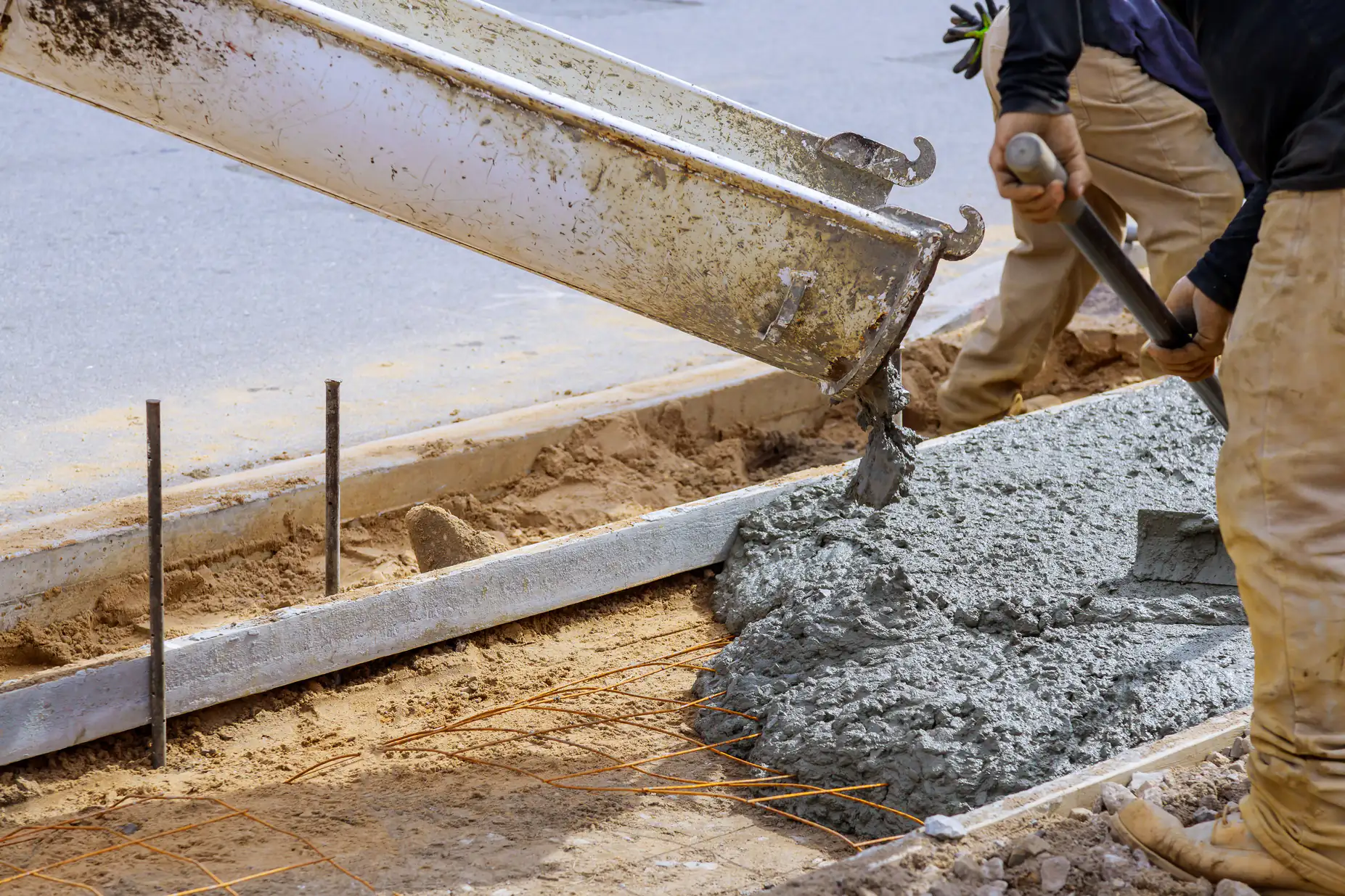
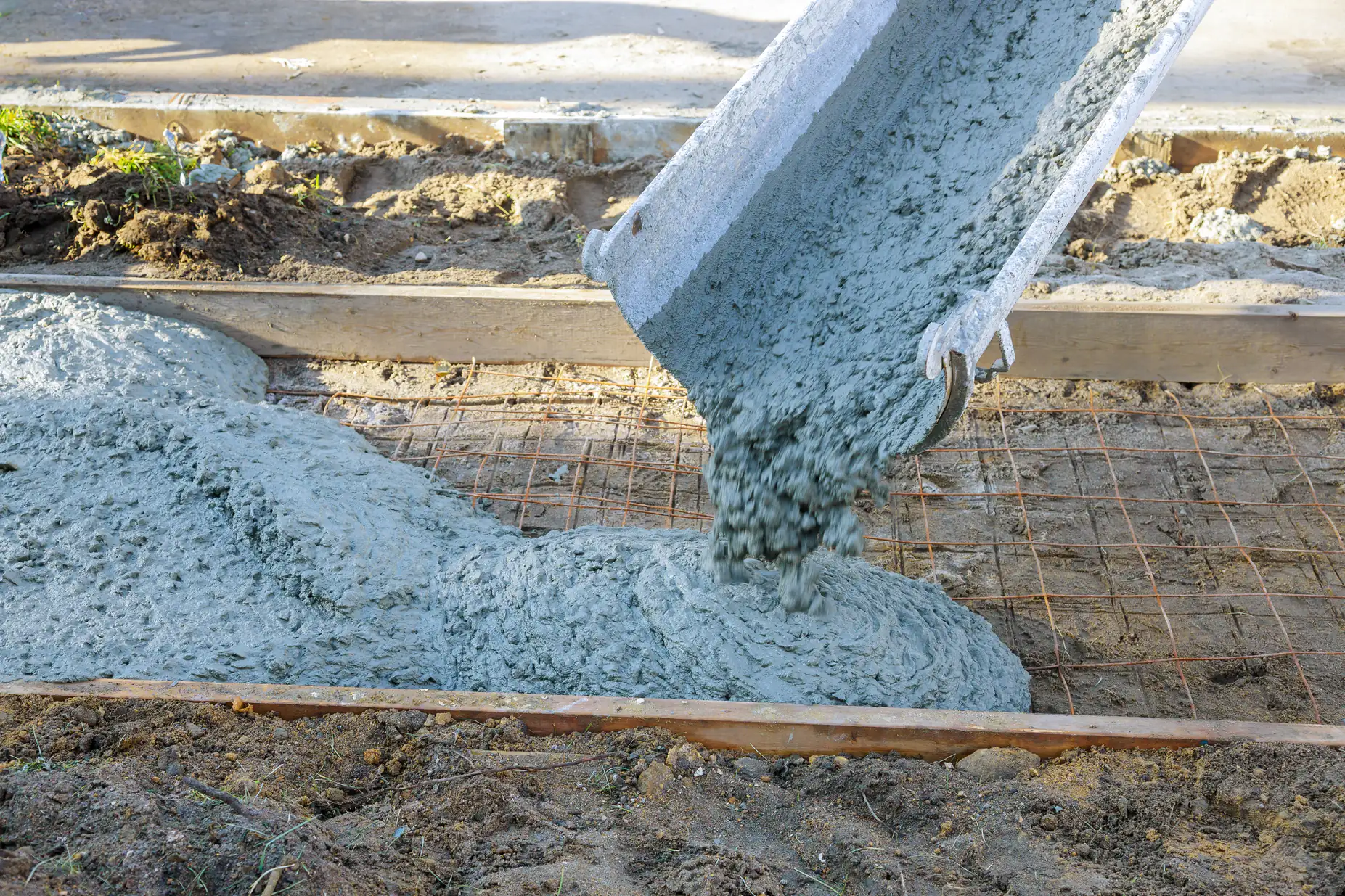
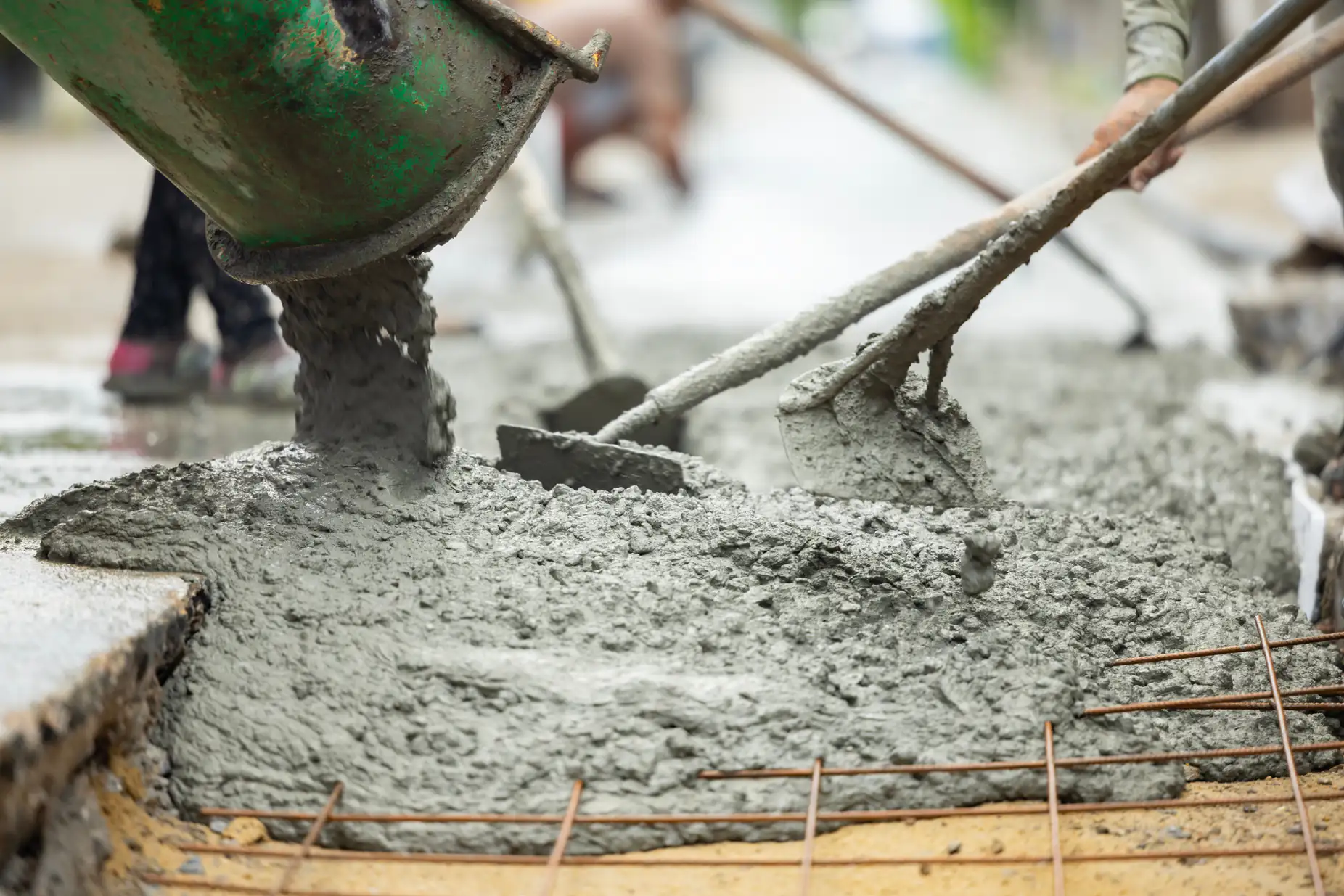
Then we pour the concrete. We’re using Portland cement mixes with rebar reinforcement, not the cheap stuff that cracks in two years. The mix is designed for freeze-thaw cycles, and we’re pouring it at the right temperature and thickness. For most residential driveways, that’s 4-6 inches depending on the load.
Finally, we finish and cure it properly. Whether you want a standard broom finish or decorative stamped patterns, the surface gets sealed and cured so it bonds correctly. Most projects take 2-3 days from start to finish, and you’ll know the timeline before we start.

Ready to get started?
You’re getting full excavation and site prep. That includes removing the old driveway, grading for proper drainage, and building a compacted stone base that won’t shift. This is the part that matters most, and it’s where a lot of contractors cut corners.
You’re getting high-grade materials chosen for this climate. We’re using hot-mix asphalt applied at the right temperature or Portland cement mixes with rebar reinforcement for concrete. Both are engineered to handle New Jersey’s brutal freeze-thaw cycles without crumbling.
You’re also getting proper drainage solutions. If water pools on your current driveway, we’re fixing that. We’ll adjust the slope, add drainage where needed, and make sure runoff doesn’t create problems down the line.
And you’re getting transparent pricing with no hidden fees. The estimate breaks down labor, materials, and site-specific costs. If something changes during the job, we’re telling you before we proceed. Around Brookside, costs typically run $6-12 per square foot for concrete depending on thickness, reinforcement, and finish. That’s the real number, not a bait-and-switch starting price.
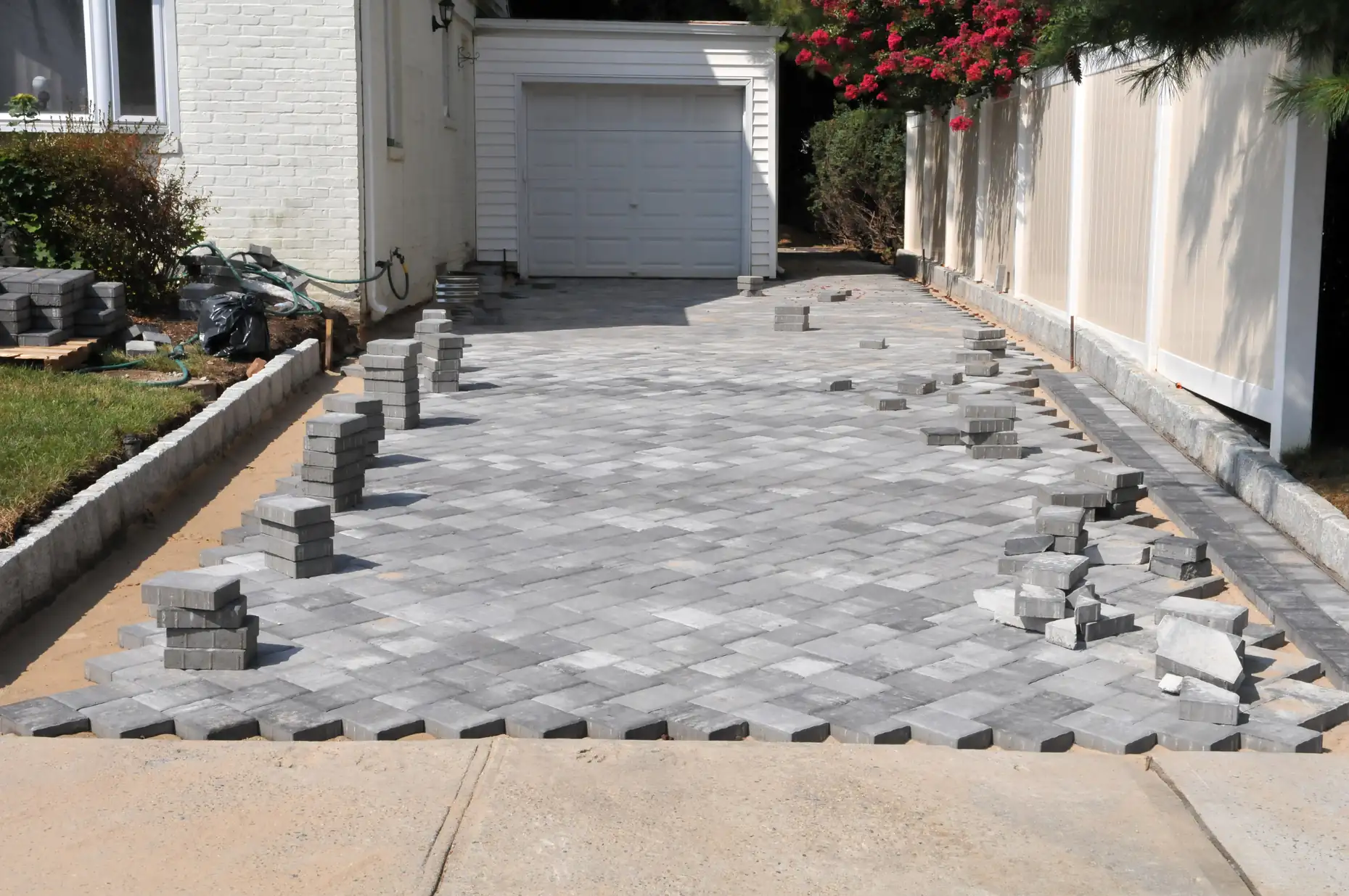
A properly installed concrete driveway lasts 30-40 years in New Jersey if it’s built right from the start. That means correct base preparation, proper thickness, rebar reinforcement, and a mix designed for freeze-thaw cycles.
The driveways that fail early usually have one thing in common: someone skipped a step. Either the base wasn’t compacted enough, the concrete was too thin, or they poured it when temperatures were too low. Those driveways start cracking within a few years.
Maintenance helps, but it’s not a substitute for proper installation. Sealing the surface every few years protects against water infiltration and surface wear. But if the foundation wasn’t done right, no amount of sealing will save it. That’s why the upfront work matters so much.
Most concrete driveways in Brookside run between $6 and $12 per square foot, depending on the specifics of your property. A standard two-car driveway is usually around 600-800 square feet, so you’re looking at $4,800 to $9,600 for a straightforward installation.
That price includes excavation, base preparation, concrete with rebar reinforcement, and finishing. If you want decorative stamped patterns or need extra drainage work, that adds to the cost. Properties with difficult access or soil issues can also run higher.
Asphalt costs less upfront—usually $3-7 per square foot—but needs sealcoating every 2-3 years to last. Concrete costs more initially but requires less maintenance over its lifespan. The right choice depends on your budget and how long you plan to stay in the house.
You need to wait at least 7 days before driving on a new concrete driveway. That’s how long it takes for the concrete to cure enough to handle vehicle weight without cracking or surface damage.
Concrete reaches about 70% of its full strength in the first week, but it continues curing for weeks after that. Walking on it after 24-48 hours is usually fine, but putting a car on it too early can leave permanent tire marks or cause the surface to crack under load.
Weather affects curing time. If it’s hot and dry, we’ll keep the surface wet during the first few days to prevent it from curing too fast and cracking. If it’s cooler, it might take a bit longer to reach full strength. We’ll give you a specific timeline based on conditions when we finish the job.
Concrete lasts longer and needs less maintenance, but it costs more upfront. Asphalt costs less initially but requires sealcoating every few years and typically needs replacement sooner. Both work fine in New Jersey if they’re installed correctly.
Concrete driveways last 30-40 years with minimal upkeep. You’re looking at occasional crack filling and maybe resealing every 5-10 years. Asphalt driveways last 20-30 years but need sealcoating every 2-3 years at $3-7 per square foot to protect against weather damage and extend their life.
If you’re planning to stay in your house long-term, concrete usually makes more sense. The higher upfront cost evens out over time because you’re not paying for regular maintenance. If you’re on a tighter budget or might move in the next 10-15 years, asphalt can be the smarter choice. Either way, the installation quality matters more than the material.
Yes, most driveway replacements or new installations in Brookside require a permit from the local building department. The permit ensures the work meets township codes for drainage, setbacks, and construction standards.
We handle the permit process as part of the job. That includes submitting the application, coordinating any required inspections, and making sure everything is up to code before we start. You don’t need to deal with the township yourself.
Permit requirements can vary depending on the scope of work. A simple overlay might not need one, but full replacement with excavation almost always does. Skipping the permit can cause problems later if you sell the house or if the township notices unpermitted work. It’s not worth the risk, and it’s built into our process anyway.
Most concrete driveways crack because of poor base preparation, inadequate thickness, or freeze-thaw damage from water getting underneath the surface. New Jersey’s climate is brutal on concrete, so installation details matter more here than in warmer states.
If the base isn’t compacted properly, the concrete settles unevenly as the ground shifts. That creates stress points that turn into cracks. If the concrete is too thin—less than 4 inches for a residential driveway—it doesn’t have enough strength to handle vehicle weight and temperature changes without cracking.
Water is the other big issue. When water seeps under the driveway and freezes, it expands and pushes the concrete up. When it thaws, the concrete settles back down. That cycle repeats every winter and eventually causes cracks. Proper drainage and a well-compacted base prevent most of this. Using rebar reinforcement also helps the concrete hold together even if small cracks do form.